
How to Dry Work Boots

Why Proper Boot Drying Matters
Wet work boots create problems. Moisture breaks down leather, causes mold growth, and ruins insulation materials. Your feet suffer in damp boots. Blisters form easily. Fungal infections develop. Cold penetrates faster through wet materials.
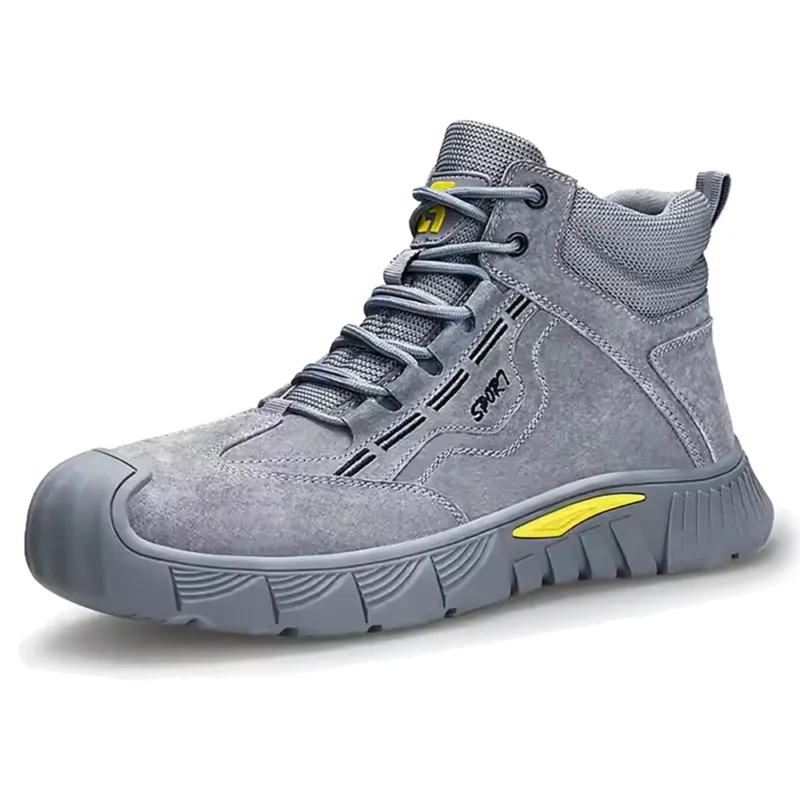
When your workday involves heavy machinery, falling objects, and unforgiving terrain, the Birks Defender Kevlar Steel Toe Safety Work Boots stand ready to protect you through it all. These boots deliver the exceptional durability, reliable protection, and all-day comfort you need to tackle any challenge and get the job done right, every single time.
Proper drying extends boot life by years. A $200 pair of quality work boots lasts 3-5 years with correct care. Poor drying habits reduce this to 12-18 months. The math is simple. Good drying saves money.
Work boots evolved significantly over centuries. Early workers used basic leather footwear. They dried boots by fire, which often cracked the leather. The Industrial Revolution brought rubber boots in the 1800s. Workers still struggled with moisture management.
Modern work boots use complex materials. Goretex membranes, Thinsulate insulation, and composite toe caps require specific drying methods. Manufacturers now provide detailed care instructions. These instructions maximize boot longevity.
What Happens Inside Wet Boots
Understanding moisture helps you dry boots correctly. An average foot produces half a pint of sweat daily. Work conditions increase this amount. Rain, snow, and puddles add external water.
Water damages boots through multiple mechanisms:
- Leather degradation: Moisture weakens protein bonds in leather fibers
- Adhesive breakdown: Water dissolves glues holding sole layers together
- Metal corrosion: Eyelets, shanks, and toe caps rust when exposed to moisture
- Insulation compression: Wet insulation loses 70% of thermal efficiency
- Bacterial growth: Warm, moist environments breed odor-causing bacteria
The damage timeline moves quickly. Leather stays wet for 24-48 hours without intervention. Mold spores colonize surfaces within 48 hours. Structural damage becomes permanent after repeated wet-dry cycles without proper care.
Method 1: Air Drying (Best for Most Situations)
Air drying is the safest method. This approach prevents heat damage. The process takes 24-48 hours but preserves boot integrity.
Step-by-step air drying process:
- Remove laces completely from all eyelets
- Pull out insoles and set them aside
- Open the tongue as wide as possible
- Stuff boots with newspaper or paper towels
- Replace stuffing every 2-3 hours until barely damp
- Position boots upright in a well-ventilated area
- Avoid direct sunlight or heat sources
Place boots near a fan for faster results. Air circulation reduces drying time by 30-40%. A box fan on low setting works perfectly. Point the fan toward the boot opening.
Room temperature matters significantly. Boots dry fastest at 65-75°F. Humidity affects drying speed. High humidity areas require longer drying times. Use a dehumidifier in humid climates.
Method 2: Boot Dryers (Fastest Safe Method)
Electric boot dryers solve the moisture problem efficiently. These devices blow gentle warm air into boots. Quality models prevent heat damage through temperature regulation.
Boot dryer types compared:
| Dryer Type | Temperature | Drying Time | Best For | Price Range |
|---|---|---|---|---|
| Forced Air | 90-105°F | 2-4 hours | All materials | $30-$60 |
| Convection | 95-110°F | 4-6 hours | Leather, synthetics | $25-$45 |
| UV Light | 100-115°F | 3-5 hours | Odor control | $50-$80 |
| Peet Dryer | 100°F | 4-8 hours | Heavy-duty boots | $35-$55 |
Select models with adjustable temperature settings. Lower temperatures protect delicate materials. Higher settings work for rubber boots only.
Using a boot dryer correctly:
- Remove insoles before placing boots on dryer
- Set temperature to lowest effective setting
- Check boots every hour for progress
- Stop drying when boots feel barely damp
- Allow 30 minutes of air cooling before wearing
Boot dryers consume minimal electricity. Most models use 50-150 watts. Running a dryer for 6 hours costs approximately $0.03-$0.08. The investment pays for itself quickly.
Method 3: Newspaper Stuffing Technique
Newspaper provides excellent moisture absorption. This free method works anywhere. The technique requires patience but delivers results.
Proper newspaper stuffing:
- Crumple full newspaper sheets loosely
- Pack newspaper firmly into toe box first
- Fill the entire boot cavity completely
- Replace newspaper every 2 hours initially
- Continue replacing until newspaper stays mostly dry
- Finish with 8-12 hours of air drying
The first newspaper change removes 60-70% of moisture. Subsequent changes remove progressively less water. Plan for 6-8 newspaper changes for thoroughly soaked boots.
Avoid using printed newspaper on light-colored leather. Ink transfers to damp surfaces. Use plain paper towels or unprinted newsprint instead. Brown paper bags work as an alternative.
Method 4: Rice Absorption Method
Uncooked rice absorbs moisture effectively. This method works well for travel situations. Rice is portable and reusable.
Rice drying process:
- Fill two large socks with dry rice
- Tie sock ends securely closed
- Push rice-filled socks deep into boots
- Leave rice socks inserted for 8-12 hours
- Remove and air dry boots for final 4 hours
Rice absorbs approximately 30% of its weight in water. Use white rice rather than brown rice. Brown rice contains oils that may transfer to boot materials.
One rice sock handles 2-3 drying sessions before replacement. Store used rice socks in a sealed container between uses. Dry rice in an oven at 200°F for one hour to reuse indefinitely.
What Never to Do
Certain drying methods destroy boots permanently. Avoid these common mistakes:
- Direct heat sources: Radiators, heating vents, and fireplaces crack leather
- Hair dryers: Concentrated heat melts adhesives and warps materials
- Clothes dryers: Tumbling damages construction and voids warranties
- Ovens: Any oven heat exceeds safe temperatures for footwear
- Microwaves: Metal components spark and materials melt
- Direct sunlight: UV rays bleach colors and dry out leather oils
Heat above 120°F causes irreversible damage. Composite toe caps deform. Waterproof membranes separate from outer materials. Leather becomes brittle and cracks. The time savings never justifies the damage.
Drying Different Boot Materials
Boot materials require different approaches. Match your method to your boot construction.
Leather boots need gentle drying. Remove excess water with a towel. Stuff with newspaper immediately. Apply leather conditioner after drying completely. Conditioning replaces natural oils lost during drying.
Suede and nubuck boots require extra care. Never apply direct heat. Brush surface gently once dry to restore nap. Use specialized suede protector after drying.
Rubber boots tolerate higher temperatures. These boots dry quickly at room temperature. Wipe the interior with a towel. Air circulation completes the process in 6-8 hours.
Insulated boots take longest to dry. Insulation holds moisture between layers. Remove insoles always. Use forced-air boot dryers for best results. Plan for 12-24 hours drying time.
Gore-Tex boots need careful handling. High heat damages the waterproof membrane permanently. Keep temperatures below 100°F. The membrane fails if exposed to excessive heat.
When your workday involves heavy machinery, falling objects, and unforgiving terrain, the Birks Defender Kevlar Steel Toe Safety Work Boots stand ready to protect you through it all. These boots deliver the exceptional durability, reliable protection, and all-day comfort you need to tackle any challenge and get the job done right, every single time.
Insole Care During Drying
Insoles require separate attention. These components hold significant moisture. Proper insole care prevents odor and extends replacement intervals.
Remove insoles immediately after work. Place them in a separate drying location. Stand insoles on edge against a wall. This position exposes both surfaces to air.
Foam insoles dry in 8-12 hours. Gel insoles require 12-18 hours. Leather insoles need 18-24 hours. Replace insoles showing visible mold growth immediately.
Sprinkle baking soda on drying insoles. The powder absorbs odors and moisture. Brush away baking soda before reinserting insoles. This treatment extends freshness significantly.
Speed Drying for Emergencies
Sometimes boots must dry quickly. Emergency situations require accelerated methods. These techniques work when time matters more than optimal care.
Fast-drying steps:
- Remove as much water as possible with towels
- Use a shop vacuum to extract moisture from inside
- Stuff with highly absorbent materials
- Position near a fan blowing directly into openings
- Change stuffing every 30 minutes
- Accept 80% dry as adequate for emergency wear
Shop vacuums remove water surprisingly effectively. The suction pulls moisture from deep within materials. This technique cuts drying time by 40-50%.
Microfiber towels absorb more water than cotton. Pack microfiber tightly into boots. Replace every 30 minutes. Microfiber materials cost $10-15 but last for years.
Boot dryers on high settings complete emergency drying in 2-3 hours. This approach risks minor material damage. Use high heat only when absolutely necessary.
Preventing Future Moisture Problems
Prevention beats drying. Smart habits keep boots drier from the start.
Apply waterproofing spray every 2-3 months. These products create a moisture barrier. Boots shed water rather than absorbing it. Quality waterproofing costs $8-15 per bottle.
Wear moisture-wicking socks. Merino wool and synthetic blends move sweat away from skin. Dry socks mean drier boots. Change socks mid-shift during heavy work.
Keep a second pair of work boots. Rotate between pairs daily. Each pair gets 24 hours to dry completely. This rotation doubles boot life expectancy.
Store boots in a ventilated area. Avoid plastic bags or enclosed containers. Air circulation prevents moisture accumulation. Boot racks promote proper storage.
Seasonal Considerations
Different seasons present unique drying challenges. Adapt your methods to climate conditions.
Winter drying requires indoor locations. Cold air holds less moisture. Outdoor drying fails below 40°F. Salt from roads needs removal before drying. Wipe boots with damp cloth to remove salt deposits.
Summer drying happens faster naturally. High temperatures accelerate evaporation. Avoid direct sunlight despite faster drying. UV damage outweighs time benefits. Shade drying works perfectly in summer.
Spring and fall bring high humidity. Moisture lingers in the air. Use dehumidifiers in drying areas. Boot dryers become more valuable during humid months.
Maintenance After Drying
Dried boots need conditioning. The drying process removes natural oils. Replacement maintains material flexibility.
Apply leather conditioner within 24 hours of complete drying. Rub conditioner thoroughly into all leather surfaces. Allow 30 minutes of absorption time. Buff away excess with a clean cloth.
Check for damage after each drying cycle. Examine stitching for weakness. Inspect soles for separation. Early detection prevents major repairs. Address small problems immediately.
Replace laces showing fraying. Damaged laces break unexpectedly. New laces cost $3-8. This small investment prevents accidents.
When to Replace Rather Than Dry
Some moisture damage cannot be reversed. Know when boots reach end-of-life.
Replace boots showing these signs:
- Visible mold growing inside or outside
- Sole separation exceeding 1/4 inch
- Cracked leather penetrating full thickness
- Persistent odor despite cleaning and drying
- Lost waterproofing that re-treatment cannot restore
- Compressed insulation that no longer provides warmth
Safety comes first. Compromised work boots fail to protect feet. The cost of new boots pales against injury risk. Budget $100-300 for quality replacement boots.
Summary
Drying work boots correctly saves money and maintains foot health. Air drying works best for most situations. Boot dryers accelerate the process safely. Never use direct heat sources above 120°F.
Remove insoles every time. Stuff boots with absorbent materials. Provide air circulation. Allow complete drying before wearing. Apply conditioning after drying leather boots.
Prevention reduces drying frequency. Waterproof treatments, moisture-wicking socks, and boot rotation keep feet drier. Store boots properly between uses.
Your work boots represent a significant investment. Proper drying extends their useful life by years. Follow these methods consistently. Your feet and your wallet both benefit from dry, well-maintained work boots.
When your workday involves heavy machinery, falling objects, and unforgiving terrain, the Birks Defender Kevlar Steel Toe Safety Work Boots stand ready to protect you through it all. These boots deliver the exceptional durability, reliable protection, and all-day comfort you need to tackle any challenge and get the job done right, every single time.
