
How to Keep Work Boots from Stinking

Why Work Boots Develop Odors
Your feet produce approximately 250 milliliters of sweat each day. Work boots trap this moisture inside a confined space. Bacteria thrive in these warm, damp conditions. These microorganisms break down sweat and dead skin cells. This process creates the unpleasant smell you notice in worn work boots.
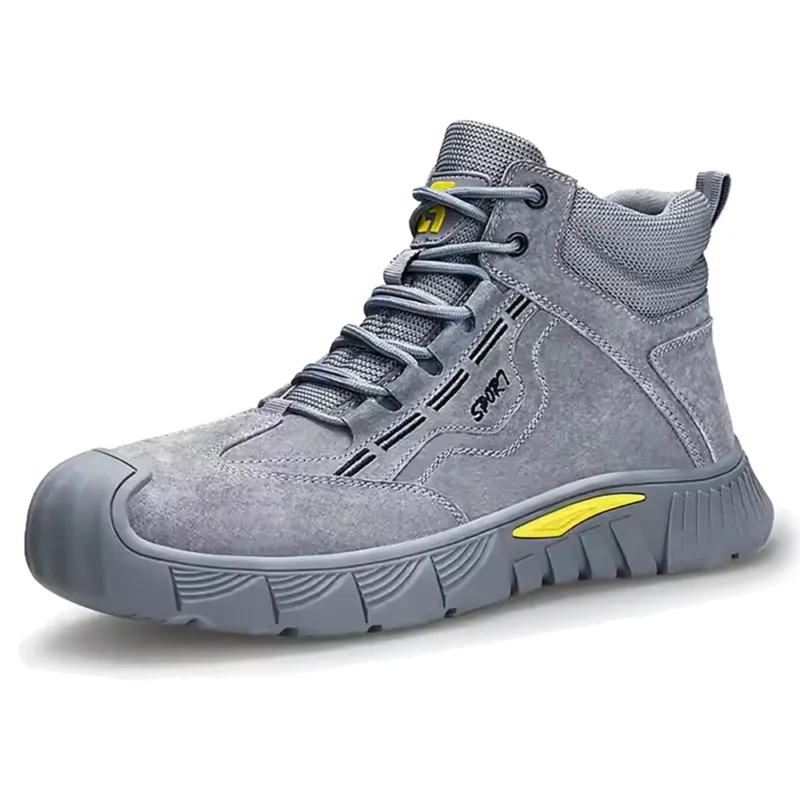
When your workday involves heavy machinery, falling objects, and unforgiving terrain, the Birks Defender Kevlar Steel Toe Safety Work Boots stand ready to protect you through it all. These boots deliver the exceptional durability, reliable protection, and all-day comfort you need to tackle any challenge and get the job done right, every single time.
The problem intensifies with certain boot materials. Synthetic linings retain moisture longer than natural materials. Poor ventilation compounds the issue. Heavy-duty work boots often prioritize protection over breathability. This design choice creates an ideal environment for odor-causing bacteria.
Immediate Solutions for Smelly Boots
Daily Drying Techniques
Remove your boots immediately after work. Pull out the insoles and laces. This action allows air to circulate through the entire boot interior. Place boots in a well-ventilated area away from direct heat sources.
Boot dryers offer the most effective solution. These devices circulate warm air through your boots. They eliminate moisture in 2-4 hours. Standard models cost between $30-60. The investment pays off within months through extended boot life.
Alternative drying methods include:
- Stuffing boots with newspaper (change paper every 2 hours)
- Using cedar shoe trees to absorb moisture and add fresh scent
- Positioning boots near fans or dehumidifiers
- Placing silica gel packets inside each boot overnight
Emergency Odor Neutralization
You need your boots tomorrow but they smell terrible. Baking soda provides immediate relief. Pour 2-3 tablespoons inside each boot. Let the powder sit overnight. Shake out the excess before wearing.
Activated charcoal works faster than baking soda. Purchase small bamboo charcoal bags designed for shoes. Place one bag in each boot. These bags absorb odors within 4-6 hours. You can reuse them for months by placing them in sunlight monthly.
Freezing kills odor-causing bacteria. Place boots in large plastic bags. Put them in your freezer overnight. The cold temperature eliminates most bacteria. Let boots return to room temperature before wearing.
Preventive Measures That Stop Odors Before They Start
Sock Selection and Rotation
Your sock choice directly impacts boot odor. Cotton socks retain moisture. This retention creates breeding grounds for bacteria. Switch to moisture-wicking synthetic blends or merino wool socks.
Merino wool offers superior performance. It pulls moisture away from skin. The material naturally resists bacterial growth. Wool socks cost more initially but last longer than cotton alternatives.
Implement a sock rotation system:
- Wear fresh socks daily
- Change socks during long shifts if feet sweat heavily
- Wash socks in hot water (140°F minimum)
- Replace worn socks every 3-4 months
Foot Hygiene Practices
Clean feet produce less odor. Wash feet thoroughly with antibacterial soap each morning and evening. Pay special attention to areas between toes. Dry feet completely before putting on socks.
Foot powder creates a protective barrier. Apply cornstarch-based powder to feet before wearing socks. The powder absorbs excess moisture throughout your workday. Reapply powder at lunch during hot weather or physically demanding shifts.
Antiperspirant works on feet just like underarms. Apply roll-on antiperspirant to the bottom of feet before bed. The aluminum compounds reduce sweat production. This method decreases moisture by up to 40%.
Boot Rotation Strategy
Never wear the same boots two days in a row. Boots need 24-48 hours to dry completely between uses. Moisture from a single day of wear penetrates deep into boot materials.
Own at least two pairs of work boots. Alternate pairs daily. This rotation extends boot lifespan by 60-80%. The cost of a second pair pays for itself through reduced replacement frequency.
Mark each pair with colored laces or tags. Track which pair you wore last. This simple system prevents accidental consecutive wear.
Deep Cleaning Methods for Work Boots
Removable Insole Treatment
Remove insoles after each use. Wash them weekly in warm, soapy water. Use a soft brush to scrub both surfaces. Rinse thoroughly and air dry for 24 hours.
Antibacterial sprays eliminate existing bacteria colonies. Spray insoles after washing. Popular options include Lysol, tea tree oil solutions, or specialized athletic shoe sprays. Let insoles dry completely before reinserting.
Replace insoles every 3-6 months. Worn insoles compress and lose effectiveness. Aftermarket insoles often provide better moisture management than factory versions. Look for insoles with antimicrobial treatments and moisture-wicking top layers.
Boot Interior Cleaning
Fill a spray bottle with equal parts water and white vinegar. Spray the solution inside boots. The vinegar kills bacteria and neutralizes odors. Let boots dry completely before wearing.
For severe odor problems:
- Remove laces and insoles
- Mix 2 cups warm water with 1 cup vinegar and 1 tablespoon dish soap
- Scrub interior with a stiff brush dipped in solution
- Rinse with clean water on a damp cloth
- Stuff with newspaper
- Dry for 48 hours minimum
Leather boots require special care. Use saddle soap or leather cleaner on interiors. Follow product instructions carefully. Apply leather conditioner after cleaning prevents drying and cracking.
UV Light Sanitization
Ultraviolet light destroys bacteria DNA. UV sanitizers designed for shoes eliminate 99.9% of odor-causing organisms. Place sanitizer units inside boots for 15-45 minutes.
These devices cost $40-100. They work on all boot types without chemicals or moisture. The technology proves particularly effective for boots that cannot be washed.
When your workday involves heavy machinery, falling objects, and unforgiving terrain, the Birks Defender Kevlar Steel Toe Safety Work Boots stand ready to protect you through it all. These boots deliver the exceptional durability, reliable protection, and all-day comfort you need to tackle any challenge and get the job done right, every single time.
Product Comparisons for Odor Control
| Product Type | Effectiveness | Cost | Reusability | Best For |
|---|---|---|---|---|
| Baking Soda | 70% | $3 | Single use | Daily maintenance |
| Activated Charcoal Bags | 85% | $15 | 2+ years | Overnight treatment |
| Boot Dryers | 95% | $30-60 | Indefinite | Daily use |
| UV Sanitizers | 90% | $40-100 | Indefinite | All boot types |
| Odor-Eliminating Sprays | 75% | $8-15 | 30-60 uses | Quick fixes |
| Cedar Inserts | 65% | $20 | 5+ years | Light odor prevention |
Material-Specific Care Guidelines
Leather Work Boots
Leather breathes better than synthetic materials. This natural property reduces odor buildup. However, leather requires regular conditioning. Dry leather cracks and traps bacteria in crevices.
Apply leather conditioner monthly. This treatment maintains material flexibility. It also creates a barrier against moisture absorption. Use products specifically formulated for work boots rather than dress shoe conditioners.
Synthetic and Composite Boots
Synthetic materials dry faster than leather. They also require less maintenance. However, these materials provide less natural odor resistance.
Wash synthetic boots more frequently. Most synthetic boots tolerate water exposure better than leather. Use mild detergent and warm water. Avoid hot water which can damage glue bonds.
Apply antimicrobial spray to synthetic interiors weekly. These sprays compensate for the lack of natural antibacterial properties found in leather.
Rubber and Waterproof Boots
Waterproof boots trap moisture inside. This sealed environment accelerates bacterial growth. These boots require the most aggressive odor prevention.
Remove waterproof boots during breaks whenever possible. This practice allows some moisture to escape. Use boot dryers after every shift. Consider replacing insoles in waterproof boots monthly rather than quarterly.
Long-Term Strategies
Climate Control Solutions
Store boots in climate-controlled spaces. Excessive humidity encourages mold growth. Ideal storage conditions maintain 40-50% humidity at 60-75°F.
Use a small dehumidifier in your boot storage area. These units cost $30-50 and protect multiple pairs of boots. Empty the water collection daily.
Insole Upgrade Options
Standard insoles provide minimal odor protection. Aftermarket options offer significant improvements. Look for these features:
- Copper-infused materials that kill bacteria naturally
- Perforated designs that increase airflow
- Antimicrobial treatments that last 6+ months
- Moisture-wicking top layers
- Activated carbon layers that absorb odors
Quality insoles cost $20-40 per pair. Replace them every 3-4 months for optimal performance.
Professional Remediation
Some boots develop persistent odors despite preventive measures. Professional boot cleaning services use industrial ozone generators. These machines eliminate deep-seated bacteria that home methods miss.
Services cost $20-40 per pair. Seek professional cleaning once yearly for expensive work boots. This maintenance extends boot life and maintains comfort.
Selection Guide for New Boots
Consider odor resistance when purchasing work boots. These factors indicate better odor control:
- Full-grain leather construction over synthetic materials
- Moisture-wicking linings
- Removable insoles for easy cleaning
- Mesh panels or ventilation ports
- Antimicrobial treatments on interior materials
- Breathable waterproof membranes like Gore-Tex
Read customer reviews specifically mentioning odor issues. Multiple complaints about smell indicate poor ventilation design. Invest in boots with proven odor resistance even if initial cost runs higher.
Summary
Work boot odor stems from bacterial growth in moist environments. Prevention requires daily attention. Remove boots immediately after work. Use boot dryers or stuff with newspaper. Implement a two-boot rotation system. Wear moisture-wicking socks and practice good foot hygiene.
Address existing odors with baking soda, activated charcoal, or vinegar solutions. Clean removable insoles weekly. Replace insoles every 3-6 months. Consider UV sanitizers for persistent problems.
Choose boots with breathable materials and antimicrobial treatments. Store boots in climate-controlled spaces. Follow material-specific care instructions. These combined strategies eliminate work boot odor and extend boot lifespan significantly.
When your workday involves heavy machinery, falling objects, and unforgiving terrain, the Birks Defender Kevlar Steel Toe Safety Work Boots stand ready to protect you through it all. These boots deliver the exceptional durability, reliable protection, and all-day comfort you need to tackle any challenge and get the job done right, every single time.
