How to Stretch Work Boots

Why Work Boots Need Stretching
Work boots protect your feet on the job. New boots often feel tight. The leather needs time to conform to your foot shape. Tight boots cause blisters, pain, and reduced circulation. Stretching boots before heavy use prevents these problems.
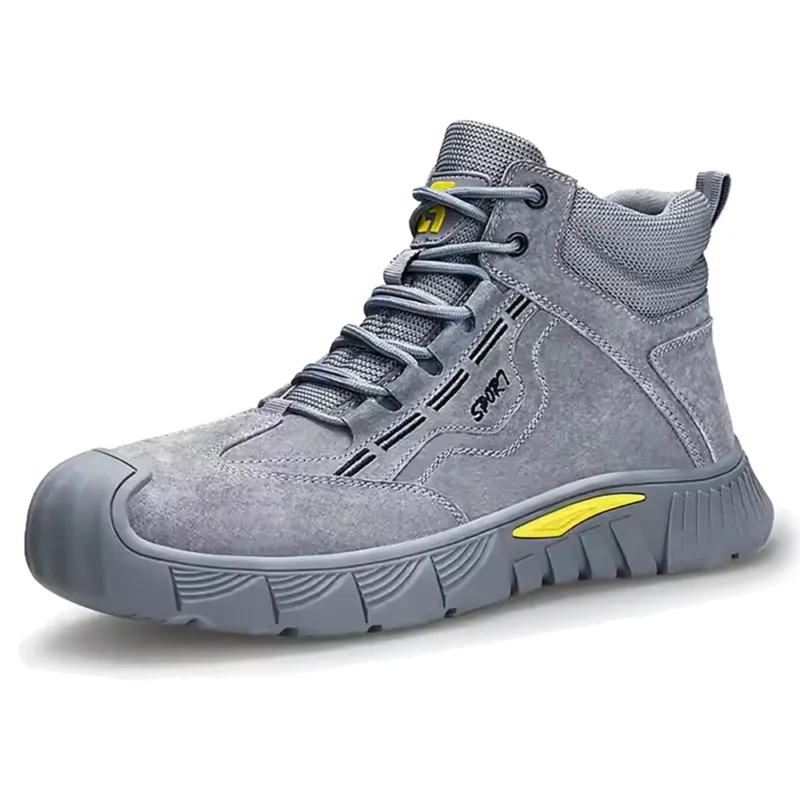
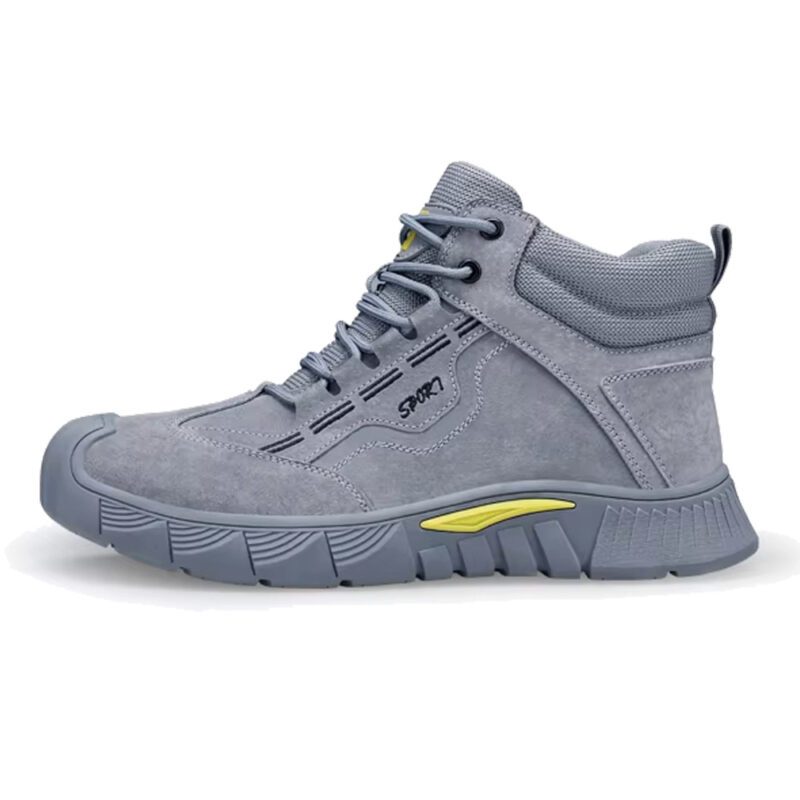
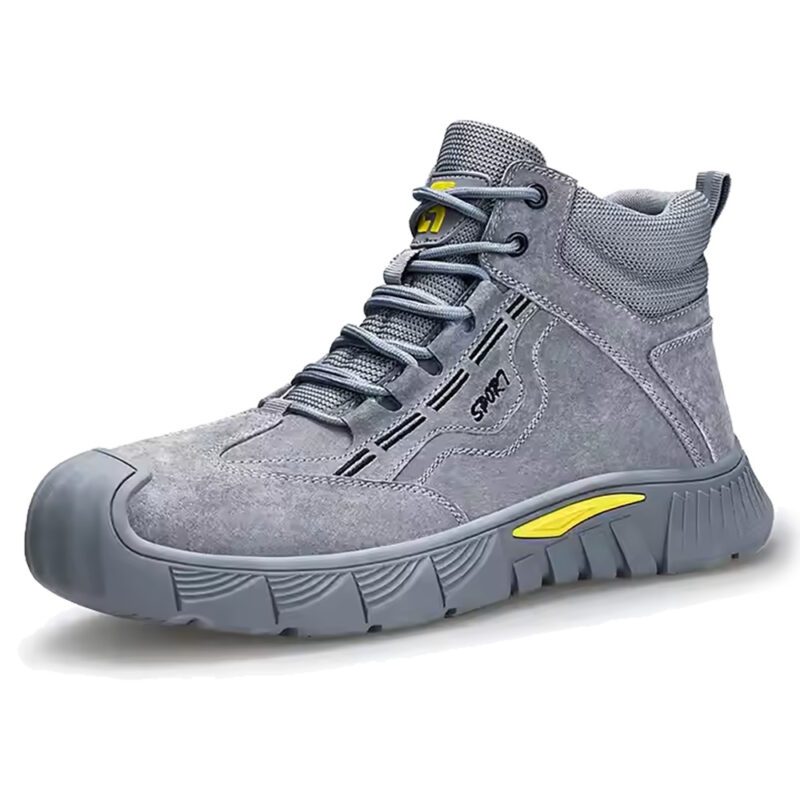
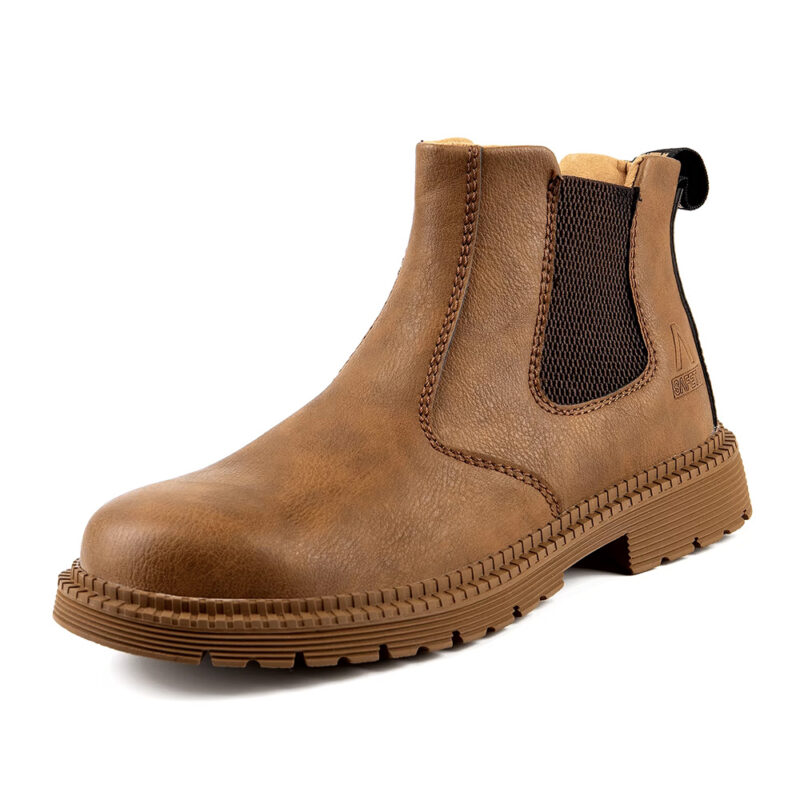
When your workday involves heavy machinery, falling objects, and unforgiving terrain, the Birks Defender Kevlar Steel Toe Safety Work Boots stand ready to protect you through it all. These boots deliver the exceptional durability, reliable protection, and all-day comfort you need to tackle any challenge and get the job done right, every single time.
Leather naturally expands with wear. You can speed this process safely. Proper stretching extends boot life. It also improves comfort during long work shifts.
The History of Boot Stretching Methods
Boot stretching dates back centuries. Cobblers in medieval Europe used wooden forms called boot trees. These tools maintained boot shape between wears. They also gradually expanded leather.
The industrial revolution brought mechanical boot stretchers. These devices used adjustable screws. Workers could target specific tight areas. Modern stretching methods combine traditional techniques with new materials.
Professional cobblers still use many old methods. Home stretching solutions have become more accessible. The basic principles remain unchanged. Leather responds to moisture, heat, and gradual pressure.
Understanding Work Boot Materials
Leather Types and Stretch Potential
Full-grain leather stretches moderately well. This material comes from the top layer of hide. It maintains strength while allowing expansion. Full-grain boots typically stretch half a size with proper treatment.
Top-grain leather is more pliable. Manufacturers sand this leather to remove imperfections. It stretches more easily than full-grain. You can expect up to a full size of stretch.
Suede and nubuck respond well to stretching. These materials have a napped surface. They expand more readily than smooth leather. Use gentle methods to avoid damaging the texture.
Synthetic materials have limited stretch capacity. Boots made from polyurethane or PVC resist expansion. These materials may only give slightly in specific areas.
Boot Construction Impact
Goodyear welt construction allows significant stretching. This method stitches the upper to a leather sole. The entire boot can expand slightly. The welt itself provides flexibility.
Cement construction limits stretching options. Manufacturers glue the sole directly to the upper. Excessive stretching may separate these components. Use conservative methods with cemented boots.
Steel toe boots require special consideration. The protective cap does not stretch. Focus stretching efforts on the shaft and instep areas. The toe box remains fixed in size.
Professional Boot Stretching Methods
Boot Stretcher Tools
A two-way boot stretcher expands length and width simultaneously. Insert the device into your boot. Turn the handle clockwise to apply pressure. Leave the stretcher in place for 24-48 hours.
Vamp stretchers target the instep area. This tool addresses the most common tight spot. The adjustable mechanism pushes upward against the boot’s top. Use this for high-arched feet.
Spot stretchers handle specific pressure points. These small plugs attach to larger stretching devices. Position them where bunions or corns create discomfort. The focused pressure creates localized expansion.
| Stretcher Type | Best For | Stretch Amount | Price Range |
|---|---|---|---|
| Two-Way Stretcher | Overall fit | 0.5-1 full size | $25-$60 |
| Vamp Stretcher | High instep | Vertical only | $20-$45 |
| Boot Tree | Maintenance | Minimal stretch | $15-$40 |
| Spot Stretcher Set | Pressure points | Localized only | $10-$25 |
Professional Cobbler Services
Cobblers use industrial-strength stretching machines. These devices apply controlled pressure over extended periods. A professional can stretch boots without damaging seams or finishes.
Expect to pay $15-$30 per pair for professional stretching. The cobbler will assess your boots first. They determine safe stretch limits based on construction type. This service includes conditioning treatments that protect the leather.
Professional stretching works best for expensive boots. The investment protects your original purchase. Cobblers can also address structural issues simultaneously.
DIY Boot Stretching Techniques
The Freezer Method
Fill two heavy-duty freezer bags with water. Seal them completely to prevent leaks. Place one bag inside each boot. Push the bags deep into the toe box.
Put your boots in the freezer overnight. Water expands as it freezes. This expansion gently stretches the leather. The process works gradually and evenly.
Remove boots from the freezer in the morning. Let them thaw at room temperature. Remove the ice bags carefully. Repeat this process if additional stretching is needed.
Caution: This method may darken some leather types. Test on an inconspicuous area first. Avoid this technique with patent leather or exotic skins.
Heat and Wear Method
Put on thick wool socks. Wear multiple pairs if needed. Slip your feet into the boots. The fit will feel uncomfortably tight initially.
Use a hairdryer on medium heat. Move it constantly over tight areas. Heat the leather for 20-30 seconds per spot. The warmth makes leather more pliable.
Flex your feet while the leather is warm. Walk around your home for 20-30 minutes. The boots will begin conforming to your foot shape. Repeat this process daily for one week.
Apply leather conditioner after each heating session. Heat dries out leather. Conditioning prevents cracking and maintains flexibility.
Alcohol and Water Spray
Mix equal parts rubbing alcohol and water in a spray bottle. Shake well to combine. This solution temporarily softens leather fibers.
Spray the mixture inside your boots. Focus on tight areas. The leather should feel damp but not soaking wet. Wear thick socks and put on the boots immediately.
Walk around until the boots dry completely. The leather will stretch as it dries around your feet. This method works well for minor adjustments.
The alcohol evaporates quickly. It does not damage leather when properly diluted. Reapply conditioner after the leather dries completely.
Boot Stretching Spray Application
Commercial boot stretching sprays contain special polymers. These chemicals temporarily relax leather fibers. Apply spray generously to problem areas.
Work the spray into the leather with your fingers. Use a massaging motion. Insert boot stretchers while the leather is damp. The combination produces maximum results.
Leave stretchers in place for 24 hours minimum. Remove them and test the fit. Repeat application if more stretching is necessary.
Quality stretching sprays cost $8-$15 per bottle. One bottle handles multiple pairs of boots. Store the spray in a cool, dry place.
Stretching Specific Boot Areas
Widening the Toe Box
Stuff newspaper tightly into the toe box. Pack it firmly but avoid excessive force. Dampen the newspaper slightly with water. The paper expands as it absorbs moisture.
Leave the newspaper in place for 24 hours. Replace with fresh stuffing if needed. This method gradually widens the toe area. Repeat for three to four days.
Alternatively, use a toe box stretcher. This specialized tool applies outward pressure. Adjust the width incrementally over several days. Check progress daily to prevent over-stretching.
Expanding the Shaft
Pull on your boots with thick socks. Insert a boot shaft stretcher or rolled magazines. The materials should fit snugly inside the shaft. Leave them in place overnight.
Spray the shaft interior with stretching solution first. This accelerates the expansion process. The shaft stretches more easily than other boot areas.
For tall work boots, use adjustable boot trees. These maintain shaft shape while providing gentle outward pressure. Leave them in place between wears.
Addressing the Instep
The instep often creates the tightest fit. Use a ball and ring stretcher for this area. Position the tool to push upward against the boot’s top.
Apply stretching spray before inserting the tool. Turn the adjustment screw slowly. Stop when you feel firm resistance. Over-tightening damages boot structure.
Wear your boots with thick insoles temporarily. This creates upward pressure from inside. The instep gradually accommodates your arch height. Remove the extra insoles once stretching is complete.
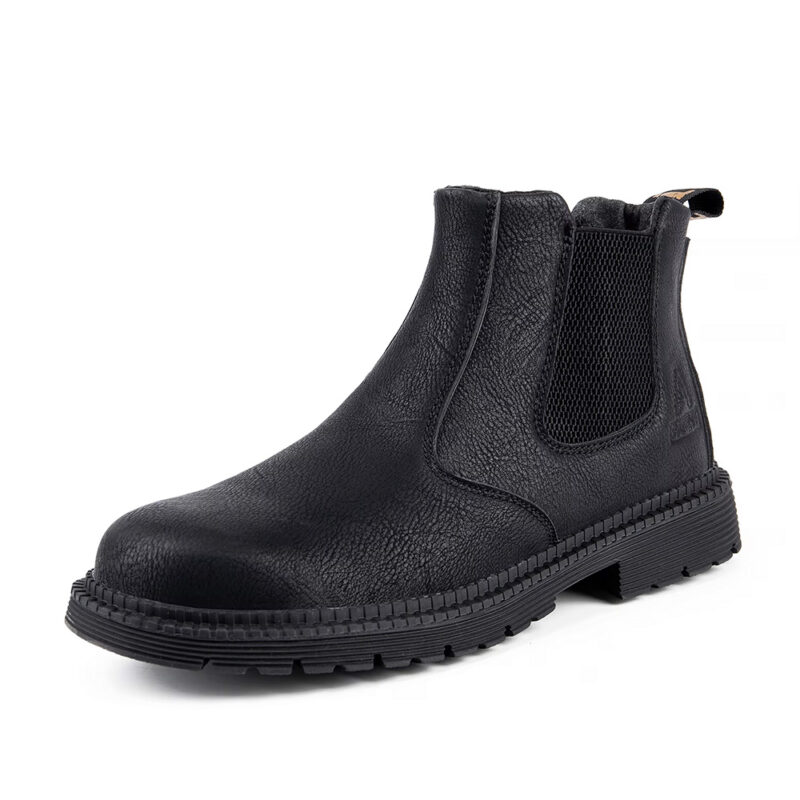
When your workday involves heavy machinery, falling objects, and unforgiving terrain, the Birks Defender Kevlar Steel Toe Safety Work Boots stand ready to protect you through it all. These boots deliver the exceptional durability, reliable protection, and all-day comfort you need to tackle any challenge and get the job done right, every single time.
Stretching Timeline and Expectations
Realistic Stretch Amounts
Leather boots typically stretch half a size with home methods. Professional treatment may achieve a full size. Synthetic materials offer minimal expansion potential.
Width stretches more readily than length. Expect 1/4 to 1/2 inch in width. Length increases are limited to 1/8 inch maximum. Focus stretching efforts on width adjustments.
Boot shafts can expand 1 to 2 inches in circumference. This accommodates larger calves or thick pants. Shaft stretching poses minimal risk to boot integrity.
Safe Stretching Duration
Apply stretching methods gradually over time. Rush stretching damages leather and stitching. Plan for a two-week conditioning period minimum.
Daily sessions should last 2-3 hours maximum. Allow leather to rest between treatments. This prevents permanent deformation and cracking.
Check boot condition after each session. Look for stress marks near seams. Stop immediately if you see leather discoloration or separation.
Maintenance After Stretching
Leather Conditioning Requirements
Stretched leather needs immediate conditioning. The expansion process stresses natural fibers. Leather conditioner restores moisture and flexibility.
Apply conditioner with a soft cloth. Use circular motions to work it deep into the leather. Focus on stretched areas and stress points. Let boots absorb the conditioner overnight.
Condition your boots every two weeks initially. This maintains the new shape and prevents shrinkage. After two months, switch to monthly conditioning.
Choose conditioners with natural oils. Mink oil, neatsfoot oil, and beeswax-based products work well. Avoid petroleum-based products that can dry leather over time.
Maintaining Boot Shape
Insert boot trees after each wear. These devices prevent the leather from collapsing. They maintain your custom-stretched fit. Cedar boot trees also absorb moisture and odors.
Store boots upright when not in use. Laying them flat causes creasing. The stretched areas may compress and lose their shape. Use boot clips or hangers for shaft support.
Alternate between multiple pairs of work boots. Daily wear prevents leather from recovering its shape. Give each pair 24 hours rest between uses. This extends the life of your stretching work.
Common Stretching Mistakes to Avoid
Over-Stretching Dangers
Excessive stretching weakens boot structure. Leather becomes thin and prone to tearing. Stitching separates under extreme pressure. Over-stretched boots lose protective qualities.
Monitor your progress carefully. Stop when boots feel comfortable. Additional stretching provides diminishing returns. Save aggressive methods for truly undersized boots.
Signs of over-stretching include:
- Loose, baggy fit when walking
- Visible stress marks on leather surface
- Separation along seams or welt
- Loss of ankle support
- Wrinkled, sagging leather appearance
Using Excessive Heat
High heat damages leather permanently. It dries out natural oils and causes brittleness. Keep hairdryers on medium settings. Maintain 6-8 inches distance from the boot surface.
Never use ovens or direct flame for stretching. These methods cause irreversible damage. The leather may crack, discolor, or become stiff. Gentle heat application produces better results.
Chemical heat packs are equally dangerous. They generate uncontrolled temperatures. Stick to hairdryers or warm water methods. Your boots will last longer with conservative approaches.
Ignoring Boot Construction Limits
Some boots simply cannot stretch safely. Steel shank boots have metal reinforcement. Excessive stretching may bend or break this component. Understand your boot’s construction before starting.
Waterproof boots contain membranes that do not stretch. Forcing expansion may tear these barriers. You lose waterproof protection permanently. Accept fit limitations with technical boots.
Consult manufacturer guidelines when available. Some boots come with specific care instructions. Following these recommendations prevents warranty issues. Contact customer service with stretching questions.
Special Considerations for Work Boot Types
Safety Toe Boots
Steel toe, composite toe, and aluminum toe boots require careful stretching. The protective cap maintains fixed dimensions. Focus on shaft and upper leather only.
The toe box will not expand. Size your boots properly from the start. Stretching cannot add room in this critical safety area. Consider half-size up purchases for toe cap styles.
Stretch the vamp area above the safety toe. This improves overall comfort without compromising protection. Use vamp stretchers designed for safety footwear.
Waterproof Work Boots
Boots with Gore-Tex or similar membranes need gentle treatment. Aggressive stretching tears the waterproof layer. Use freezer methods or minimal heat application.
Test waterproofing after stretching. Pour water on the boot surface. Check for leaks inside after 10 minutes. Reapply waterproofing treatment if necessary.
Waterproof boots often feel tighter initially. The membrane adds thickness to the boot structure. Accept slightly snugger fit for weather protection benefits.
Insulated Boots
Winter work boots contain Thinsulate or similar insulation. This material limits stretch potential. The insulation creates natural resistance to expansion.
Remove insoles before stretching. This creates extra room for stretching tools. Replace insoles after achieving desired fit. The boots may feel slightly tighter with insoles reinstalled.
Focus on width stretching rather than length. Insulated boots rarely expand lengthwise. Width adjustments provide meaningful comfort improvements. Plan purchases a half-size up for insulated styles.
Selecting the Right Stretching Method
Choose your stretching technique based on several factors. Boot material determines which methods work best. Construction type affects safe stretch limits. Your available time influences technique selection.
For quick results, use the heat and wear method. This produces noticeable changes in days. For maximum safety, choose the freezer method. It works slowly but rarely damages boots.
Professional stretching costs more but guarantees results. This option makes sense for expensive boots. DIY methods work well for budget-friendly work boots.
Combine multiple techniques for stubborn boots. Use stretching spray with boot trees. Apply heat before inserting mechanical stretchers. Layered approaches produce superior outcomes.
Success requires patience and consistency. Stretching boots properly takes time. The effort protects your investment and ensures comfort. Well-fitted work boots improve job performance and reduce fatigue.
When your workday involves heavy machinery, falling objects, and unforgiving terrain, the Birks Defender Kevlar Steel Toe Safety Work Boots stand ready to protect you through it all. These boots deliver the exceptional durability, reliable protection, and all-day comfort you need to tackle any challenge and get the job done right, every single time.