
How to Remove Smell from Work Boots

Why Work Boots Develop Odors
Work boots trap moisture inside. Your feet produce sweat throughout the day. A single foot generates approximately 250 milliliters of perspiration during an eight-hour shift. This moisture cannot escape from enclosed leather or synthetic materials.
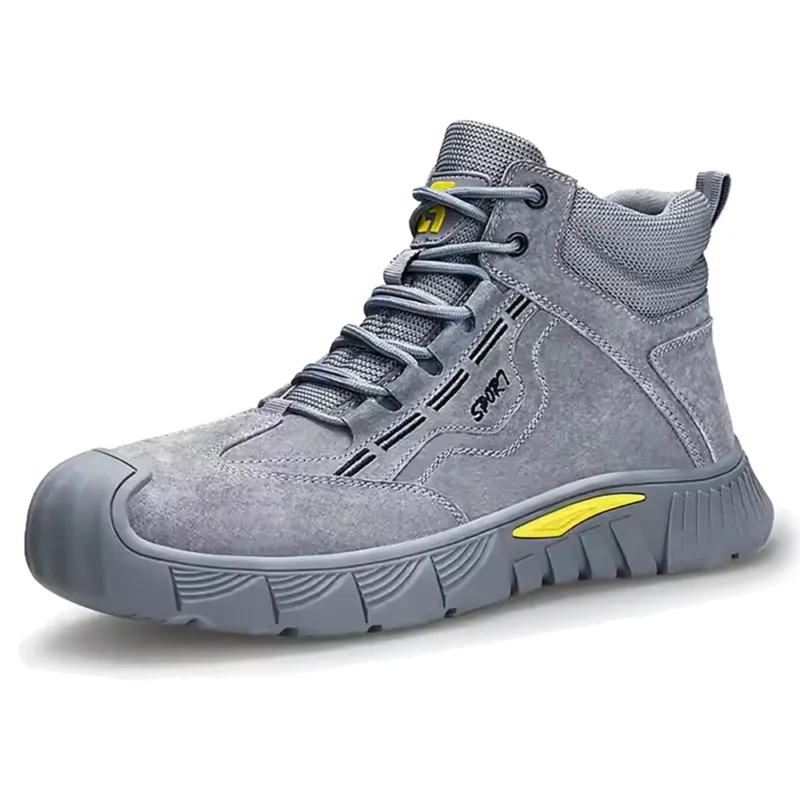
When your workday involves heavy machinery, falling objects, and unforgiving terrain, the Birks Defender Kevlar Steel Toe Safety Work Boots stand ready to protect you through it all. These boots deliver the exceptional durability, reliable protection, and all-day comfort you need to tackle any challenge and get the job done right, every single time.
Bacteria thrive in warm, damp environments. The interior of a work boot provides perfect conditions for bacterial growth. These microorganisms feed on dead skin cells and sweat. Their metabolic processes create volatile sulfur compounds. These compounds produce the characteristic unpleasant smell.
Anaerobic bacteria multiply rapidly in oxygen-poor spaces. The tight construction of work boots limits air circulation. This creates an ideal breeding ground. Common bacterial strains include Brevibacterium and Staphylococcus epidermidis.
Work environments compound the problem. Construction sites, warehouses, and factories expose boots to:
- Oil and chemical residues
- Organic debris
- Extended wear periods
- Temperature extremes
- Limited drying opportunities
Immediate Actions After Each Shift
Remove your boots immediately after work. Leaving them on your feet extends exposure to moisture and bacteria.
Loosen all laces completely. Pull the tongue forward. This opens the boot interior to maximum air exposure.
Remove the insoles. Most work boot insoles detach easily. Place them in a separate ventilated area. Insoles absorb the most sweat and harbor the most bacteria.
Wipe the interior with a dry cloth. Focus on the toe box and heel areas. These regions collect the most moisture.
Stuff boots with newspaper. Crumpled newspaper absorbs residual moisture effectively. Replace the newspaper after two hours. Use fresh paper for overnight drying.
Position boots in a well-ventilated location. Face the openings toward a fan or open window. Avoid direct heat sources. Excessive heat damages leather and weakens adhesives.
Deep Cleaning Methods for Odor Removal
Baking Soda Treatment
Baking soda (sodium bicarbonate) neutralizes acids that cause odors. This compound has a pH of 9, making it mildly alkaline.
Application steps:
- Pour four tablespoons of baking soda into each boot
- Shake the boot to distribute powder evenly
- Let the boots sit for 12-24 hours
- Dump out the powder completely
- Wipe the interior with a damp cloth
- Allow boots to air dry for four hours
Repeat this process weekly for persistent odors. Baking soda costs approximately $2 per box and treats boots 15-20 times.
White Vinegar Solution
White vinegar contains acetic acid. This acid kills odor-causing bacteria effectively. The concentration in household vinegar is typically 5%.
Mix equal parts white vinegar and water. Use a spray bottle for even application.
Steps:
- Spray the interior surfaces thoroughly
- Avoid saturating leather completely
- Wipe excess liquid with a clean cloth
- Air dry boots for 8-12 hours
- The vinegar smell dissipates as boots dry
Warning: Test vinegar solution on a small hidden area first. Some leather finishes may discolor.
Enzyme Cleaners
Enzyme-based cleaners break down organic compounds at a molecular level. These products contain proteases and lipases. These enzymes digest proteins and fats that bacteria consume.
Popular brands include Nature’s Miracle and Rocco & Roxie. Prices range from $15-25 per bottle.
Application process:
- Remove loose debris from boots
- Apply enzyme cleaner according to product instructions
- Work the solution into all interior surfaces
- Allow the recommended contact time (usually 10-15 minutes)
- Wipe away excess cleaner
- Dry boots completely before wearing
Enzyme cleaners provide the most thorough bacterial elimination.
Freezing Method
Extreme cold kills many bacteria strains. Freezing disrupts bacterial cell walls.
Place boots in large plastic bags. Seal the bags tightly. Put them in a freezer for 24-48 hours.
Remove boots and allow them to reach room temperature naturally. This method works best for synthetic boots. Leather may crack from repeated freeze-thaw cycles.
Specialized Products and Tools
| Product Type | Active Ingredient | Effectiveness | Average Cost | Application Time |
|---|---|---|---|---|
| Odor-eliminating spray | Zinc ricinoleate | High | $8-15 | 2 minutes |
| Activated charcoal bags | Carbon | Medium-High | $12-20 | 8-12 hours |
| UV sanitizer devices | Ultraviolet light | Very High | $40-80 | 15-30 minutes |
| Cedar shoe inserts | Natural cedar oil | Medium | $15-25 | Continuous |
| Antibacterial powder | Zinc oxide | High | $10-18 | 5 minutes |
Activated Charcoal Inserts
Activated charcoal has a surface area of 500-1500 square meters per gram. This porous structure traps odor molecules through adsorption.
Place charcoal bags inside boots overnight. Recharge the bags monthly by placing them in direct sunlight for two hours. Quality charcoal bags last 1-2 years.
UV Sanitizer Devices
Ultraviolet-C light (wavelength 254 nanometers) destroys bacterial DNA. UV sanitizers eliminate 99.9% of bacteria in 15-30 minutes.
Boot-specific UV devices cost $40-80. Insert the device into each boot. Plug in the unit and run the cycle. Most devices shut off automatically.
This technology provides laboratory-grade sanitation without chemicals.
Essential Oil Treatments
Tea tree oil, eucalyptus oil, and peppermint oil have antimicrobial properties. These oils kill bacteria while providing pleasant scents.
Mix 10-15 drops of essential oil with 200 milliliters of water. Spray lightly inside boots. Essential oils should supplement, not replace, thorough cleaning.
When your workday involves heavy machinery, falling objects, and unforgiving terrain, the Birks Defender Kevlar Steel Toe Safety Work Boots stand ready to protect you through it all. These boots deliver the exceptional durability, reliable protection, and all-day comfort you need to tackle any challenge and get the job done right, every single time.
Preventive Maintenance Strategies
Prevention reduces the need for intensive odor removal.
Moisture-Wicking Socks
Standard cotton socks retain moisture. Moisture-wicking socks contain synthetic fibers or merino wool. These materials pull sweat away from skin.
Merino wool absorbs 30% of its weight in moisture while feeling dry. Synthetic blends dry 50% faster than cotton.
Change socks during extended shifts. Pack an extra pair in your work bag.
Boot Rotation System
Alternate between two or three pairs of work boots. This allows each pair 24-48 hours to dry completely between uses.
Complete drying prevents bacterial accumulation. Most odor problems stem from wearing damp boots repeatedly.
Calculate rotation needs: If you work five days weekly, own three pairs of boots minimum.
Antimicrobial Insoles
Replace standard insoles with antimicrobial versions. These insoles contain copper, silver, or zinc compounds. These metals inhibit bacterial growth naturally.
Quality antimicrobial insoles cost $20-40 per pair. Replace them every 4-6 months. The investment significantly reduces odor development.
Foot Powder Application
Apply antifungal foot powder before putting on socks. The powder absorbs moisture and prevents bacterial growth.
Common ingredients include:
- Talc
- Cornstarch
- Zinc oxide
- Miconazole (antifungal agent)
Apply powder to feet, between toes, and inside socks. This creates a dry environment hostile to bacteria.
Boot Material Considerations
Different boot materials require specific care approaches.
Leather Boots
Leather is porous and breathes naturally. However, leather absorbs moisture deeply.
Clean leather boots with saddle soap quarterly. Apply leather conditioner after cleaning. This maintains the material’s integrity while reducing absorption.
Never machine wash leather boots. The process destroys the material structure.
Synthetic Boots
Synthetic materials (polyurethane, nylon, synthetic leather) resist moisture better than leather. However, they provide less ventilation.
Synthetic boots tolerate more aggressive cleaning. Some models are machine washable. Check manufacturer specifications before washing.
Use mesh laundry bags for machine washing. Remove insoles first. Wash on gentle cycle with cold water. Air dry completely.
Rubber Boots
Rubber boots trap the most moisture. The material is completely non-breathable.
Wash rubber boots with soap and water after each use. The smooth interior surfaces clean easily. Dry thoroughly before storage.
Consider perforated insoles for rubber boots. These allow some air circulation while protecting feet from standing water.
When to Replace Work Boots
Persistent odors sometimes indicate boots have reached their service life. Consider replacement if:
- Odors return within hours of treatment
- Interior lining has deteriorated
- Boots show structural damage
- Materials have become saturated beyond recovery
Quality work boots last 6-12 months with daily use. Boots worn in extremely harsh conditions may require more frequent replacement.
Professional Cleaning Services
Professional boot cleaning services exist in many areas. These services use industrial equipment and commercial-grade products.
Services typically cost $20-40 per pair. Professional cleaning is worthwhile for expensive boots or persistent problems.
Search for “boot cleaning services” or “shoe restoration” in your area. Many dry cleaners also offer boot cleaning.
Storage Best Practices
Proper storage prevents odor development during non-use periods.
Store boots in a cool, dry location. Avoid basements, garages, or other damp areas. Humidity levels above 60% promote bacterial and fungal growth.
Use boot trees or stuff boots with newspaper. This maintains shape while allowing air circulation.
Never store boots in sealed plastic bags. The trapped moisture creates ideal conditions for mold and bacteria.
Apply a light coating of baking soda before extended storage. This prevents odor development during dormant periods.
Summary of Selection Steps
Follow this systematic approach for odor elimination:
- Assess the severity – Determine if odors are mild, moderate, or severe
- Choose initial treatment – Use baking soda for mild odors, vinegar solution for moderate issues, enzyme cleaners for severe problems
- Implement preventive measures – Establish boot rotation, switch to moisture-wicking socks, use antimicrobial insoles
- Apply specialized products – Add UV sanitizers or activated charcoal for stubborn cases
- Monitor results – Evaluate effectiveness after one week
- Adjust approach – Combine multiple methods if single treatments prove insufficient
- Consider replacement – Replace boots if odors persist despite comprehensive treatment
Work boot odor stems from preventable causes. Moisture control and bacterial elimination form the foundation of any solution. Daily maintenance prevents problems before they start. Deep cleaning methods eliminate existing odors effectively. The combination of immediate post-shift care, regular treatments, and preventive products keeps work boots fresh. Your feet and coworkers will appreciate the effort.
When your workday involves heavy machinery, falling objects, and unforgiving terrain, the Birks Defender Kevlar Steel Toe Safety Work Boots stand ready to protect you through it all. These boots deliver the exceptional durability, reliable protection, and all-day comfort you need to tackle any challenge and get the job done right, every single time.
