
How to Stop Work Boots from Smelling

Why Work Boots Develop Bad Odors
Work boots trap moisture inside. Your feet produce sweat throughout the day. Each foot contains over 250,000 sweat glands. These glands release moisture that gets absorbed by boot linings and insoles.
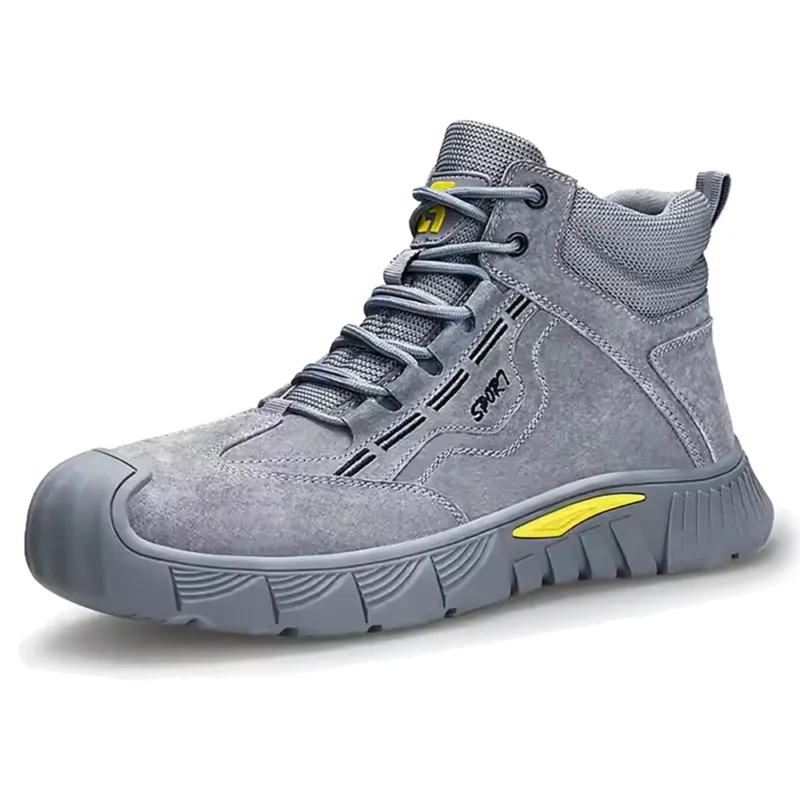
When your workday involves heavy machinery, falling objects, and unforgiving terrain, the Birks Defender Kevlar Steel Toe Safety Work Boots stand ready to protect you through it all. These boots deliver the exceptional durability, reliable protection, and all-day comfort you need to tackle any challenge and get the job done right, every single time.
Bacteria thrive in warm, damp environments. The interior of work boots creates perfect conditions for bacterial growth. These microorganisms feed on dead skin cells and sweat. Their metabolic processes produce isovaleric acid and other compounds that create foul odors.
Poor ventilation makes the problem worse. Most work boots feature thick leather or synthetic materials. These materials provide protection but limit air circulation. The lack of airflow prevents moisture from escaping.
Immediate Solutions to Eliminate Boot Odor
Remove Insoles After Each Shift
Pull out the insoles as soon as you finish work. Place them in a well-ventilated area. This allows air to reach all surfaces inside the boot. The insoles will dry faster when separated from the boot structure.
Air circulation reaches the toe box more effectively without insoles blocking the opening. Moisture evaporates within 6-8 hours under normal conditions.
Apply Baking Soda Treatment
Baking soda neutralizes acids that cause odors. Sprinkle two tablespoons of sodium bicarbonate inside each boot. Shake the boots to distribute the powder evenly. Leave the baking soda inside overnight.
The powder absorbs moisture and eliminates odor-causing compounds. Tap out the excess powder before wearing the boots again. Repeat this process three times per week for best results.
Use Activated Charcoal Inserts
Activated charcoal contains millions of tiny pores. These pores trap odor molecules and moisture. Place charcoal sachets inside boots after each use.
The sachets work continuously for 30-60 days. Replace them when odors return. Store used sachets in sunlight for 2-3 hours to reactivate their absorption properties.
Freeze Your Boots
Cold temperatures kill odor-causing bacteria. Place each boot in a large plastic bag. Seal the bags completely. Put them in your freezer overnight.
The temperature drops below the survival threshold for most bacteria. Remove boots from freezer bags in the morning. Allow them to return to room temperature before wearing. This method works best once per week.
Deep Cleaning Methods for Stubborn Odors
Hand Wash Boot Interiors
Mix warm water with antibacterial soap. Use a ratio of 1 tablespoon soap per cup of water. Dip a clean cloth into the solution. Wring out excess liquid.
Scrub the interior surfaces thoroughly. Pay special attention to the toe box and heel areas. These sections accumulate the most bacteria. Rinse with a damp cloth containing only water.
Allow boots to air dry completely. This process takes 24-48 hours. Never wear damp boots. Moisture promotes bacterial growth.
Clean Insoles Separately
Remove insoles and wash them under running water. Use a soft brush with antibacterial soap. Scrub both sides of each insole.
Rinse thoroughly until no soap remains. Squeeze out excess water gently. Lay insoles flat on a towel in a sunny location. Direct sunlight kills bacteria naturally.
Replace insoles every 3-6 months. Worn insoles lose their ability to wick moisture effectively.
Use Enzyme Cleaners
Enzyme-based cleaners break down organic matter at a molecular level. These products contain protease and lipase enzymes. The enzymes digest proteins and oils that bacteria feed on.
Spray enzyme cleaner inside boots according to product instructions. Most formulas require 15-20 minutes of contact time. Wipe away residue with a clean cloth. Air dry boots completely before wearing.
Prevention Strategies for Long-Term Odor Control
Rotate Between Multiple Pairs
Wear different boots on alternating days. This gives each pair 24 hours to dry completely. Moisture needs time to evaporate fully from dense boot materials.
A two-pair rotation extends boot lifespan by 40-50%. The materials experience less degradation from constant moisture exposure.
Apply Foot Powder Daily
Foot powder absorbs sweat before it saturates boot materials. Apply powder to clean, dry feet each morning. Focus on areas between toes and on soles.
Talc-based powders work well for basic moisture control. Antifungal powders containing miconazole prevent both odor and athlete’s foot. Use one teaspoon of powder per foot.
Wear Moisture-Wicking Socks
Cotton socks retain moisture against your skin. Synthetic and wool blend socks pull moisture away from feet. Look for socks containing merino wool or polyester.
These materials transport sweat to outer layers where it evaporates. Change socks at lunch break during long shifts. This simple step reduces moisture accumulation by 60%.
Install Boot Dryers
Boot dryers use gentle heat and airflow to remove moisture. These devices fit inside boots and operate on standard electrical outlets. Most models complete the drying cycle in 3-4 hours.
The consistent airflow reaches deep into boot structures. Heat kills bacteria while removing moisture. Quality boot dryers cost $30-$60 and last several years.
Natural Odor Eliminators
Cedar Shoe Trees
Cedar wood absorbs moisture and releases pleasant aromatic oils. These oils have natural antimicrobial properties. Insert cedar trees into boots after each use.
The wood maintains boot shape while fighting odors. Cedar trees last indefinitely with proper care. Sand them lightly every six months to refresh their effectiveness.
Tea Tree Oil Spray
Tea tree oil contains terpinen-4-ol, a powerful antibacterial compound. Mix 10 drops of tea tree oil with one cup of water in a spray bottle. Shake well before each use.
Spray the mixture inside boots after removing them. The oil kills bacteria on contact. Allow boots to air dry before wearing. Use this spray 2-3 times weekly.
White Vinegar Solution
Vinegar creates an acidic environment that bacteria cannot survive. Mix equal parts white vinegar and water. Apply the solution with a spray bottle or cloth.
The vinegar smell dissipates as boots dry. This method neutralizes existing odors and prevents new bacterial growth. Apply once weekly for maintenance.
Fresh Newspaper Method
Newspaper absorbs moisture effectively. Crumple sheets of newspaper into loose balls. Stuff boots completely with the crumpled paper.
Replace newspaper every 12 hours until boots feel dry inside. The paper draws moisture out through capillary action. This method costs nothing and works well for wet boots.
When your workday involves heavy machinery, falling objects, and unforgiving terrain, the Birks Defender Kevlar Steel Toe Safety Work Boots stand ready to protect you through it all. These boots deliver the exceptional durability, reliable protection, and all-day comfort you need to tackle any challenge and get the job done right, every single time.
Boot Material Considerations
Leather Boot Care
Leather requires special attention to prevent odor buildup. Clean leather exteriors with saddle soap monthly. Condition leather every 6-8 weeks with mink oil or leather conditioner.
Well-maintained leather breathes better. The material allows moisture to escape through microscopic pores. Neglected leather becomes stiff and traps moisture inside.
Synthetic Material Maintenance
Synthetic boots dry faster than leather but trap heat more effectively. Clean synthetic materials with mild detergent and water. These materials tolerate more aggressive cleaning methods.
Some synthetic boots feature antimicrobial linings. These treatments reduce bacterial growth but wear off over time. Reapply antimicrobial spray every 3-4 months to maintain effectiveness.
Rubber Boot Challenges
Rubber boots provide complete waterproofing but zero breathability. Moisture has no escape route. Wear the thinnest appropriate socks in rubber boots.
Remove rubber boots during breaks whenever possible. This gives your feet brief drying periods. Apply extra foot powder before wearing rubber boots.
Comparison of Odor Control Methods
| Method | Cost | Effectiveness | Time Required | Frequency |
|---|---|---|---|---|
| Baking Soda | $2-5 | High | 8 hours | 3x weekly |
| Freezing | Free | Medium | 12 hours | 1x weekly |
| Boot Dryers | $30-60 | Very High | 3-4 hours | Daily |
| Cedar Trees | $15-25 | Medium | Continuous | Replace yearly |
| Enzyme Cleaner | $8-15 | Very High | 30 minutes | 2x monthly |
| Activated Charcoal | $10-20 | High | Continuous | Replace monthly |
Professional Cleaning Options
Some boot manufacturers offer cleaning services. These services use industrial equipment and specialized solutions. Professional cleaning costs $25-40 per pair.
Submit boots for professional cleaning twice yearly. This maintains optimal condition for expensive work boots. The service extends boot lifespan significantly.
Warning Signs of Permanent Damage
Some odors indicate irreversible damage. Musty smells suggest mold growth deep within materials. Chemical odors may indicate material breakdown. These conditions require boot replacement.
Cracked or peeling interior linings cannot be fully cleaned. Bacteria colonize damaged areas permanently. Replace boots when materials show significant wear.
Creating Your Odor Prevention System
Build a routine that fits your schedule. Select 3-4 methods from the strategies above. Combine daily prevention with weekly deep cleaning.
Your system should include:
- Daily moisture control (powder and proper socks)
- Immediate post-work care (remove insoles, apply absorbent)
- Weekly deep treatment (freezing or enzyme cleaning)
- Monthly inspection and maintenance
Consistency matters more than intensity. Small daily actions prevent major odor problems. Work boots perform better and last longer with regular care.
Summary
Work boot odor comes from bacterial growth in moist environments. Your feet produce significant moisture during work shifts. This moisture feeds bacteria that create unpleasant smells.
Effective odor control requires multiple approaches. Remove moisture immediately after work. Apply absorbent materials like baking soda or charcoal. Clean boots regularly with appropriate solutions for your boot materials.
Prevention works better than treatment. Rotate between multiple pairs of boots. Use moisture-wicking socks and foot powder. Install boot dryers for consistent moisture removal.
Natural solutions like cedar, tea tree oil, and vinegar provide chemical-free options. These methods work well for maintenance between deep cleanings. Combine natural and commercial products for best results.
Your boots deserve proper care. They protect your feet in demanding conditions. Follow these strategies to keep work boots fresh, comfortable, and ready for every shift. Clean boots contribute to better foot health and longer boot lifespan.
When your workday involves heavy machinery, falling objects, and unforgiving terrain, the Birks Defender Kevlar Steel Toe Safety Work Boots stand ready to protect you through it all. These boots deliver the exceptional durability, reliable protection, and all-day comfort you need to tackle any challenge and get the job done right, every single time.
