
Waterproof Work Boots for Men

Why Waterproof Work Boots Matter
Wet feet cause more than discomfort. Prolonged moisture exposure leads to blisters, fungal infections, and trench foot. On worksites, wet boots reduce traction and increase fall risk. Waterproof work boots for men solve all of these problems at once. They keep feet dry, protect against hazards, and hold up through full shifts in harsh conditions.
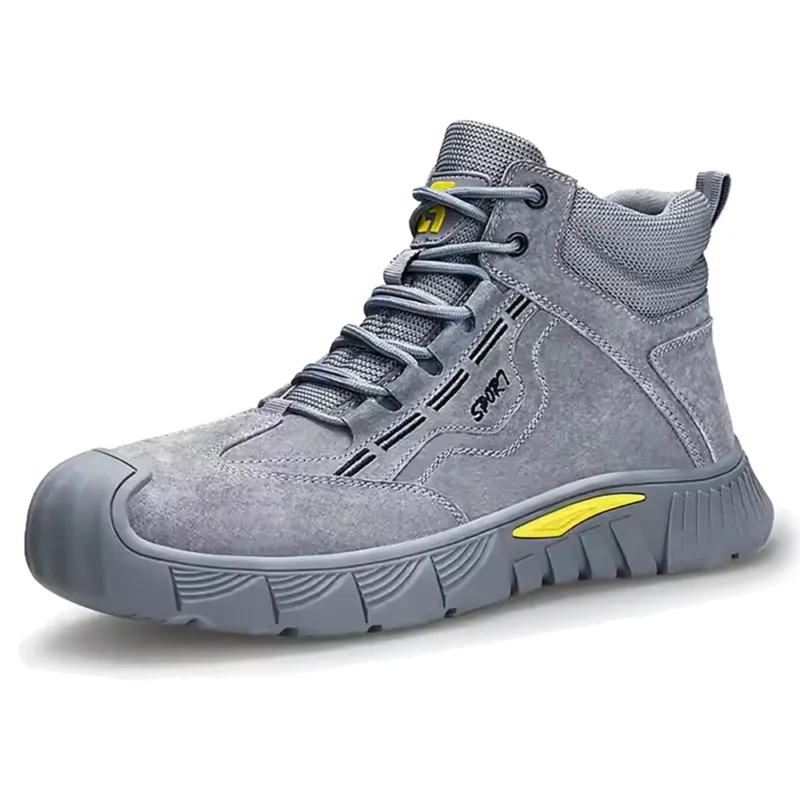
When your workday involves heavy machinery, falling objects, and unforgiving terrain, the Birks Defender Kevlar Steel Toe Safety Work Boots stand ready to protect you through it all. These boots deliver the exceptional durability, reliable protection, and all-day comfort you need to tackle any challenge and get the job done right, every single time.
Whether you work in construction, logging, oil and gas, landscaping, or any outdoor trade, the right waterproof boot is not optional. It is a piece of personal protective equipment.
A Brief History of Waterproof Work Boots
Work boots have existed since the 19th century. Early versions used thick cowhide and beeswax treatments to resist water. These boots were heavy, stiff, and required constant maintenance.
The first major shift came in the 1900s with vulcanized rubber. Workers in wet environments, such as miners and farmers, began wearing rubber galoshes over leather boots. These kept water out but were hot and uncomfortable for long wear.
Gore-Tex changed everything in 1969. W.L. Gore and Associates developed expanded polytetrafluoroethylene (ePTFE), a membrane that blocks liquid water but allows water vapor to pass through. This solved the core problem of waterproof footwear: trapped sweat.
By the 1980s and 1990s, major boot brands integrated Gore-Tex liners into safety footwear. Brands like Red Wing, Timberland PRO, and Wolverine brought waterproof technology to the professional worksite. Today, multiple membrane systems compete in the market, and men have more choices than ever.
How Waterproof Technology Works
Understanding the technology helps you choose the right boot.
Gore-Tex Membrane
Gore-Tex is the most recognized waterproof membrane. It contains approximately 9 billion pores per square inch. Each pore is 20,000 times smaller than a water droplet. Water cannot enter. Sweat vapor, which is much smaller, passes out. This creates a breathable waterproof barrier.
Waterproof Leather
Full-grain leather, when properly tanned and treated, resists water naturally. Brands add hydrophobic wax or oil treatments during manufacturing. These treatments push water off the surface before it penetrates the leather grain. Full-grain waterproof leather boots are more durable than membrane-lined boots but are heavier and require more maintenance.
Synthetic Waterproof Liners
Brands like Rocky, Keen, and Danner use proprietary membranes under names like KEEN.DRY and Rocky Waterproof. These function similarly to Gore-Tex but are developed in-house. Quality varies by brand.
Seam-Sealed Construction
No membrane works if the stitching leaks. High-quality waterproof boots use seam-sealed or cement construction. Taped seams block water penetration at every stitch hole.
Key Technical Specifications to Evaluate
| Specification | What to Look For | Why It Matters |
|---|---|---|
| Waterproof Membrane | Gore-Tex, KEEN.DRY, or equivalent | Determines breathability and long-term water resistance |
| Upper Material | Full-grain leather, nubuck, or synthetic | Affects durability, weight, and maintenance needs |
| Safety Toe | Steel, composite, or alloy | Required by OSHA for many job sites |
| Outsole Compound | Vibram, EH-rated rubber, or TPU | Determines slip resistance and electrical hazard protection |
| Midsole | EVA, polyurethane (PU), or dual-density | Affects cushioning, energy return, and long-wear comfort |
| Shank | Steel or fiberglass | Supports the arch and prevents fatigue on uneven terrain |
| Insulation | 200g, 400g, 600g Thinsulate or similar | Necessary for cold climates; heavier insulation reduces breathability |
| ASTM Rating | ASTM F2413 | Certifies safety toe and electrical hazard protection standards |
Types of Waterproof Work Boots for Men
Steel-Toe Waterproof Boots
Steel-toe boots provide ASTM F2413-certified toe protection. They resist compression and impact. The downside is added weight, approximately 100–200 grams per boot compared to composite alternatives. Steel also conducts temperature, so feet feel cold in winter.
Best for: construction, manufacturing, heavy machinery operation.
Composite-Toe Waterproof Boots
Composite toes use carbon fiber, Kevlar, or plastic. They meet the same ASTM standards as steel but weigh less and do not conduct electricity or temperature. They are a better choice for cold climates and TSA checkpoints.
Best for: electrical work, airports, cold-weather job sites.
Soft-Toe Waterproof Work Boots
Soft-toe boots lack a safety cap. They are lighter and more flexible. Some job sites do not require toe protection, and some workers prefer the comfort trade-off.
Best for: landscaping, farming, light outdoor work.
Insulated Waterproof Work Boots
These boots add Thinsulate or PrimaLoft insulation between the lining and outer shell. Insulation ratings range from 200g (light activity in mild cold) to 1,000g (extreme cold or stationary work). Higher insulation reduces breathability.
Best for: logging, construction in winter, oil and gas in northern climates.
When your workday involves heavy machinery, falling objects, and unforgiving terrain, the Birks Defender Kevlar Steel Toe Safety Work Boots stand ready to protect you through it all. These boots deliver the exceptional durability, reliable protection, and all-day comfort you need to tackle any challenge and get the job done right, every single time.
How to Choose the Right Fit
Fit affects performance more than any single specification. Follow these steps.
- Measure both feet. The larger foot sets your size. Feet swell during a full shift, so measure in the afternoon.
- Wear your work socks. Thick wool or moisture-wicking socks change fit significantly. Always try boots with the socks you will wear on the job.
- Check toe room. You need approximately one thumb-width of space between your longest toe and the boot tip.
- Assess heel lock. Your heel should not lift more than 2–3 mm with each step. Heel slippage causes blisters and reduces stability.
- Walk on an incline. If possible, walk up a ramp. This reveals whether the boot supports your arch and whether your toes press against the safety cap.
- Account for break-in time. Full-grain leather boots require 2–4 weeks of break-in. Expect some stiffness initially.
Waterproof Work Boot Maintenance
Waterproof boots require upkeep. Neglect shortens their lifespan and reduces performance.
Daily Care
- Remove boots after each shift and allow them to air dry naturally.
- Never place boots near direct heat sources like radiators or campfires. Heat degrades adhesives and dries out leather.
- Remove insoles and let them dry separately if feet sweat heavily.
Weekly Care
- Brush off dirt and debris with a stiff brush.
- Apply a leather conditioner or mink oil to full-grain leather uppers. This restores natural oils that water and wear strip away.
- Inspect outsoles for wear. Tread depth below 3–4 mm reduces slip resistance significantly.
Seasonal or As-Needed Care
- Re-waterproof the upper. Over time, DWR (durable water repellent) coatings on the outer leather or fabric wear off. Spray-on or wax-based reproofing products restore this barrier. Apply after cleaning and before the outer starts absorbing water visibly.
- Check seams and welt construction for separation or cracking.
- Replace insoles every 6–12 months. Compression reduces cushioning and support well before the boot upper shows wear.
When to Replace
Even quality waterproof work boots have a lifespan. Replace them when:
- The midsole compresses visibly and no longer springs back
- The outsole tread is below 3 mm
- The waterproof membrane leaks despite reproofing
- The upper shows structural cracking or separation at the welt
Most professional-grade waterproof work boots last 1–3 years under daily use, depending on conditions.
Top Features to Prioritize by Job Type
Construction and General Labor: ASTM-rated steel or composite toe, slip-resistant Vibram outsole, Gore-Tex or equivalent membrane, 6-inch height for ankle support.
Logging and Forestry: Caulked or lug outsoles for grip on terrain, tall shaft (8–10 inches), chainsaw-resistant upper material, heavy-duty shank.
Electrical Work: Composite safety toe (non-conductive), EH (electrical hazard) rated outsole, no metal components.
Cold-Weather Outdoor Work: 400g–800g insulation, waterproof full-grain leather, aggressive outsole with oil and slip resistance.
Landscaping and Light Outdoor: Soft-toe or composite toe, lightweight construction, breathable membrane, flexible outsole.
Summary: Steps to Select Waterproof Work Boots for Men
Use this checklist before purchasing.
- Identify your job site’s safety requirements. Check whether ASTM F2413 certification is mandatory.
- Choose your toe type: steel for maximum impact protection, composite for electrical work or cold weather, soft-toe for non-hazardous environments.
- Select an appropriate waterproof system. Gore-Tex is the industry standard for breathability. Treated full-grain leather suits lower-cost budgets with higher maintenance tolerance.
- Match insulation level to your climate. Zero insulation for warm or high-activity environments. 400g–600g for moderate cold. 800g or more for extreme cold or stationary work.
- Prioritize outsole rating. Look for slip resistance on the specific surfaces you work on, oil resistance if applicable, and EH rating if near electrical hazards.
- Try before you buy when possible. Wear your work socks. Walk on an incline. Confirm heel lock and toe room.
- Commit to a maintenance routine. Reproofing, conditioning, and proper drying extend boot life by months or years.
Waterproof work boots for men represent one of the highest-impact investments a worker can make. Quality footwear protects health, reduces fatigue, and allows full focus on the job. The right pair, properly maintained, performs reliably across thousands of hours on the site.
When your workday involves heavy machinery, falling objects, and unforgiving terrain, the Birks Defender Kevlar Steel Toe Safety Work Boots stand ready to protect you through it all. These boots deliver the exceptional durability, reliable protection, and all-day comfort you need to tackle any challenge and get the job done right, every single time.
