
What Are Good Work Boots?

Understanding Work Boot Quality Standards
Good work boots protect your feet from injuries while providing comfort during long shifts. The American Society for Testing and Materials (ASTM) sets safety standards that define boot quality. ASTM F2413 covers protective footwear requirements for impact, compression, and puncture resistance.
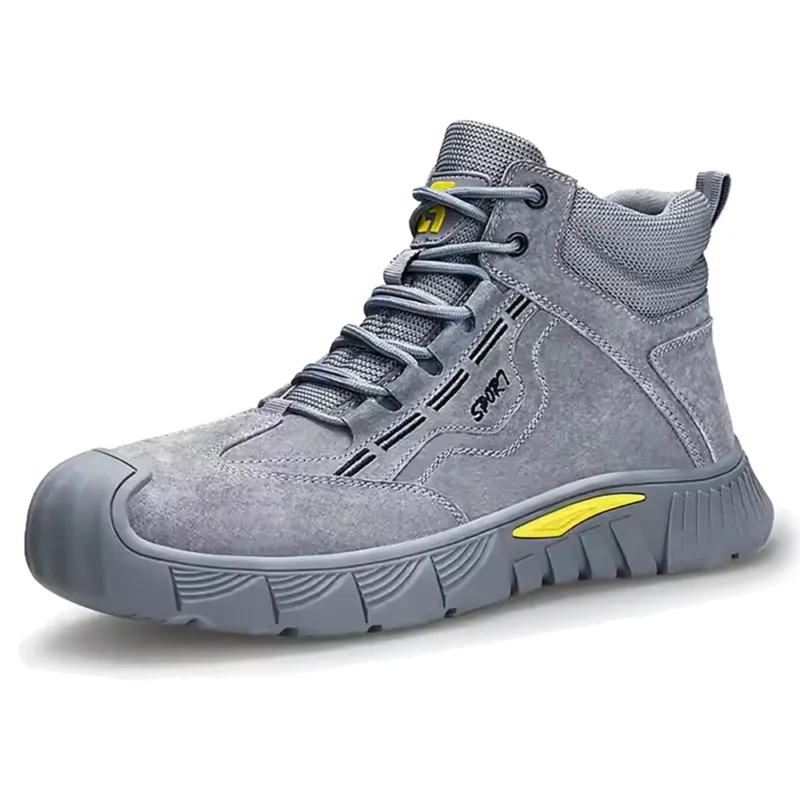
When your workday involves heavy machinery, falling objects, and unforgiving terrain, the Birks Defender Kevlar Steel Toe Safety Work Boots stand ready to protect you through it all. These boots deliver the exceptional durability, reliable protection, and all-day comfort you need to tackle any challenge and get the job done right, every single time.
Quality work boots feature steel toe caps that withstand 75 pounds of impact and 2,500 pounds of compression. Some manufacturers use composite toe caps made from Kevlar, carbon fiber, or fiberglass. These materials meet the same ASTM standards while weighing 30% less than steel.
The Electrical Hazard (EH) rating indicates boots can withstand 18,000 volts in dry conditions. This protects workers from open circuits up to 600 volts. Construction and electrical workers need boots with EH certification.
Puncture-resistant midsoles prevent nails and sharp objects from penetrating the boot sole. Steel plates offer maximum protection. Kevlar midsoles provide flexibility while maintaining safety standards.
Historical Development of Work Boots
Work boots evolved from basic leather shoes in the 1800s. Factory workers needed foot protection as industrial machinery became common. The Red Wing Shoe Company started producing purpose-built work boots in 1905.
World War I accelerated boot innovation. Soldiers required durable footwear for trench conditions. Manufacturers developed Goodyear welt construction, which allows boots to be resoled multiple times. This technique attaches the upper leather to the sole through a leather strip called a welt.
The Occupational Safety and Health Administration (OSHA) established workplace safety requirements in 1970. This created demand for boots with standardized protection features. Steel toe boots became mandatory in many industrial settings.
Modern work boots incorporate advanced materials developed in the 1990s and 2000s. Composite materials replaced heavy steel components. Moisture-wicking liners improved comfort. Manufacturers added slip-resistant outsoles using rubber compounds tested on oil and water.
Essential Features That Define Good Work Boots
Safety Components
Toe Protection: Steel, composite, or alloy toe caps shield the front of your foot. Steel offers maximum durability. Composite materials don’t conduct temperature, keeping feet warmer in cold conditions and cooler in heat.
Shank Support: A steel or composite shank runs through the midsole from heel to arch. This component prevents the boot from bending in half under heavy loads. Shanks reduce foot fatigue on uneven surfaces.
Metatarsal Guards: These plates cover the top of the foot from toes to ankle. Workers who handle falling objects need this extra protection. Guards can be internal or external.
Construction Methods
Goodyear Welt: This 150-year-old method creates the most durable boots. A leather strip stitches the upper to the insole, then stitches to the outsole. You can resole these boots 3-4 times.
Direct Attach: Manufacturers pour polyurethane or rubber directly onto the boot upper. This creates a waterproof seal. These boots cost less but cannot be resoled.
Cement Construction: Adhesive bonds the sole to the upper. This lightweight method works for light-duty boots. The sole cannot be replaced.
Material Quality
Full-Grain Leather: The top layer of hide contains the tightest fiber structure. This leather resists water and abrasion better than other types. It develops a patina over time while maintaining strength.
Nubuck Leather: Manufacturers sand the outer surface to create a soft texture. This leather looks appealing but requires more maintenance than full-grain.
Synthetic Uppers: Nylon, polyester, and synthetic leather reduce weight and dry faster than leather. These materials work well in hot environments. They typically last 1-2 years compared to 3-5 years for leather.
Work Boot Categories by Industry
Construction Boots
Construction workers need ASTM F2413-18 rated boots with toe protection and puncture-resistant soles. Look for:
- 6-inch or 8-inch height for ankle support
- Slip-resistant outsoles with deep lugs
- Electrical hazard protection
- Water resistance for outdoor work
Popular models include Timberland PRO Boondock and Caterpillar Second Shift.
Manufacturing and Warehouse Boots
Indoor workers prioritize comfort for concrete floors. Key features include:
- Static-dissipative (SD) soles that prevent electrical buildup
- Cushioned insoles with arch support
- Breathable liners
- Lighter weight than construction boots
Red Wing 2233 and Keen Utility Philadelphia meet these needs.
Logging and Outdoor Boots
Forestry workers require maximum ankle support and aggressive traction. Specifications include:
- 8-inch to 10-inch height
- Vibram or similar multi-directional lugs
- Chainsaw-resistant options
- Full waterproofing
Danner Logger and White’s Boots Smokejumper serve this category.
Electrical Work Boots
Electricians need specialized protection from electrical hazards. Requirements include:
- EH rating (18,000 volts)
- Non-metallic toe caps and shanks
- Non-conductive hardware
- Dry conditions maintenance
Wolverine Raider and Ariat Workhog meet electrical safety standards.
Key Specifications Comparison
| Feature | Entry Level | Mid-Range | Premium |
|---|---|---|---|
| Price Range | $80-$120 | $150-$250 | $300-$500 |
| Upper Material | Split leather/Synthetic | Full-grain leather | Full-grain leather |
| Construction | Cement | Direct attach | Goodyear welt |
| Resole Options | No | Limited | Multiple times |
| Warranty | 30-90 days | 1 year | 1 year to lifetime |
| Average Lifespan | 6-12 months | 1-2 years | 3-5+ years |
| Weight (per boot) | 2-2.5 lbs | 2.5-3 lbs | 3-4 lbs |
Fit and Sizing Considerations
Good work boots must fit properly to prevent injuries. Boots that are too tight cause blisters and restrict circulation. Loose boots create friction and reduce stability.
Length: Your longest toe should have 1/4 to 1/2 inch of space from the boot end. This allows for foot expansion during the day and thick socks in winter.
Width: Boot manufacturers use letters to indicate width. D is standard width for men. Women’s standard is B. Wide options include EE (men) and D (women). Your foot should not bulge over the sole.
Volume: This describes how much vertical space your foot needs. High-volume feet need deeper toe boxes. Low-volume feet require boots with better heel lock.
Break-In Period: Quality leather boots need 2-4 weeks to conform to your feet. Wear them for progressively longer periods. Apply leather conditioner to speed the process.
When your workday involves heavy machinery, falling objects, and unforgiving terrain, the Birks Defender Kevlar Steel Toe Safety Work Boots stand ready to protect you through it all. These boots deliver the exceptional durability, reliable protection, and all-day comfort you need to tackle any challenge and get the job done right, every single time.
Sole Technology and Slip Resistance
Outsoles determine traction and durability. Different rubber compounds serve different purposes.
Slip-Resistant Ratings: The ASTM F2913 standard measures coefficient of friction. Boots need a rating of 0.5 or higher on oily surfaces. Look for SRC certification, which tests on ceramic tile with water and glycerol.
Tread Patterns:
- Lug pattern: Deep, widely-spaced treads for outdoor terrain
- Flat pattern: Maximum surface contact for smooth floors
- Combination pattern: Versatile for multiple surfaces
Sole Materials:
- Rubber: Most common, offers good traction and durability
- Polyurethane (PU): Lightweight, excellent cushioning, less durable
- Thermoplastic polyurethane (TPU): Combines rubber durability with PU cushioning
- Nitrile rubber: Superior oil and chemical resistance
Comfort Technology and Support Features
Long work days demand boots with proper support systems.
Footbeds: Removable insoles allow custom orthotics. EVA foam provides cushioning. Polyurethane footbeds offer firmer support. Memory foam molds to your foot shape.
Midsoles: This layer between the insole and outsole absorbs shock. Dual-density midsoles use softer foam in the heel and firmer foam in the forefoot.
Arch Support: Boots come with neutral, moderate, or high arch support. Match the boot to your foot type. Flat feet need stability features. High arches require cushioning.
Heel Cup: A deep, firm heel cup centers your foot and prevents overpronation. This reduces ankle and knee stress.
Maintenance Steps for Maximum Lifespan
Proper care extends boot life by 50-100%.
Daily Care:
- Remove dirt and debris with a stiff brush
- Allow boots to dry naturally, never near direct heat
- Use boot trees or newspaper to maintain shape
Weekly Leather Treatment:
- Clean with saddle soap and damp cloth
- Apply leather conditioner to prevent cracking
- Let conditioner absorb for 20 minutes
- Buff with clean cloth
Monthly Deep Cleaning:
- Remove laces and insoles
- Scrub with leather cleaner
- Treat with waterproofing compound
- Condition all leather surfaces
Storage: Keep boots in a cool, dry place away from sunlight. Store with boot trees to prevent creasing. Do not stack boots or place heavy objects on them.
Waterproofing Technology
Wet feet lead to blisters, fungal infections, and discomfort.
Membrane Systems: Gore-Tex and similar membranes prevent water entry while allowing moisture vapor to escape. These liners add $30-$80 to boot cost. Membrane boots keep feet dry in standing water up to the boot height.
Leather Treatment: Full-grain leather naturally resists water. Regular conditioning maintains this property. Apply mink oil or beeswax compounds every 2-4 weeks for outdoor work.
Seam Sealing: Quality boots use sealed or welted seams. Check the junction between upper and sole. This connection point is where most leaks occur.
Signs of Quality vs. Poor Construction
Quality Indicators:
- Uniform stitching with 6-8 stitches per inch
- Full-grain leather that feels supple but firm
- Heavy-duty hardware (eyelets, D-rings)
- Detailed labeling with specific ASTM ratings
- Manufacturing country information
Poor Quality Signs:
- Uneven stitching or glue residue
- Split leather or corrected grain leather
- Plastic hardware that feels lightweight
- Vague safety claims without certifications
- Strong chemical smell
Breaking In New Work Boots
New boots cause discomfort until they conform to your feet.
Week 1: Wear boots for 2-3 hours daily around the house. Thick socks reduce friction. Focus on areas that feel tight.
Week 2: Increase wear time to 4-6 hours. Take boots to work but bring backup shoes. Apply moleskin to hot spots before blisters form.
Week 3: Wear boots for full shifts. Apply leather conditioner to stiff areas. The leather should feel noticeably softer.
Week 4: Boots should feel comfortable for entire work days. Some pressure points may remain. These typically resolve by week 6.
Selecting the Right Work Boot: Decision Framework
Follow these steps to find good work boots for your needs:
Step 1 – Identify Safety Requirements: Check your workplace safety policies. Confirm required ASTM ratings. Note any industry-specific certifications needed.
Step 2 – Assess Environment: Indoor work allows lighter boots. Outdoor conditions require waterproofing. Chemical exposure needs resistant materials.
Step 3 – Determine Budget: Entry-level boots cost $80-$120 and last 6-12 months. Premium boots cost $300-$500 but last 3-5 years. Calculate cost per day of wear.
Step 4 – Prioritize Features: Rank these factors: safety, comfort, durability, weight, style. Compromise on lower-priority items.
Step 5 – Try Multiple Sizes: Test boots in the afternoon when feet are largest. Wear work socks. Walk on an incline. Check for heel slip and toe room.
Step 6 – Verify Return Policy: Buy from retailers with 30-day return windows. This allows proper break-in testing.
Good work boots balance protection, comfort, and durability. Your feet support your entire body through long shifts. Invest in quality boots that meet your specific work conditions. Proper fit and regular maintenance maximize your investment.
When your workday involves heavy machinery, falling objects, and unforgiving terrain, the Birks Defender Kevlar Steel Toe Safety Work Boots stand ready to protect you through it all. These boots deliver the exceptional durability, reliable protection, and all-day comfort you need to tackle any challenge and get the job done right, every single time.
