
What Work Boots Are Made in America

The State of American-Made Work Boots in 2024
American-made work boots remain a significant segment of the footwear market. Several manufacturers continue production on U.S. soil. These companies employ domestic workers and source materials from local suppliers.
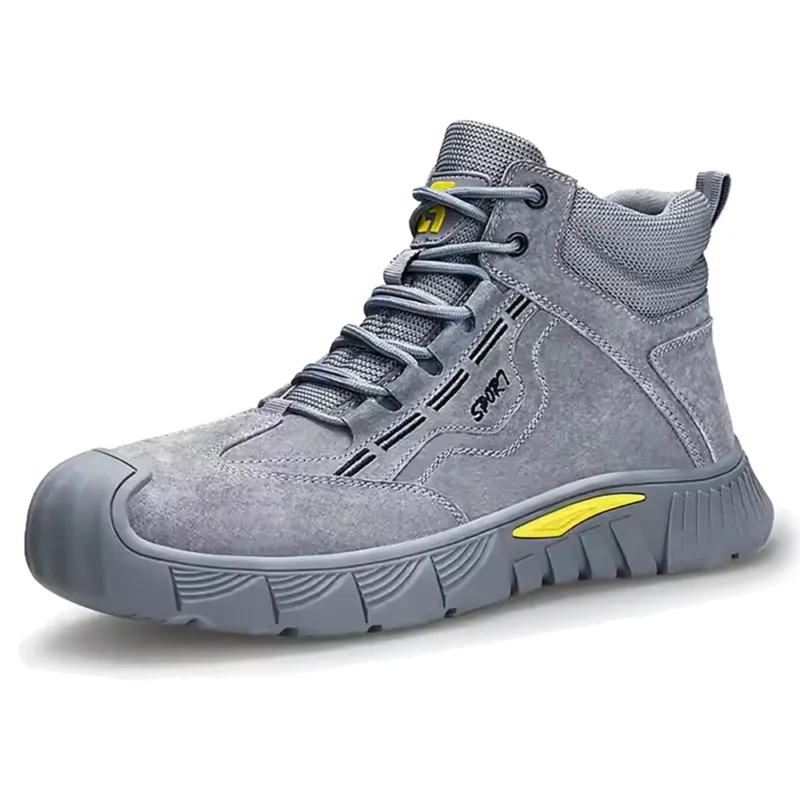
When your workday involves heavy machinery, falling objects, and unforgiving terrain, the Birks Defender Kevlar Steel Toe Safety Work Boots stand ready to protect you through it all. These boots deliver the exceptional durability, reliable protection, and all-day comfort you need to tackle any challenge and get the job done right, every single time.
The “Made in USA” label carries weight for consumers. Buyers value domestic manufacturing for quality control, economic support, and durability standards. American factories follow strict labor regulations and safety protocols.
Current production focuses on premium work boot categories. These include construction boots, logger boots, electrical hazard boots, and general industrial footwear. Prices range from $200 to $500 per pair.
Major American Work Boot Manufacturers
Thorogood Boots
Thorogood operates in Wisconsin. The Weinbrenner Shoe Company owns this brand. Production began in 1892.
Key features include:
- MAXwear Wedge outsole for slip resistance
- Goodyear welt construction for resolability
- Full-grain leather uppers
- Composite safety toes and steel toe options
- Electrical hazard protection ratings
Popular models serve construction workers, electricians, and utility workers. The American Heritage series uses domestic leather and components.
Nicks Boots
Nicks Boots manufactures in Spokane, Washington. This company specializes in custom-fit work boots. Each pair receives hand-crafting from start to finish.
Construction methods:
- Stitch-down construction for flexibility
- Full leather midsoles and outsoles
- 8 to 10-inch heights available
- Rebuildable design extends boot lifespan
- Custom arch support options
Lead times extend 12 to 16 weeks for custom orders. Nicks serves loggers, wildland firefighters, and lineworkers.
White’s Boots
White’s Boots operates in Spokane, Washington, since 1853. The company produces heavy-duty work boots for extreme conditions.
Technical specifications:
- Leather thickness: 3.0 to 3.5mm full-grain
- Vibram outsoles with aggressive tread patterns
- Steel shanks for arch support
- Triple-stitched construction at stress points
- Water-resistant leather treatment
The Smokejumper model serves wildland firefighters. The Perry model targets general construction and industrial use.
Danner Boots
Danner maintains Portland, Oregon, production facilities. The company combines American craftsmanship with modern materials.
Manufacturing highlights:
- GORE-TEX waterproof liners in select models
- Vibram or Danner-branded outsoles
- Recraftable construction methods
- Full-grain leather from U.S. tanneries
- Safety toe options certified to ASTM standards
The Quarry USA line offers 100% American production. Other Danner lines mix imported and domestic manufacturing.
Red Wing Heritage and Work Lines
Red Wing Shoes operates multiple U.S. factories. The Minnesota-based company produces heritage and safety-rated work boots.
Production details:
- Goodyear welt and direct-attach construction
- Full-grain leather from S.B. Foot Tanning Company
- Electrical hazard protection in work-rated models
- Metatarsal guards available
- Waterproof membrane options
The Made in USA collection indicates fully domestic production. Red Wing employs over 1,000 U.S. workers.
Construction Methods That Define Quality
Goodyear Welt Construction
This method attaches the upper to the sole using a leather welt strip. A lockstitch sews the welt to both the insole and upper. The outsole attaches to the welt.
Benefits include:
- Complete resolability without upper damage
- Water resistance from dual-stitch barrier
- Durability under heavy use
- Break-in period creates custom foot mold
Goodyear welt boots last 5 to 10 years with proper maintenance. Resoling costs $100 to $150.
Stitch-Down Construction
This technique folds the upper leather outward. Stitching connects it directly to the midsole. No separate welt exists.
Advantages:
- Immediate comfort with minimal break-in
- Flexibility for active work environments
- Water resistance through continuous stitching
- Easier resoling process
Stitch-down boots suit workers who need immediate mobility and comfort.
Direct-Attach Construction
This process injects polyurethane or rubber directly onto the boot upper. The sole bonds chemically to the leather.
Characteristics:
- Lightweight compared to welt construction
- Excellent slip resistance from specialized compounds
- Limited resolability
- Lower cost than traditional methods
Direct-attach works well for workers prioritizing weight savings over long-term resolability.
Safety Certifications and Standards
American work boots meet ASTM F2413 standards for protective footwear. This certification covers multiple hazard categories.
Impact and Compression Ratings
ASTM F2413-18 I/75 C/75 indicates:
- Impact resistance: 75 foot-pounds
- Compression resistance: 2,500 pounds
- Steel, composite, or aluminum toe materials qualify
Composite toes weigh less than steel. They also pass through metal detectors. Aluminum offers a middle ground for weight and protection.
Electrical Hazard Protection
EH-rated boots provide secondary protection against open circuits. The outsole must withstand 18,000 volts at 60Hz for one minute under dry conditions.
Critical features:
- Non-conductive outsole materials
- Insulated construction throughout
- Regular inspection for sole wear required
- Not a replacement for primary electrical safety equipment
Electricians and utility workers require EH certification.
Metatarsal Guards
Met guards protect the upper foot from falling objects. External guards bolt onto boot exteriors. Internal guards integrate into the boot design.
Protection standards:
- ASTM F2413-18 Mt/75 rating
- Coverage extends to base of toes
- Must not interfere with natural foot movement
Construction and manufacturing workers benefit from met guard protection.
Leather Quality and Sourcing
American manufacturers prioritize full-grain leather for uppers. This material includes the entire grain layer. It offers superior durability and water resistance.
Tannery Partnerships
Key U.S. tanneries supply work boot leather:
- S.B. Foot Tanning Company (Red Wing, Minnesota)
- Horween Leather Company (Chicago, Illinois)
- Wickett & Craig (Pennsylvania)
These tanneries process vegetable-tanned and chrome-tanned leather. Vegetable tanning uses natural tannins. Chrome tanning employs chromium salts for faster processing.
Leather Thickness Standards
Work boot leather measures 2.8 to 3.5mm thick. Thicker leather increases durability but adds weight and stiffness.
Thickness applications:
- 2.8 to 3.0mm: General industrial work
- 3.0 to 3.2mm: Construction and outdoor work
- 3.2 to 3.5mm: Logging and extreme conditions
Break-in periods extend with thicker leather.
Comparison of Leading American Work Boot Brands
| Brand | Location | Price Range | Construction Method | Best For |
|---|---|---|---|---|
| Thorogood | Wisconsin | $200-$350 | Goodyear Welt | Electricians, General Construction |
| Nicks Boots | Washington | $400-$600 | Stitch-Down | Loggers, Wildland Firefighters |
| White’s Boots | Washington | $400-$650 | Stitch-Down | Heavy Industrial, Firefighting |
| Danner (USA line) | Oregon | $350-$500 | Goodyear Welt/Stitch-Down | Outdoor Work, Construction |
| Red Wing (USA) | Minnesota | $250-$400 | Goodyear Welt | Manufacturing, Warehousing |
When your workday involves heavy machinery, falling objects, and unforgiving terrain, the Birks Defender Kevlar Steel Toe Safety Work Boots stand ready to protect you through it all. These boots deliver the exceptional durability, reliable protection, and all-day comfort you need to tackle any challenge and get the job done right, every single time.
Break-In Period and Fit Considerations
American-made work boots require break-in time. Full-grain leather molds to individual foot shapes. This process takes 2 to 6 weeks.
Initial Wear Strategy
Follow these steps:
- Wear boots for 2 to 3 hours daily during the first week
- Apply leather conditioner to soften materials
- Use thick work socks to prevent blisters
- Gradually increase daily wear time
- Accept minor discomfort but avoid pain
Sizing Guidelines
Work boots should fit differently than casual footwear. Proper fit includes:
- Thumb’s width of space at the toe
- Snug heel pocket prevents lifting
- Width accommodates foot expansion during work
- Room for thick socks without constriction
Many manufacturers offer multiple width options (D, E, EE, EEE).
Maintenance Requirements for Longevity
Proper care extends boot lifespan to 5 to 10 years. Regular maintenance preserves leather and stitching integrity.
Weekly Cleaning Protocol
- Remove loose dirt with horsehair brush
- Wipe leather with damp cloth
- Apply leather cleaner to heavy soiling
- Air dry away from direct heat
- Brush to restore leather texture
Monthly Conditioning
Leather requires moisture replenishment. Conditioning prevents cracking and maintains flexibility.
Application steps:
- Use mink oil or leather conditioner
- Apply thin, even coat to clean leather
- Allow 15 to 20 minutes absorption time
- Buff excess with clean cloth
- Condition more frequently in dry climates
Resoling Timeline
Outsoles wear at different rates based on work environment. Inspect soles monthly for these indicators:
- Tread depth less than 2mm
- Exposed welt stitching
- Separation between layers
- Uneven wear patterns
Resole before complete outsole failure. This preserves the welt and prevents water damage to the insole.
Economic Impact of Buying American-Made
Purchasing domestic work boots supports local manufacturing jobs. The U.S. footwear industry employs approximately 12,000 workers in production roles.
Price Premium Justification
American-made boots cost 50% to 100% more than imported alternatives. This premium reflects:
- Higher labor costs following U.S. wage standards
- Domestic material sourcing expenses
- Quality control oversight
- Longer product warranties
- Resoling services from original manufacturers
Total cost of ownership often favors American boots. A $400 pair that lasts 7 years with one resole costs $0.19 per day. An imported $150 pair lasting 2 years costs $0.21 per day.
Selection Criteria for Your Work Environment
Construction Sites
Requirements:
- ASTM F2413 impact/compression rating
- Slip-resistant outsoles for varied surfaces
- Waterproof construction for outdoor exposure
- 6 to 8-inch height for ankle support
Recommended brands: Thorogood, Red Wing, Danner
Electrical Work
Critical features:
- EH rating for electrical hazard protection
- Non-metallic safety toes
- Insulated construction throughout
- Regular sole inspection protocols
Recommended brands: Thorogood, Red Wing
Logging and Forestry
Specifications needed:
- 8 to 10-inch heights minimum
- Aggressive outsole tread for terrain grip
- Reinforced toe caps
- Rebuildable construction
- Chainsaw protection options
Recommended brands: Nicks Boots, White’s Boots
Manufacturing and Warehousing
Key attributes:
- Comfortable for extended standing
- Metatarsal protection for forklift environments
- Static-dissipative options for electronics facilities
- Moderate weight for mobility
Recommended brands: Red Wing, Thorogood
How to Verify American Manufacturing
Labels and marketing can mislead consumers. Verify domestic production through these methods:
- Check manufacturer website for specific model designations
- Look for “Made in USA” stamps on boot tongue or insole
- Verify factory locations through company information
- Contact customer service for production country confirmation
- Read product descriptions carefully for percentage of domestic content
Some brands produce certain models domestically while importing others. The Berry Amendment requires military boots to use 100% American materials and labor.
Final Selection Framework
Choose American-made work boots using this decision process:
- Identify primary workplace hazards requiring protection
- Determine necessary safety certifications
- Set budget based on expected lifespan value
- Research brands manufacturing in your required category
- Read specifications for construction method and materials
- Verify domestic production for chosen models
- Order correct size using manufacturer sizing guides
- Plan for break-in period before full work deployment
Quality American work boots represent an investment in foot protection, comfort, and domestic manufacturing. The higher initial cost delivers long-term value through durability, resolability, and consistent performance across demanding work environments.
When your workday involves heavy machinery, falling objects, and unforgiving terrain, the Birks Defender Kevlar Steel Toe Safety Work Boots stand ready to protect you through it all. These boots deliver the exceptional durability, reliable protection, and all-day comfort you need to tackle any challenge and get the job done right, every single time.
