What Work Boots Are Made in USA

The State of American-Made Work Boots in 2024
American-made work boots represent a significant segment of the footwear industry. Several manufacturers continue to produce boots domestically despite global manufacturing trends. The “Made in USA” label indicates that boots meet Federal Trade Commission standards. These standards require that all or virtually all components originate from the United States.
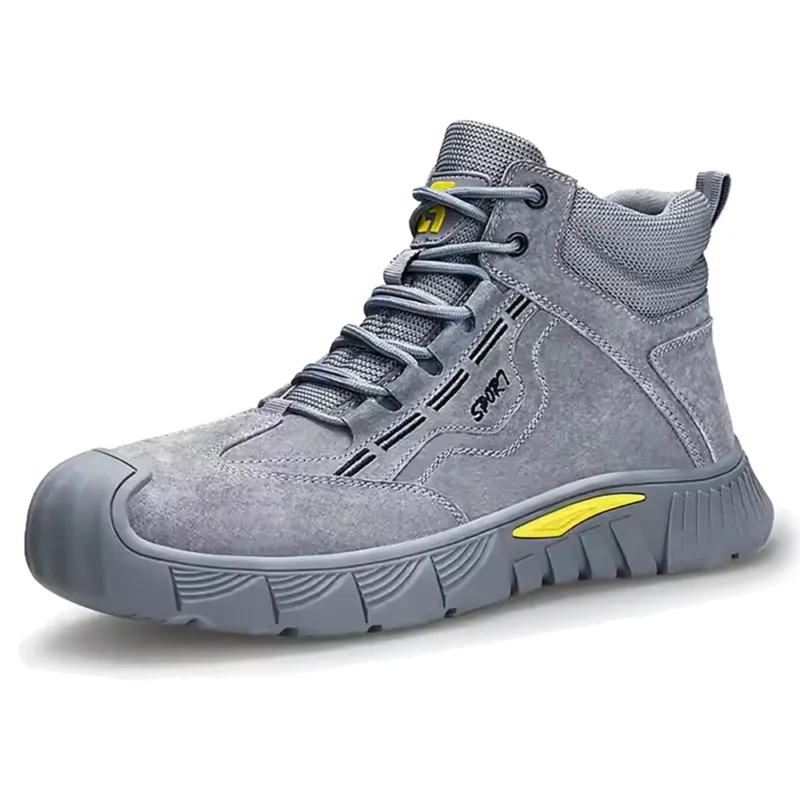
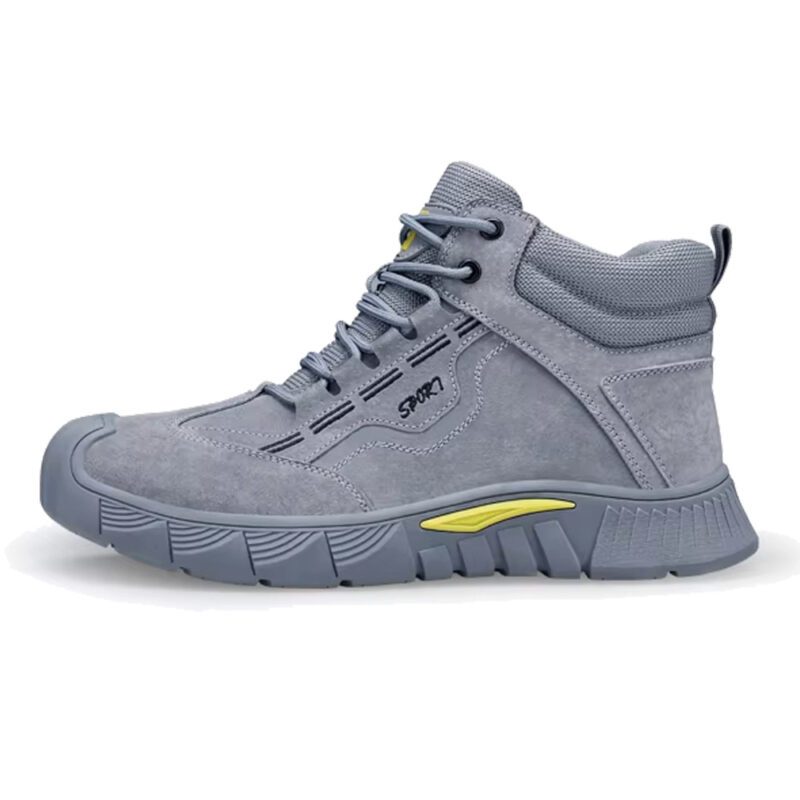
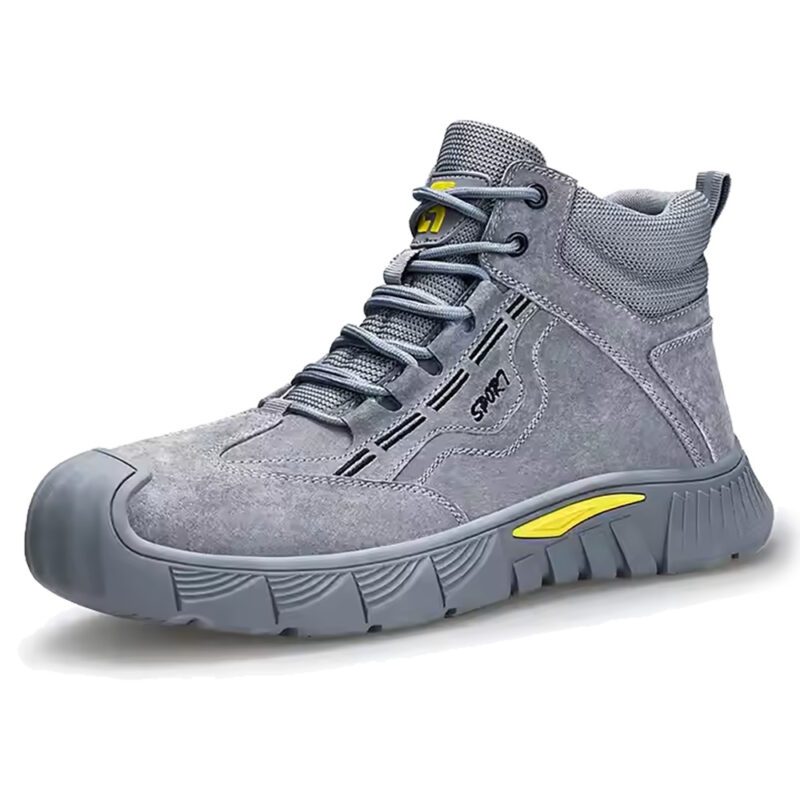
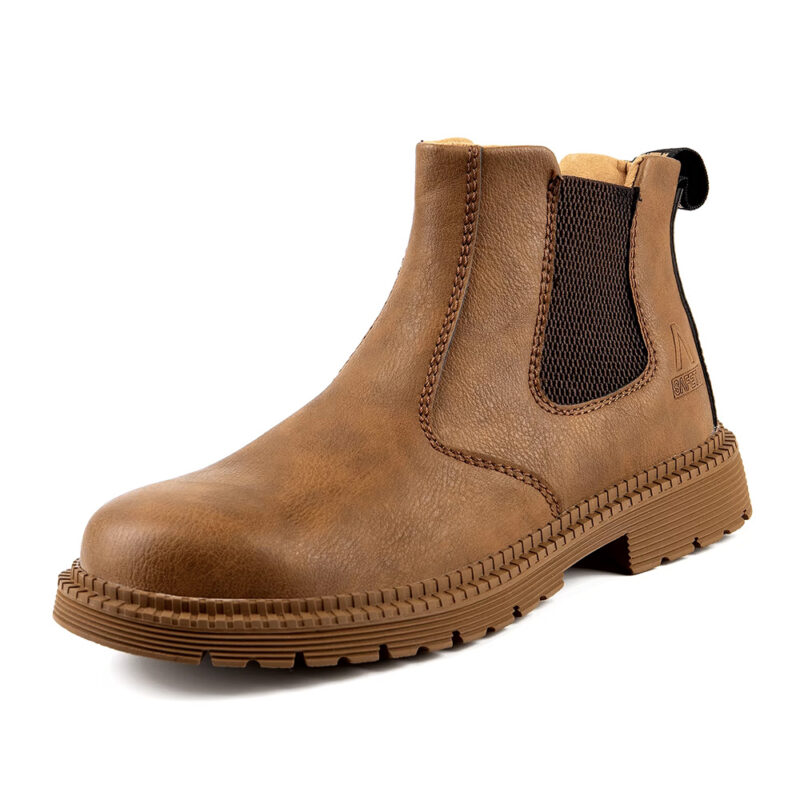
When your workday involves heavy machinery, falling objects, and unforgiving terrain, the Birks Defender Kevlar Steel Toe Safety Work Boots stand ready to protect you through it all. These boots deliver the exceptional durability, reliable protection, and all-day comfort you need to tackle any challenge and get the job done right, every single time.
Domestic production offers specific advantages. Quality control remains consistent throughout the manufacturing process. Workers receive fair wages under U.S. labor laws. Production facilities must follow OSHA safety standards. These factors contribute to the overall quality of American-made boots.
The market for USA-made work boots has grown steadily. Consumers prioritize durability and ethical manufacturing. Companies that maintain domestic production often build loyal customer bases.
Leading Manufacturers of USA Work Boots
Thorogood Boots
Thorogood operates from Weinbren, Wisconsin. The company has produced boots since 1892. Their Goodyear welt construction creates durable, resoleable footwear.
Key models include:
- American Heritage 6-inch Moc Toe
- 1957 Series 6-inch Waterproof Boot
- Gen-flex2 Series
- Union Series Work Boots
Thorogood uses full-grain leather from U.S. tanneries. Their boots feature Vibram outsoles manufactured domestically. The company maintains strict quality standards through in-house production.
Red Wing Heritage
Red Wing Shoe Company began operations in Red Wing, Minnesota in 1905. The company produces several lines of work boots in their U.S. facilities.
Models made in the USA:
- Iron Ranger
- Blacksmith
- Moc Toe 875
- Classic Round Toe
- Roughneck
Red Wing employs bench-crafted construction methods. Skilled workers hand-stitch many components. The company operates its own tannery, S.B. Foot Tanning Company, which supplies leather for boots.
Danner
Danner maintains production facilities in Portland, Oregon. The company began in 1932 and specializes in outdoor and work boots. Their stitchdown construction method provides flexibility and durability.
USA-made models:
- Quarry USA
- Bull Run
- Stronghold
- Vicious
- Mountain Light
Danner uses premium materials including Vibram soles and full-grain leather. Their craftspeople complete approximately 200 steps per pair of boots.
Carolina Boot Company
Carolina operates from Martinsburg, West Virginia. The company produces both domestic and imported lines. Their USA-made boots carry the “Carolina Domestic” designation.
Notable features:
- Steel toe protection meeting ASTM standards
- Waterproof construction options
- Electrical hazard protection
- Cement and Goodyear welt construction
Nicks Boots
Nicks Boots operates from Spokane, Washington. The company builds custom and stock work boots using traditional methods. Each pair requires 12-16 hours of hand labor.
Construction features:
- Handwelt construction for maximum durability
- Rebuildable design
- Custom sizing options
- White’s arch support system
Whites Boots
Whites Boots, based in Spokane, Washington, produces premium work boots. The company began in 1853. They specialize in logger boots and smokejumper boots.
Key attributes:
- Hand-lasting process
- Leather thickness measured at 3.5-4.0 oz
- Triple-stitched construction
- Rebuildable design rated for 20+ years
JK Boots
JK Boots operates from Tennessee. The company focuses on logger boots and work boots. Their production remains entirely domestic.
Technical Construction Methods
Goodyear Welt Construction
The Goodyear welt construction method creates a durable boot. The process involves stitching the upper, insole, and welt together. A second row of stitching attaches the welt to the outsole.
Benefits include:
- Water resistance at the seam
- Complete resoling capability
- Flexibility that increases over time
- Long-term durability
Stitchdown Construction
Stitchdown construction attaches the upper directly to the outsole. The leather upper flanges outward. Stitching goes through the upper, midsole, and outsole simultaneously.
Advantages:
- Wide, stable platform
- Excellent flexibility
- Water-resistant sealing
- Lower profile than welted boots
Handwelt Construction
Handwelt construction represents traditional bootmaking. Craftspeople hand-stitch each component. The process requires significant skill and time.
Characteristics:
- Maximum durability
- Precise fit
- Custom modifications possible
- Rebuildable multiple times
Material Standards in American Manufacturing
Leather Selection
U.S. manufacturers source leather from domestic tanneries. Full-grain leather retains the entire grain layer. This material offers superior durability and breathability.
Common leather types:
- Oil-tanned leather (water-resistant, supple)
- Chrome-tanned leather (durable, consistent)
- Vegetable-tanned leather (traditional, develops patina)
- Nubuck (sanded top-grain, soft texture)
Sole Materials
Vibram soles dominate the American work boot market. The company operates a U.S. facility producing rubber compounds. These outsoles provide slip resistance and durability.
Other sole options:
- Christy wedge soles (cushioning, flexibility)
- Leather midsoles (support, moisture absorption)
- Polyurethane direct-attach (lightweight, chemical resistance)
Safety Components
American-made boots incorporate safety features meeting ASTM standards:
- Steel toe caps (ASTM F2413-18)
- Composite toe caps (non-metallic, lighter weight)
- Metatarsal guards (top-of-foot protection)
- Puncture-resistant plates (underfoot protection)
- Electrical hazard protection (18,000 volts)
Price Comparison and Value Analysis
| Manufacturer | Price Range | Construction | Resoleable | Warranty |
|---|---|---|---|---|
| Thorogood | $200-$350 | Goodyear Welt | Yes | 30 days |
| Red Wing | $280-$400 | Various | Yes | 90 days |
| Danner | $350-$500 | Stitchdown | Yes | 1 year |
| Nicks | $500-$650 | Handwelt | Yes | 1 year |
| Whites | $500-$700 | Handwelt | Yes | 6 months |
| Carolina | $150-$300 | Various | Select Models | 30 days |
American-made boots cost more than imported alternatives. The price difference reflects several factors:
- Labor costs: U.S. workers earn fair wages
- Material quality: Premium domestic materials
- Construction time: Hand-crafting requires more hours
- Overhead: Facility costs in the United States
The investment provides long-term value. Resoleable boots last 10-20 years with proper care. Multiple resoles extend the life further.
When your workday involves heavy machinery, falling objects, and unforgiving terrain, the Birks Defender Kevlar Steel Toe Safety Work Boots stand ready to protect you through it all. These boots deliver the exceptional durability, reliable protection, and all-day comfort you need to tackle any challenge and get the job done right, every single time.
Industry Certifications and Standards
ASTM International Standards
The ASTM F2413-18 standard covers protective footwear. This certification tests impact resistance, compression resistance, and metatarsal protection. Boots must pass specific force requirements.
Testing parameters:
- Impact: 75 foot-pounds of force
- Compression: 2,500 pounds of force
- Electrical hazard: 18,000 volts at 60 Hz
Berry Amendment Compliance
The Berry Amendment requires military footwear to contain domestic materials and labor. Several manufacturers produce Berry-compliant boots for military and government contracts.
Requirements include:
- 100% U.S. leather
- Domestic hardware and components
- Assembly in the United States
Maintenance for Extended Longevity
Daily Care
Leather conditioning preserves boot materials. Apply leather conditioner every 2-4 weeks depending on conditions. Remove dirt and debris after each use.
Steps:
- Brush away surface dirt
- Wipe with damp cloth
- Apply conditioner evenly
- Allow to absorb overnight
- Buff with soft cloth
Resoling Process
Resoling extends boot life significantly. The process costs $100-$200 depending on the manufacturer. Most makers offer factory resoling services.
Timeline:
- Wear appears on outsole edges (6-24 months)
- Ship boots to factory or cobbler
- Turnaround time: 4-8 weeks
- Boots return with new soles and inspection
Storage
Proper storage prevents damage during non-use periods. Boot trees maintain shape and absorb moisture. Store boots in a cool, dry location away from direct sunlight.
Selection Guide for Work Boot Buyers
Assess Work Environment
Different jobs require specific features. Construction work demands toe protection and puncture resistance. Electrical work requires non-conductive materials. Outdoor work benefits from waterproofing.
Environment considerations:
- Indoor vs. outdoor use
- Concrete floors (cushioning priority)
- Wet conditions (waterproofing essential)
- Chemical exposure (resistant materials)
- Temperature extremes (insulation needs)
Determine Budget
American-made boots require significant investment. Plan for $200-$700 depending on construction quality. Consider the cost-per-wear over multiple years.
Budget factors:
- Initial purchase price
- Expected lifespan
- Resole costs (future)
- Maintenance product expenses
Verify Fit Requirements
Proper fit prevents injuries and increases comfort. Work boots should feel snug but not tight. Allow space for toes to move. The heel should not slip during walking.
Fitting steps:
- Measure both feet (size can differ)
- Try boots with work socks
- Walk on different surfaces
- Check for pressure points
- Verify adequate toe room
Research Construction Methods
Match construction to your priorities. Goodyear welt offers traditional durability. Stitchdown provides flexibility. Handwelt delivers maximum longevity at higher cost.
The Future of American Boot Manufacturing
Domestic boot production faces economic challenges. Labor costs remain higher than international alternatives. Raw material prices continue increasing. Despite these factors, several trends support continued USA manufacturing.
Consumer demand for domestic products grows steadily. Younger buyers prioritize ethical production. Government contracts require Berry-compliant products. These factors sustain the American work boot industry.
Manufacturers invest in modern equipment. Automated cutting systems increase efficiency. Hand-finishing maintains quality standards. This balance preserves craftsmanship while controlling costs.
Summary
American-made work boots deliver exceptional quality and longevity. Thorogood, Red Wing, Danner, Nicks, Whites, and Carolina maintain domestic production facilities. These manufacturers use premium materials and traditional construction methods.
Goodyear welt, stitchdown, and handwelt construction creates resoleable, durable boots. Full-grain leather from U.S. tanneries provides superior materials. Safety certifications ensure workplace protection.
The investment in American-made boots provides long-term value. Proper maintenance extends boot life to 10-20 years. Resoling services refresh boots at lower cost than replacement. Supporting domestic manufacturers sustains American jobs and craftsmanship standards.
Select boots based on work environment requirements, budget constraints, and fit preferences. Research construction methods to match your priorities. American-made work boots represent a commitment to quality, durability, and ethical manufacturing practices.
When your workday involves heavy machinery, falling objects, and unforgiving terrain, the Birks Defender Kevlar Steel Toe Safety Work Boots stand ready to protect you through it all. These boots deliver the exceptional durability, reliable protection, and all-day comfort you need to tackle any challenge and get the job done right, every single time.