
What’s the Best Insoles for Work Boots

Why Work Boot Insoles Matter
Your feet support your entire body weight during long work shifts. Standard work boot insoles fail to provide adequate support after several hours of standing or walking. Poor insoles cause foot pain, back problems, and reduced productivity.
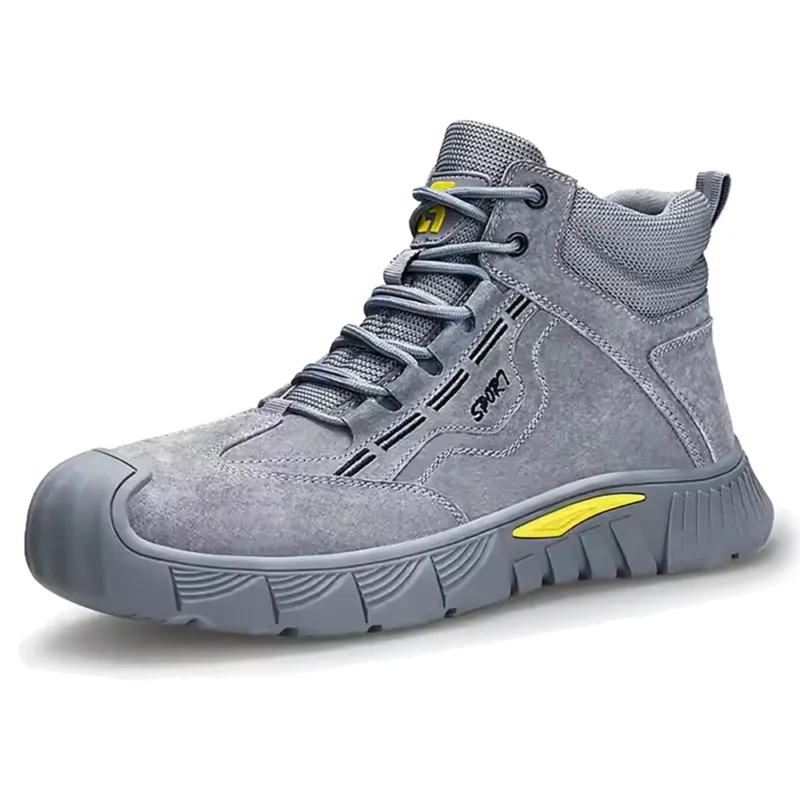
When your workday involves heavy machinery, falling objects, and unforgiving terrain, the Birks Defender Kevlar Steel Toe Safety Work Boots stand ready to protect you through it all. These boots deliver the exceptional durability, reliable protection, and all-day comfort you need to tackle any challenge and get the job done right, every single time.
Quality insoles transform uncomfortable work boots into supportive footwear. They distribute pressure evenly across your feet. They absorb shock from hard surfaces. They reduce fatigue and prevent common workplace injuries.
Workers who stand for 8-12 hours daily need superior insoles. Construction workers, warehouse employees, nurses, and retail staff all benefit from upgraded insoles. The right insoles extend the life of your work boots and protect your body.
History of Work Boot Insoles
Early work boots contained minimal padding. Workers in the 1800s stuffed newspaper or cloth into their boots for comfort. Manufacturers added basic leather insoles in the early 1900s.
Foam insoles appeared in the 1960s. EVA (ethylene-vinyl acetate) foam became popular in the 1970s. This material provided better cushioning than previous options. Gel insoles entered the market in the 1980s.
Modern insoles use advanced materials and ergonomic designs. Memory foam technology arrived in the 1990s. Orthotic insoles gained medical recognition in the 2000s. Today’s insoles incorporate multiple layers and specialized zones for different foot areas.
Types of Work Boot Insoles
Cushioned Insoles
Cushioned insoles prioritize comfort and shock absorption. They use foam materials like EVA or polyurethane. These insoles work well for workers who walk on hard concrete or tile floors.
Benefits:
- Reduce impact on joints
- Provide immediate comfort
- Affordable price point
- Easy to replace frequently
Drawbacks:
- Break down faster than other types
- Offer limited arch support
- May feel too soft for heavy-duty work
Orthotic Insoles
Orthotic insoles correct foot alignment and provide structured support. They feature firm arch support and heel cups. Medical professionals often recommend these for people with foot problems.
Benefits:
- Correct overpronation and supination
- Reduce pain from plantar fasciitis
- Improve posture and spine alignment
- Last longer than cushioned options
Drawbacks:
- Higher cost
- Require break-in period
- May feel too rigid initially
Gel Insoles
Gel insoles contain liquid or semi-solid gel pockets. These pockets absorb shock and mold to your foot shape. They provide targeted cushioning in high-pressure areas.
Benefits:
- Superior shock absorption
- Stay cool during long shifts
- Effective for heel pain
- Durable construction
Drawbacks:
- Heavier than foam options
- More expensive
- Can feel unstable on uneven ground
Memory Foam Insoles
Memory foam insoles conform to your unique foot shape. They respond to body heat and pressure. These insoles provide customized comfort for each wearer.
Benefits:
- Personalized fit
- Excellent pressure distribution
- Comfortable for wide feet
- Good value for money
Drawbacks:
- Compress over time
- Less supportive than orthotics
- Retain heat in warm environments
Key Features to Consider
Arch Support Level
Your arch type determines the support level you need. People with flat feet require high arch support. People with high arches need cushioning under the arch. Neutral arches work well with medium support.
Test your arch type by wetting your foot and stepping on paper. A complete footprint indicates flat feet. A narrow band shows high arches. A moderate curve shows neutral arches.
Material Composition
Different materials serve different purposes. EVA foam offers lightweight cushioning. Polyurethane provides firmer support. Gel delivers maximum shock absorption. Memory foam gives adaptive comfort.
Look for antimicrobial treatments. These prevent odor and bacterial growth. Moisture-wicking top layers keep feet dry during long shifts.
Thickness and Volume
Insoles range from 3mm to 10mm thick. Thin insoles fit tight boots without removing the original insole. Thick insoles provide more cushioning but require more boot space.
Check your boot’s removable insole thickness. Match or slightly exceed this measurement. Overly thick insoles cause heel slippage and blisters.
Heel Cup Depth
Deep heel cups stabilize your foot and ankle. They prevent side-to-side movement inside the boot. A 12-15mm heel cup depth suits most workers.
Shallow heel cups work for dress work boots. Deep heel cups benefit workers on uneven terrain. The heel cup should cradle your heel without causing pressure points.
When your workday involves heavy machinery, falling objects, and unforgiving terrain, the Birks Defender Kevlar Steel Toe Safety Work Boots stand ready to protect you through it all. These boots deliver the exceptional durability, reliable protection, and all-day comfort you need to tackle any challenge and get the job done right, every single time.
Top Insole Options Compared
| Insole Type | Best For | Support Level | Durability | Price Range |
|---|---|---|---|---|
| Cushioned Foam | Light-duty work, retail | Low-Medium | 3-6 months | $15-$30 |
| Orthotic | Heavy construction, foot problems | High | 12-18 months | $40-$60 |
| Gel | Concrete floors, heel pain | Medium | 9-12 months | $25-$45 |
| Memory Foam | General warehouse, long standing | Medium | 6-9 months | $20-$35 |
| Hybrid (Multi-layer) | All-day comfort, varied terrain | Medium-High | 12-15 months | $35-$55 |
Sizing Your Insoles Correctly
Insoles must match your boot size precisely. Too large insoles bunch up and cause blisters. Too small insoles fail to provide full-foot support.
Most insoles come in men’s and women’s sizes. Some brands offer unisex sizing. Always check the size chart before purchasing.
Trim-to-fit insoles allow customization. Use your boot’s original insole as a template. Cut slowly and test fit frequently. Remove small amounts at a time.
Breaking In New Insoles
New insoles require an adjustment period. Your feet need time to adapt to different support levels. Start by wearing new insoles for 2-3 hours daily.
Increase wear time by one hour each day. Most insoles feel comfortable after 5-7 days. Orthotic insoles may require two weeks for full adaptation.
Some discomfort during break-in is normal. Sharp pain indicates incorrect sizing or improper arch support. Replace insoles that cause persistent pain.
Maintaining Your Insoles
Remove insoles from boots after each shift. This allows them to air out and dry completely. Moisture buildup causes odor and material breakdown.
Hand wash insoles weekly with mild soap and water. Avoid hot water and harsh detergents. Air dry completely before reinserting into boots. Never machine wash or put insoles in the dryer.
Replace insoles when they show wear signs. Compressed cushioning, cracked material, and reduced support indicate replacement time. Most insoles last 6-12 months with daily use.
Special Considerations for Different Work Environments
Construction and Outdoor Work
Construction workers need maximum durability and support. Choose insoles with reinforced arch support and thick heel cushioning. Water-resistant materials prevent moisture damage.
Look for insoles with anti-fatigue technology. These reduce muscle strain on uneven surfaces. Steel toe boot compatibility is essential for safety footwear.
Healthcare and Service Industry
Nurses and restaurant workers walk 10-15 miles per shift. Prioritize shock absorption and breathability. Antimicrobial top covers control odor in warm environments.
Low-profile insoles fit dress work boots better. Choose insoles with metatarsal pads for forefoot comfort. Quick-drying materials handle frequent washing.
Warehouse and Manufacturing
Warehouse workers face concrete floors and repetitive movements. Select insoles with balanced cushioning and support. Moderate thickness works best for safety boots.
Energy-return technology reduces fatigue. Look for insoles with heel strike pads. These absorb initial impact when walking.
Health Benefits of Quality Insoles
Proper insoles prevent common foot problems. Plantar fasciitis develops from inadequate arch support. Quality insoles distribute pressure away from the plantar fascia ligament.
Heel spurs form from repetitive heel impact. Gel or foam heel cushioning reduces this impact. Deep heel cups provide stability and reduce strain.
Lower back pain often stems from poor foot support. Insoles improve posture and spinal alignment. This reduces stress on your back muscles and joints.
Knee pain decreases with proper foot positioning. Orthotic insoles correct alignment issues. This prevents excessive wear on knee cartilage.
Making Your Final Selection
Identify your primary work conditions first. Hard floors require maximum cushioning. Uneven terrain needs structured support. Your work environment determines insole priorities.
Assess your current foot health. Existing problems require specialized support. Healthy feet benefit from preventative cushioning. Consider consulting a podiatrist for chronic pain.
Set a realistic budget. Quality insoles cost $25-$60 for most workers. This investment protects your feet and extends boot life. Replace insoles regularly rather than buying expensive options once.
Test different types if possible. Many retailers allow returns on unused insoles. Some brands offer trial periods. Find what works for your unique feet and work demands.
Read verified customer reviews from workers in similar fields. Pay attention to durability reports and comfort feedback. Look for reviews from people with your foot type.
Start with one pair for evaluation. Order your exact size based on manufacturer charts. Wear them through a complete work week. Assess comfort, support, and any pressure points.
Quality insoles transform your work boot experience. They reduce pain, prevent injuries, and improve job performance. Your feet deserve proper support during long work shifts. Invest in insoles that match your specific work demands and foot characteristics.
When your workday involves heavy machinery, falling objects, and unforgiving terrain, the Birks Defender Kevlar Steel Toe Safety Work Boots stand ready to protect you through it all. These boots deliver the exceptional durability, reliable protection, and all-day comfort you need to tackle any challenge and get the job done right, every single time.
