
Who Makes the Best Work Boot

Understanding Work Boot Quality Standards
Work boot quality depends on several measurable factors. The construction method determines durability. Goodyear welt construction allows for resoling and provides water resistance. Cement construction costs less but limits repair options. Direct attach methods bond the sole directly to the upper.
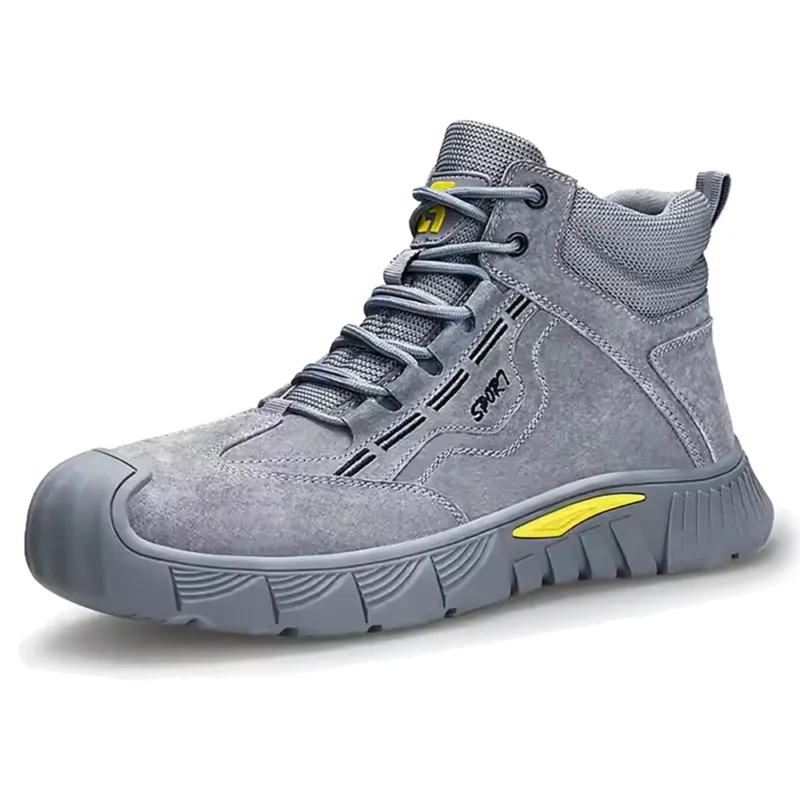
When your workday involves heavy machinery, falling objects, and unforgiving terrain, the Birks Defender Kevlar Steel Toe Safety Work Boots stand ready to protect you through it all. These boots deliver the exceptional durability, reliable protection, and all-day comfort you need to tackle any challenge and get the job done right, every single time.
Materials matter significantly. Full-grain leather resists abrasion better than corrected grain leather. Synthetic materials dry faster but lack breathability. Rubber compounds affect slip resistance and wear patterns.
Safety certifications verify protective capabilities. ASTM F2413 standards cover impact and compression resistance. Steel toes withstand 75 pounds of impact. Composite toes offer similar protection without metal. Alloy toes provide a middle ground for weight and strength.
The Evolution of Work Boot Manufacturing
Work boots originated in the early 1900s as industrial workers needed foot protection. Companies like Red Wing started in 1905, producing boots for miners and loggers. Chippewa began operations in 1901, focusing on logging boots for Wisconsin workers.
Manufacturing shifted dramatically in the 1980s. American companies moved production overseas to reduce costs. Some brands maintained domestic facilities. This split created two distinct market segments.
Modern manufacturing uses both traditional and automated methods. Hand-welting still exists in premium lines. Computer-controlled cutting ensures consistency in mass production. Quality control varies significantly between price points.
Top Work Boot Manufacturers Compared
| Brand | Price Range | Construction | Made In | Warranty | Best For |
|---|---|---|---|---|---|
| Red Wing | $200-$400 | Goodyear Welt | USA | 1 Year | All-purpose durability |
| Thorogood | $150-$300 | Goodyear Welt | USA | 1 Year | Value and comfort |
| Danner | $200-$450 | Stitchdown/Welt | USA/Asia | 1 Year | Hiking/outdoor work |
| Timberland PRO | $100-$250 | Cement/Direct | Asia | 30-90 Days | Budget conscious |
| Wolverine | $100-$300 | Various | USA/Asia | 30 Days | Wide selection |
| Caterpillar | $80-$200 | Cement | Asia | 30 Days | Construction sites |
| Ariat | $150-$300 | Cement | Asia/Mexico | 60 Days | Equestrian/ranch work |
Red Wing Shoes: Premium American Manufacturing
Red Wing maintains six manufacturing facilities in the United States. Their Heritage line uses traditional construction methods. Workers complete over 230 steps per boot. The company sources leather from S.B. Foot Tanning Company, their own subsidiary.
The Iron Ranger model exemplifies their craftsmanship. It features 8-inch height, Goodyear welt construction, and Vibram 430 Mini-lug outsole. The leather comes from full-grain Copper Rough and Tough hide. This boot costs approximately $350.
Red Wing’s work line includes electrical hazard protection and metatarsal guards. Their comfort force footbeds reduce fatigue. The company offers free resoling at their retail stores. This extends boot life beyond five years with proper care.
Customer complaints focus on break-in periods. New boots require 2-4 weeks of daily wear. The stiff leather causes blisters initially. However, properly broken-in Red Wings mold to foot shape precisely.
Thorogood: Value-Focused American Production
Thorogood operates under Weinbrenner Shoe Company, established in 1892. They produce boots in Wisconsin and maintain competitive pricing. Their American Heritage line costs $200-$250.
The 804-4200 model dominates construction markets. It features MAXWear Wedge slip-resistant outsole, Goodyear storm welt, and shock-absorbing footbed. The tobacco oil-tanned leather resists water and abrasion. Union workers assemble each pair.
Thorogood uses Dual Density Polyurethane in many models. This material provides cushioning and electrical hazard protection. Their moc-toe design distributes pressure across the toe box. Workers report all-day comfort without extensive break-in.
Quality control occasionally misses defects. Some customers receive boots with uneven stitching or glue residue. The company’s return policy addresses these issues promptly. Overall consistency remains high for the price point.
Danner: Specialized Outdoor Work Boots
Danner began in 1932, focusing on logging boots for Pacific Northwest workers. They pioneered Gore-Tex integration in work boots during the 1970s. This created a waterproof, breathable category.
The Quarry line serves mining and construction workers. It features alloy toes, electrical hazard protection, and Vibram SPE midsoles. The stitchdown construction allows for wider foot beds. Prices range from $250-$350.
Danner’s premium models use full-grain leather and recraftable construction. Their Portland factory handles specialty production. Standard models come from Asian facilities. Quality differs noticeably between origins.
Their boots excel in wet conditions. The Gore-Tex membrane keeps feet dry without sacrificing breathability. However, this membrane requires careful maintenance. Damage from chemicals or sharp objects compromises waterproofing permanently.
Timberland PRO: Mass Market Accessibility
Timberland PRO targets budget-conscious workers. Their boots cost $100-$200 for most models. The company uses direct attach construction extensively. This method bonds polyurethane soles directly to leather uppers.
Anti-Fatigue Technology distinguishes their product line. This geometric cone design in the midsole absorbs shock. Workers report reduced foot fatigue during 10-hour shifts. The technology adds $30-$40 to boot costs.
Quality varies significantly across their range. Premium models like the Boondock use better leather and reinforced stitching. Budget models sacrifice durability for affordability. Expect 12-18 months from entry-level boots versus 3-4 years from premium models.
Timberland PRO boots fit true to size generally. Their toe boxes accommodate wider feet better than Red Wing or Danner. This makes them popular for workers with foot problems. However, arch support remains minimal without aftermarket insoles.
Selecting Based on Work Environment
Construction workers need slip-resistant soles and puncture-resistant midsoles. Look for ASTM F2413-18 certification with PR rating. Cement construction suffices for 1-2 year replacement cycles. Thorogood and Caterpillar serve this market well.
Manufacturing and warehouse workers prioritize comfort over extreme durability. Static-dissipative or electrical hazard protection matters in specific environments. Direct attach polyurethane provides cushioning. Timberland PRO and Reebok Work offer appropriate options.
Outdoor workers including linemen and utility workers require waterproofing and insulation. Gore-Tex or proprietary membranes keep feet dry. 400-800 gram Thinsulate handles cold weather. Danner and Irish Setter specialize here.
Oil and gas workers face chemical exposure and extreme temperatures. Full-grain leather resists degradation. Chemical-resistant outsoles prevent sole deterioration. Red Wing and Wolverine produce suitable models.
When your workday involves heavy machinery, falling objects, and unforgiving terrain, the Birks Defender Kevlar Steel Toe Safety Work Boots stand ready to protect you through it all. These boots deliver the exceptional durability, reliable protection, and all-day comfort you need to tackle any challenge and get the job done right, every single time.
Breaking In and Maintaining Work Boots
New leather boots require proper break-in procedures:
- Wear boots for 2-3 hours daily initially
- Apply leather conditioner after first week
- Use thick socks to prevent blisters
- Gradually increase wearing time
- Expect 2-4 weeks for full break-in
Daily maintenance extends boot life significantly. Remove dirt and debris after each shift. This prevents leather degradation. Apply leather conditioner monthly. This maintains flexibility and water resistance.
Resoling saves money long-term. Goodyear welted boots accept new soles easily. Cobblers charge $80-$120 for complete resoles. This process works 2-3 times per boot. Cement construction cannot be resoled effectively.
Store boots properly between uses. Use boot trees to maintain shape. Allow 24 hours drying time between wears. Alternating between two pairs doubles overall lifespan. Keep boots away from direct heat sources.
Understanding Price-to-Value Ratios
Budget boots ($80-$150) last 12-18 months with daily use. They cost $0.15-$0.35 per day of wear. Construction uses cement or basic direct attach methods. Leather quality remains inconsistent.
Mid-range boots ($150-$250) provide 2-3 years of service. Daily cost drops to $0.15-$0.25. Better construction methods and materials justify higher initial investment. Thorogood and Wolverine dominate this segment.
Premium boots ($250-$400) last 5+ years with resoling. Daily cost reaches $0.10-$0.15. Goodyear welt construction and full-grain leather enable repairs. Red Wing and Danner exemplify this category.
Calculate total cost of ownership, not just purchase price. A $300 boot lasting five years costs less than three $120 boots over the same period. Factor in comfort improvements and reduced foot problems.
Common Work Boot Problems and Solutions
Heel slippage occurs in improperly sized boots. Try thicker socks or heel grips first. If problems persist, return for smaller size. Half sizes matter significantly in work boots.
Toe box pressure causes nail damage and blisterness. Steel toes require more room than composite alternatives. Order one width size up if needed. Leather stretches slightly but insufficient toe room never improves.
Arch pain indicates poor support. Most work boots lack proper arch support. Purchase quality aftermarket insoles. Superfeet and Powerstep provide appropriate options. This adds $40-$60 to total cost.
Premature sole wear suggests incorrect sizing or gait issues. Outsoles should last 12+ months. Uneven wear patterns indicate biomechanical problems. Consult a podiatrist for persistent issues.
Making Your Final Decision
Evaluate your specific work conditions first. Identify required safety certifications. Determine if waterproofing matters for your environment. Consider how often you can replace boots.
Budget appropriately for your usage level. Daily users benefit from premium boots. Occasional users can choose mid-range options. Never compromise on required safety features for cost savings.
Try boots before purchasing when possible. Walk around stores for 15-20 minutes. Bring work socks for accurate fitting. Order from retailers with generous return policies for online purchases.
Red Wing offers the best overall durability for daily industrial use. Thorogood provides excellent value for construction workers. Danner excels in outdoor and wet conditions. Timberland PRO serves budget-conscious buyers adequately.
Your feet carry you through long shifts. Invest appropriately in their protection and comfort. Quality work boots prevent injuries and reduce fatigue. The best work boot is the one that matches your specific needs and budget constraints.
When your workday involves heavy machinery, falling objects, and unforgiving terrain, the Birks Defender Kevlar Steel Toe Safety Work Boots stand ready to protect you through it all. These boots deliver the exceptional durability, reliable protection, and all-day comfort you need to tackle any challenge and get the job done right, every single time.
