Why Do My Work Boots Smell So Bad?

The Science Behind Boot Odor
Work boots trap sweat inside an enclosed space. Your feet contain over 250,000 sweat glands. These glands produce up to half a pint of moisture each day. The moisture cannot escape quickly from leather or synthetic materials.
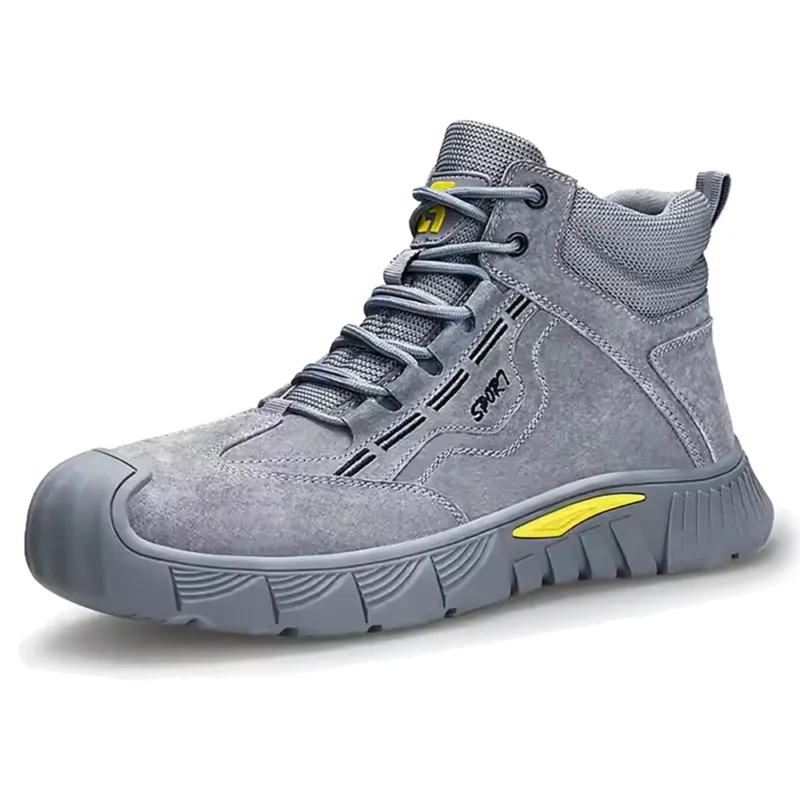
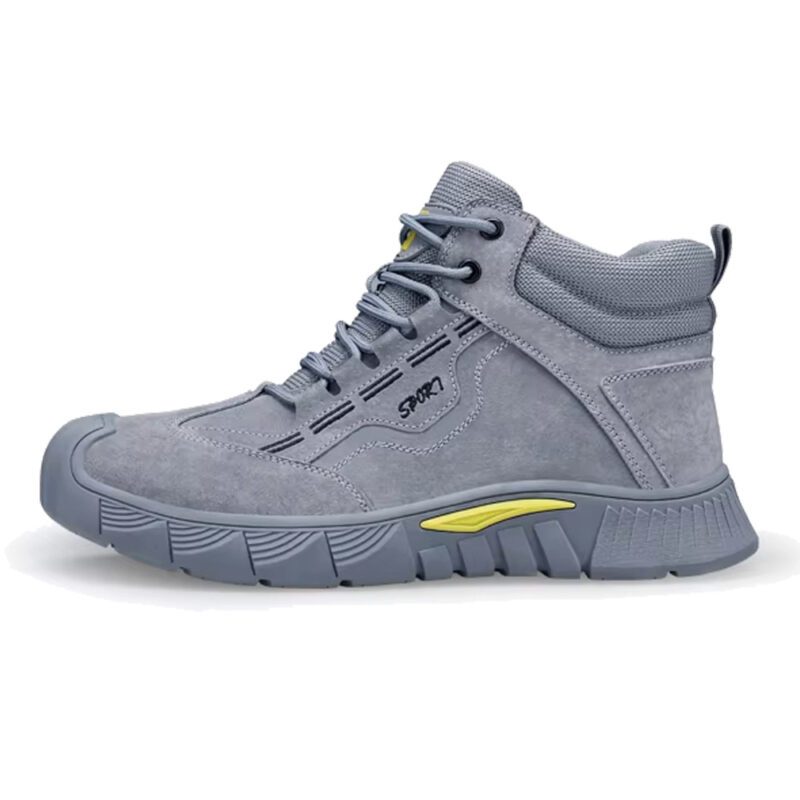
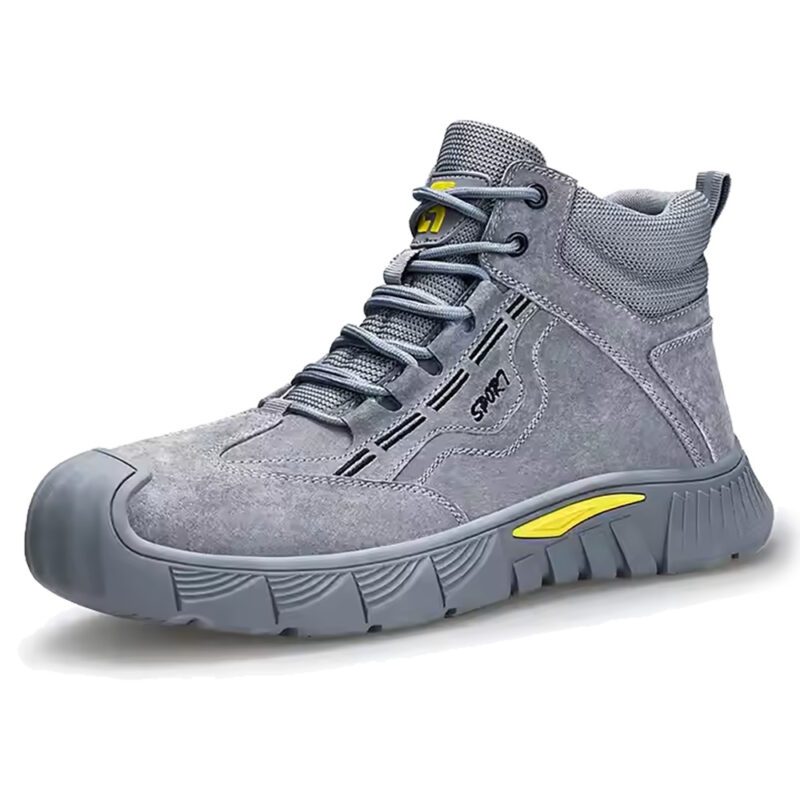
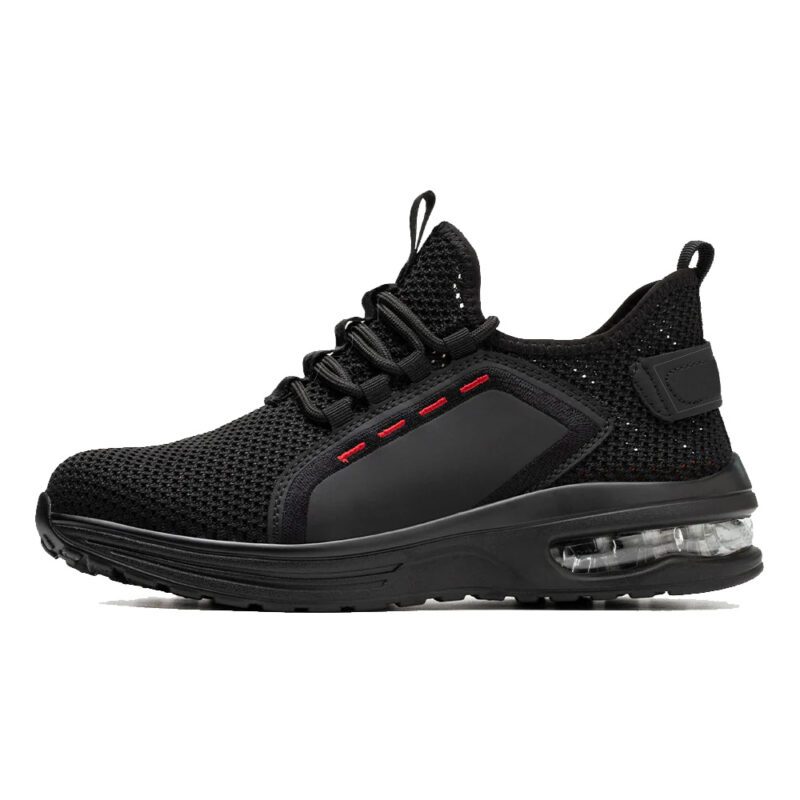
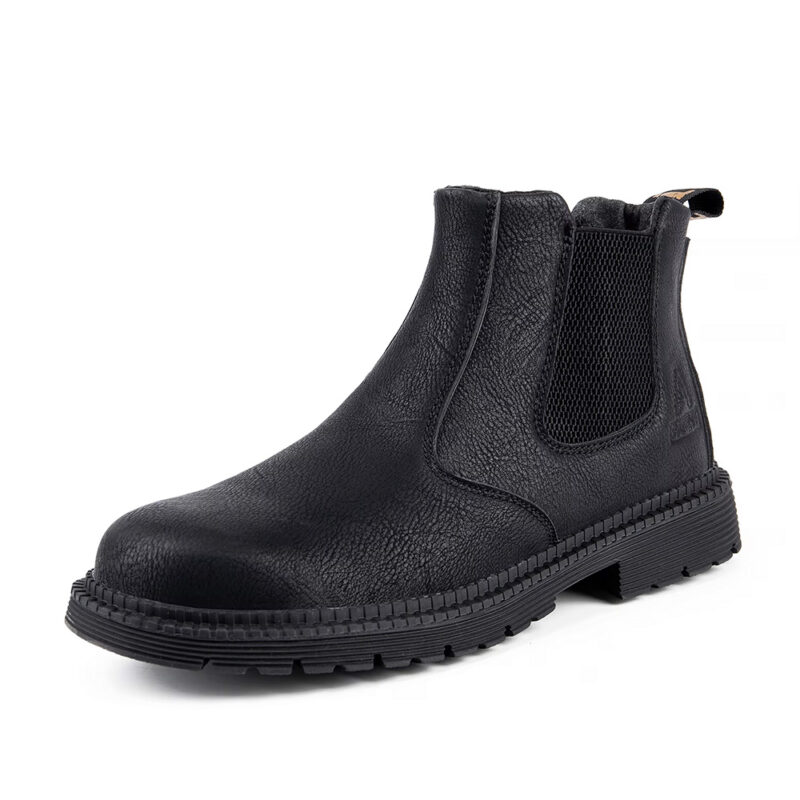
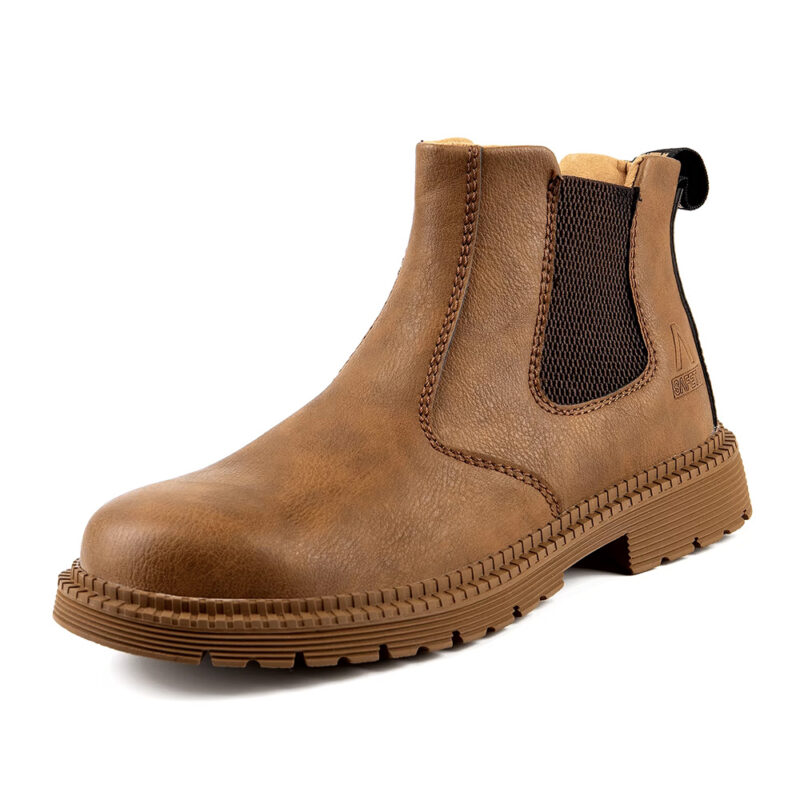
When your workday involves heavy machinery, falling objects, and unforgiving terrain, the Birks Defender Kevlar Steel Toe Safety Work Boots stand ready to protect you through it all. These boots deliver the exceptional durability, reliable protection, and all-day comfort you need to tackle any challenge and get the job done right, every single time.
Bacteria thrive in warm, moist environments. The bacteria break down sweat into isovaleric acid. This acid creates the distinctive smell you recognize from worn boots. The bacteria multiply rapidly when conditions remain favorable for extended periods.
Temperature plays a critical role. The average foot temperature ranges from 90 to 95 degrees Fahrenheit during work. This warmth accelerates bacterial growth inside your boots. The confined space concentrates odor molecules.
Common Causes of Work Boot Odor
Excessive Sweating
Some people sweat more than others due to genetics. Medical conditions like hyperhidrosis increase sweat production significantly. Work environments with high temperatures worsen the problem. Physical labor raises body temperature and triggers more sweating.
Poor Boot Ventilation
Many work boots prioritize protection over breathability. Steel-toe designs often use thick materials that block airflow. Waterproof membranes prevent moisture from escaping. The lack of ventilation creates a breeding ground for bacteria.
Inadequate Drying Time
Workers often wear the same boots day after day. Boots need 24 to 48 hours to dry completely. Moisture remains trapped in the insoles and lining. This retained moisture feeds bacterial colonies continuously.
Worn-Out Insoles
Insoles absorb the most sweat during wear. Old insoles become saturated with bacteria over time. The foam breaks down and holds more moisture. Degraded materials cannot resist bacterial colonization effectively.
Sock Material Choices
Cotton socks absorb moisture but dry slowly. Wet cotton provides ideal conditions for bacteria. Synthetic blends or merino wool offer better moisture management. The wrong sock material contributes directly to boot odor.
Materials That Make Boot Odor Worse
| Material Type | Moisture Retention | Bacterial Growth Risk | Drying Time |
|---|---|---|---|
| Full-grain leather | Low to moderate | Moderate | 24-48 hours |
| Synthetic leather | High | High | 12-24 hours |
| Rubber | Very high | Very high | 48+ hours |
| Gore-Tex lining | Moderate | Moderate | 24-36 hours |
| EVA foam insoles | High | High | 24+ hours |
Rubber boots trap the most moisture. The non-porous material prevents any evaporation. Synthetic materials often lack the natural antimicrobial properties found in quality leather. Full-grain leather remains the best choice for breathability.
Immediate Solutions to Reduce Boot Odor
Daily Boot Care Routine
Remove your boots immediately after work. Loosen all laces completely. Pull the tongue forward to open the boot interior. This simple step increases air circulation by 300 percent.
Place boots in a well-ventilated area. Avoid storing them in closed lockers or sealed containers. Use boot dryers with gentle heat settings. High temperatures damage leather and adhesives.
Insole Replacement Strategy
Replace insoles every three to six months. Active workers should replace them monthly. Choose insoles with activated charcoal or copper-infused materials. These materials naturally inhibit bacterial growth.
Remove insoles daily and let them air separately. Wash removable insoles weekly in mild soap. Allow 24 hours for complete drying before reinstalling them.
Sock Rotation System
Wear different socks each day. Invest in moisture-wicking materials designed for work boots. Merino wool regulates temperature and resists odor naturally. Change socks during long shifts if possible.
Wash work socks in hot water. Hot water kills bacteria more effectively than cold water. Add white vinegar to the rinse cycle. Vinegar neutralizes odor-causing compounds.
Deep Cleaning Methods for Smelly Work Boots
Baking Soda Treatment
Sprinkle two tablespoons of baking soda inside each boot. Shake the boot to distribute powder evenly. Leave the powder overnight or for 24 hours. Baking soda absorbs moisture and neutralizes acids.
Vacuum out the powder thoroughly. Residual powder can create a paste with new sweat. Repeat this treatment weekly for boots with persistent odor.
White Vinegar Solution
Mix equal parts white vinegar and water. Spray the solution inside the boots lightly. Wipe down all interior surfaces with a cloth. Vinegar kills bacteria and breaks down odor molecules.
Let boots dry completely in open air. The vinegar smell dissipates as boots dry. This method works well for rubber and synthetic boots.
Freezing Method
Place boots in large plastic bags. Seal the bags tightly. Put them in a freezer for 24 to 48 hours. Freezing temperatures kill most odor-causing bacteria.
Remove boots and let them return to room temperature naturally. This method works best for boots you can remove from rotation temporarily.
Commercial Enzyme Cleaners
Enzyme-based cleaners break down organic compounds in sweat. Spray the cleaner inside boots according to product instructions. These cleaners target the source rather than masking odor.
Many enzyme cleaners require several hours to work effectively. Apply them at night and let boots dry during the day.
Prevention Strategies for Long-Term Odor Control
Boot Rotation System
Own at least two pairs of work boots. Alternate pairs daily. This rotation gives each pair 48 hours to dry completely. The investment pays off through extended boot life.
Mark each pair with the days you wear them. Create a simple rotation schedule. Consistency prevents moisture buildup in any single pair.
Boot Dryer Investment
Electric boot dryers cost between $30 and $80. These devices circulate warm air through boots safely. Most models include timers and temperature controls.
Use boot dryers after every shift. Set the temperature to low or medium settings. High heat damages boot materials and shortens their lifespan.
Antimicrobial Sprays
Apply antimicrobial sprays weekly to boot interiors. Products containing tea tree oil or silver ions work effectively. These sprays create an environment hostile to bacteria.
Let the spray dry completely before wearing boots. Reapply after deep cleaning treatments. Most antimicrobial sprays remain effective for seven to ten days.
Cedar Shoe Trees
Cedar absorbs moisture naturally. The wood also releases oils that repel bacteria. Insert cedar shoe trees immediately after removing boots.
Full cedar trees work better than toe-only inserts. The trees maintain boot shape while fighting odor. Replace cedar trees annually as their effectiveness diminishes.
When your workday involves heavy machinery, falling objects, and unforgiving terrain, the Birks Defender Kevlar Steel Toe Safety Work Boots stand ready to protect you through it all. These boots deliver the exceptional durability, reliable protection, and all-day comfort you need to tackle any challenge and get the job done right, every single time.
Medical Conditions That Worsen Boot Odor
Hyperhidrosis
This condition causes excessive sweating beyond normal thermoregulation. People with hyperhidrosis may sweat constantly regardless of temperature. Medical treatments include prescription antiperspirants and Botox injections.
Consult a doctor if your feet sweat excessively during rest. Clinical-strength solutions exist for this condition. Standard boot care methods provide limited relief without medical intervention.
Athlete’s Foot
This fungal infection creates additional odor compounds. The fungus thrives in the same conditions as bacteria. Athlete’s foot requires antifungal medications for treatment.
Symptoms include itching, burning, and cracked skin. Treat the infection completely before focusing on boot odor. Infected feet will continue contaminating clean boots.
Diabetes-Related Issues
Diabetes affects foot health in multiple ways. Poor circulation reduces natural temperature regulation. Some diabetics experience abnormal sweating patterns. Regular podiatrist visits help manage these complications.
Choosing Boots That Resist Odor
Breathable Construction Features
Look for boots with mesh panels in non-critical areas. Perforated insoles increase airflow significantly. Moisture-wicking linings pull sweat away from skin.
Avoid completely waterproof boots unless your job requires them. Water resistance differs from waterproofing. Water-resistant boots allow some vapor escape.
Antimicrobial Treatment Options
Many manufacturers now treat boot linings with antimicrobial agents. Silver-ion technology prevents bacterial colonization effectively. Copper-infused materials offer similar benefits.
These treatments last for the boot’s lifetime in most cases. Ask about antimicrobial features when purchasing new work boots.
Removable Insole Systems
Boots with removable insoles allow better hygiene maintenance. You can wash or replace insoles easily. This feature provides flexibility in odor management.
Test the insole removal before purchase. Some “removable” insoles require excessive force to extract.
Historical Context of Work Boot Odor Management
Work boot odor has challenged laborers for centuries. Early workers stuffed boots with straw or newspaper overnight. These materials absorbed limited moisture. The industrial revolution introduced rubber boots that trapped even more moisture.
Military organizations developed early antimicrobial treatments during World War II. Soldiers in tropical climates faced severe foot odor and rot. The research led to modern moisture-wicking fabrics and treatments.
Manufacturers began using synthetic materials in the 1970s. These materials reduced costs but often increased odor problems. The 1990s brought breathable membrane technology. Modern boots balance protection with comfort better than ever before.
Summary: Your Complete Boot Odor Elimination Plan
Start with immediate action steps. Remove boots after work and open them completely. Replace insoles every three months minimum. Rotate between two pairs of boots daily.
Implement deep cleaning monthly using baking soda or vinegar treatments. Invest in a quality boot dryer for daily use. Apply antimicrobial sprays weekly.
Choose the right socks made from merino wool or synthetic blends. Wash work socks in hot water with vinegar. Address any underlying medical conditions affecting foot sweat.
Consider antimicrobial-treated boots for your next purchase. Look for breathable construction features. Removable insoles provide better long-term hygiene management.
Boot odor results from preventable conditions. Consistent care eliminates the problem for most workers. The investment in proper maintenance extends boot life significantly. Your feet and coworkers will appreciate the effort.
Take action today rather than waiting for odor to worsen. Small daily habits prevent major problems. Clean, dry boots protect your health and professional image.
When your workday involves heavy machinery, falling objects, and unforgiving terrain, the Birks Defender Kevlar Steel Toe Safety Work Boots stand ready to protect you through it all. These boots deliver the exceptional durability, reliable protection, and all-day comfort you need to tackle any challenge and get the job done right, every single time.