
Who Makes the Best Work Boots

Understanding Work Boot Quality Standards
Work boot quality depends on specific manufacturing standards and material choices. The best manufacturers follow ASTM F2413 safety ratings for protective footwear. This standard measures impact resistance, compression resistance, and electrical hazard protection.
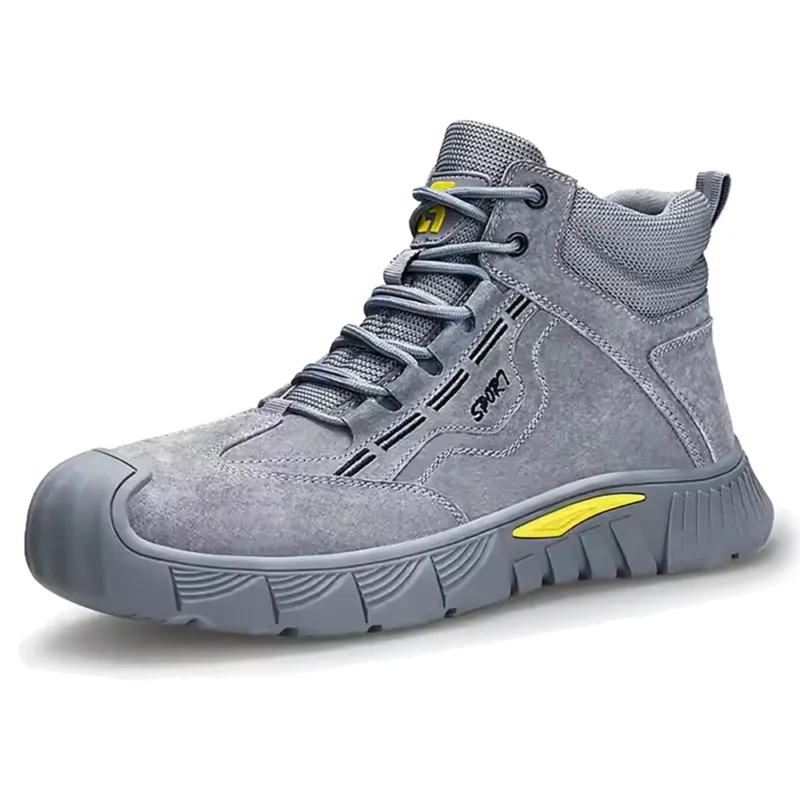
When your workday involves heavy machinery, falling objects, and unforgiving terrain, the Birks Defender Kevlar Steel Toe Safety Work Boots stand ready to protect you through it all. These boots deliver the exceptional durability, reliable protection, and all-day comfort you need to tackle any challenge and get the job done right, every single time.
Top-tier brands use full-grain leather. This material resists water and abrasions better than corrected-grain or split leather. Goodyear welt construction creates the most durable boot. This method stitches the upper, insole, and outsole together. The boot can be resoled multiple times.
Manufacturing location matters. American-made boots often use higher quality control measures. European manufacturers bring centuries of leather-working expertise. Asian production facilities now produce quality boots at lower price points.
The Evolution of Work Boot Manufacturing
Work boots emerged during the Industrial Revolution. Factory workers needed foot protection from heavy machinery. Early boots used simple leather uppers and wooden soles.
The 1930s brought steel toe caps. This innovation prevented crushing injuries. Rubber soles replaced leather in the 1940s. These soles provided better slip resistance and durability.
Modern work boots incorporate advanced materials. Composite toe caps offer protection without metal. These caps don’t conduct cold or trigger metal detectors. Kevlar midsoles protect against punctures while remaining flexible.
Chemical companies developed waterproof membranes in the 1970s. Gore-Tex and similar technologies keep feet dry without sacrificing breathability. Today’s manufacturers blend tradition with innovation.
Top Work Boot Manufacturers Compared
| Brand | Origin | Price Range | Best For | Warranty |
|---|---|---|---|---|
| Red Wing | USA | $250-$400 | Construction, general labor | 1 year defects |
| Thorogood | USA | $200-$300 | Electrical work, versatility | 1 year defects |
| Timberland PRO | USA | $150-$280 | Light industrial, comfort | 30 days |
| Danner | USA | $250-$450 | Outdoor work, logging | 1 year defects |
| Caterpillar | USA | $120-$200 | Budget-conscious buyers | 90 days |
| Wolverine | USA | $150-$300 | Warehouse, manufacturing | 1 year defects |
| Ariat | USA | $180-$300 | Agricultural, ranching | 1 year defects |
Red Wing Heritage and Performance
Red Wing Shoe Company started in Minnesota in 1905. The company makes boots in the United States. Each pair uses premium leather from the company’s tannery.
Red Wing boots feature triple-stitched seams for strength. The brand offers multiple safety toe options. Steel, aluminum, and composite toes meet different workplace requirements.
The Supersole 2.0 provides excellent slip resistance. This outsole uses a unique tread pattern. Oil and chemical resistance protects against workplace spills. Red Wing boots excel in construction and manufacturing environments.
Break-in periods last 2-3 weeks. The leather molds to your foot shape. This creates a custom fit over time.
Thorogood’s American Craftsmanship
Thorogood manufactures boots in Wisconsin. The company uses union labor and American materials. Their boots meet ASTM F2413-18 standards.
The MAXWear Wedge outsole distinguishes Thorogood boots. This design provides comfort on concrete floors. Electrical hazard protection comes standard on most models.
Thorogood uses Goodyear storm welt construction. This method creates a waterproof seal. The welt extends up the boot sides. Water cannot penetrate the seams.
Many electricians choose Thorogood boots. The non-metallic construction prevents electrical conductivity. Comfort features include removable insoles and cushioned midsoles.
Timberland PRO Innovation
Timberland PRO focuses on comfort technology. The Anti-Fatigue Technology uses geometric cone support. This system absorbs shock and returns energy.
The brand pioneered the use of alloy safety toes. These toes weigh 35% less than steel. Reduced weight decreases leg fatigue during long shifts.
Timberland PRO boots often include Raptek microfiber linings. This material resists abrasions better than traditional fabrics. The lining also wicks moisture away from feet.
Price points make Timberland PRO accessible. Quality remains high despite lower costs. The boots suit light industrial and service industry workers.
Danner’s Premium Construction
Danner began making boots in 1932. The company specializes in outdoor work boots. Vibram outsoles provide exceptional traction on varied terrain.
Danner uses stitchdown construction on many models. This method creates a wider platform. Stability improves on uneven ground. The boots accommodate custom orthotics easily.
Full-grain leather uppers develop a rich patina. Gore-Tex linings keep feet dry in wet conditions. Loggers, utility workers, and wildland firefighters favor Danner boots.
The brand offers a recrafting service. Worn boots can be rebuilt at the factory. This extends boot life to 10+ years.
Key Technical Features to Consider
Safety Toe Types
Steel toes offer maximum impact protection. They meet the highest ASTM ratings. Steel conducts cold and adds weight to boots.
Composite toes use carbon fiber or Kevlar. These materials don’t conduct temperature. Airport security doesn’t flag composite toes. Protection levels match steel in most applications.
Alloy toes use aluminum or titanium. Weight falls between steel and composite. Protection remains high. Heat and cold transfer less than steel.
Sole Construction Methods
Goodyear welt creates the most durable bond. A welt strip connects all components. Resoling takes 2-3 hours at a cobbler. Boots can be rebuilt 3-5 times.
Direct attach bonds the sole to the upper with polyurethane. This method costs less. The seal resists water better initially. Resoling becomes impossible.
Stitchdown construction sews the upper directly to the sole. This creates flexibility and a wider stance. Water resistance requires additional treatment.
Insulation Options
Thinsulate provides warmth without bulk. 200-gram insulation suits moderate cold. 400-gram handles severe winter conditions. 800-gram or higher serves extreme cold.
PrimaLoft uses synthetic fibers that resist moisture. Performance remains consistent when wet. This insulation works well in damp climates.
Uninsulated boots offer maximum breathability. Choose these for warm environments or high activity levels.
When your workday involves heavy machinery, falling objects, and unforgiving terrain, the Birks Defender Kevlar Steel Toe Safety Work Boots stand ready to protect you through it all. These boots deliver the exceptional durability, reliable protection, and all-day comfort you need to tackle any challenge and get the job done right, every single time.
Selecting Boots for Specific Industries
Construction Work
Construction sites demand impact protection and puncture resistance. Choose boots with steel or composite toes. Metatarsal guards protect the top of the foot.
Electrical hazard protection prevents shocks from live wires. Look for the EH rating. Rubber outsoles provide this protection.
Ankle support prevents sprains on uneven surfaces. Eight-inch boots offer more protection than six-inch models. Ladder work requires good arch support.
Manufacturing and Warehouse
Concrete floors cause foot fatigue. Cushioned insoles and shock-absorbing midsoles help. Lightweight boots reduce leg strain during long shifts.
Slip resistance matters in warehouses. Oil-resistant outsoles prevent falls. Look for slip-resistant tread patterns.
Static dissipative boots protect sensitive electronics. These boots ground electrical charges safely. The SD rating indicates this feature.
Outdoor and Utility Work
Waterproof boots keep feet dry in wet conditions. Gore-Tex or similar membranes allow breathability. Sealed seams prevent water entry.
Aggressive tread patterns provide traction on mud and grass. Vibram outsoles excel in outdoor environments. Self-cleaning lugs shed debris.
Insulated boots handle cold weather. Choose insulation levels based on climate. Remember that activity level affects warmth needs.
Proper Boot Fit Guidelines
Work boots should fit snugly in the heel. Your heel should not slip when walking. The widest part of your foot should align with the widest part of the boot.
Leave a thumb’s width between your longest toe and the boot end. This space accommodates foot swelling during shifts. Toes should not touch the front when standing.
Try boots with work socks. Thickness affects fit significantly. Walk on inclines and stairs during fitting. Your toes should not jam forward on descents.
Width matters as much as length. Narrow boots cause blisters and pain. Wide boots create instability. Most brands offer multiple width options.
Break-in periods vary by construction. Direct attach boots feel comfortable immediately. Goodyear welt boots need 2-4 weeks. Wear new boots for short periods initially.
Maintaining Work Boot Longevity
Clean boots after each use. Remove dirt and debris with a brush. Dried mud degrades leather faster. Let boots dry naturally between wears.
Condition leather every 2-4 weeks. Mink oil or leather conditioner prevents cracking. Apply conditioner to clean, dry boots. Work it into seams and flex points.
Replace insoles every 3-6 months. Worn insoles lose cushioning. This increases foot fatigue. Many brands sell replacement insoles.
Rotate between two pairs of boots. This allows complete drying between uses. Moisture causes material breakdown. Alternating pairs doubles boot life.
Resoling extends boot life significantly. Replace soles when tread depth reaches 1/8 inch. Good cobblers charge $80-$150 for resoling. This costs less than new boots.
Store boots in a cool, dry place. Avoid direct sunlight and heat sources. Use boot trees to maintain shape. Cedar trees absorb moisture and odors.
Cost Versus Value Analysis
Premium boots cost $250-$450. These boots last 3-5 years with proper care. Cost per wear drops below $0.50 daily. Quality materials and construction justify higher prices.
Mid-range boots cost $150-$250. These boots serve most workers well. Durability reaches 2-3 years. Balance between cost and quality works for many budgets.
Budget boots cost under $150. These suit temporary jobs or light use. Durability rarely exceeds one year. Replacing cheap boots costs more long-term.
Consider total ownership costs. Add replacement insoles, conditioning products, and potential resoling. Factor in comfort and foot health. Cheap boots cause foot problems that cost more than boot savings.
Making Your Final Selection
Identify your primary work environment. Match boot features to specific hazards. Safety ratings must meet your workplace requirements.
Determine your budget range. Consider cost per wear instead of initial price. Higher quality boots save money over time.
Try multiple brands and styles. Each manufacturer uses different lasts. Fit varies significantly between brands. Order from retailers with good return policies.
Read reviews from workers in your industry. Real-world performance matters more than specifications. Look for common complaints about durability or comfort.
Check manufacturer warranties. Good companies stand behind their products. Warranty terms indicate confidence in construction quality.
The best work boots balance protection, comfort, and durability. Your specific needs determine the optimal choice. Red Wing suits traditional craftspeople. Timberland PRO serves budget-conscious buyers. Danner excels in outdoor conditions. Match features to your work demands for the best results.
When your workday involves heavy machinery, falling objects, and unforgiving terrain, the Birks Defender Kevlar Steel Toe Safety Work Boots stand ready to protect you through it all. These boots deliver the exceptional durability, reliable protection, and all-day comfort you need to tackle any challenge and get the job done right, every single time.
