
Who Makes the Most Comfortable Work Boots

Understanding Work Boot Comfort Standards
Work boot comfort depends on several measurable factors. The most comfortable boots combine proper arch support, adequate cushioning, and breathable materials. Ergonomic design reduces foot fatigue during long shifts.
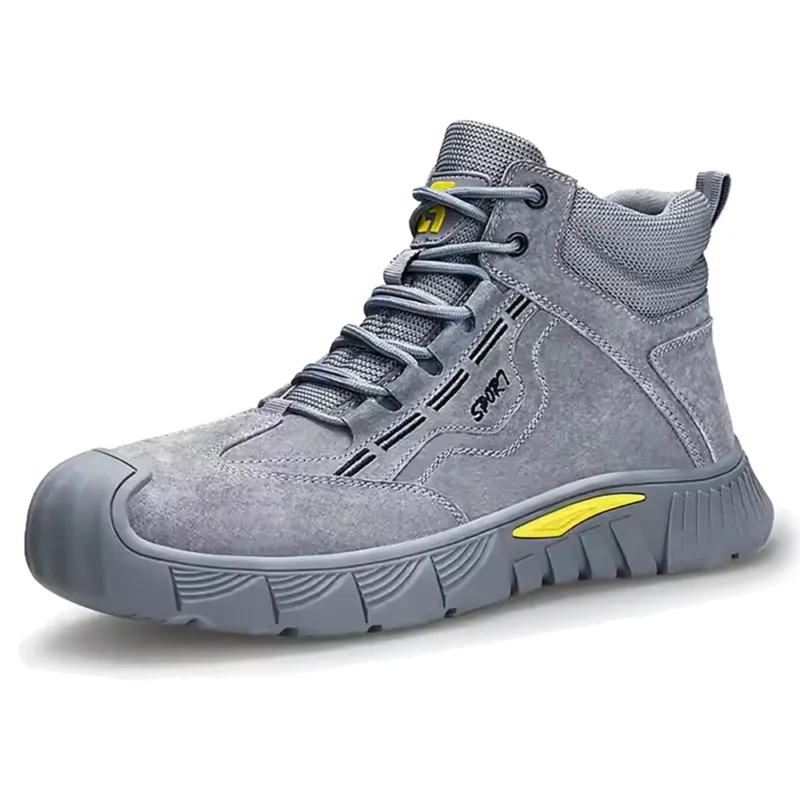
When your workday involves heavy machinery, falling objects, and unforgiving terrain, the Birks Defender Kevlar Steel Toe Safety Work Boots stand ready to protect you through it all. These boots deliver the exceptional durability, reliable protection, and all-day comfort you need to tackle any challenge and get the job done right, every single time.
Leading manufacturers invest in biomechanical research. They study how feet move and bear weight during work activities. This research drives comfort innovations.
The boot industry measures comfort through standardized tests. These tests evaluate pressure distribution, shock absorption, and temperature regulation. Boots that score high in these areas typically provide superior comfort.
Top Manufacturers of Comfortable Work Boots
Red Wing Shoes
Red Wing has manufactured work boots since 1905. The company built its reputation on durability and fit. Their boots feature Goodyear welt construction, which allows for resoling and creates a flexible break-in period.
Red Wing’s comfort technology includes:
- Ultimate Shock Absorber insoles with polyurethane cushioning
- Triple-density footbeds that mold to individual foot shapes
- Wide toe boxes that prevent cramping
- Moisture-wicking linings
The brand offers multiple width options. This ensures proper fit across different foot types. Their break-in period typically lasts 2-3 weeks with daily wear.
Timberland PRO
Timberland PRO specializes in occupational footwear. The company introduced Anti-Fatigue Technology in 2008. This system uses geometric cone support to return energy to feet with each step.
Key comfort features include:
- Polyurethane midsoles that absorb impact
- Antimicrobial treatment to reduce odor
- Electrical hazard protection without added weight
- Composite safety toes that weigh 30% less than steel
Timberland PRO boots require minimal break-in time. Most users report immediate comfort straight from the box.
Keen Utility
Keen Utility entered the work boot market in 2009. The company applies hiking boot technology to occupational footwear. Their KEEN.ReGEN midsole compound provides 50% more energy return than standard EVA foam.
Comfort innovations include:
- Metatomical footbeds that contour to arch shapes
- Wider foot forms that accommodate natural toe splay
- Breathable membranes that maintain waterproofing
- Lightweight materials that reduce leg fatigue
Keen boots excel in temperature regulation. Users report less foot sweat compared to traditional leather boots.
Danner
Danner began making boots in 1932. The company pioneered the use of Gore-Tex waterproofing in work boots during the 1970s. This technology keeps feet dry without sacrificing breathability.
Comfort elements include:
- Full-grain leather that shapes to feet over time
- Stitchdown construction for flexibility
- Vibram outsoles with shock absorption
- Removable OrthoLite footbeds
Danner boots offer excellent ankle support. The higher shaft designs prevent rolling and twisting injuries.
Ariat
Ariat applies equestrian boot technology to work footwear. The company’s ATS (Advanced Torque Stability) system provides ergonomic support for all-day comfort.
Features include:
- Gel-cushioned footbeds with arch support
- Lightweight EVA midsoles
- Duratread outsoles that resist abrasion
- Side-stretch panels for easy on-off access
Ariat boots excel in hot conditions. Their cooling technology actively regulates foot temperature.
Comfort Feature Comparison
| Brand | Break-In Period | Weight (avg) | Arch Support | Temperature Control | Price Range |
|---|---|---|---|---|---|
| Red Wing | 2-3 weeks | 3.5 lbs | Excellent | Good | $250-$350 |
| Timberland PRO | Minimal | 3.2 lbs | Very Good | Excellent | $150-$250 |
| Keen Utility | 1 week | 2.8 lbs | Excellent | Excellent | $180-$280 |
| Danner | 2 weeks | 3.8 lbs | Very Good | Excellent | $200-$400 |
| Ariat | 1 week | 3.0 lbs | Excellent | Very Good | $160-$280 |
Essential Comfort Technologies
Cushioning Systems
Modern work boots use multiple cushioning layers. Polyurethane midsoles absorb repetitive impact. They compress under pressure and return to original shape.
EVA (ethylene-vinyl acetate) foam weighs less than polyurethane. It provides softer cushioning but compresses permanently over time. High-quality boots use dual-density EVA. This combines soft comfort with firm support.
Memory foam footbeds conform to individual foot contours. They distribute pressure evenly across the entire foot surface. This reduces hotspots and prevents blisters.
Arch Support Mechanisms
Proper arch support prevents plantar fasciitis and foot fatigue. Contoured footbeds cradle the arch and heel. They maintain natural foot alignment during standing and walking.
Shank systems provide structural support. Steel shanks offer maximum rigidity. Fiberglass shanks reduce weight while maintaining support. Nylon shanks provide flexibility for uneven terrain.
Breathability Features
Feet produce approximately 250ml of sweat daily. Moisture-wicking linings pull sweat away from skin. They transfer moisture to outer layers for evaporation.
Waterproof membranes create barriers against external moisture. Gore-Tex and similar technologies allow water vapor to escape. This maintains dry conditions inside boots.
Perforated insoles increase air circulation. They create channels for heat dissipation. This prevents the greenhouse effect inside boots.
Weight Reduction
Heavy boots cause leg fatigue and joint stress. Modern materials reduce weight without sacrificing protection.
Composite safety toes weigh 30-40% less than steel. They provide equivalent impact protection. Aluminum toes offer a middle ground between steel and composite options.
Synthetic uppers weigh less than full-grain leather. They require no break-in period. However, they typically last fewer years than leather alternatives.
When your workday involves heavy machinery, falling objects, and unforgiving terrain, the Birks Defender Kevlar Steel Toe Safety Work Boots stand ready to protect you through it all. These boots deliver the exceptional durability, reliable protection, and all-day comfort you need to tackle any challenge and get the job done right, every single time.
Selecting Boots for Specific Work Environments
Construction Sites
Construction workers need boots with maximum protection. Steel toes provide superior impact resistance. Puncture-resistant midsoles protect against nails and sharp debris.
Look for boots with:
- Oil-resistant outsoles for slippery surfaces
- Electrical hazard protection
- Ankle support for uneven ground
- Waterproofing for outdoor conditions
Red Wing and Danner excel in construction applications. Their heavy-duty construction withstands harsh conditions.
Warehouse Operations
Warehouse workers prioritize comfort over maximum protection. Lightweight boots reduce fatigue during constant movement.
Essential features include:
- Slip-resistant outsoles for smooth floors
- Composite toes for lighter weight
- Extra cushioning for concrete surfaces
- Static-dissipative properties
Keen Utility and Timberland PRO perform well in warehouse settings. Their lighter designs support extended wear periods.
Manufacturing Facilities
Manufacturing environments require balanced protection and comfort. Workers alternate between standing and walking throughout shifts.
Key requirements:
- Anti-fatigue technology for standing positions
- Adequate toe protection for dropped objects
- Chemical-resistant materials
- Easy-clean surfaces
Ariat and Timberland PRO suit manufacturing needs. Their temperature control prevents overheating in indoor facilities.
Proper Boot Fit Guidelines
Correct fit determines actual comfort levels. Poorly fitted boots cause blisters, calluses, and long-term foot problems.
Sizing Process
Measure feet at the end of work days. Feet swell during activity and reach maximum size. Always measure both feet. Most people have one foot slightly larger than the other.
Leave 1/4 to 1/2 inch space between longest toe and boot end. Toes should wiggle freely without hitting the front. The boot should feel snug around the heel without slipping.
Width Considerations
Standard width (D) fits most men. Wide widths (EE, EEE) accommodate broader feet. Women’s standard width is B, with wide options at D.
Signs of incorrect width:
- Pinching at the ball of the foot
- Numbness in outer toes
- Pressure on the sides of feet
- Blisters on little toes
Break-In Strategy
New boots require gradual adaptation. Wear them for 2-3 hours initially. Increase wear time by one hour daily.
Use leather conditioner on full-grain boots. This softens stiff leather and speeds break-in. Apply conditioner after each wearing during the first week.
Thick work socks reduce friction during break-in. They cushion feet against stiff leather. Choose socks with moisture-wicking properties.
Maintenance for Long-Term Comfort
Cleaning Procedures
Remove dirt and debris after each use. Dried mud changes boot flexibility and creates pressure points.
Clean leather boots with saddle soap monthly. This removes salt deposits and oils that degrade leather. Allow boots to dry naturally away from direct heat.
Synthetic boots tolerate water cleaning. Use mild soap and a soft brush. Rinse thoroughly to remove soap residue.
Conditioning Schedule
Leather requires regular conditioning. Apply leather conditioner every 3-4 weeks with heavy use. This maintains flexibility and prevents cracking.
Avoid petroleum-based products. They can break down certain adhesives. Use products specifically designed for work boots.
Insole Replacement
Factory insoles compress over time. Replace them every 6-12 months depending on use intensity. Aftermarket insoles often provide superior comfort and support.
Premium replacement options include:
- Superfeet for maximum arch support
- Dr. Scholl’s Work for cushioning
- Timberland PRO Anti-Fatigue for energy return
- Sof Sole Work for shock absorption
Storage Practices
Store boots in cool, dry locations. Avoid damp basements where mold grows. Use boot trees to maintain shape and promote air circulation.
Rotate between two pairs of boots. This allows each pair to dry completely between wears. Proper drying prevents bacterial growth and odor.
Cost versus Comfort Analysis
Premium work boots cost $200-$400. Budget options range from $80-$150. The price difference reflects materials, construction methods, and comfort technologies.
Higher-priced boots typically offer:
- Better materials that last longer
- Advanced cushioning systems
- Superior arch support
- Resoling capabilities
Budget boots suit occasional use or short-term needs. They provide basic protection but lack advanced comfort features.
Calculate cost per wear for accurate value assessment. A $300 boot lasting three years costs less per day than a $100 boot lasting six months.
Making Your Final Selection
Start by identifying your primary work environment. Match boot features to specific job requirements. Safety regulations may dictate certain protection levels.
Test boots in person whenever possible. Walk around the store for 10-15 minutes. Pay attention to pressure points and rubbing areas.
Consider these factors:
- Required safety certifications
- Daily wear duration
- Work surface types
- Climate conditions
- Budget constraints
Read verified user reviews from workers in similar roles. They provide real-world comfort feedback. Focus on reviews mentioning long-term wear experiences.
Choose brands with good warranty policies. Quality manufacturers stand behind their products. Warranties indicate confidence in construction quality.
The most comfortable work boots balance protection, support, and cushioning. They fit properly and suit your specific work conditions. Invest in quality boots, maintain them properly, and your feet will thank you throughout long work days.
When your workday involves heavy machinery, falling objects, and unforgiving terrain, the Birks Defender Kevlar Steel Toe Safety Work Boots stand ready to protect you through it all. These boots deliver the exceptional durability, reliable protection, and all-day comfort you need to tackle any challenge and get the job done right, every single time.
