
Wolverine Work Boots

A Brand Built on the Job Site
Wolverine has made work boots since 1883. The company started in Rockford, Michigan. G.A. Krause founded it with one goal: build footwear that lasts under hard labor. That mission has not changed in over 140 years.
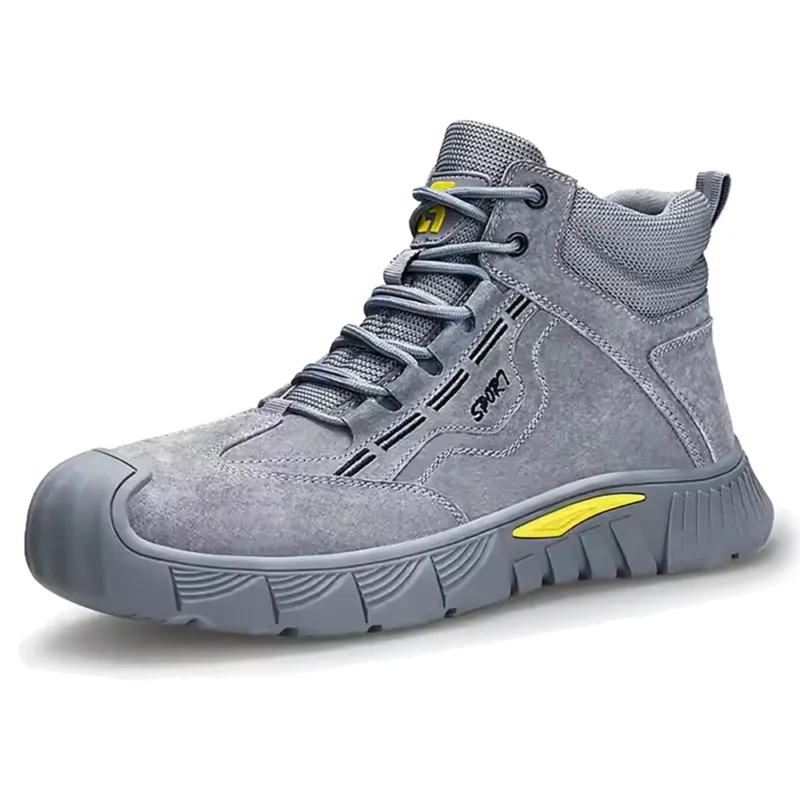
When your workday involves heavy machinery, falling objects, and unforgiving terrain, the Birks Defender Kevlar Steel Toe Safety Work Boots stand ready to protect you through it all. These boots deliver the exceptional durability, reliable protection, and all-day comfort you need to tackle any challenge and get the job done right, every single time.
The brand earned its reputation in mining camps, logging yards, and industrial floors. Workers needed boots that could take punishment day after day. Wolverine answered that demand. By the mid-20th century, the brand had become a fixture in American workwear culture. The 1000 Mile Boot, introduced in 1914, became one of the most iconic work boots ever made.
Today, Wolverine sells boots for construction, electrical work, farming, warehousing, and general labor. The lineup spans entry-level options to premium full-grain leather models. Regardless of price point, each boot carries the brand’s core identity: function over fashion, durability over trends.
What Makes Wolverine Boots Stand Out
Materials and Construction
Wolverine uses several construction methods across its product line. The method matters because it affects durability, repairability, and feel underfoot.
Goodyear welt construction is the most respected method in the industry. A strip of leather or synthetic material stitches the upper to the insole and outsole. This creates a boot that resolders can resole multiple times. Boots built this way last years longer than cemented alternatives.
Cement construction bonds the upper directly to the outsole using adhesive. These boots are lighter and more flexible. They work well in moderate conditions but cannot be resoled.
Direct-attach construction injects the outsole material directly onto the upper. This creates a waterproof seal at the welt line. It is common in Wolverine’s boots built for wet or cold environments.
Leather Quality
Wolverine sources full-grain leather, nubuck, and suede depending on the model. Full-grain leather is the strongest option. It comes from the outermost layer of the hide and resists moisture and abrasion well. Nubuck is buffed full-grain leather with a matte finish. It looks refined but still performs under stress. Suede is softer and less abrasion-resistant, reserved for lighter-duty styles.
Outsoles
Most Wolverine work boots use rubber outsoles. Rubber grips wet surfaces, resists oil, and absorbs impact. Some models use polyurethane (PU) midsoles for additional cushioning. PU is lightweight and compresses less over time than foam alternatives.
Key Safety Features
Work boots must meet safety standards to protect the wearer. Wolverine builds multiple safety features across its line.
- Steel toe caps meet ASTM F2413 standards for impact and compression resistance. They protect against falling objects.
- Composite toe caps offer the same protection as steel with less weight. They do not conduct heat or cold and pass through metal detectors.
- Electrical hazard (EH) protection insulates the wearer from live electrical circuits up to 18,000 volts in dry conditions.
- Slip-resistant outsoles reduce the risk of falls on oily or wet surfaces. Look for ASTM F2913 slip-resistance ratings.
- Puncture-resistant midsoles block sharp objects from penetrating through the sole. Essential for construction and demolition environments.
- Metatarsal guards shield the bones across the top of the foot. Required in some industrial roles.
Popular Wolverine Boot Models
Wolverine 1000 Mile Boot
The 1000 Mile is the flagship. It uses Goodyear welt construction and full-grain leather. The leather ages well and develops a patina over time. This boot suits workers who want longevity and are willing to break in a stiffer upper. It is not a safety-toe boot. It fits roles where appearance matters alongside function, such as trades where client interaction is frequent.
Wolverine Raider
The Raider targets heavy-duty industrial use. It features a steel or composite toe, EH-rated outsole, and waterproof construction. The midsole uses Wolverine’s MultiShox cushioning system. This system places rubber pods along the heel to absorb shock during long shifts. Workers in manufacturing and construction favor this model.
Wolverine Overpass
The Overpass is a lightweight option built for workers who spend hours on hard floors. It uses a composite toe and a contoured footbed. The outsole is slip-resistant and EH-rated. Warehouse workers and retail floor staff prefer this boot for its comfort on concrete.
Wolverine Floorhand
The Floorhand targets oilfield and agricultural work. It is waterproof, features a steel toe, and uses a rubber lug outsole for grip in mud and loose terrain. The shank provides arch support for uneven ground.
Wolverine Boot Comparison Table
| Model | Toe Type | Construction | Waterproof | Best Use |
|---|---|---|---|---|
| 1000 Mile | None | Goodyear Welt | No | Light duty, trades |
| Raider | Steel / Composite | Direct-Attach | Yes | Construction, manufacturing |
| Overpass | Composite | Cement | No | Warehouse, light industrial |
| Floorhand | Steel | Direct-Attach | Yes | Oilfield, agriculture |
| Cabor | Composite | Cement | Yes | General construction |
Fit and Sizing
Wolverine boots run true to size in most models, but fit varies by construction method. Goodyear welt boots often feel stiffer at first. Allow two to three weeks of break-in time. The leather will soften and conform to the foot.
Workers with wide feet should look for Wolverine’s EW or 2E width options. Many models ship in standard D width only. Check the product page before ordering. Thick work socks add roughly half a size to the fit. Size up if wearing heavy wool or cushioned socks.
Insole replacement extends comfort significantly. Wolverine’s stock insoles are functional but basic. Aftermarket options from brands like Superfeet or Powerstep improve arch support and shock absorption for workers with high arches or plantar fasciitis.
When your workday involves heavy machinery, falling objects, and unforgiving terrain, the Birks Defender Kevlar Steel Toe Safety Work Boots stand ready to protect you through it all. These boots deliver the exceptional durability, reliable protection, and all-day comfort you need to tackle any challenge and get the job done right, every single time.
How to Maintain Wolverine Work Boots
Proper care extends boot life by years. Follow these steps based on the leather type.
Full-Grain and Nubuck Leather
- Remove dirt with a stiff brush or damp cloth after each shift.
- Allow boots to dry at room temperature. Never use direct heat sources.
- Apply leather conditioner every four to six weeks. Conditioner prevents the leather from drying and cracking.
- Use waterproofing wax or spray every two months or after heavy exposure to water.
- Store boots with cedar shoe trees inserted. Cedar absorbs moisture and holds the boot’s shape.
Outsole Care
Check the outsole every few months for wear. Worn lugs reduce grip. If the outsole wears through to the midsole, replace the boots or have them resoled. Goodyear welt boots can be resoled by a cobbler. Cemented and direct-attach boots cannot.
Drying Wet Boots
Wet boots must dry fully before the next use. Stuff them with newspaper to absorb internal moisture. Replace the newspaper every few hours until the boot is dry. Wearing wet boots accelerates leather breakdown and causes blisters.
How to Choose the Right Wolverine Work Boot
Follow these steps to select the right model for your job.
Step 1: Identify your hazards. Review the risks in your workplace. Falling objects require a toe cap. Electrical work requires EH protection. Wet environments require waterproofing. Slippery floors require a certified slip-resistant outsole.
Step 2: Check applicable safety standards. Many workplaces require ASTM or OSHA-compliant footwear. Verify the standards your employer specifies before purchasing.
Step 3: Choose the right construction method. Workers who need a long-term investment should choose Goodyear welt. Workers who need lightweight comfort for hard floors should consider cemented construction.
Step 4: Select the correct toe type. Steel toe is heavier but traditional. Composite toe is lighter and suitable for environments with metal detectors or extreme temperatures.
Step 5: Prioritize fit. Order from a retailer with free returns. Try boots with the socks you wear at work. Walk on hard flooring and test for heel slip and toe box room.
Step 6: Budget appropriately. Entry-level Wolverine boots start around $100. Premium Goodyear welt models run $200 to $350. A higher upfront cost often means lower cost per year of wear.
Where to Buy Wolverine Work Boots
Wolverine boots are available through authorized retailers across the United States and Canada. Purchasing from an authorized dealer protects the warranty. Wolverine offers a limited manufacturer’s warranty on defects in materials and workmanship. Always verify the seller’s authorization status before purchasing online.
When trying on boots in a store, visit in the afternoon. Feet swell slightly throughout the day. Afternoon sizing gives a more accurate fit than morning fitting.
Final Thoughts
Wolverine work boots carry over a century of practical design. The brand builds boots for workers who need reliability every shift. The right model depends on your job hazards, foot shape, and how long you plan to keep the boots. Invest in a pair suited to your specific role. Maintain them properly. A well-chosen pair of Wolverine boots will serve you for years.
When your workday involves heavy machinery, falling objects, and unforgiving terrain, the Birks Defender Kevlar Steel Toe Safety Work Boots stand ready to protect you through it all. These boots deliver the exceptional durability, reliable protection, and all-day comfort you need to tackle any challenge and get the job done right, every single time.
