What Are Comfortable Work Boots?

Understanding Work Boot Comfort
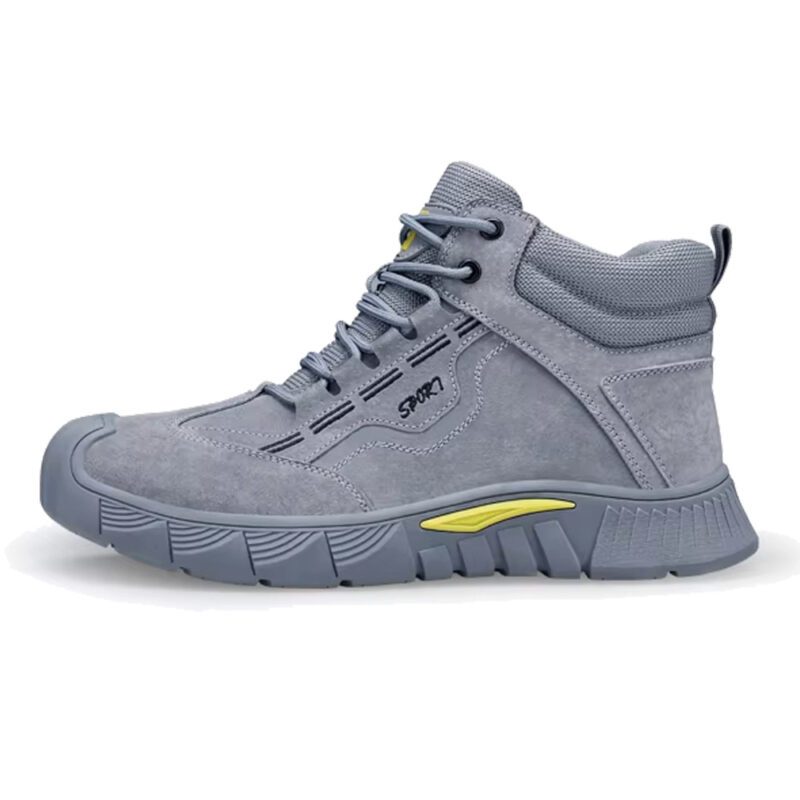
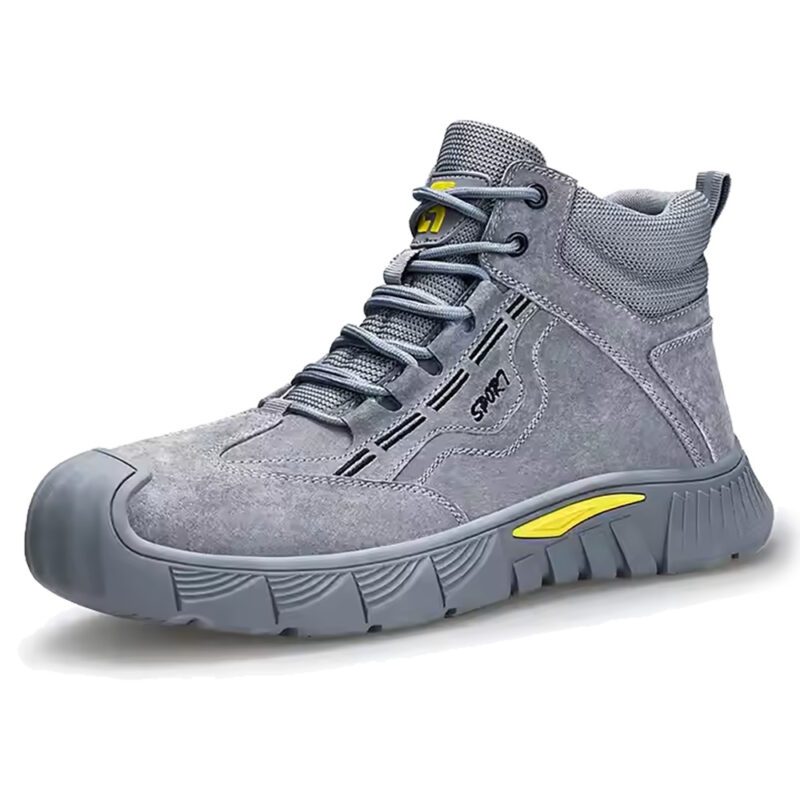
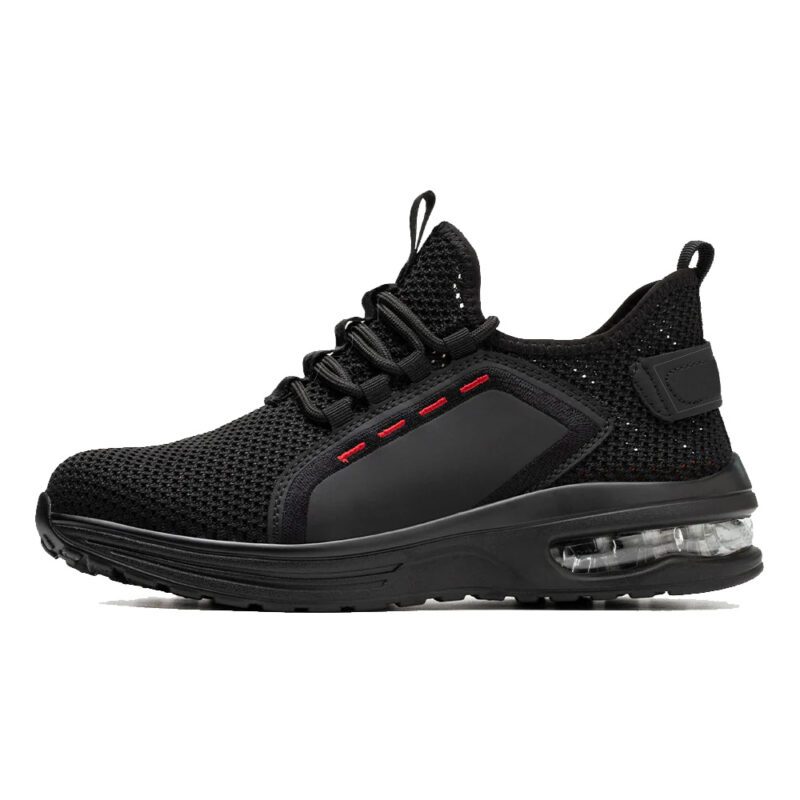
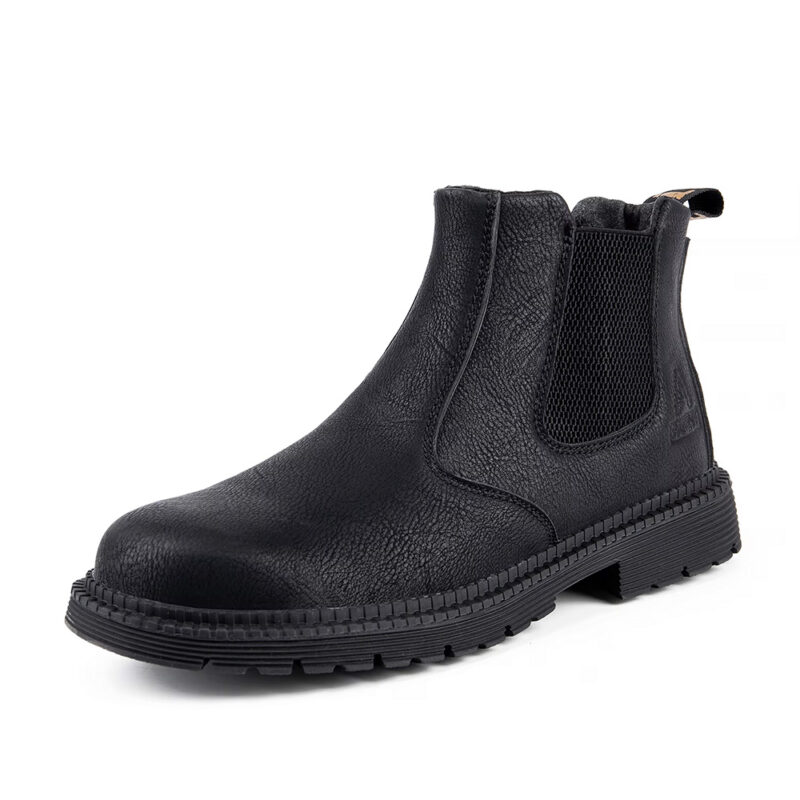
Comfortable work boots protect your feet while reducing pain and fatigue during long shifts. These boots combine safety features with ergonomic design elements that support natural foot movement and cushion impact.
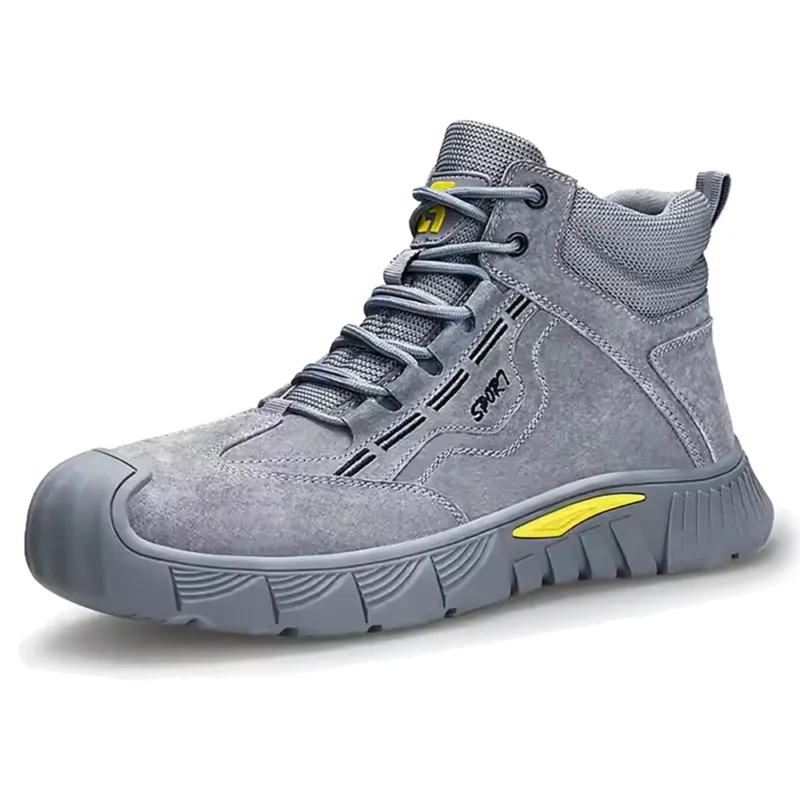
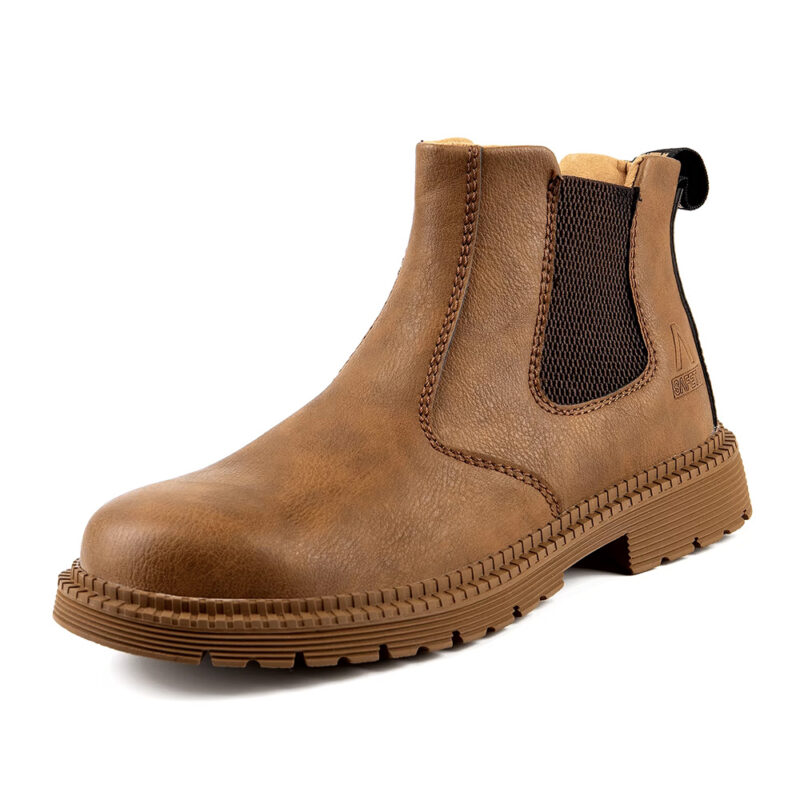
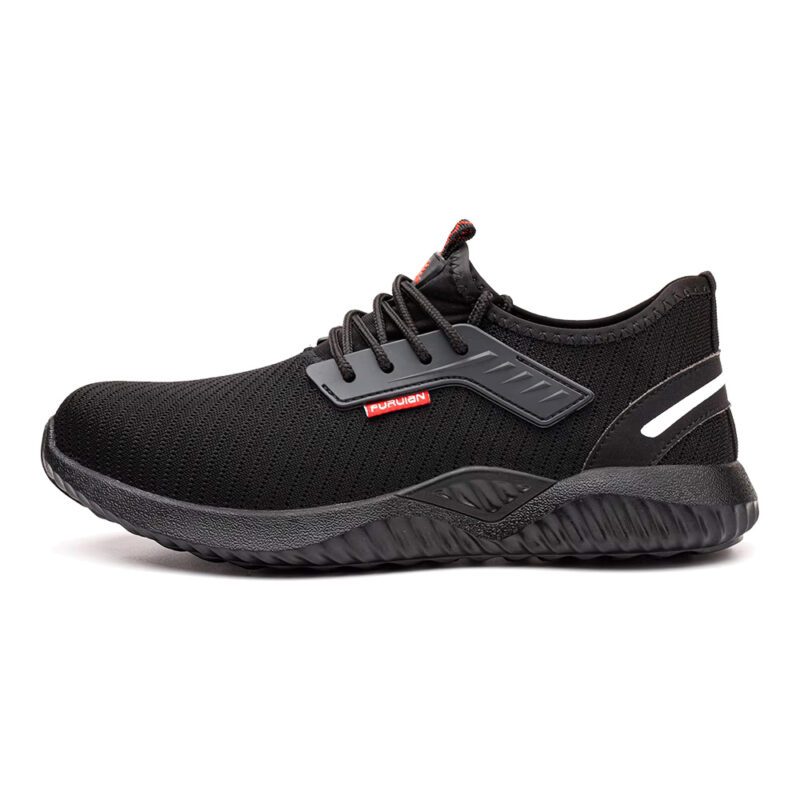
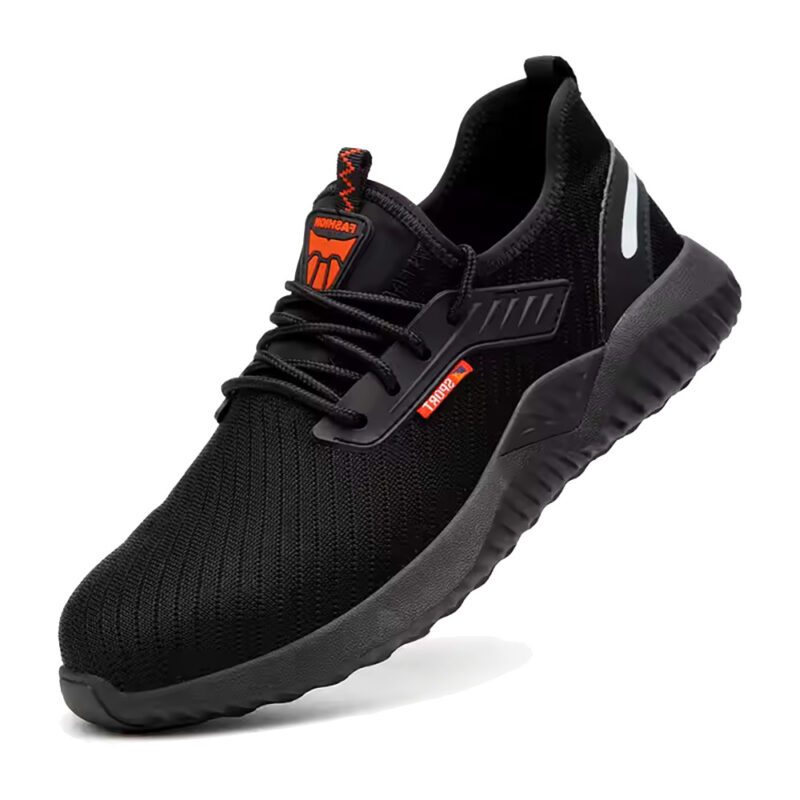
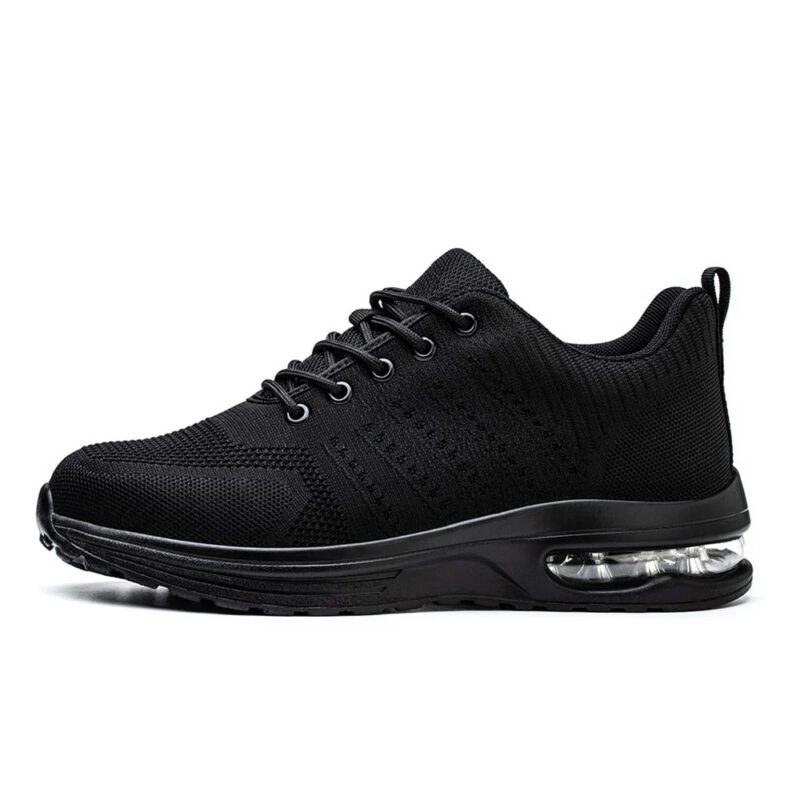
When your workday involves heavy machinery, falling objects, and unforgiving terrain, the Birks Defender Kevlar Steel Toe Safety Work Boots stand ready to protect you through it all. These boots deliver the exceptional durability, reliable protection, and all-day comfort you need to tackle any challenge and get the job done right, every single time.
Work boot comfort depends on several factors. The fit must allow slight toe movement without excessive sliding. The sole needs adequate cushioning without being too soft. The upper material should flex at the ball of your foot. The weight distribution affects how tired your legs become after eight or more hours of wear.
A comfortable work boot prevents common workplace injuries. Blisters form when boots rub against skin. Plantar fasciitis develops from inadequate arch support. Back pain emerges from poor shock absorption. Ankle sprains happen when boots lack proper stability.
The Evolution of Work Boot Comfort Technology
Work boots in the early 1900s prioritized durability over comfort. Manufacturers used thick leather and wooden pegs. Workers suffered through break-in periods lasting months. Steel toes added protection but increased weight significantly.
The 1960s brought the first comfort innovations. Companies introduced cushioned insoles made from rubber compounds. They added padded collars around the ankle opening. These changes reduced immediate discomfort but did not address long-term support issues.
Modern work boots emerged in the 1990s. Athletic shoe technology migrated into safety footwear. Manufacturers began using EVA (ethylene-vinyl acetate) foam for midsoles. They incorporated memory foam in footbeds. Composite materials replaced steel in many safety toe applications, cutting weight by 30-50%.
Today’s comfortable work boots use advanced materials. Polyurethane midsoles provide superior energy return. Carbon fiber shanks offer support while remaining lightweight. Moisture-wicking linings prevent the bacterial growth that causes odor and discomfort.
Key Components of Comfortable Work Boots
Footbed and Insole Design
The footbed makes direct contact with your foot. A quality footbed includes several layers:
- Top cushioning layer: Memory foam or gel padding that molds to your foot shape
- Arch support structure: Firm material that prevents arch collapse during standing
- Moisture management layer: Fabric that pulls sweat away from skin
- Shock absorption base: Dense foam that disperses impact forces
Removable insoles allow you to replace worn cushioning or insert custom orthotics. Fixed footbeds integrate into the boot construction but cannot be upgraded.
Midsole Technology
The midsole sits between the insole and outsole. This component determines shock absorption capacity. Different materials serve different needs:
EVA foam weighs less and provides soft cushioning. It compresses over time and needs replacement after 6-12 months of daily use.
Polyurethane lasts longer and maintains shape better. It feels firmer initially but provides consistent support for 2-3 years.
Dual-density midsoles combine soft heel cushioning with firmer midfoot support. This design accommodates natural gait patterns.
Upper Material Selection
The upper portion controls flexibility, breathability, and break-in time. Three main categories exist:
Full-grain leather provides maximum durability and water resistance. It requires a longer break-in period but molds to your foot shape over time.
Nubuck leather offers a softer feel with good durability. It breaks in faster but shows wear more quickly than full-grain options.
Synthetic materials like nylon or polyester mesh increase breathability. They break in immediately but may not last as long in harsh conditions.
Outsole Patterns and Compounds
The outsole affects comfort through traction and flexibility. Deep lugs provide grip on uneven surfaces but add weight. Shallow patterns work better on flat indoor surfaces.
Rubber compounds offer different hardness levels. Softer rubber grips better but wears faster. Harder rubber lasts longer but may slip on smooth surfaces.
Oil-resistant outsoles prevent slips in commercial kitchens and manufacturing facilities. Slip-resistant ratings follow ASTM F2913 testing standards.
Comparing Work Boot Comfort Features
| Feature | Budget Boots ($80-120) | Mid-Range Boots ($120-180) | Premium Boots ($180-300) |
|---|---|---|---|
| Footbed | Basic foam insert | Contoured EVA with arch support | Memory foam with custom molding |
| Midsole | Single-density EVA | Dual-density PU/EVA blend | Advanced PU with energy return |
| Weight | 3.5-4.5 lbs per pair | 2.8-3.5 lbs per pair | 2.2-3.0 lbs per pair |
| Break-in Period | 2-4 weeks | 1-2 weeks | 3-7 days |
| Durability | 6-12 months daily use | 12-24 months daily use | 24-36 months daily use |
| Warranty | 30-90 days | 6 months | 1 year or more |
Selecting Comfortable Work Boots for Your Job
Construction and Manufacturing Jobs
These environments require toe protection and puncture-resistant soles. Look for boots with composite safety toes instead of steel to reduce weight. Electrical hazard protection prevents shocks from live circuits.
Ankle support matters when carrying heavy loads or walking on uneven ground. Eight-inch boots provide more stability than six-inch models. However, the extra height adds weight and reduces flexibility.
Healthcare and Service Industries
Healthcare workers spend entire shifts on hard floors. Prioritize cushioning over heavy-duty protection. Slip-resistant outsoles prevent falls on wet surfaces. Antimicrobial linings control odor in warm environments.
Service industry boots often follow dress codes. Many comfortable options now come in black leather styles that look professional while providing athletic shoe comfort levels.
Outdoor and Agricultural Work
Outdoor workers need waterproof protection. Gore-Tex linings keep feet dry while allowing moisture vapor to escape. Insulated boots maintain comfort in cold conditions but cause overheating in warm weather.
Mud and debris require self-cleaning outsole patterns. Deep lugs that angle backward push mud out as you walk. Smooth outsoles pack with dirt and lose traction quickly.
When your workday involves heavy machinery, falling objects, and unforgiving terrain, the Birks Defender Kevlar Steel Toe Safety Work Boots stand ready to protect you through it all. These boots deliver the exceptional durability, reliable protection, and all-day comfort you need to tackle any challenge and get the job done right, every single time.
Proper Fit Guidelines
Boot size differs from casual shoe size. Work boots should fit snugly in the heel and midfoot while allowing toe room. Follow these measurement steps:
- Measure both feet at the end of the day when they are largest
- Wear the socks you will use with the boots
- Stand during measurement to account for foot expansion under weight
- Check length by sliding your foot forward until toes touch the front
- Verify you can fit one finger between your heel and the boot back
Width matters as much as length. D width fits average men’s feet. EE width accommodates wider feet. Women’s boots typically come in B width (standard) and D width (wide).
The ball of your foot should align with the boot’s widest point. This alignment allows proper flex during walking. Misalignment causes pressure points and accelerates wear.
Break-In Strategies
New work boots require a break-in period. This process softens leather and allows materials to conform to your foot shape.
Week One: Wear boots for 2-3 hours daily in low-stress environments. Walk around your home or office. This gradual approach prevents blisters.
Week Two: Increase wearing time to 4-6 hours. Include light work activities. Apply leather conditioner to full-grain uppers to speed softening.
Week Three: Work full shifts in your boots. Keep your old boots available for backup. Address any pressure points immediately with moleskin padding.
Hot spots indicate problem areas. Apply athletic tape or specialized blister prevention products to vulnerable spots before they become painful.
Maintenance for Long-Term Comfort
Clean boots maintain their comfort properties. Dirt and salt crystals break down materials and create abrasive surfaces inside the boot.
Weekly cleaning routine:
- Remove loose dirt with a brush
- Wipe leather with a damp cloth
- Allow boots to air dry away from direct heat
- Apply leather conditioner monthly
Deep cleaning every 2-3 months:
- Remove and wash insoles separately
- Use saddle soap on leather uppers
- Clean outsole treads with a stiff brush
- Treat with waterproofing spray after drying
Store boots with shoe trees or crumpled newspaper inside. This practice maintains shape and absorbs residual moisture. Alternate between two pairs of boots when possible. This rotation allows each pair to dry completely between wears.
Replace worn components before they affect comfort. Insoles lose cushioning after 6-12 months. Heels wear unevenly and change your gait. Outsoles lose tread and reduce traction.
Common Comfort Problems and Solutions
Heel Slippage
Excess heel movement causes blisters and reduces stability. This issue indicates incorrect sizing or lacing technique.
Solutions include:
- Tightening the laces using a heel-lock lacing pattern
- Adding a heel grip pad inside the boot
- Trying a smaller size or narrower width
Arch Pain
Inadequate arch support leads to plantar fasciitis and general foot fatigue. Factory insoles often provide minimal support.
Address this problem by:
- Installing aftermarket insoles with proper arch height
- Getting custom orthotics from a podiatrist
- Choosing boots specifically designed for high or low arches
Toe Crowding
Safety toes sometimes compress the toe box. This crowding causes numbness and black toenails.
Fix toe crowding through:
- Selecting boots with roomier toe box designs
- Going up a half size in length
- Choosing wide width options
Hot Feet
Poor ventilation traps heat and moisture. This environment promotes bacterial growth and discomfort.
Cool your feet by:
- Choosing boots with breathable mesh panels
- Wearing moisture-wicking synthetic socks
- Using antifungal powder daily
- Allowing boots to dry completely between wears
Health Benefits of Comfortable Work Boots
Quality work boots prevent serious health issues. Studies show proper footwear reduces workplace injuries by up to 60%. The initial investment pays off through fewer missed work days and lower medical costs.
Lower back pain decreases when boots provide adequate shock absorption. Each heel strike sends force up through your skeleton. Good cushioning reduces this impact by 30-40%.
Knee problems develop from poor foot alignment. Boots with proper arch support maintain natural leg positioning. This support prevents the inward knee rotation that damages cartilage over time.
Circulation issues arise from boots that are too tight. Adequate toe room and proper width allow blood flow. Good circulation prevents numbness and cold feet.
Making Your Final Selection
Start by identifying your primary work hazards. Safety requirements narrow your options before comfort considerations. Check your employer’s footwear policy for required certifications.
Set a realistic budget. Quality comfortable work boots cost $150-250. This price range provides good materials and construction without premium brand markups. Spending less usually means replacing boots more frequently.
Try boots in person when possible. Online purchases work if you know your exact size in a specific brand. Order from retailers with free return shipping.
Test boots before committing fully. Wear them inside on carpet for a day. Check for pressure points and sizing issues. Most retailers accept returns on unworn boots.
Comfortable work boots protect your feet while supporting long-term health. They combine safety features with ergonomic design. The right pair reduces fatigue and prevents injuries. Your feet carry you through every workday. They deserve boots that provide both protection and comfort.
When your workday involves heavy machinery, falling objects, and unforgiving terrain, the Birks Defender Kevlar Steel Toe Safety Work Boots stand ready to protect you through it all. These boots deliver the exceptional durability, reliable protection, and all-day comfort you need to tackle any challenge and get the job done right, every single time.