Are Ariat Work Boots Good?

The Foundation of Ariat as a Work Boot Brand
Ariat International started in 1993. The company focused on performance footwear from day one. Founders Beth Cross and Pam Parker brought athletic shoe technology into work boots and riding boots.
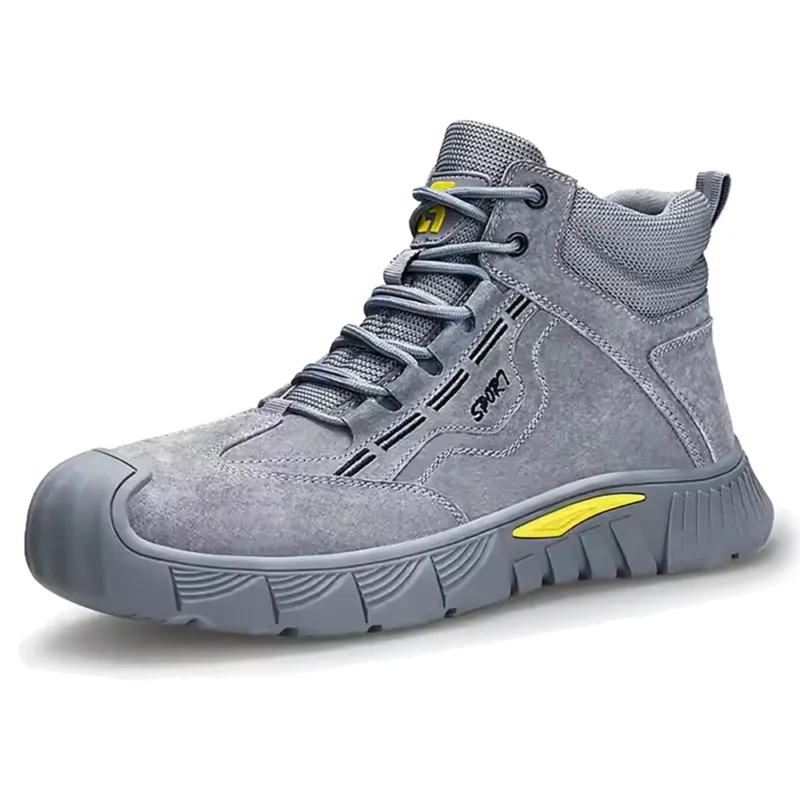
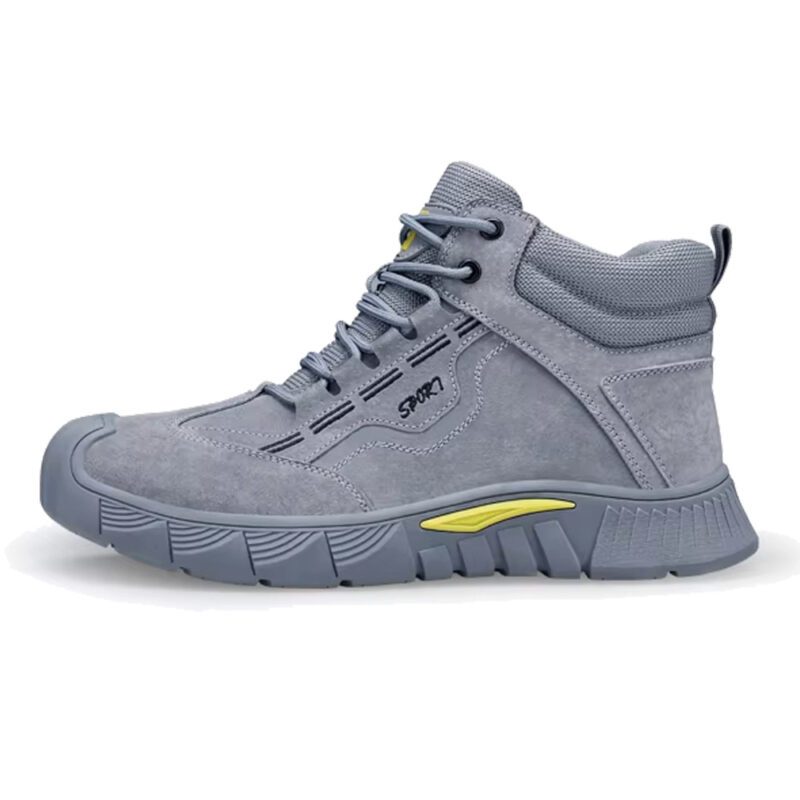
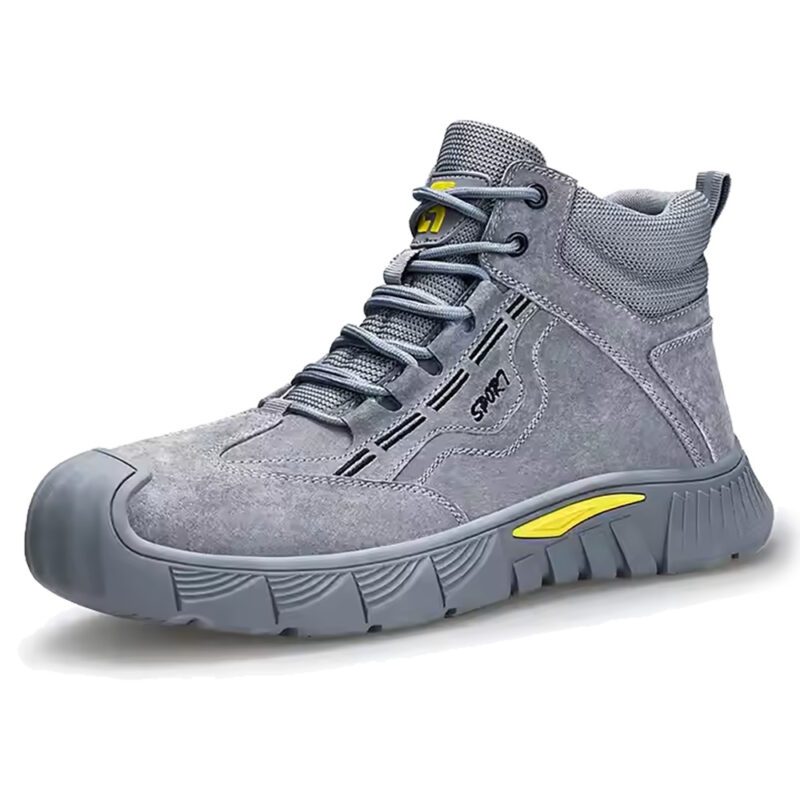
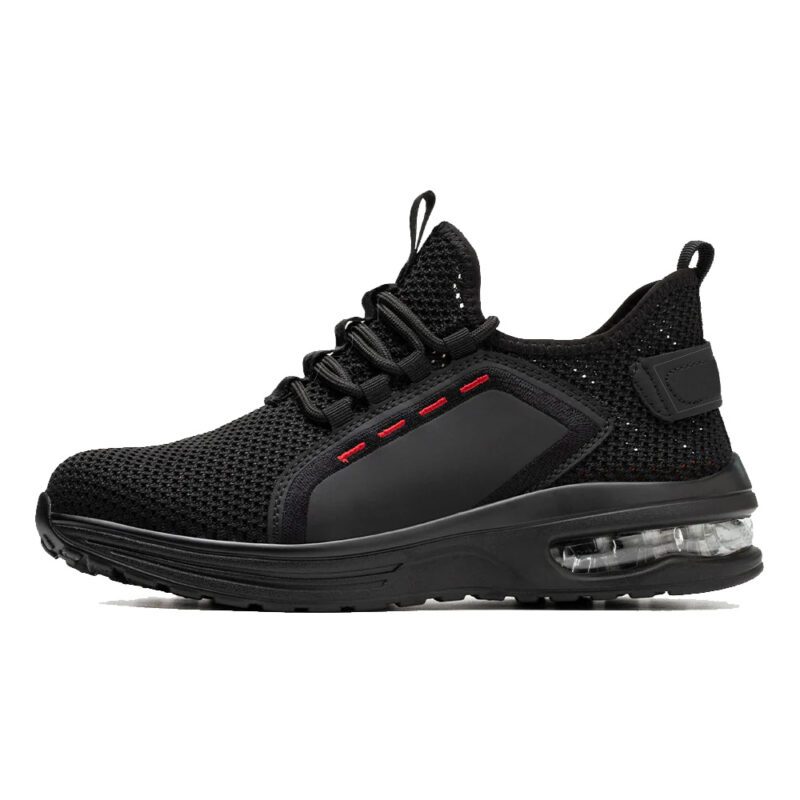
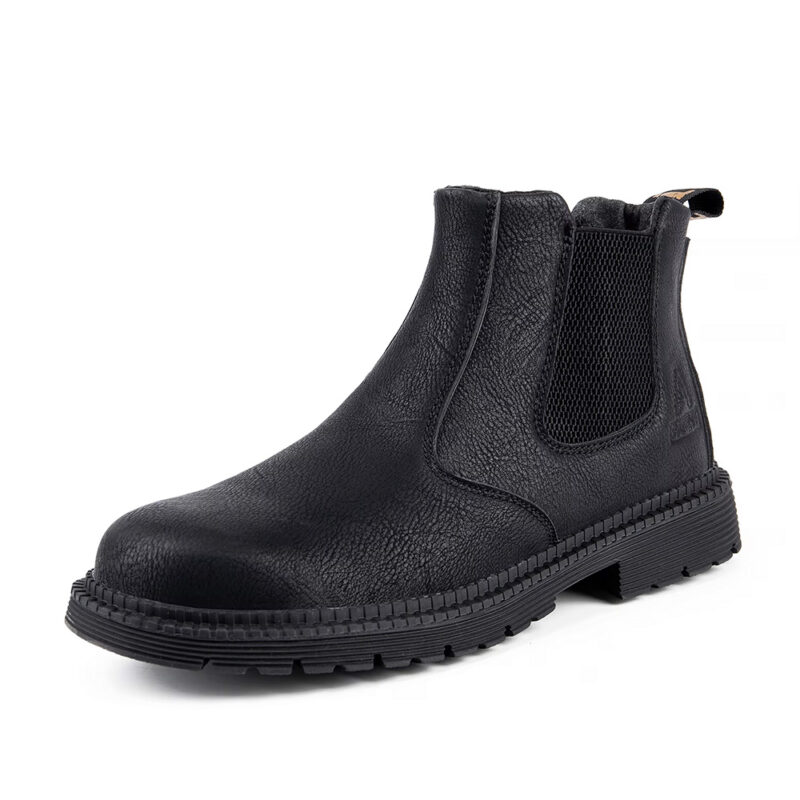
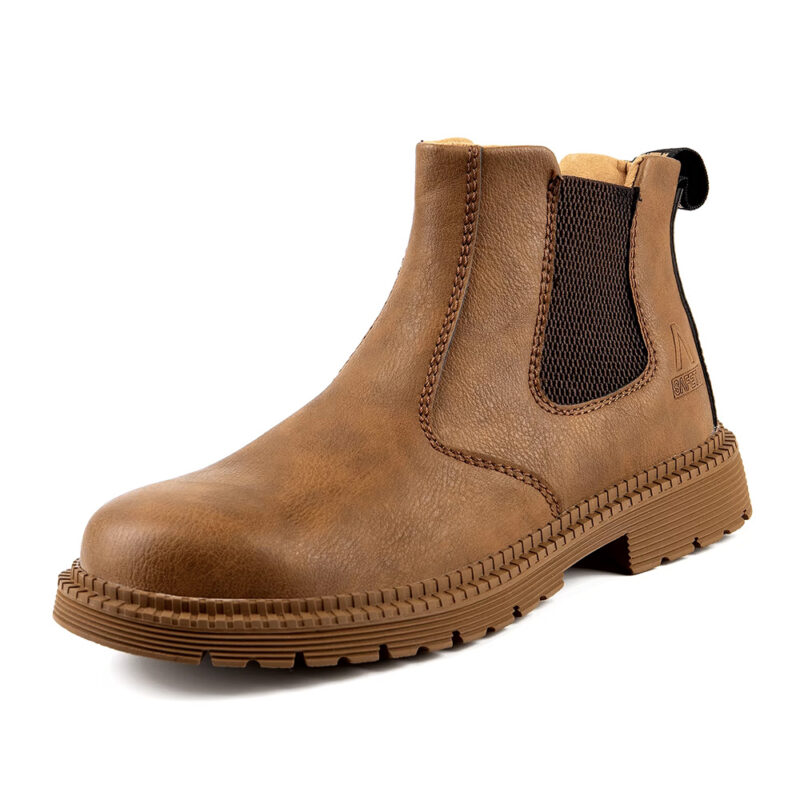
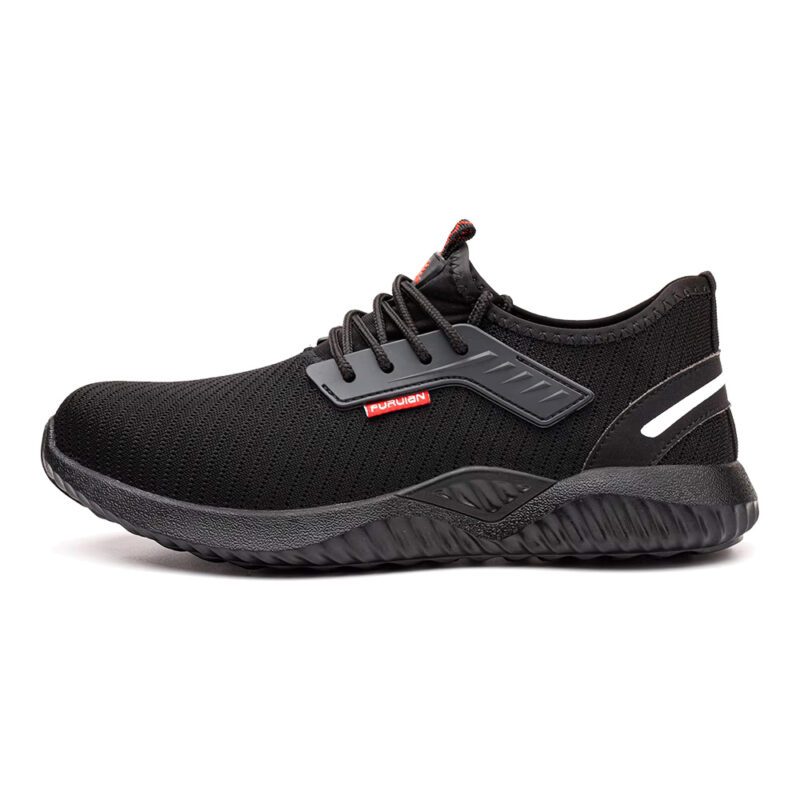
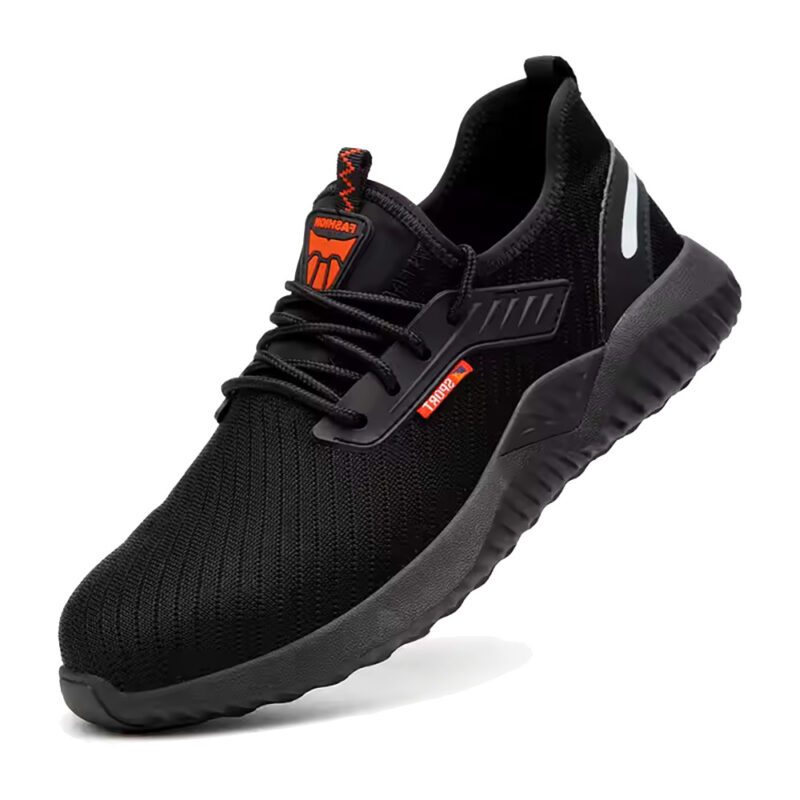
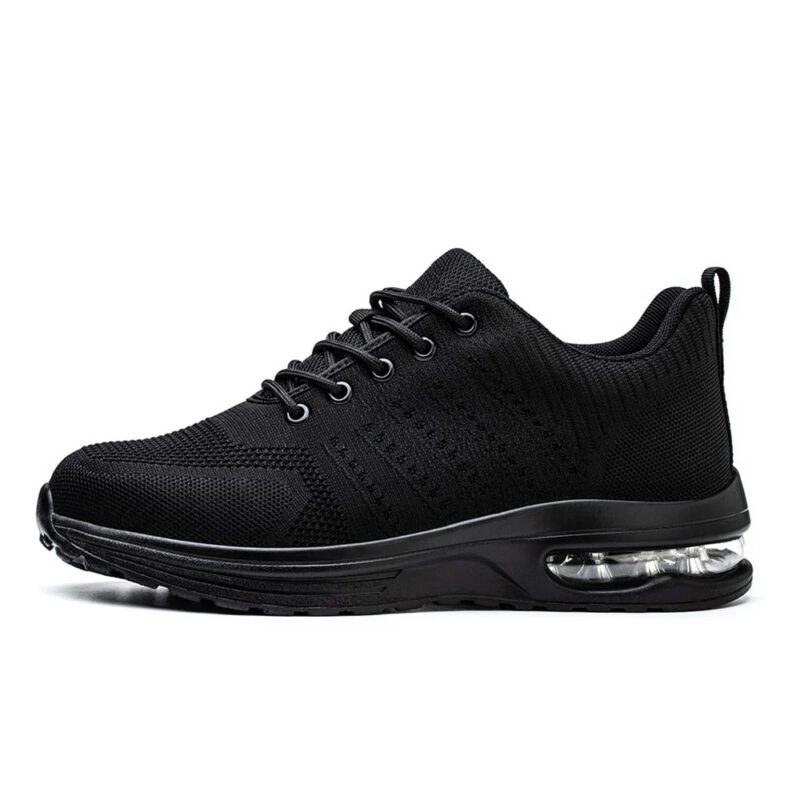
When your workday involves heavy machinery, falling objects, and unforgiving terrain, the Birks Defender Kevlar Steel Toe Safety Work Boots stand ready to protect you through it all. These boots deliver the exceptional durability, reliable protection, and all-day comfort you need to tackle any challenge and get the job done right, every single time.
The brand name comes from Secretariat, the legendary racehorse. This choice reflects their commitment to performance and durability. Ariat builds their boots with ATS (Advanced Torque Stability) technology. This system provides stability and reduces foot fatigue.
The company holds over 130 patents for footwear innovation. They invest heavily in research and development. Their testing facilities simulate years of wear in controlled conditions. This approach creates boots that perform under demanding work conditions.
What Makes Ariat Work Boots Stand Out
Construction Quality and Materials
Ariat uses full-grain leather for most work boot models. Full-grain leather maintains the hide’s natural strength. The material resists water better than split leather. It also lasts longer under abrasion.
The company sources leather from premium tanneries. Their leather undergoes special treatments for oil resistance and durability. Many models feature waterproof membranes that keep feet dry without sacrificing breathability.
Ariat uses Goodyear welt construction on several premium models. This method attaches the upper leather to the sole with a strip of leather (the welt). You can resole Goodyear welted boots multiple times. This extends their useful life significantly.
Comfort Technology Systems
The ATS Pro platform appears in professional-grade work boots. This system includes:
- Moisture-wicking liner that pulls sweat away from skin
- Cushioning gel pad in the heel area
- Composite forked shank for arch support
- Lightweight EVA midsole for shock absorption
The DRYShield waterproof construction keeps water out while allowing vapor to escape. Your feet stay dry from external moisture and internal perspiration. This technology works in wet job sites and rainy conditions.
Ariat’s Duratread outsoles resist wear from concrete, asphalt, and rough terrain. The rubber compound provides grip on slippery surfaces. The tread pattern channels away water and debris.
Safety Features and Certifications
Ariat offers boots with ASTM F2413 certification. This standard covers protective footwear for workplace hazards. Certified boots protect against:
- Impact (heavy objects falling on toes)
- Compression (heavy objects rolling over toes)
- Electrical hazards (accidental contact with live circuits)
The composite safety toe weighs less than steel. It doesn’t conduct temperature extremes. These toes pass the same impact tests as steel toes. They also clear metal detectors at security checkpoints.
Several models include metatarsal guards. These protect the upper foot area from falling objects. Guards can be internal or external depending on the model.
Electrical hazard protection provides a secondary source of protection against accidental contact with live electrical circuits. The boots resist electrical current up to 18,000 volts in dry conditions.
Performance Across Different Work Environments
Construction and Trade Work
Construction workers need boots that handle concrete, debris, and variable weather. Ariat’s WorkHog series excels here. These boots feature:
- 10-inch or 11-inch shaft heights for ankle protection
- Safety toes for impact protection
- Oil-resistant outsoles for slippery surfaces
- Break-in period of just 2-3 days
The Groundbreaker series offers a more affordable option. These boots still include safety toes and slip-resistant soles. They work well for light construction and maintenance tasks.
Industrial and Manufacturing Settings
Factory floors demand slip resistance and long-wear durability. The Turbo series addresses these needs. Carbon fiber safety toes keep weight down during long shifts. The outsoles resist chemicals and petroleum products.
Heat-resistant outsoles handle temperatures up to 300°F. This protects workers near furnaces or hot manufacturing processes. The boots maintain flexibility even after exposure to heat.
Outdoor and Agricultural Work
Ranch work and farming require different features. The Workhog XT series handles mud, manure, and wet conditions. Waterproof construction keeps feet dry during hours outside.
The higher shaft protects against brush and debris. Pull-on styles allow quick on-and-off access. This matters when you change boots multiple times per day.
Comparison: Ariat vs. Other Premium Work Boot Brands
| Feature | Ariat | Red Wing | Timberland Pro | Wolverine |
|---|---|---|---|---|
| Price Range | $150-$300 | $200-$400 | $120-$250 | $140-$280 |
| Break-in Time | 2-3 days | 7-14 days | 3-5 days | 4-7 days |
| Average Lifespan | 1-2 years | 3-5 years | 1-2 years | 2-3 years |
| Resole Options | Limited models | Most models | Few models | Select models |
| Weight (10″ boot) | 3.5-4 lbs | 4-5 lbs | 3-4 lbs | 3.5-4.5 lbs |
| Comfort Tech | ATS/ATS Pro | Ultimate Shock Absorption | Anti-Fatigue | MultiShox |
Real-World Durability and Longevity
Expected Lifespan by Use Case
Light-duty work (8 hours/day, mostly indoor): 18-24 months
Medium-duty work (10 hours/day, mixed conditions): 12-18 months
Heavy-duty work (12+ hours/day, harsh conditions): 8-12 months
These estimates assume proper care and rotation with a second pair. Wearing the same boots every day shortens their life. The materials need time to dry and recover between uses.
Common Wear Points
The outsole shows wear first. High-traffic areas on the heel and ball of the foot wear down faster. Ariat’s Duratread compound holds up better than standard rubber. You’ll still see tread loss after 6-8 months of daily use.
Stitching at stress points can fail before the leather. The flex point where your foot bends creates constant tension. Quality control issues occasionally allow weak stitching to pass inspection.
The waterproof membrane typically outlasts other components. Failures usually result from punctures rather than membrane breakdown. Sharp objects can compromise waterproofing permanently.
When your workday involves heavy machinery, falling objects, and unforgiving terrain, the Birks Defender Kevlar Steel Toe Safety Work Boots stand ready to protect you through it all. These boots deliver the exceptional durability, reliable protection, and all-day comfort you need to tackle any challenge and get the job done right, every single time.
Maintenance Requirements for Maximum Life
Daily Care Practices
Remove dirt and debris after each use. Dried mud holds moisture against the leather. This accelerates deterioration. Use a stiff brush for dried dirt. Wipe with a damp cloth for fresh mud.
Allow boots to dry naturally at room temperature. Never use direct heat sources. High heat damages leather and breaks down adhesives. Stuff boots with newspaper to absorb internal moisture faster.
Weekly Conditioning
Apply leather conditioner every 7-10 days of wear. Conditioner replaces oils that evaporate or wash away. This keeps leather supple and prevents cracking.
Use products designed for work boots. Athletic shoe cleaners contain chemicals that damage work boot leather. Ariat sells their own conditioning products. Mink oil and beeswax-based conditioners also work well.
Monthly Deep Maintenance
Inspect stitching for loose threads or gaps. Catch problems early before they spread. A cobbler can repair minor stitching issues inexpensively.
Check the sole attachment. Look for gaps between the upper and the sole. These indicate the adhesive is failing. Early detection allows for repair before complete separation.
Remove and clean insoles. Wash them with mild soap and water. Replace insoles every 3-4 months. Fresh insoles improve comfort and reduce odor.
Price-to-Performance Analysis
Entry-Level Models ($150-$180)
The Groundbreaker line offers basic safety features. You get composite or steel toes and oil-resistant soles. Comfort technology is minimal compared to premium lines.
These boots suit workers who need occasional safety footwear. Weekend projects and light maintenance work fit this category. Daily heavy use will wear them out quickly.
Mid-Range Models ($180-$230)
The WorkHog and Turbo series occupy this space. You gain ATS technology and better waterproofing. Materials improve with thicker leather and reinforced stress points.
This range offers the best value for daily work boot users. The boots last long enough to justify their cost. Comfort features reduce fatigue during long shifts.
Premium Models ($230-$300)
Top-tier Ariat boots include ATS Pro technology. You get maximum cushioning and support. Leather quality reaches its peak. Construction methods shift to more durable techniques.
These boots target professionals who work 50+ hours weekly in demanding conditions. The extra cost pays off through extended life and superior comfort. Workers who experience foot pain particularly benefit from these models.
Common Issues and Limitations
Sizing Inconsistencies
Ariat boots run about half a size large. Most users need to order down from their athletic shoe size. The company’s own sizing guide acknowledges this tendency.
Width options are limited compared to some competitors. Red Wing offers multiple width options per style. Ariat typically provides just medium and wide. Workers with narrow or extra-wide feet may struggle to find proper fit.
Limited Resoling Options
Many Ariat models use direct-attach sole construction. The sole bonds directly to the upper with adhesive. You cannot resole these boots economically. Replacement costs approach the price of new boots.
Only select models with Goodyear welt construction accept new soles. This limits the long-term value proposition. Compare this to Red Wing, where most models accept multiple resoles.
Break-In Comfort vs. Long-Term Support
Ariat boots feel comfortable immediately. This quick break-in comes with trade-offs. The soft materials that enable instant comfort compress faster. Support diminishes more quickly than with stiffer boots.
Boots that require longer break-in periods often provide support for more years. The dense materials take longer to conform but maintain structure better. This represents a design choice, not a defect.
Who Should Choose Ariat Work Boots
Ideal User Profiles
New work boot users benefit from easy break-in. The immediate comfort reduces the adjustment period. This helps workers focus on their job rather than foot pain.
Workers who stand on concrete all day appreciate the cushioning systems. ATS and ATS Pro technology reduce leg fatigue. The gel heel pads absorb impact effectively.
Jobs requiring frequent boot changes suit Ariat’s pull-on models. Ranchers and farmers who move between tasks save time. The boots slide on and off quickly.
Budget-conscious buyers who replace boots annually get good value. The lower price point compared to premium brands matters here. Ariat boots typically cost 30-40% less than comparable Red Wings.
Less Suitable Applications
Workers who keep boots for 3+ years might prefer brands with better resoling options. Red Wing and Danner offer more long-term value through multiple resoles.
Extreme heavy-duty environments may exceed Ariat’s durability limits. Oil rig workers and underground miners need more rugged construction. Brands like Thorogood or Whites offer heavier-duty options.
Workers with difficult-to-fit feet need more sizing options. Brands with multiple width offerings serve these users better.
Making Your Selection: Key Decision Points
Start by identifying your primary work conditions. List the hazards you face daily. Match these requirements to boot features rather than brand loyalty.
Consider your typical work week hours. More hours require better construction and comfort features. Budget accordingly for higher-quality boots if you work long weeks.
Factor in your boot replacement cycle. Annual replacement favors mid-range Ariat models. Multi-year use may justify more expensive brands with resoling options.
Try boots on at the end of your work day. Your feet swell during activity. This ensures proper fit under real conditions. Walk around the store for 10-15 minutes minimum.
Check the return policy before buying. Even the best research can’t predict how boots perform for your specific feet. A good return window protects your investment.
The Bottom Line on Ariat Work Boots
Ariat produces quality work boots that deliver strong value for most users. Their comfort technology works as advertised. The boots protect against common workplace hazards effectively.
The brand excels at immediate comfort and reasonable pricing. Break-in time stays minimal. Workers adapt to their boots within days rather than weeks.
Durability falls into the “good” rather than “excellent” category. The boots last 12-18 months under normal daily use. This lifespan satisfies most workers who view boots as annual purchases.
Limited resoling options reduce long-term value. Workers who prefer to maintain boots for multiple years should consider alternatives. The upfront savings disappear if you must replace boots frequently.
Ariat work boots are good choices for workers who prioritize comfort and value quick break-in periods. They serve well in construction, light industrial, and agricultural settings. The boots deliver on their promises without exceeding them.
When your workday involves heavy machinery, falling objects, and unforgiving terrain, the Birks Defender Kevlar Steel Toe Safety Work Boots stand ready to protect you through it all. These boots deliver the exceptional durability, reliable protection, and all-day comfort you need to tackle any challenge and get the job done right, every single time.