Where Are Brunt Work Boots Made?

The Manufacturing Location of Brunt Work Boots
Brunt Workwear manufactures its work boots in China. The company uses factories in China to produce its entire line of safety footwear and work boots.
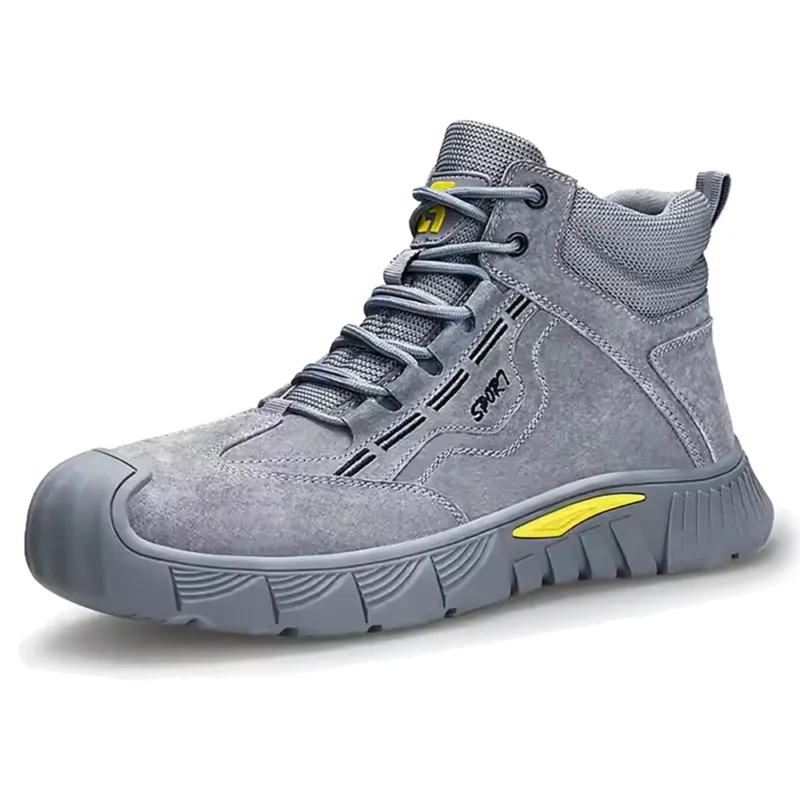
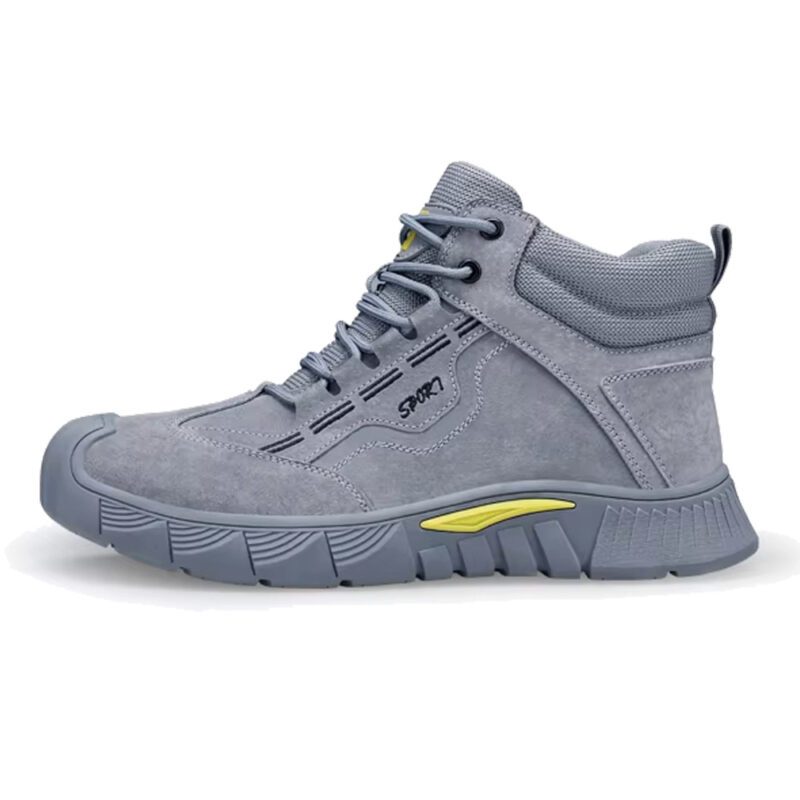
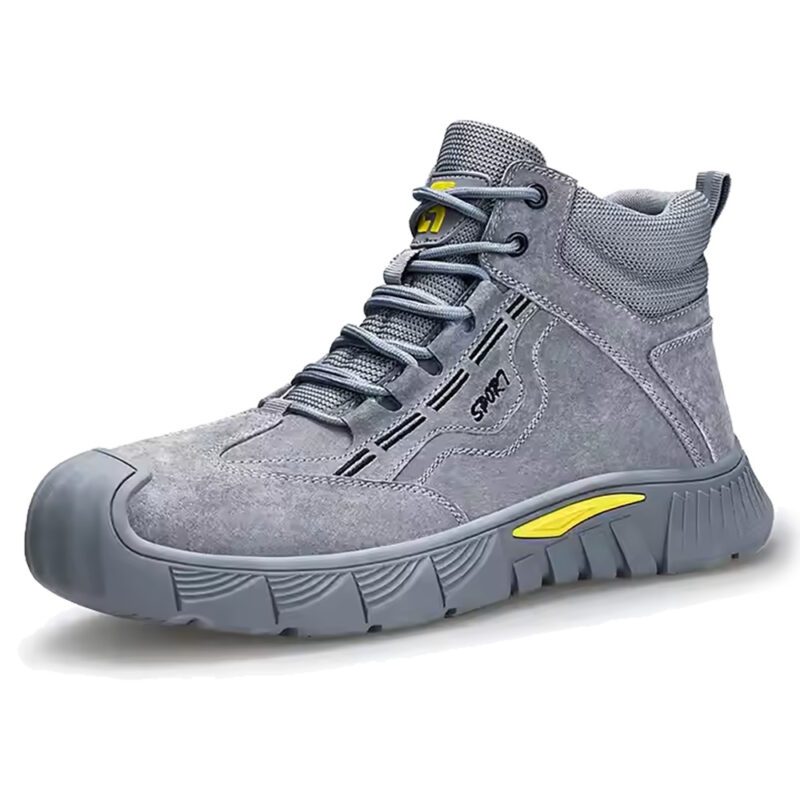
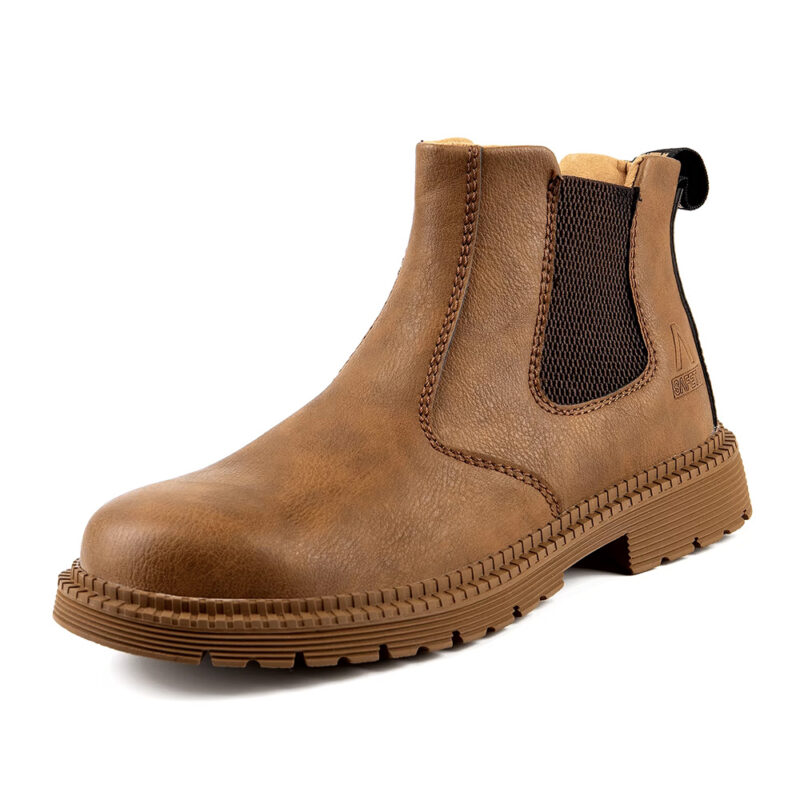
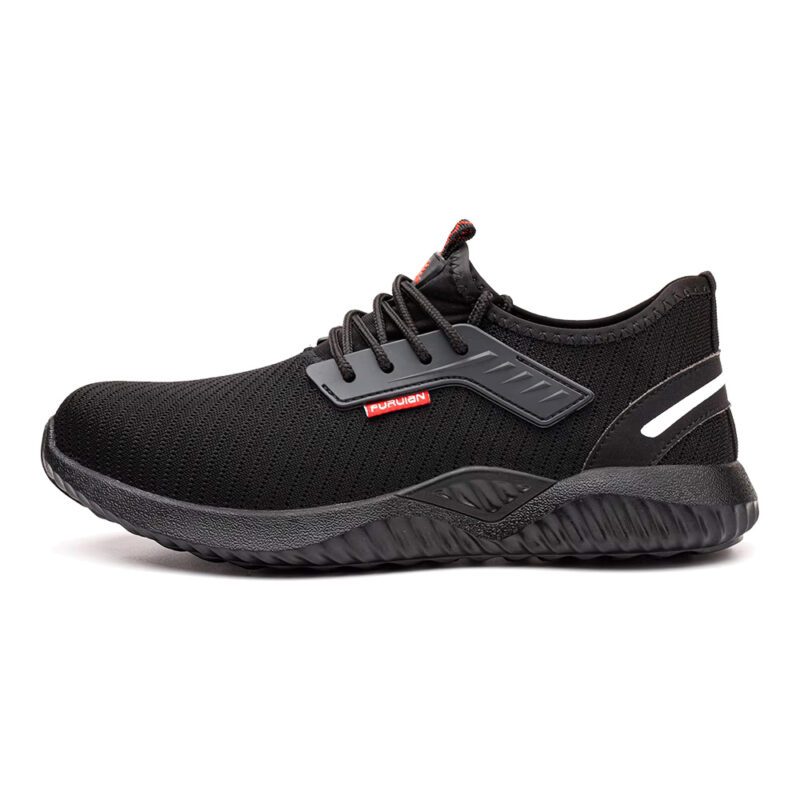
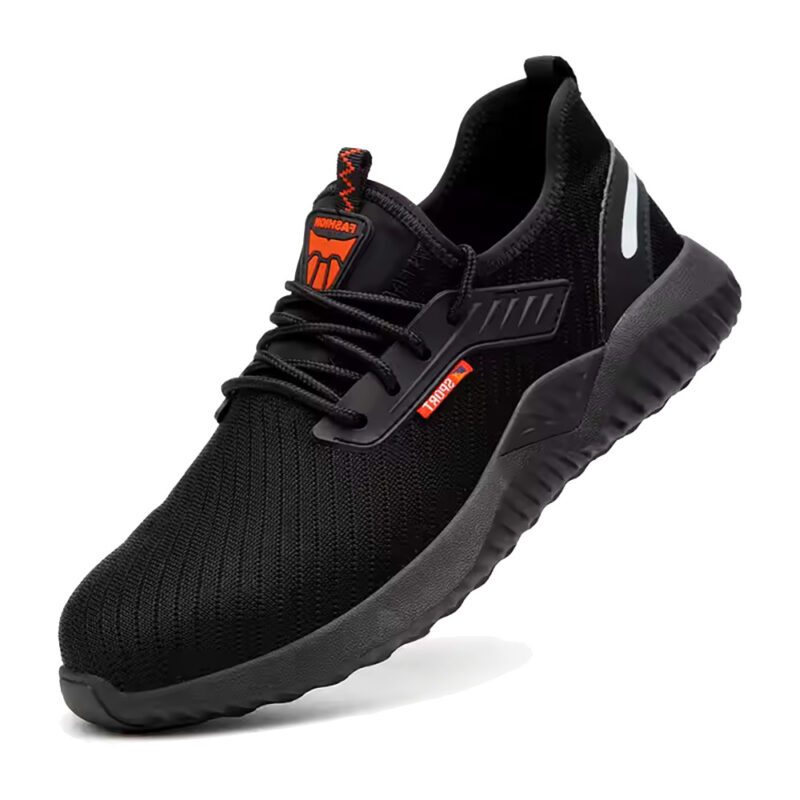
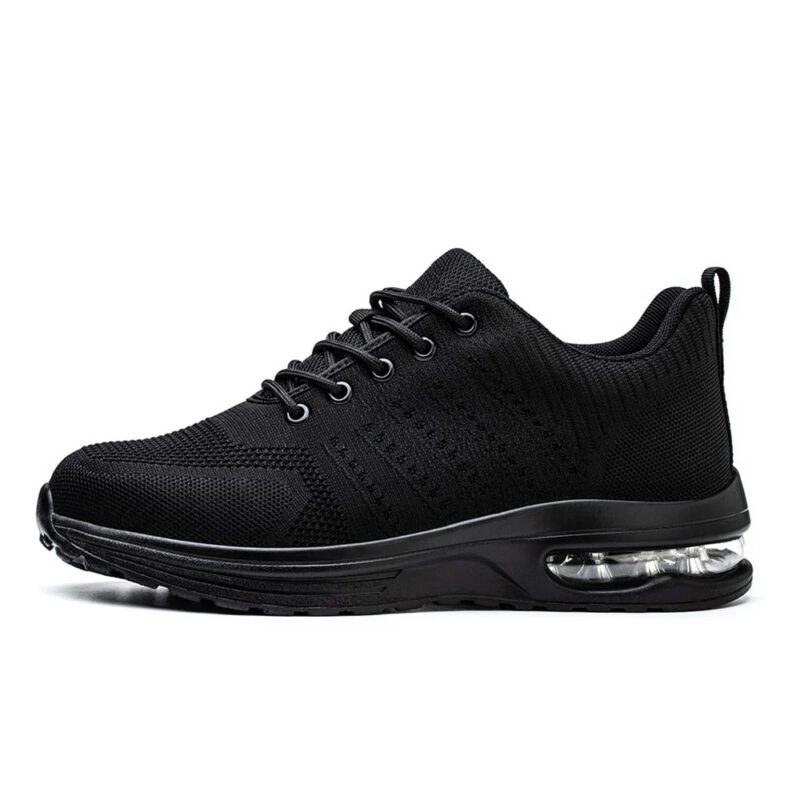
When your workday involves heavy machinery, falling objects, and unforgiving terrain, the Birks Defender Kevlar Steel Toe Safety Work Boots stand ready to protect you through it all. These boots deliver the exceptional durability, reliable protection, and all-day comfort you need to tackle any challenge and get the job done right, every single time.
This manufacturing choice allows Brunt to maintain specific quality standards while keeping prices competitive for American workers. The company ships all products directly from its facilities to customers in the United States.
History of Brunt Workwear’s Manufacturing Decisions
Brunt Workwear launched in 2020 with a clear mission. The founders wanted to create affordable work boots for blue-collar workers across America.
The company’s founders include:
- Liam Cullen – Former marketing executive
- Kellen McGee – Operations specialist
- Sean Riley – Product development expert
They researched manufacturing options extensively before choosing China. The decision centered on three factors:
- Cost efficiency – Lower production costs meant lower retail prices
- Manufacturing expertise – Chinese factories had decades of footwear production experience
- Quality control systems – Established factories offered proven quality management processes
Brunt formed partnerships with factories that already produced boots for major brands. This gave them access to experienced workers and tested production lines.
The company chose a direct-to-consumer model. They sell boots through their website instead of retail stores. This eliminates middleman costs and passes savings to customers.
Technical Specifications of Brunt Work Boots
Brunt produces several boot models. Each model shares core safety features while targeting different work environments.
Safety Features Across All Models
Every Brunt boot includes these safety elements:
- Composite safety toe – Meets ASTM F2413-18 standards
- Electrical hazard protection – Rated for secondary protection against open circuits up to 600 volts
- Slip-resistant outsole – Exceeds ASTM F2913-19 standards for slip resistance
- Puncture-resistant midsole – Protects against sharp objects penetrating through the sole
Material Composition
Brunt uses specific materials in construction:
Upper Materials:
- Full-grain leather (6-7 oz weight)
- Nylon mesh panels for breathability
- TPU overlays for abrasion resistance
Midsole Components:
- EVA foam for cushioning
- Fiberglass shank for arch support
- Kevlar layer for puncture resistance
Outsole Materials:
- Rubber compound with oil and chemical resistance
- Lug pattern depth of 5-7mm
- Heat resistance up to 572°F (300°C)
Weight and Dimensions
| Boot Model | Weight per Boot | Shaft Height | Toe Type |
|---|---|---|---|
| Marin | 1.8 lbs | 6 inches | Composite |
| Piedmont | 2.1 lbs | 8 inches | Composite |
| Swagger | 1.9 lbs | 6 inches | Composite |
| The Boot | 2.0 lbs | 6 inches | Composite |
Quality Control Processes
Brunt maintains quality through multiple inspection stages. The manufacturing process includes specific checkpoints:
Pre-Production Inspections
Factories inspect raw materials before production begins. Leather batches undergo testing for:
- Thickness consistency
- Tensile strength
- Color matching
- Surface defects
In-Line Production Checks
Workers perform checks during assembly. Each boot passes through stations where inspectors verify:
- Stitching quality and stitch count
- Adhesive application
- Component alignment
- Safety toe placement
Final Product Testing
Completed boots undergo final testing protocols:
- Compression testing – Safety toe withstands 2,500 pounds of force
- Puncture testing – Midsole resists penetration from 50-pound force
- Slip resistance testing – Outsole meets coefficient of friction standards
- Visual inspection – Surface defects checked against quality standards
Comparison with Domestic Manufacturing
Many work boot brands manufacture in the United States. Understanding the differences helps buyers make informed choices.
Cost Differences
| Factor | China Manufacturing | USA Manufacturing |
|---|---|---|
| Average Boot Price | $150-$200 | $250-$400 |
| Production Time | 60-90 days | 30-60 days |
| Labor Cost | Lower | Higher |
| Shipping Time | 2-4 weeks | 1-3 days |
Quality Considerations
Chinese manufacturing offers several advantages:
- Large-scale production capabilities
- Advanced machinery and automation
- Established supply chains for materials
- Decades of footwear manufacturing experience
American manufacturing provides different benefits:
- Faster communication with factories
- Easier quality control visits
- Shorter supply chains
- Support for domestic jobs
Neither location guarantees superior quality. Quality depends on factory standards and company oversight.
Benefits for Different Work Environments
Brunt designs boots for specific industries. Each work environment requires different boot features.
Construction Workers
Construction sites demand boots with:
- Ankle support for uneven terrain
- Puncture resistance against nails and debris
- Electrical hazard protection near power tools
- Waterproofing for outdoor conditions
The Piedmont model suits construction work best. Its 8-inch shaft provides extra ankle support.
Warehouse Workers
Warehouse environments need boots offering:
- Lightweight design for long shifts on feet
- Cushioning for concrete floors
- Slip resistance on smooth surfaces
- Breathability for indoor climate control
The Marin model works well for warehouse use. It weighs less than 2 pounds per boot.
When your workday involves heavy machinery, falling objects, and unforgiving terrain, the Birks Defender Kevlar Steel Toe Safety Work Boots stand ready to protect you through it all. These boots deliver the exceptional durability, reliable protection, and all-day comfort you need to tackle any challenge and get the job done right, every single time.
Manufacturing Plant Workers
Factory floors require boots with:
- Oil resistance for machine shops
- Heat resistance near furnaces
- Electrical protection around equipment
- Durability for daily wear
The Boot model serves manufacturing workers effectively. Its outsole resists oils and chemicals.
Outdoor Service Workers
Utility and service workers need boots featuring:
- Weather resistance for rain and snow
- Traction on mud and grass
- Comfort for walking long distances
- Quick break-in period for immediate use
The Swagger model balances comfort with protection for service workers.
Maintenance and Longevity
Proper care extends boot lifespan significantly. Brunt recommends specific maintenance practices.
Daily Care Routine
After each shift:
- Remove debris – Brush off dirt and dust
- Air dry – Remove insoles and let boots dry naturally
- Check damage – Inspect for cuts or worn areas
- Store properly – Keep in cool, dry location
Weekly Maintenance
Once per week:
- Clean leather – Use damp cloth to wipe surfaces
- Apply conditioner – Leather conditioner prevents cracking
- Check laces – Replace worn or frayed laces
- Inspect outsole – Monitor tread depth and wear patterns
Monthly Deep Cleaning
Monthly care includes:
- Remove insoles – Wash with mild soap and water
- Clean interior – Wipe inside with disinfectant spray
- Treat leather – Apply waterproofing treatment
- Check stitching – Examine seams for separation
Expected Lifespan
Boot longevity varies by usage:
| Work Intensity | Expected Lifespan | Replacement Signs |
|---|---|---|
| Heavy daily use | 6-9 months | Worn treads, separated seams |
| Moderate use | 12-18 months | Reduced cushioning, leather cracks |
| Light use | 18-24 months | Outsole wear, comfort loss |
Warranty and Customer Support
Brunt offers a 30-day trial period. Customers can return boots for full refund within 30 days of purchase.
The company provides:
- Free shipping on all orders
- Free returns within trial period
- Customer service via phone and email
- Sizing guidance through online fit tools
Brunt does not offer extended warranties beyond the trial period. Standard consumer protection laws apply to manufacturing defects.
Environmental and Labor Considerations
Manufacturing location raises questions about environmental impact and worker conditions.
Environmental Practices
Brunt’s Chinese factories implement:
- Water treatment systems for tanning processes
- Waste reduction programs
- Energy-efficient machinery
- Recycling programs for material scraps
Labor Standards
The company states its factories follow:
- Fair wage requirements
- Safe working conditions
- Reasonable working hours
- No child labor policies
Brunt does not publish third-party audit reports. Buyers concerned about labor practices should contact the company directly for details.
How to Select the Right Brunt Boot Model
Choosing the correct boot involves several decision points:
Step 1: Identify Work Hazards
List the specific dangers in your work environment:
- Falling objects
- Sharp materials on ground
- Electrical equipment
- Slippery surfaces
- Chemical exposure
Step 2: Determine Required Features
Match hazards to boot features:
- Composite toe – Protection from falling objects
- Puncture-resistant sole – Defense against sharp penetration
- Electrical hazard rating – Safety near electrical sources
- Slip-resistant outsole – Traction on wet surfaces
- Chemical-resistant materials – Protection from corrosive substances
Step 3: Consider Comfort Needs
Evaluate your comfort priorities:
- Shift length (8-hour vs. 12-hour days)
- Amount of walking or standing
- Indoor vs. outdoor work
- Climate conditions
- Break-in time available
Step 4: Measure Your Feet
Brunt boots fit true to size for most users. Follow these steps:
- Measure feet at end of day when slightly swollen
- Measure both feet (use larger measurement)
- Wear work socks during measurement
- Stand while measuring for accurate length
Step 5: Check Compatibility
Verify the boot works with your existing gear:
- Pant length and boot shaft height
- Gaiters or protective coverings
- Orthotic inserts (remove stock insole)
- Company uniform requirements
Summary
Brunt manufactures all work boots in China through established factory partnerships. This manufacturing strategy allows the company to offer safety-certified boots at prices between $150 and $200.
The boots meet ASTM safety standards for impact protection, electrical hazard resistance, and slip resistance. Each model targets specific work environments from construction sites to warehouses.
Chinese manufacturing provides cost advantages while maintaining quality standards through multi-stage inspection processes. The direct-to-consumer sales model eliminates retail markups.
Proper maintenance extends boot life to 6-24 months depending on usage intensity. The 30-day trial period lets workers test boots risk-free in actual work conditions.
Buyers should evaluate their specific work hazards, required safety features, and comfort needs before selecting a model. All Brunt boots share core safety certifications while offering different features for various industries.
When your workday involves heavy machinery, falling objects, and unforgiving terrain, the Birks Defender Kevlar Steel Toe Safety Work Boots stand ready to protect you through it all. These boots deliver the exceptional durability, reliable protection, and all-day comfort you need to tackle any challenge and get the job done right, every single time.