How Work Boots Should Fit

Understanding Proper Work Boot Fit
Work boots protect your feet from injuries on the job. A proper fit prevents blisters, reduces fatigue, and keeps you safe. Poor-fitting boots cause pain and increase accident risk.
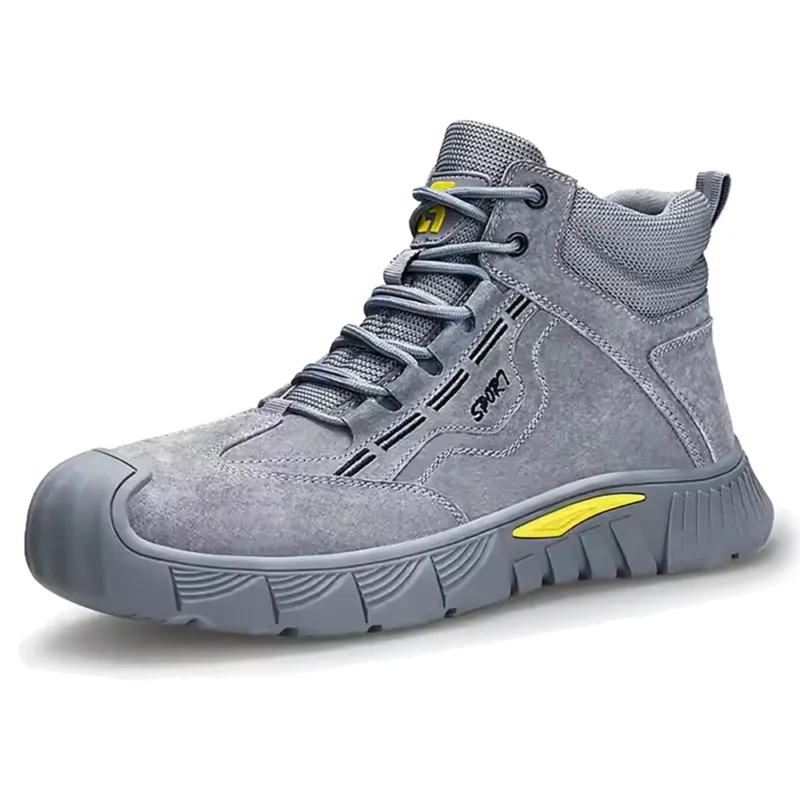
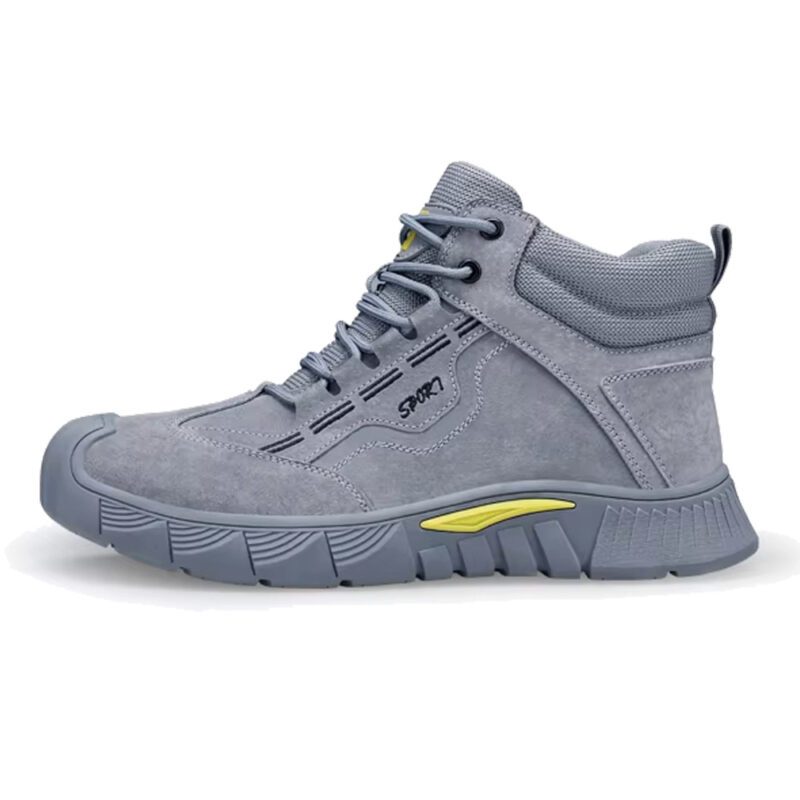
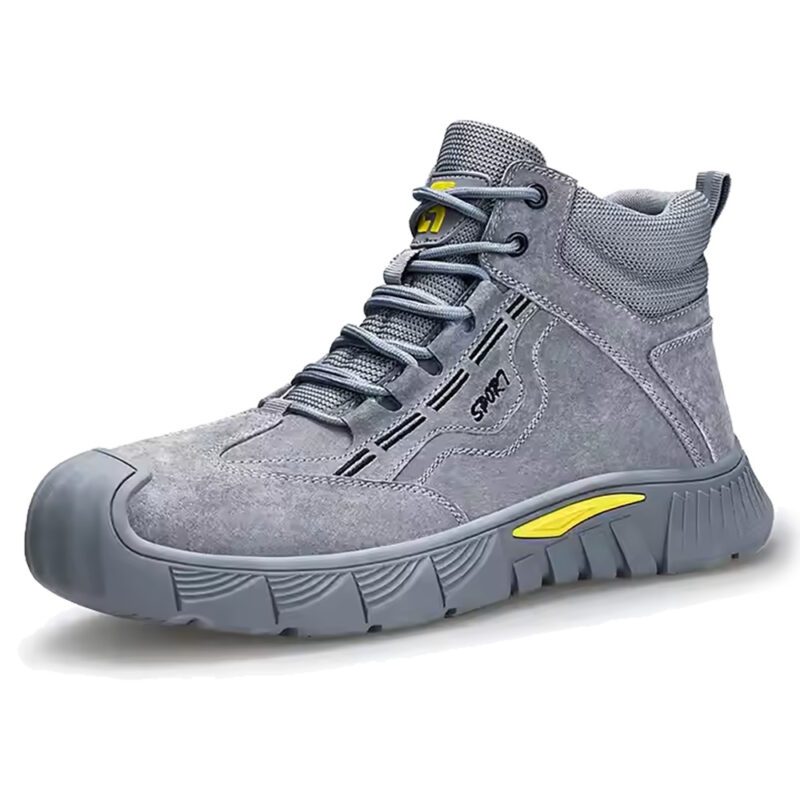
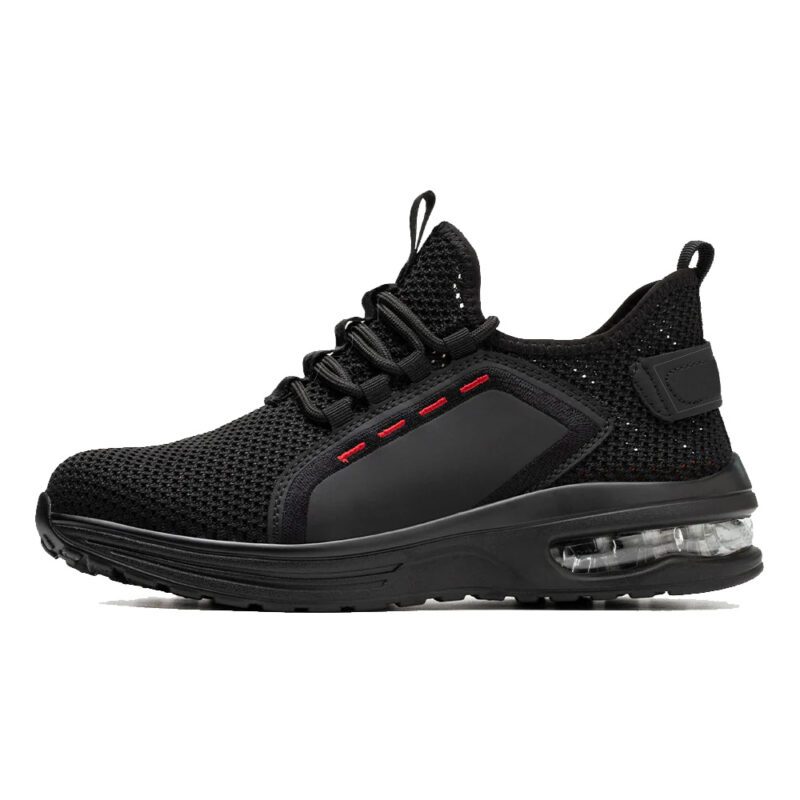
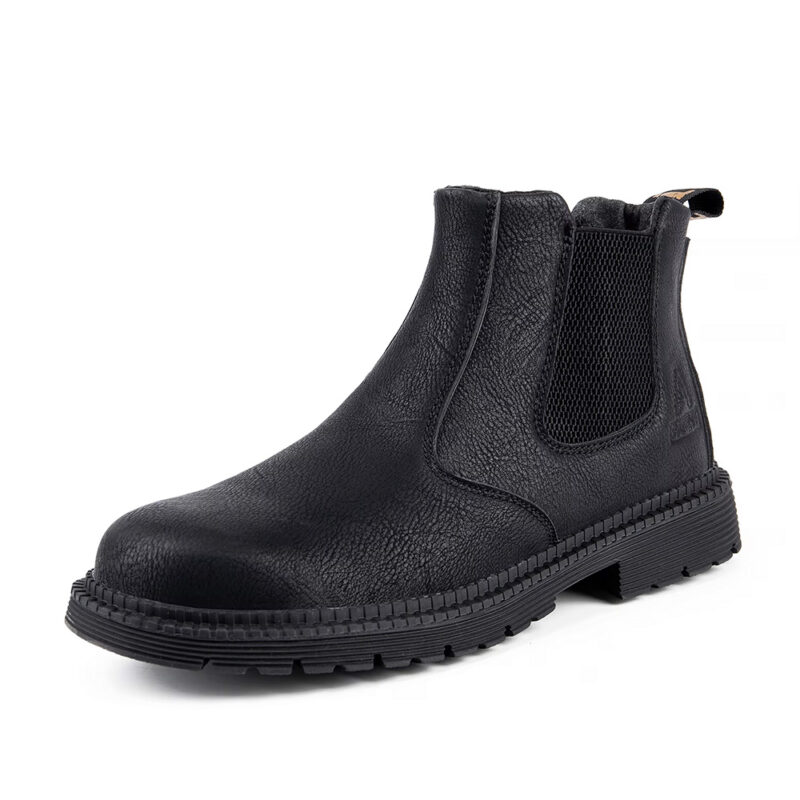
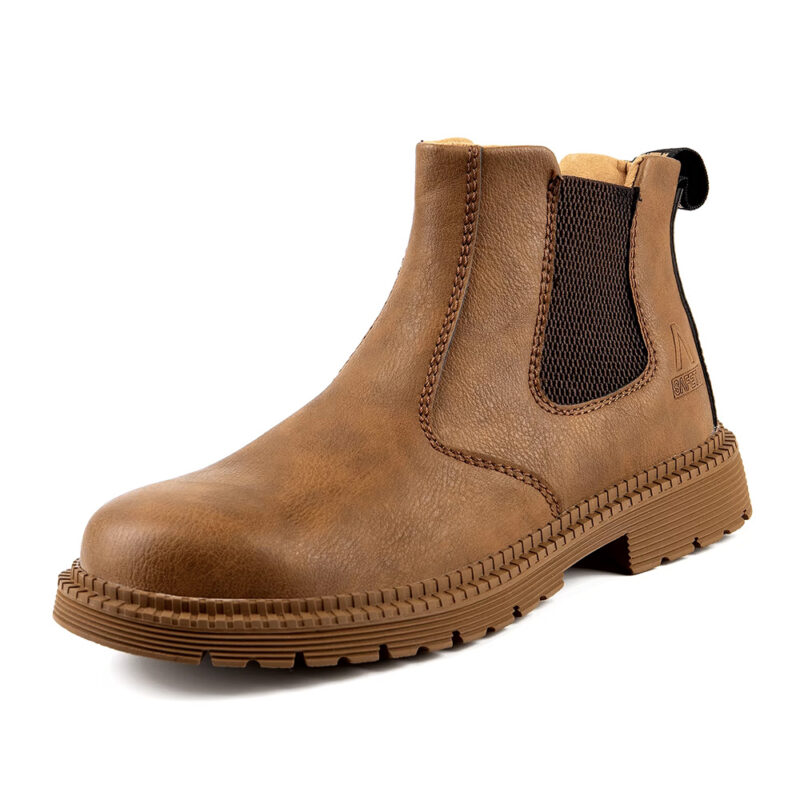
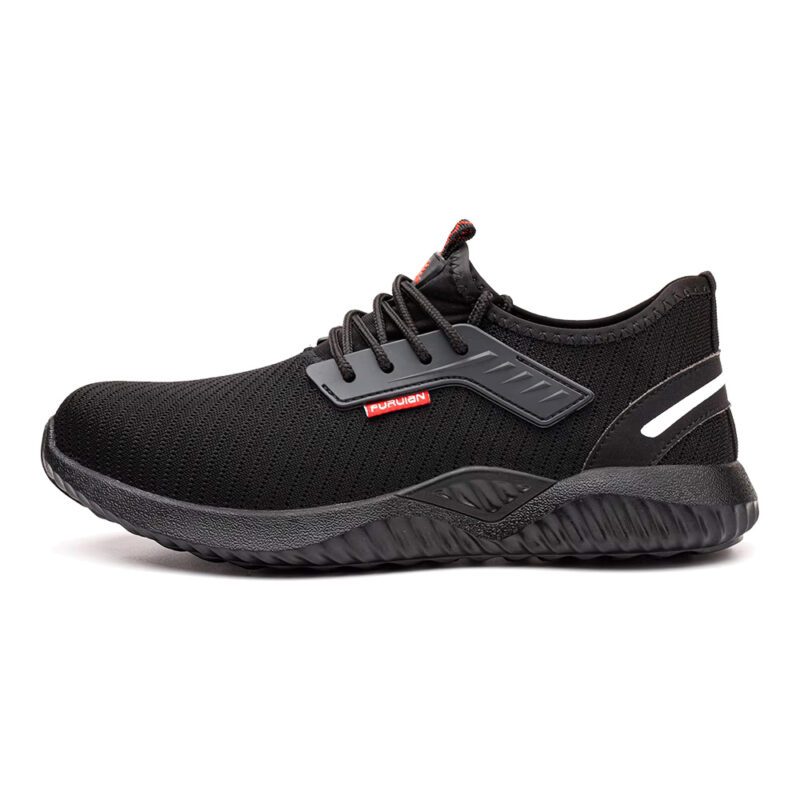
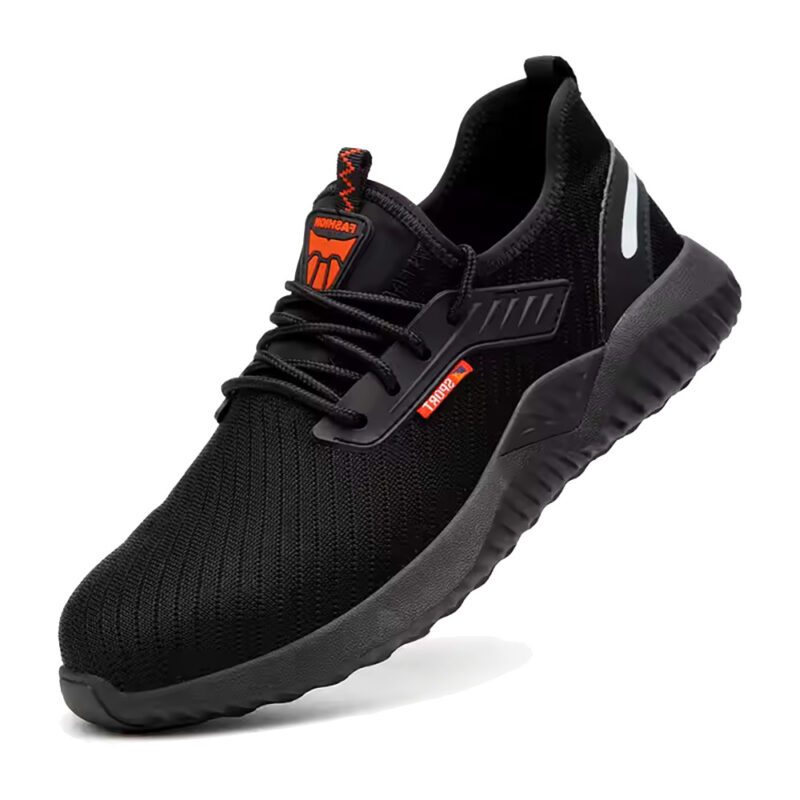
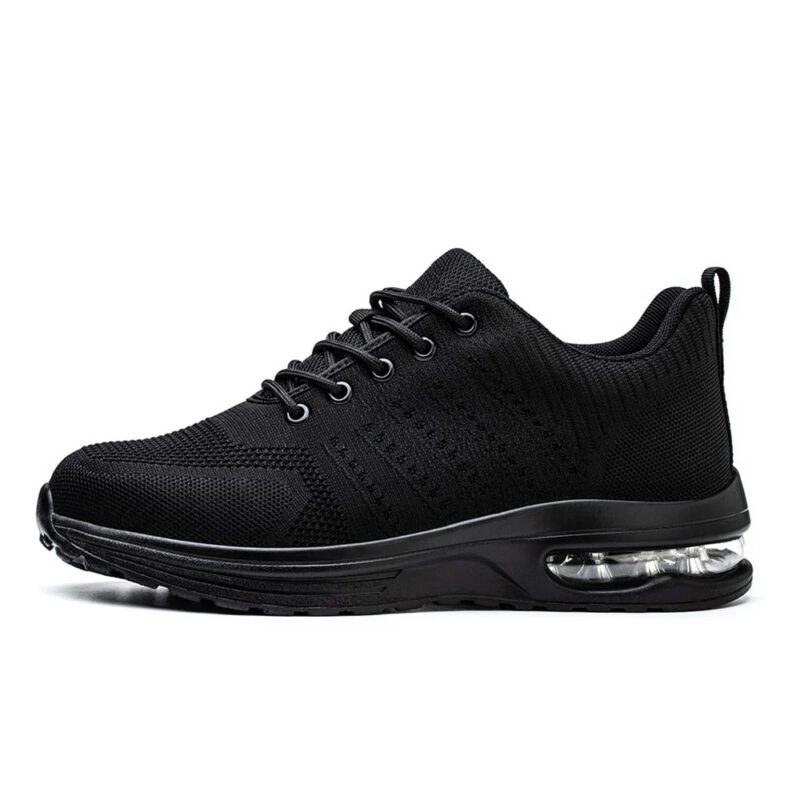
When your workday involves heavy machinery, falling objects, and unforgiving terrain, the Birks Defender Kevlar Steel Toe Safety Work Boots stand ready to protect you through it all. These boots deliver the exceptional durability, reliable protection, and all-day comfort you need to tackle any challenge and get the job done right, every single time.
The right fit means your boots feel secure without pinching. Your toes need space to move. Your heel stays in place when you walk. The boot supports your arch and ankle.
The History of Work Boot Fitting Standards
Work boot fitting evolved from basic measurements to precise sizing systems. In the early 1900s, factory workers wore ill-fitting leather boots. These boots caused foot problems and reduced productivity.
The 1930s brought standardized sizing in the United States. Manufacturers adopted the Brannock Device to measure foot length and width. This tool remains the industry standard today.
Safety regulations in the 1970s changed work boot design. OSHA mandated protective features. Steel toes became common. Manufacturers added metatarsal guards and puncture-resistant soles.
Modern fitting technology includes 3D foot scanning. Companies now offer multiple width options. Half sizes provide better precision. This evolution reflects our understanding that proper fit affects worker safety and comfort.
Key Measurements for Work Boot Fit
Length Measurement
Your longest toe needs half an inch of space from the boot’s end. This gap prevents jamming during downhill walking. Press your thumb on the toe box while standing. You should feel this space easily.
Stand up when measuring length. Your feet expand under body weight. Sitting measurements give false results.
Width Measurement
Width affects comfort more than length. Boots that are too narrow pinch your feet. Boots that are too wide allow sliding and blisters.
Common width sizes include:
- B width: Narrow (women’s standard)
- D width: Medium (men’s standard)
- E or EE width: Wide
- EEE width: Extra wide
The ball of your foot should align with the boot’s widest part. This area sits just behind your toes. Pressure here indicates wrong width.
Arch Support
Your arch must contact the boot’s footbed. Gaps mean inadequate support. This causes foot fatigue and pain.
Three arch types exist:
- Low arch (flat feet): Needs structured support
- Normal arch: Works with standard footbeds
- High arch: Requires cushioning and flexibility
Walk around in the boots. Your arch should feel supported, not pressed or floating.
Heel Fit
Your heel lifts slightly when walking. Excessive movement means the boot is too large. A quarter inch of lift is normal. More than this causes blisters and instability.
The heel counter (back portion) should cup your heel firmly. This rigid structure prevents ankle rolling.
How to Measure Your Feet Correctly
Start with clean, dry feet. Wear the socks you plan to use with your work boots. Thick work socks affect sizing.
Step 1: Trace both feet on paper. Stand during tracing. Your weight changes foot dimensions.
Step 2: Measure length from heel to longest toe. Use a ruler or measuring tape.
Step 3: Measure width at the widest point. This sits across the ball of your foot.
Step 4: Measure both feet. Most people have one foot slightly larger. Buy boots for the larger foot.
Step 5: Measure in the afternoon or evening. Feet swell during the day. Morning measurements give false readings.
Visit a boot store for professional measuring. Staff use calibrated tools. They check length, width, and arch type.
The Fitting Process Step by Step
Trying on Work Boots
Bring your work socks to the store. Try boots in the afternoon when feet are largest.
Initial assessment: Slip your foot in without forcing. The boot should slide on with moderate effort. Excessive resistance indicates small size.
Lace properly: Start from the bottom. Pull each section snug but not tight. Proper lacing affects overall fit.
Stand and walk: Spend at least 10 minutes in each pair. Walk up stairs if possible. Stand on your toes. Drop to your heels.
The Thumb Test
Press your thumb on the toe box while standing. You need space equal to your thumb’s width. Less space risks toe injuries. More space allows excessive foot movement.
The Heel Lock Test
Lock the laces at the top. Walk briskly. Your heel should stay seated in the heel pocket. Slipping means wrong size or shape.
Break-in Expectations
Quality work boots require break-in time. Leather softens and molds to your feet. This process takes 2-4 weeks.
Proper fit still feels comfortable initially. Break-in should reduce stiffness, not fix sizing problems. Pain during the first wearing indicates poor fit.
Common Fitting Problems and Solutions
| Problem | Cause | Solution |
|---|---|---|
| Toe pinching | Boot too short or narrow | Increase length by half size or try wider width |
| Heel slipping | Boot too long or wide | Decrease by half size, add heel grip, or try narrower width |
| Arch pain | Incorrect arch support | Change insoles or select different boot model |
| Pressure on top of foot | Low instep volume | Adjust lacing pattern or choose higher-volume boot |
| Ankle rubbing | Wrong boot height | Apply moleskin, adjust socks, or select different style |
| Ball-of-foot pressure | Width mismatch | Try wider width size |
Hot Spots and Blisters
Hot spots appear during the first few wears. These warm, tender areas warn of potential blisters. Address them immediately.
Apply moleskin or blister prevention tape to hot spots. Adjust your lacing. Check your sock thickness. Persistent hot spots mean improper fit.
Numbness and Tingling
Numbness indicates restricted circulation. Your boots are too tight. Loosen laces first. If numbness continues, you need a larger size or wider width.
Tingling in toes often comes from boots that are too short. Your toes hit the front during walking.
When your workday involves heavy machinery, falling objects, and unforgiving terrain, the Birks Defender Kevlar Steel Toe Safety Work Boots stand ready to protect you through it all. These boots deliver the exceptional durability, reliable protection, and all-day comfort you need to tackle any challenge and get the job done right, every single time.
Special Considerations for Work Boot Fit
Steel Toe and Composite Toe Sizing
Safety toe caps change internal boot volume. You may need a half size larger than your regular shoe size. The cap reduces toe box space.
Try safety toe boots separately. Don’t assume your regular size works. Different manufacturers vary in internal space.
Insoles and Orthotics
Aftermarket insoles replace factory footbeds. They change boot fit. If you plan to use custom orthotics, bring them during fitting.
Remove factory insoles when adding orthotics. This maintains proper internal volume. Using both often makes boots too tight.
Temperature Effects
Feet swell in heat. They shrink in cold. Your boots must accommodate these changes.
Summer work requires extra toe room. Winter work allows slightly tighter fit. Consider your work environment during selection.
Weight and Load Bearing
Carrying heavy loads compresses your feet. This increases length and width. If your job involves lifting or carrying, account for this during fitting.
Stand with your typical work gear when trying boots. This simulates real conditions.
Break-In Methods for New Work Boots
Start with short wearing periods. Wear new boots for 2-3 hours daily. Gradually increase duration over two weeks.
Leather conditioning speeds break-in. Apply leather conditioner to stiff areas. This softens material and reduces friction points.
Thick socks protect feet during break-in. They cushion pressure points. Switch to regular work socks after the leather softens.
Walk around your house before wearing boots to work. This identifies problems in a safe environment.
Never wear new boots for a full work shift immediately. This guarantees blisters and discomfort.
Maintenance for Proper Long-Term Fit
Boot Care Basics
Clean boots weekly. Remove dirt and debris. These particles break down materials and change fit.
Condition leather monthly. Dry leather shrinks and cracks. This alters boot shape and fit.
Replace worn insoles. Compressed footbeds reduce support. This changes how your foot sits in the boot.
When to Replace Work Boots
Worn outsoles reduce traction. Compressed midsoles eliminate cushioning. Separated seams allow water entry.
Replace boots when you notice:
- Holes or tears in upper material
- Worn tread with less than 50% depth remaining
- Compressed cushioning that doesn’t rebound
- Loose or separated sole attachments
- Worn safety toe protection
Boot lifespan varies by use. Heavy daily use requires replacement every 6-12 months. Light use extends life to 2-3 years.
Final Checklist for Perfect Work Boot Fit
Review these points before purchasing:
- Half-inch toe space: Verified with thumb test while standing
- Secure heel: Less than quarter-inch lift during walking
- Proper width: No pinching at ball of foot
- Arch contact: Footbed touches your arch curve
- Comfortable instep: No pressure on top of foot
- Correct sock pairing: Tested with actual work socks
- Adequate break-in expectation: Comfort during first try-on
- Right safety features: Meets your job requirements
- Quality construction: Inspected for defects
- Appropriate boot height: Matches your ankle support needs
Walk extensively in the store. Climb stairs. Stand on toes. Perform movements similar to your work tasks.
Selecting the Right Work Boot Size
Your shoe size serves as a starting point, not a final answer. Work boots fit differently than casual shoes. Each manufacturer uses unique sizing.
Try multiple brands. Construction methods affect internal volume. One brand’s size 10 differs from another’s size 10.
Order two sizes online if you cannot visit a store. This allows home comparison. Return the incorrect size.
Read customer reviews about sizing. Many buyers note if boots run large or small. This information guides your selection.
Work boots represent an investment in your safety and comfort. Proper fit prevents injuries, reduces fatigue, and increases productivity. Take time during selection. Your feet support you through long work days. They deserve boots that fit correctly from the start.
When your workday involves heavy machinery, falling objects, and unforgiving terrain, the Birks Defender Kevlar Steel Toe Safety Work Boots stand ready to protect you through it all. These boots deliver the exceptional durability, reliable protection, and all-day comfort you need to tackle any challenge and get the job done right, every single time.