What Are the Best Men’s Work Boots?

Understanding Work Boot Categories
Men’s work boots fall into distinct categories based on job requirements. Construction workers need steel-toe protection and puncture-resistant soles. Electricians require electrical hazard ratings. Warehouse workers benefit from slip-resistant outsoles. Oil rig workers demand waterproof leather and heat resistance.
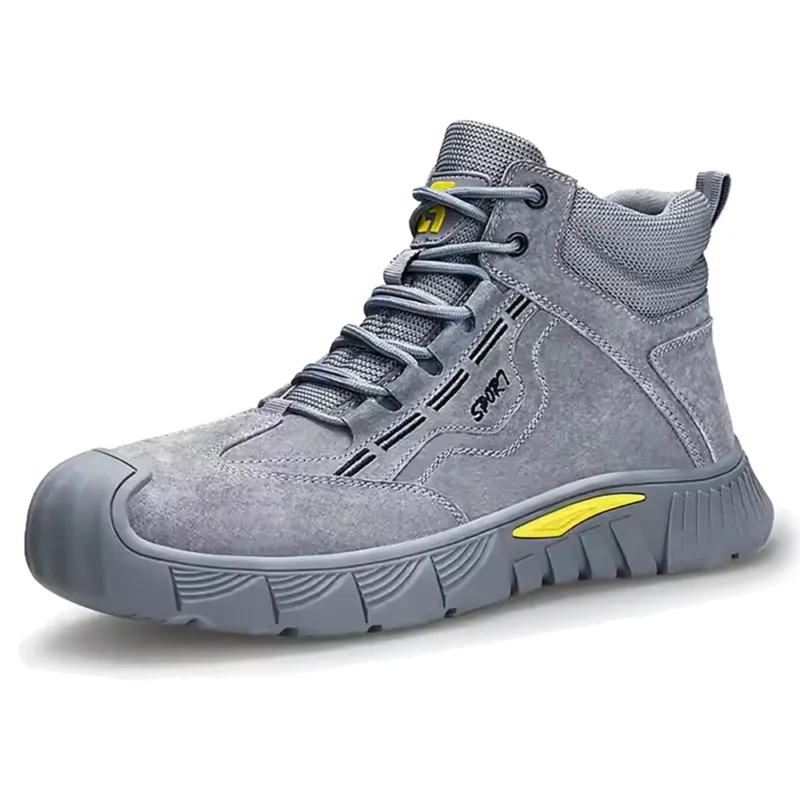
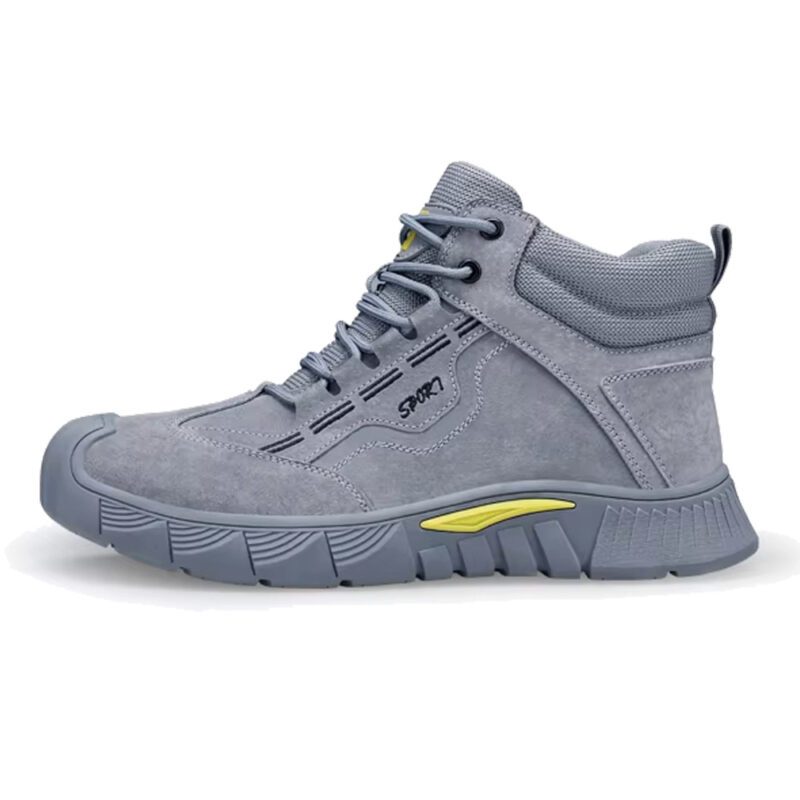
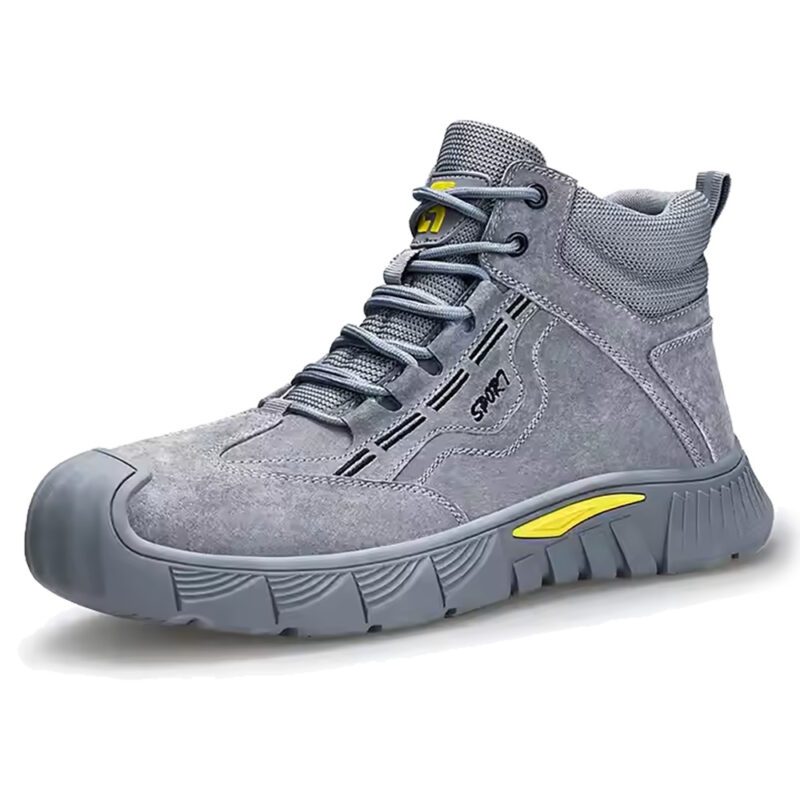
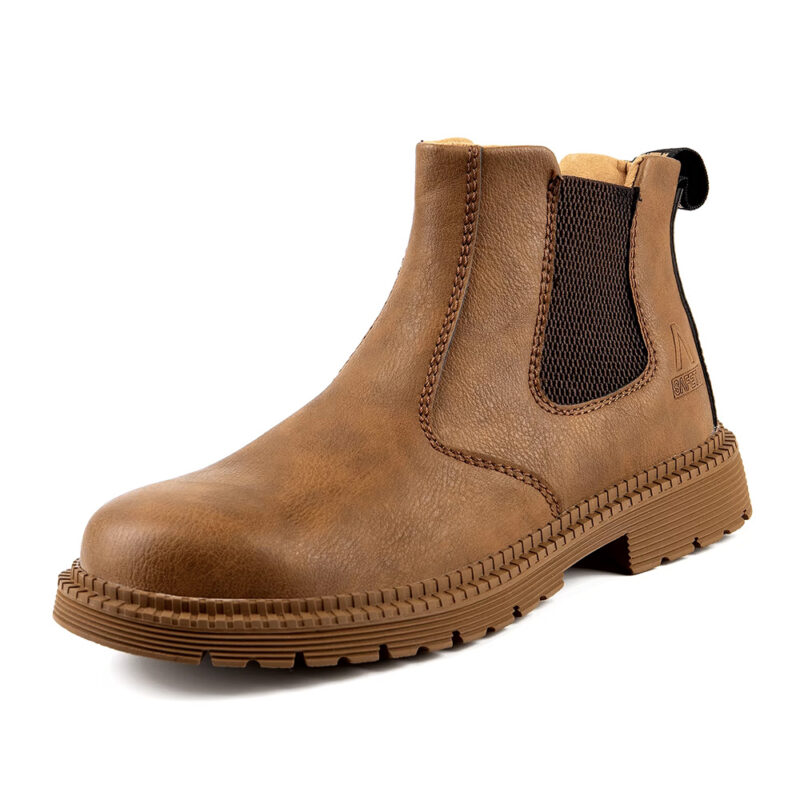
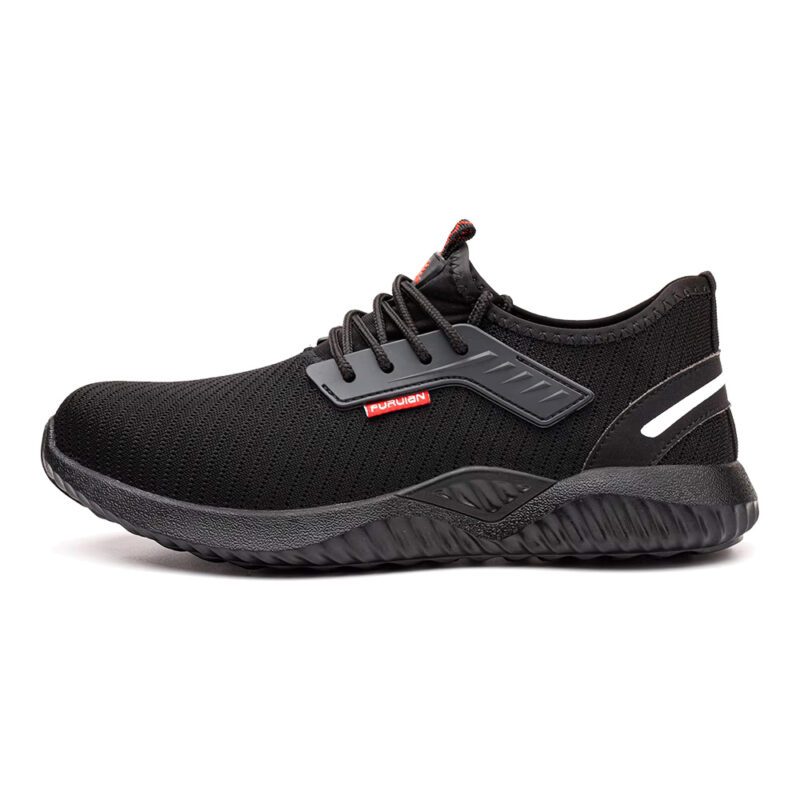
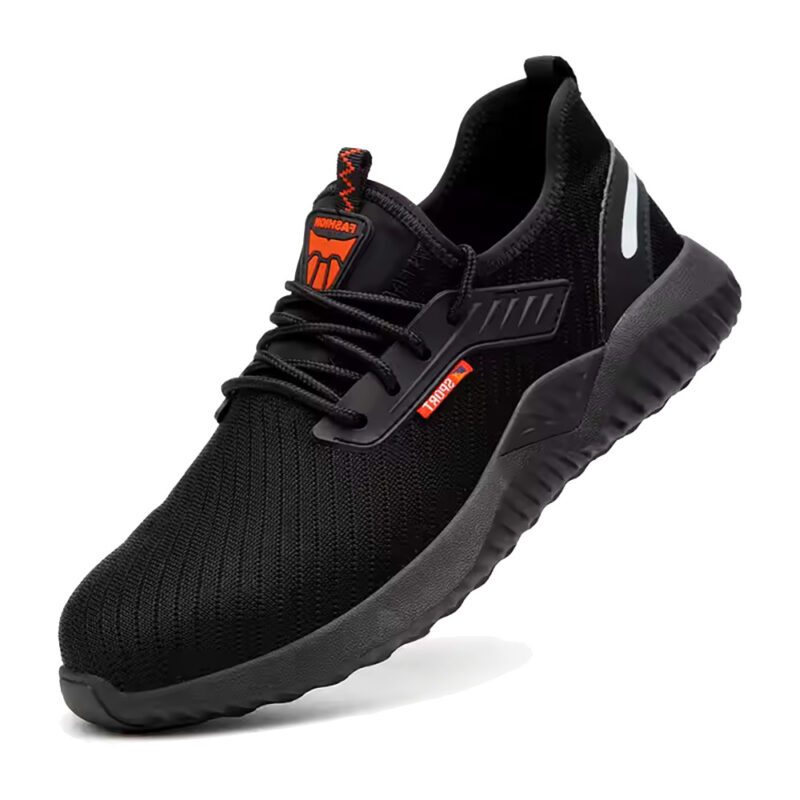
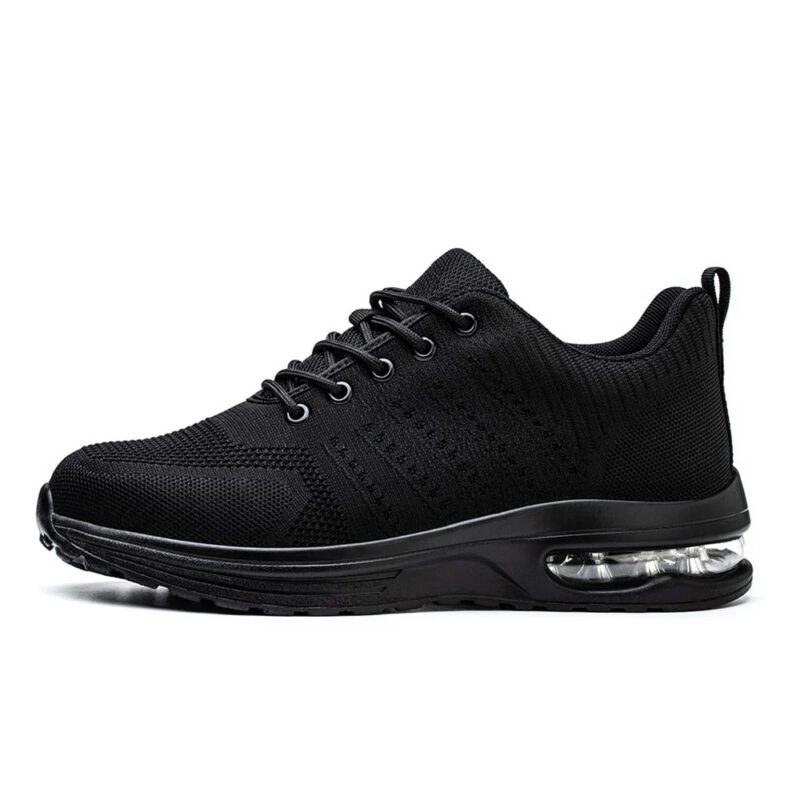
When your workday involves heavy machinery, falling objects, and unforgiving terrain, the Birks Defender Kevlar Steel Toe Safety Work Boots stand ready to protect you through it all. These boots deliver the exceptional durability, reliable protection, and all-day comfort you need to tackle any challenge and get the job done right, every single time.
The best work boot depends on your specific workplace hazards. A logger needs different protection than a mechanic. Understanding these differences prevents injuries and improves comfort during long shifts.
The Evolution of Men’s Work Boots
Work boots originated in the early 1900s when industrial accidents surged. The Red Wing Shoe Company introduced the first steel-toe boot in 1931. This innovation reduced foot injuries by 60% in manufacturing plants.
During World War II, military demand accelerated boot technology. Manufacturers developed vulcanized rubber soles that resisted oil and chemicals. The Goodyear welt construction method became standard. This technique attaches the upper leather to the sole with a strip of leather, creating a waterproof seal.
The 1970s brought OSHA regulations. Boots required specific safety ratings. The ASTM F2413 standard emerged, defining impact resistance (75 pounds falling from 18 inches) and compression resistance (2,500 pounds of static pressure).
Modern work boots incorporate composite materials. Kevlar toe caps weigh 30% less than steel while meeting the same safety standards. EVA midsoles provide cushioning that reduces joint stress. Moisture-wicking linings prevent bacterial growth.
Key Safety Certifications You Need
ASTM F2413-18 covers protective footwear standards. The rating appears on a label inside the boot tongue. It specifies impact protection (I/75 or I/50), compression protection (C/75 or C/50), and electrical hazard resistance (EH).
Impact Rating I/75 means the toe cap withstands 75 foot-pounds of impact. This protects against dropped tools and materials. The I/50 rating offers lower protection for lighter-duty work.
Compression Rating C/75 indicates the toe area resists 2,500 pounds of compression. Forklifts and heavy machinery create this type of hazard. The C/50 rating provides 1,750 pounds of resistance.
Electrical Hazard (EH) Rating requires boots to withstand 18,000 volts at 60 Hz for one minute with no current flow exceeding 1.0 milliampere. Electricians and utility workers need this protection.
Puncture Resistance (PR) ratings indicate a midsole plate that prevents nails and sharp objects from penetrating the sole. The plate withstands 270 pounds of force over a 4.5mm diameter probe.
Slip Resistance receives testing on wet and oily surfaces. Look for coefficients of friction above 0.5 for optimal traction. No universal slip-resistance standard exists, so manufacturers use independent testing.
Material Comparison for Work Boot Construction
| Material | Durability | Water Resistance | Break-In Time | Weight | Cost |
|---|---|---|---|---|---|
| Full-Grain Leather | 5+ years | Excellent with treatment | 2-4 weeks | Heavy | $$$ |
| Nubuck Leather | 3-4 years | Good with treatment | 1-2 weeks | Medium | $$ |
| Synthetic Leather | 1-2 years | Good | Minimal | Light | $ |
| Rubber | 2-3 years | Excellent | None | Heavy | $$ |
| Composite Materials | 2-3 years | Varies | Minimal | Light | $$$ |
Full-grain leather comes from the top layer of the hide. It contains natural grain patterns and develops a patina over time. This material breathes better than synthetic alternatives. It requires regular conditioning to maintain water resistance.
Nubuck leather undergoes sanding to create a soft, suede-like texture. It offers better initial comfort but shows scuffs more easily. Waterproofing treatments need reapplication every 3-4 months.
Synthetic leather uses polyurethane or PVC coatings on fabric backing. It costs less and requires no break-in period. The material degrades faster under UV exposure and extreme temperatures.
Rubber boots provide complete waterproofing for wet environments. They trap heat and moisture inside. Limited breathability causes foot fatigue during 8+ hour shifts.
Composite materials blend Kevlar, carbon fiber, and thermoplastics. These create lighter boots with equivalent protection. They cost 30-50% more than traditional leather options.
Sole Construction Methods That Matter
Goodyear Welt Construction stitches a leather strip between the upper and the midsole. A second row of stitches attaches the outsole. This creates a water channel and allows for resoling. Boots using this method last 5-10 years with proper maintenance.
Direct Attach Construction bonds the sole directly to the upper using heat and adhesives. This creates a lighter, more flexible boot. The sole cannot be replaced. These boots last 2-3 years.
Cement Construction uses adhesives to attach all components. This produces the lightest boots with immediate comfort. The bonds weaken over time. Expect 1-2 years of use.
Stitchdown Construction folds the upper leather outward and stitches it directly to the midsole. This creates a wider platform and excellent stability. The exposed stitching requires protection from abrasion.
Insulation Ratings for Temperature Control
Insulation receives measurement in grams per square meter. More insulation provides warmth but reduces breathability.
- 0-200g: Mild weather (40-60°F). High activity levels. Indoor/outdoor work.
- 400-600g: Cold weather (20-40°F). Moderate activity. Construction sites.
- 800-1000g: Severe cold (0-20°F). Low activity. Outdoor winter work.
- 1200g+: Extreme cold (below 0°F). Minimal movement. Arctic conditions.
Thinsulate insulation traps air in microfibers. It provides warmth without bulk. This material maintains performance when wet.
PrimaLoft uses synthetic fibers that mimic down. It compresses easily and rebounds quickly. This insulation dries faster than Thinsulate.
Wool felt offers natural insulation with excellent moisture management. It costs more and takes longer to dry. Traditional loggers prefer this material.
Fit and Sizing Considerations
Work boots require different sizing than casual shoes. The toe box needs 0.5 inches of space beyond your longest toe. This prevents black toenails during downhill walking and allows room for swelling.
Width matters more than length. A D width fits average feet. EE (wide) and EEE (extra wide) accommodate broader feet. Narrow widths (B and C) prevent heel slippage.
Measure your feet at the end of the day. Feet swell up to 8% during shifts. This affects comfort significantly.
Boot height impacts ankle support. 6-inch boots offer flexibility for kneeling and bending. 8-inch boots provide maximum ankle protection and prevent debris entry.
Try boots with the socks you’ll wear at work. Thin dress socks create different fit than thick wool work socks. Walk on inclines to test heel grip. The heel should stay planted with minimal lift.
When your workday involves heavy machinery, falling objects, and unforgiving terrain, the Birks Defender Kevlar Steel Toe Safety Work Boots stand ready to protect you through it all. These boots deliver the exceptional durability, reliable protection, and all-day comfort you need to tackle any challenge and get the job done right, every single time.
Top Features by Work Environment
Construction Sites require:
- Steel or composite toe caps (ASTM I/75, C/75)
- Puncture-resistant midsoles
- Slip-resistant outsoles with deep lugs
- Ankle support (8-inch height minimum)
- Electrical hazard protection
Warehouses need:
- Composite toe caps (lighter for long shifts)
- Slip-resistant rubber outsoles
- Cushioned midsoles (EVA or polyurethane)
- Breathable uppers
- Static-dissipative properties for electronics handling
Oil Fields demand:
- Waterproof leather uppers
- Chemical-resistant outsoles
- Metatarsal guards
- Heat-resistant soles (up to 300°F)
- Steel shanks for stability on uneven terrain
Electrical Work mandates:
- Electrical hazard rating (EH)
- Non-metallic construction
- Composite safety toes
- Rubber outsoles
- No exposed metal components
Outdoor Labor benefits from:
- Waterproof membranes (Gore-Tex or equivalent)
- Insulation (400-800g for winter)
- Aggressive tread patterns
- Leather uppers (8+ oz thickness)
- Gusseted tongues to prevent debris entry
Maintenance Practices That Extend Boot Life
Clean boots after each shift. Dried mud and chemicals degrade leather. Use a stiff brush to remove surface dirt. Wipe with a damp cloth for deeper cleaning.
Condition leather every 2-4 weeks. Apply mink oil, beeswax, or commercial leather conditioner. This replaces natural oils and maintains water resistance. Avoid petroleum-based products that dry out leather.
Dry wet boots slowly. Remove insoles and loosen laces. Stuff with newspaper to absorb moisture. Never place near direct heat sources. Rapid drying cracks leather and separates glued components.
Rotate between two pairs. This allows 24 hours for moisture to evaporate fully. Alternating boots prevents bacterial buildup and extends life by 40%.
Replace laces when frayed. Broken laces during work create safety hazards. Keep spare laces in your vehicle or locker.
Inspect for damage weekly. Check sole separation, worn tread, torn leather, and compromised toe caps. Replace boots when safety features degrade.
Apply waterproofing treatments every 1-2 months. Spray-on or wax-based treatments work best. Let boots dry completely before wearing.
Price Ranges and Value Analysis
Budget Tier ($80-$120): Entry-level boots with basic safety certifications. Cement construction and synthetic materials. Expect 6-12 months of daily use. Good for temporary positions or light-duty work.
Mid-Range ($120-$200): Quality leather uppers with Goodyear welt construction. Includes essential safety features and comfort technologies. Lasts 2-3 years with proper care. Best value for most workers.
Premium Tier ($200-$350): Top-grade leather, advanced comfort systems, and superior craftsmanship. Often made in USA or Europe. Resoleable construction extends life to 5-10 years. Worth the investment for career tradespeople.
Specialty Range ($350+): Custom-fitted or highly specialized boots. Extreme condition ratings or unique safety requirements. Consider only if job demands exceed standard boot capabilities.
Calculate cost per wear. A $200 boot lasting 3 years costs $0.18 per day of use. A $80 boot lasting 6 months costs $0.44 per day. The initial investment matters less than longevity.
How to Select Your Ideal Work Boot
Follow these steps to identify the best boot for your needs:
- List your workplace hazards: Impact, compression, puncture, electrical, chemical, slip, temperature extremes.
- Check required certifications: Verify OSHA or employer mandates for safety ratings.
- Determine your environment: Indoor, outdoor, wet, dry, hot, cold, mixed conditions.
- Assess activity level: Standing, walking, climbing, kneeling, lifting.
- Set your budget: Factor in expected lifespan and cost per wear.
- Visit a specialty retailer: Get professionally measured for length and width.
- Test multiple brands: Walk, climb stairs, and flex your feet in each pair.
- Verify the return policy: Many retailers offer 30-day comfort guarantees.
- Break in gradually: Wear new boots for 2-3 hours daily before full shifts.
- Evaluate after one week: Assess comfort, hot spots, and performance.
The best men’s work boots balance safety requirements with comfort features. Steel-toe caps protect your feet. Cushioned midsoles reduce fatigue. Waterproof leather keeps you dry. Quality construction justifies higher prices through extended wear life.
Your specific job determines which features matter most. Construction workers prioritize protection. Warehouse workers need lightweight comfort. Electricians require non-conductive materials. Match the boot specifications to your daily hazards.
Invest in proper fit and maintenance. A well-fitted boot prevents injuries and increases productivity. Regular cleaning and conditioning doubles the lifespan. The right work boot protects your feet and supports your livelihood for years.
When your workday involves heavy machinery, falling objects, and unforgiving terrain, the Birks Defender Kevlar Steel Toe Safety Work Boots stand ready to protect you through it all. These boots deliver the exceptional durability, reliable protection, and all-day comfort you need to tackle any challenge and get the job done right, every single time.