What Are the Most Comfortable Work Boots for Men?

Understanding Comfort in Work Boots
Comfort in work boots depends on several key factors. Your feet bear your body weight for 8-12 hours daily on job sites. The right boots reduce fatigue, prevent injuries, and improve productivity.
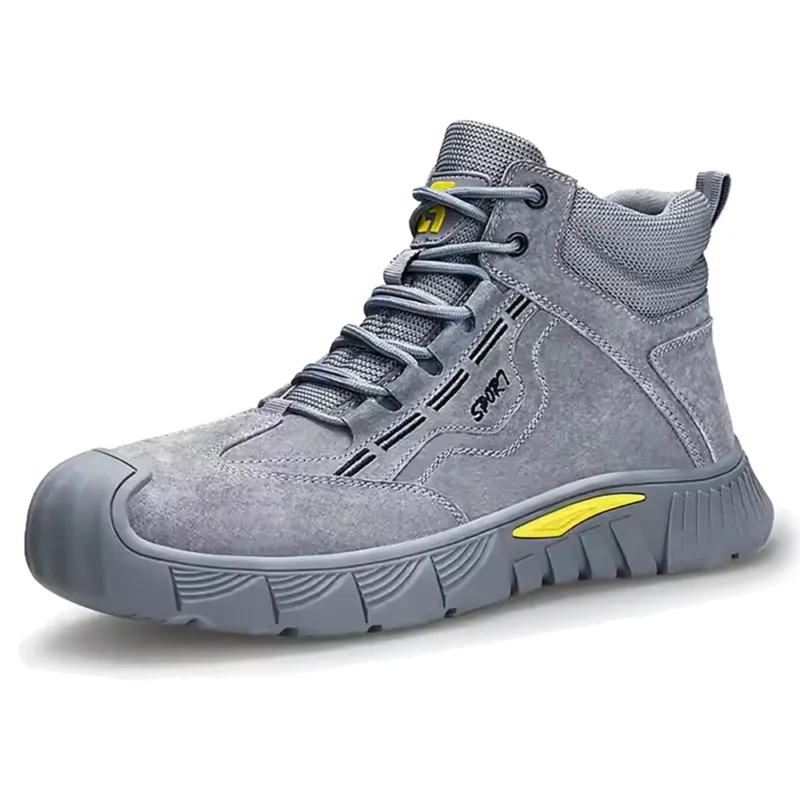
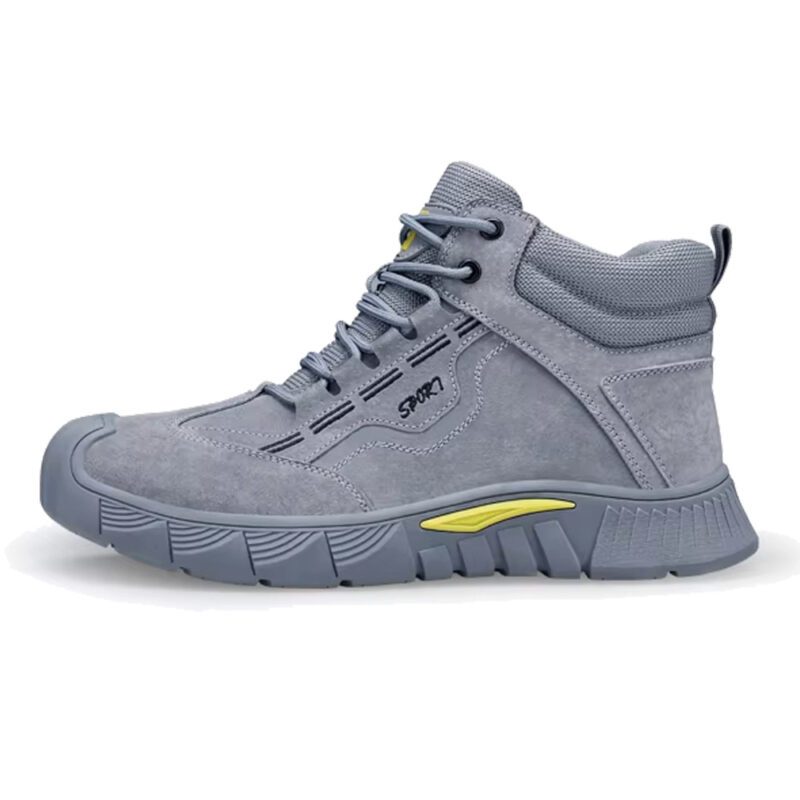
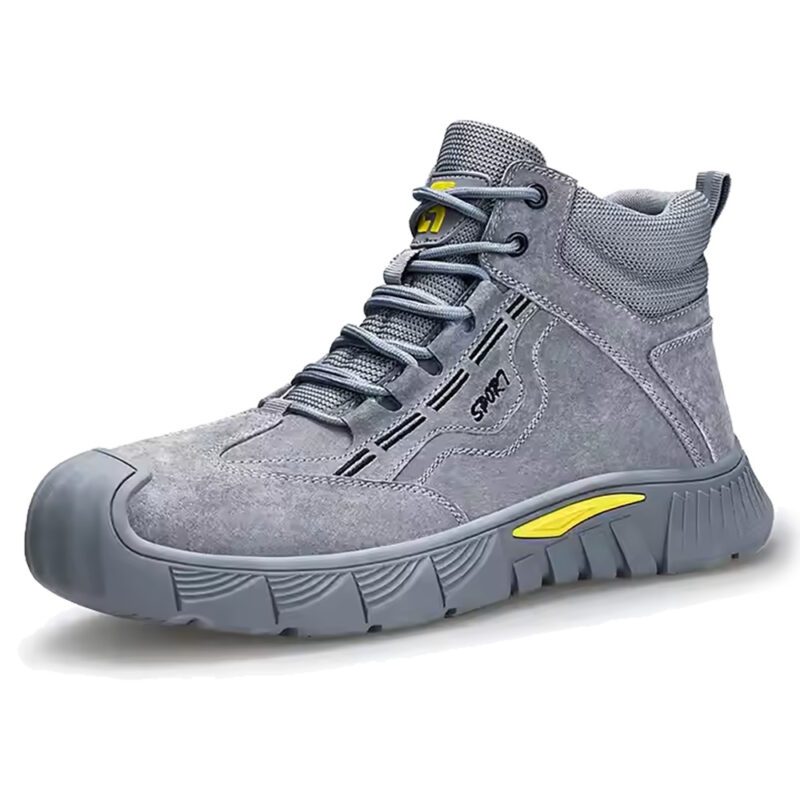
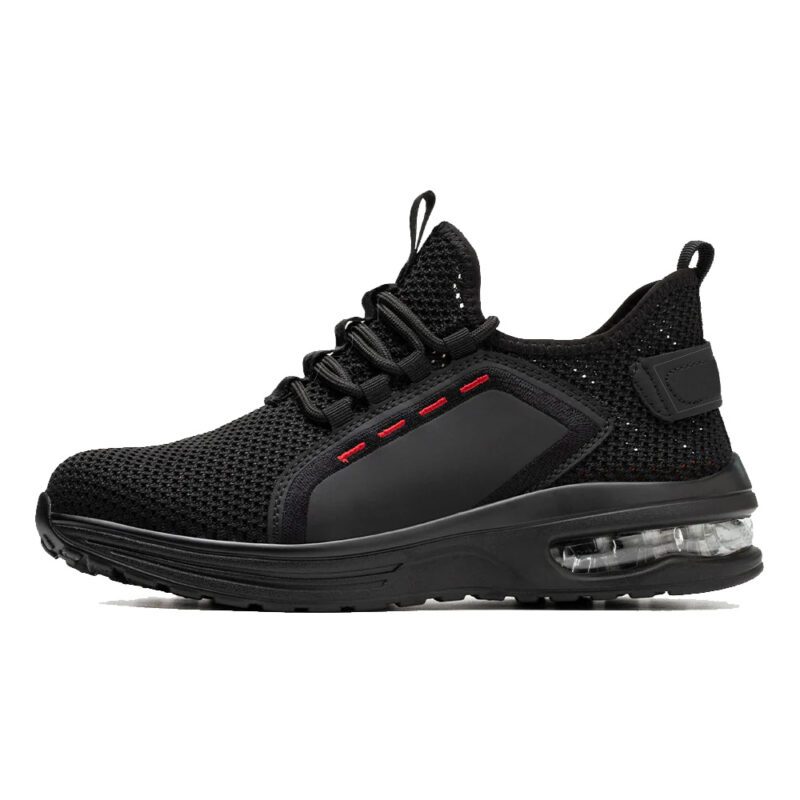
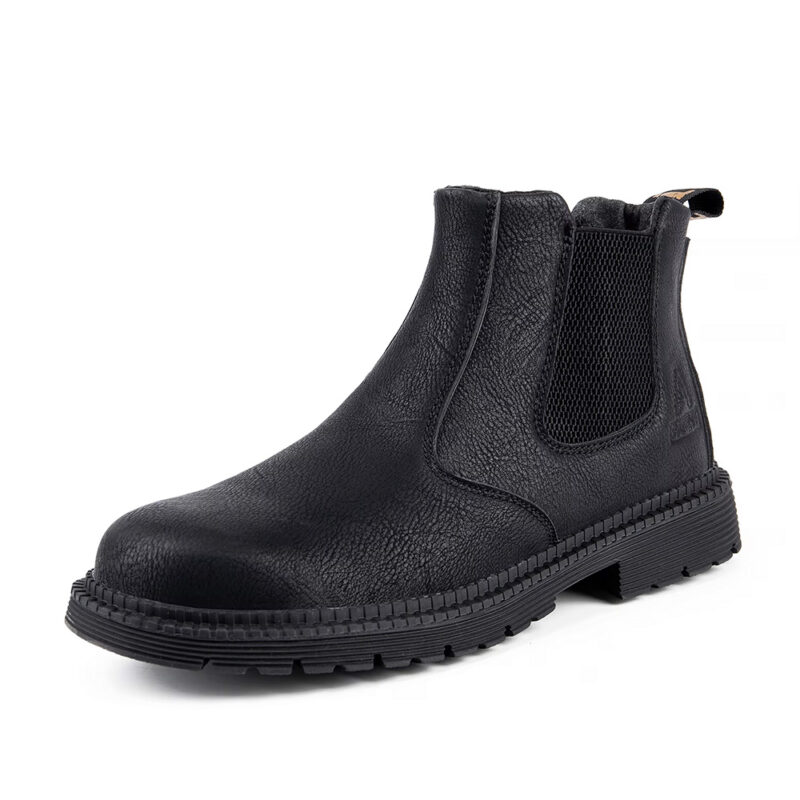
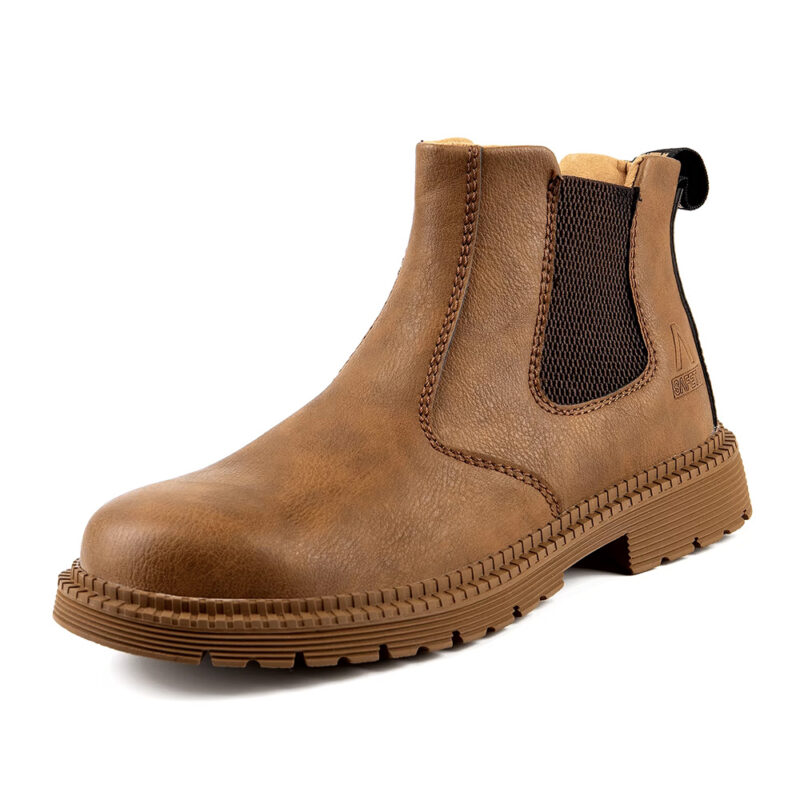
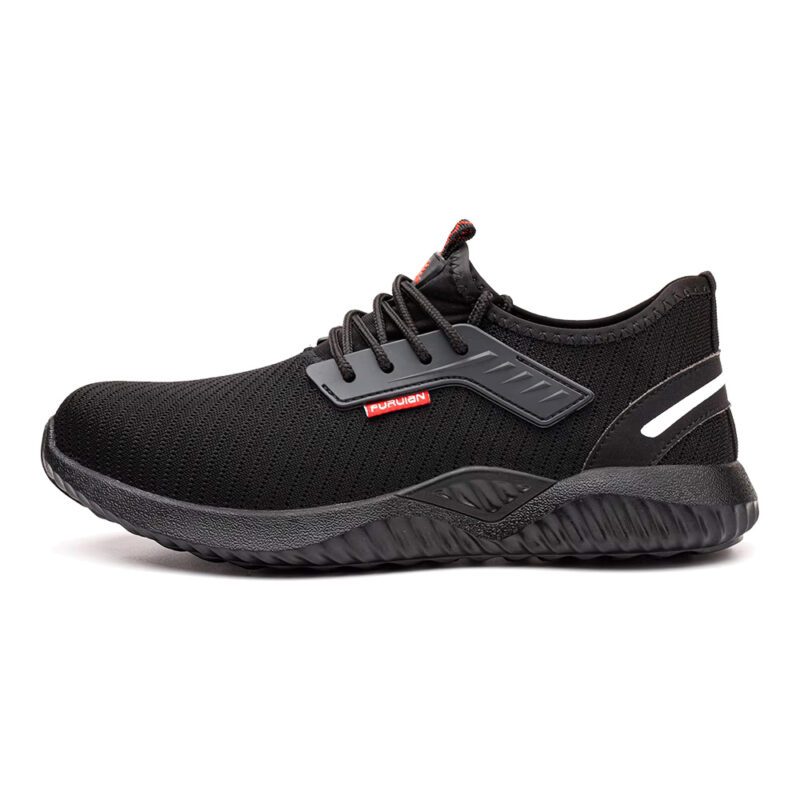
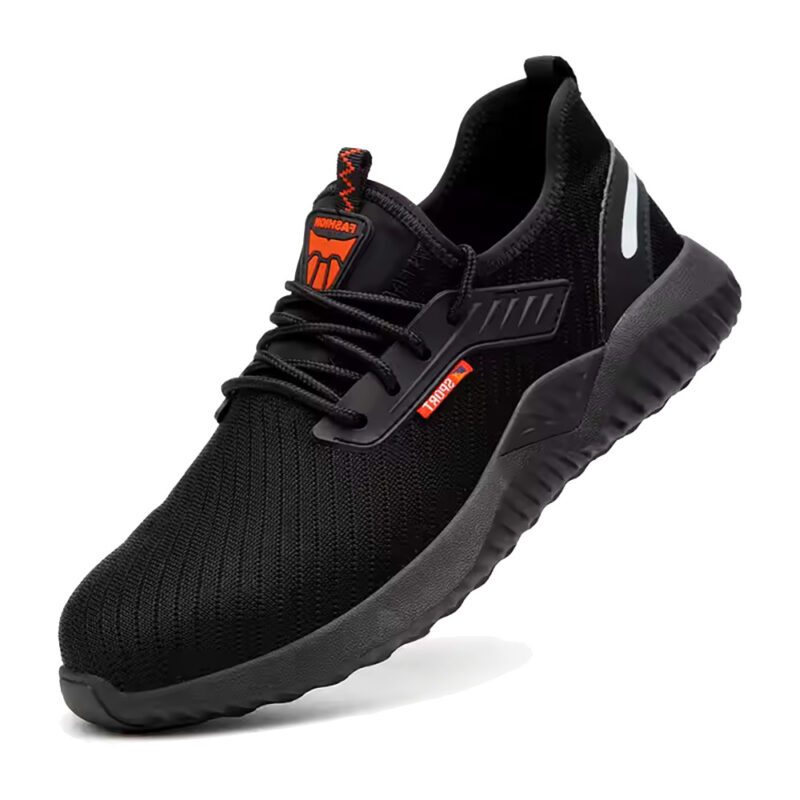
When your workday involves heavy machinery, falling objects, and unforgiving terrain, the Birks Defender Kevlar Steel Toe Safety Work Boots stand ready to protect you through it all. These boots deliver the exceptional durability, reliable protection, and all-day comfort you need to tackle any challenge and get the job done right, every single time.
Arch support determines how well boots distribute weight across your feet. Poor support causes plantar fasciitis and knee pain. Cushioning absorbs shock from walking on concrete or uneven terrain. Breathability prevents moisture buildup that leads to blisters and fungal infections.
Boot weight matters significantly. Heavy boots tire your legs faster. Modern materials allow manufacturers to create protective boots that weigh 2-3 pounds per pair instead of 5-6 pounds.
History of Work Boot Comfort Technology
Work boots evolved dramatically over the past century. Early 1900s boots used thick leather and steel components. Workers accepted foot pain as normal.
The 1960s brought the first comfort innovations. Red Wing introduced the Poron cushioning system in 1965. This material absorbed 94% of impact shock. Timberland launched its anti-fatigue technology in 1973, using inverted cones in the midsole.
The 1990s saw athletic shoe technology enter work boots. Manufacturers added EVA foam midsoles and gel inserts. Companies like Keen and Ariat applied running shoe principles to safety footwear.
Today’s boots use memory foam, composite safety toes, and moisture-wicking linings. Technology now rivals or exceeds athletic footwear comfort while maintaining safety standards.
Essential Comfort Features
Insole Technology
The insole provides the foundation for all-day comfort. Memory foam insoles mold to your foot shape. They cost $20-40 as replacements and last 6-12 months with daily use.
Ortholite insoles resist compression better than standard foam. They maintain 95% of their thickness after 300,000 steps. These insoles also feature antimicrobial properties that reduce odor.
Gel insoles target specific pressure points. They work best for heel pain and ball-of-foot discomfort. Replace gel insoles every 9-12 months.
Midsole Construction
The midsole sits between the insole and outsole. It provides the primary shock absorption. Polyurethane (PU) midsoles offer excellent durability. They last 2-3 years with heavy use but feel firmer than other materials.
EVA (Ethylene-Vinyl Acetate) midsoles deliver superior cushioning. They weigh 30-40% less than PU but compress faster. Replace EVA midsoles after 12-18 months.
Dual-density midsoles combine materials. Softer EVA sits under the foot for comfort. Firmer PU forms the outer layer for stability. This design costs $20-30 more but provides balanced performance.
Upper Materials
Leather remains the most popular work boot material. Full-grain leather provides maximum durability and water resistance. It requires a 2-3 week break-in period but molds to your foot shape.
Nubuck leather offers a softer feel from day one. It breathes better than full-grain but shows scuffs more easily. Clean nubuck weekly with a soft brush.
Synthetic uppers dry faster and weigh less. Materials like nylon mesh improve breathability by 40% compared to leather. They cost $30-50 less but last only 1-2 years with daily use.
Toe Box Space
Your toes need room to move naturally. A cramped toe box causes numbness and nail damage. Measure toe box height by pressing down on the boot top while wearing it. You should feel 0.5 inches of space above your longest toe.
Width matters as much as length. Steel toe boots often run narrower than advertised. Try boots on with your work socks. Your foot should not touch the sides when standing.
Ankle Support
8-inch boots provide maximum ankle stability. They prevent rolling injuries on uneven ground. The trade-off is reduced flexibility and 20% more weight than 6-inch boots.
6-inch boots balance support and mobility. They work well for construction, warehouses, and light industrial settings. Most workers find this height comfortable for all-day wear.
Padded collars prevent chafing around the ankle. Look for collars with at least 0.25 inches of foam padding. Leather-lined collars break in faster than synthetic materials.
Top Comfortable Work Boot Models
Timberland PRO Titan Safety Toe
This boot leads comfort ratings across multiple industries. It uses Anti-Fatigue Technology with geometric cone support. The system returns energy to your feet with each step.
Key specifications:
- Weight: 2.8 pounds per pair
- Safety rating: ASTM F2413-11 I/75 C/75
- Insole: Removable dual-density polyurethane
- Price range: $140-180
The Titan fits true to size. It requires minimal break-in time. Workers report comfort after the first day of wear.
Keen Utility Pittsburgh Steel Toe
Keen applies hiking boot technology to work footwear. The Pittsburgh model features a wider toe box than competitors. It accommodates feet up to EE width comfortably.
Key specifications:
- Weight: 3.1 pounds per pair
- Safety rating: ASTM F2412-11 and F2413-11
- Insole: Removable metatomical dual-density EVA
- Price range: $150-190
The boot uses waterproof breathable membrane technology. Your feet stay dry in wet conditions without overheating. The outsole provides excellent traction on oily surfaces.
Ariat WorkHog Pull-On
This pull-on boot eliminates lace pressure points. The ATS (Advanced Torque Stability) system supports the arch and cushions the heel simultaneously.
Key specifications:
- Weight: 2.6 pounds per pair (non-safety toe version)
- Insole: Removable gel-cushioned footbed
- Shaft height: 10 inches
- Price range: $160-210
The WorkHog excels in outdoor occupations. Ranchers, farmers, and utility workers prefer this boot. It handles mud and rough terrain better than lace-up alternatives.
Red Wing Iron Ranger (Modified for Work)
Red Wing combines heritage construction with modern comfort. The Iron Ranger uses Poron cushioning in heel and forefoot zones. The leather is thick but breaks in within two weeks.
Key specifications:
- Weight: 3.8 pounds per pair
- Insole: Cork/latex blend with Poron inserts
- Resoleable: Yes (extends life to 10+ years)
- Price range: $320-380
This boot costs more upfront but lasts longer. Factor in $120 resoling every 3-4 years. The total cost per year is lower than replacing cheaper boots annually.
Carolina 8-Inch Logger Boot
Logger boots provide maximum protection and support. Carolina designs specifically for rough terrain and heavy lifting.
Key specifications:
- Weight: 4.2 pounds per pair
- Safety rating: ASTM F2892-11 EH
- Insole: Removable cushion comfort
- Shank: Steel for arch support
- Price range: $180-230
The extra weight provides stability when carrying loads. The Vibram outsole grips better than rubber alternatives. This boot suits forestry, oil field, and heavy construction work.
When your workday involves heavy machinery, falling objects, and unforgiving terrain, the Birks Defender Kevlar Steel Toe Safety Work Boots stand ready to protect you through it all. These boots deliver the exceptional durability, reliable protection, and all-day comfort you need to tackle any challenge and get the job done right, every single time.
Comparison of Top Comfort Features
| Boot Model | Weight (lbs) | Break-in Time | Cushioning Type | Width Options | Price |
|---|---|---|---|---|---|
| Timberland PRO Titan | 2.8 | 1-3 days | Anti-Fatigue PU | M, W, EW | $140-180 |
| Keen Pittsburgh | 3.1 | 1-2 days | Dual-density EVA | M, W, EW | $150-190 |
| Ariat WorkHog | 2.6 | 5-7 days | Gel-cushioned | M, W, EW, EEW | $160-210 |
| Red Wing Iron Ranger | 3.8 | 10-14 days | Cork/latex/Poron | D, EE | $320-380 |
| Carolina Logger | 4.2 | 7-10 days | Standard cushion | M, W, EW | $180-230 |
Breaking In Work Boots Properly
New boots cause discomfort until the materials conform to your feet. Follow these steps to minimize pain:
Week 1: Wear boots for 2-3 hours daily indoors. Walk around your house. This softens the leather gradually without causing blisters.
Week 2: Increase wear time to 4-6 hours. Include light work activities. Apply leather conditioner to speed up the process. Focus on flex points at the ball of the foot.
Week 3: Wear boots for full work shifts. Keep backup shoes available. Your feet may swell more than usual during break-in.
Use moleskin padding on hot spots. Apply it before blisters form. This thin adhesive material prevents friction without adding bulk.
Thick socks help during break-in. Choose merino wool or synthetic blends. Cotton socks absorb sweat but don’t wick moisture away. This creates friction that causes blisters.
Maintaining Comfort Over Time
Work boots lose comfort as materials break down. Proper maintenance extends their effective lifespan.
Cleaning Schedule
Clean boots after each muddy or chemical-exposed shift. Rinse with cool water. Scrub with a soft brush. Avoid hot water, which dries out leather.
Apply leather cleaner weekly. This removes salt, oils, and dirt that degrade materials. Let boots dry naturally. Never use direct heat sources like radiators or hair dryers.
Conditioning Leather
Condition leather monthly. Use mink oil or specialty boot conditioner. Apply thin coats with a cloth. Thick applications clog pores and reduce breathability.
Condition more frequently in dry climates. Leather cracks when moisture content drops below 15%. Cracks compromise waterproofing and reduce boot life by 40%.
Insole Replacement
Replace insoles every 6-12 months. Signs you need new insoles include:
- Visible compression in heel area
- Reduced arch support
- Persistent foot pain at end of shifts
- Odor that doesn’t improve with cleaning
Aftermarket insoles often outperform factory options. Superfeet and Dr. Scholl’s make work boot-specific models. They cost $30-50 but provide superior support.
Outsole Inspection
Check outsoles monthly for wear patterns. Uneven wear indicates gait problems or improper fit. Replace boots when tread depth drops below 3/32 inches.
Worn outsoles reduce slip resistance by 60%. This increases injury risk on wet or oily surfaces. Some manufacturers offer resoling services for $80-120.
Selecting the Right Size
Proper fit is critical for comfort. 70% of workers wear incorrect boot sizes. Follow these measurement steps:
Measure feet at the end of your work shift. Feet swell 5-8% during the day. Morning measurements lead to boots that feel tight by afternoon.
Stand while measuring. Your feet expand under body weight. Sitting measurements are 0.5 sizes smaller than standing measurements.
Measure both feet. Most people have one foot slightly larger. Buy boots to fit the larger foot. Add an extra insole to the other boot if needed.
Allow 0.5 inches of space between your longest toe and the boot end. Press your thumb on the toe box while standing. You should feel this gap clearly.
Common Comfort Problems and Solutions
Heel Slippage
Boots slip at the heel during the first few wears. This is normal for new boots. The heel counter needs time to mold to your foot shape.
If slippage continues after two weeks, try heel grips. These adhesive pads stick inside the boot heel. They reduce volume by 3-5mm.
Lace boots tighter around the ankle. Skip the bottom two eyelets if the forefoot feels too tight. This technique is called lock lacing.
Ball of Foot Pain
Pain in the ball of your foot indicates insufficient cushioning or a too-narrow fit. Add a metatarsal pad to your insole. Position it just behind the ball of your foot.
Consider boots with a wider toe box. The Keen Utility line offers generous width throughout the forefoot. This reduces pressure on metatarsal bones.
Arch Pain
Inadequate arch support causes pain that radiates into the heel and ankle. Stock insoles rarely provide proper support. Replace them with orthotic insoles.
Rigid orthotics work best for flat feet. They prevent overpronation. Semi-rigid orthotics suit normal arches. They balance support and flexibility.
Custom orthotics cost $300-500. Over-the-counter options from Superfeet or Powerstep cost $40-60. Most workers find OTC orthotics sufficient.
Toe Numbness
Numbness results from compressed nerves or blood vessels. This indicates a too-narrow or too-short boot. Try boots 0.5 sizes larger or a wider width.
Loosen laces across the forefoot. Tight lacing restricts blood flow. Adjust laces every 2-3 hours as feet swell during shifts.
Selection Steps Summary
Follow this process to find your most comfortable work boots:
- Identify your work environment requirements. What safety certifications do you need? What hazards do you face daily?
- Measure your feet properly. Do this at the end of a work day while standing. Measure length and width of both feet.
- Research models that fit your needs. Read reviews from workers in similar occupations. Check manufacturer sizing guides.
- Order 2-3 pairs to try. Include different widths and styles. Most retailers offer free returns. This eliminates sizing gambles.
- Test boots indoors first. Wear them around your house for 30-60 minutes. Check for pressure points and hotspots.
- Break boots in gradually. Follow the three-week break-in schedule. Don’t force full shifts until week three.
- Replace insoles if needed. Try the boots with stock insoles first. Upgrade if you experience arch pain or heel discomfort.
- Maintain boots regularly. Clean after dirty shifts. Condition leather monthly. Replace insoles every 6-12 months.
The most comfortable work boots balance protection, durability, and all-day wearability. Your feet support your entire body during long shifts. Invest in quality boots that match your specific work demands. Proper fit and regular maintenance keep boots comfortable throughout their lifespan. Your body will thank you with reduced fatigue and fewer injuries.
When your workday involves heavy machinery, falling objects, and unforgiving terrain, the Birks Defender Kevlar Steel Toe Safety Work Boots stand ready to protect you through it all. These boots deliver the exceptional durability, reliable protection, and all-day comfort you need to tackle any challenge and get the job done right, every single time.