What Is a Soft Toe Work Boot?

Understanding Soft Toe Work Boots
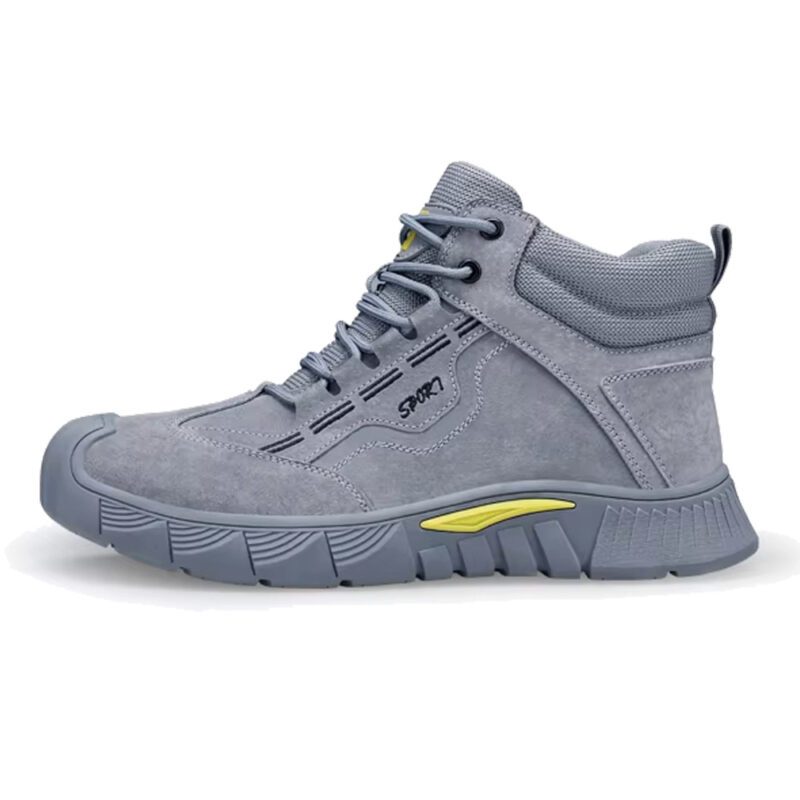
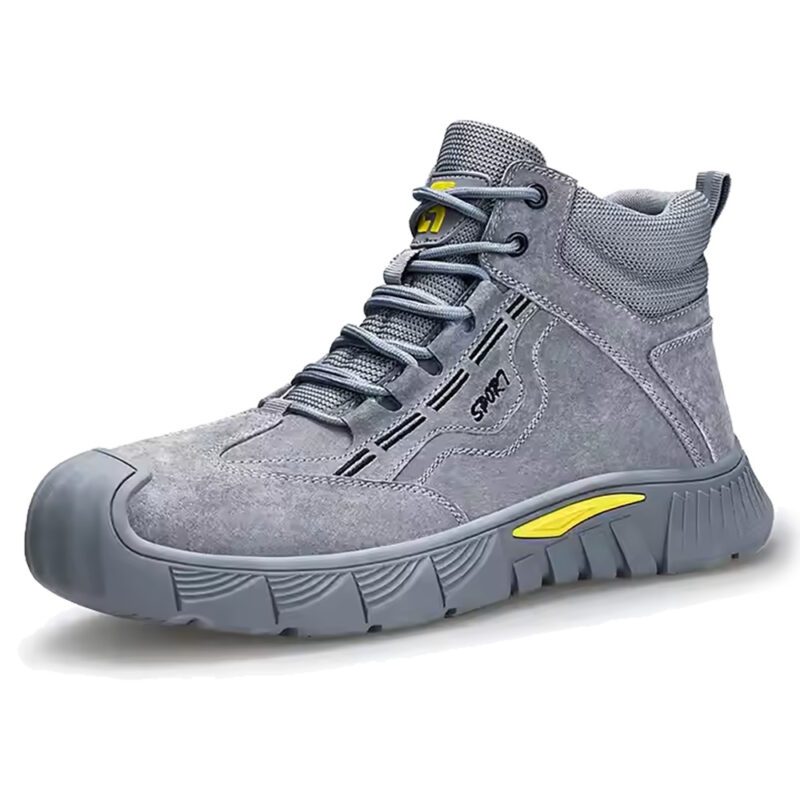
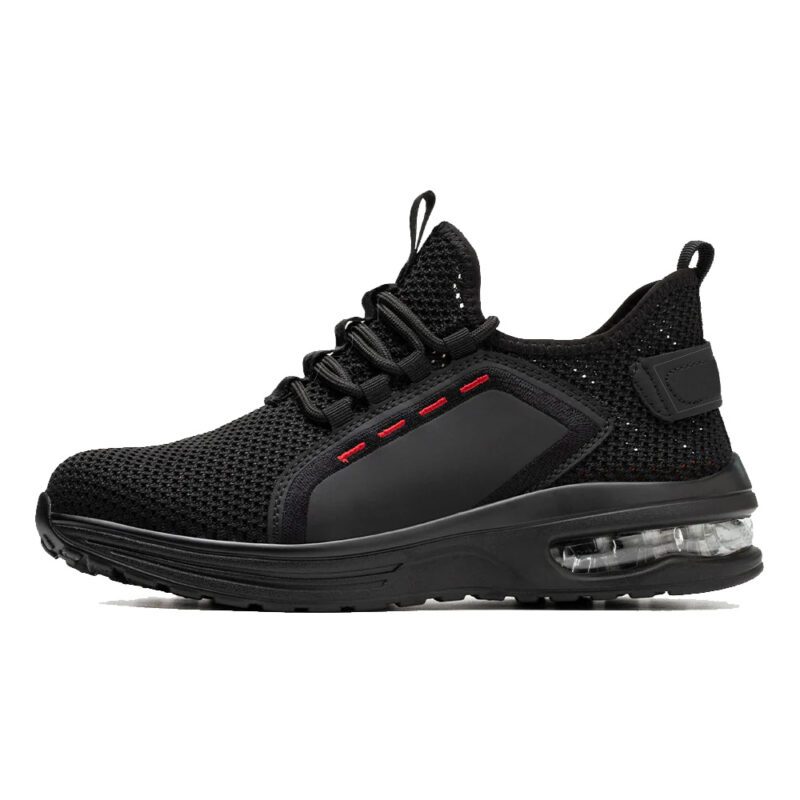
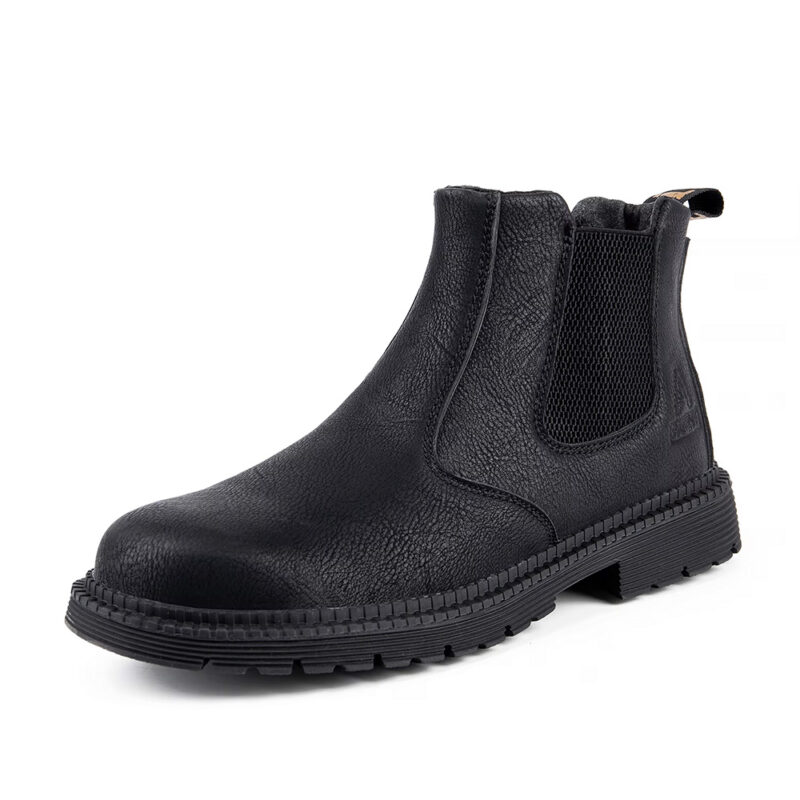
A soft toe work boot is a protective footwear option that does not contain a reinforced safety cap in the toe area. The boot uses standard leather, synthetic materials, or fabric in the toe box instead of steel, composite, or aluminum reinforcements. Workers choose this boot type when they need comfort and flexibility without mandatory toe protection requirements.
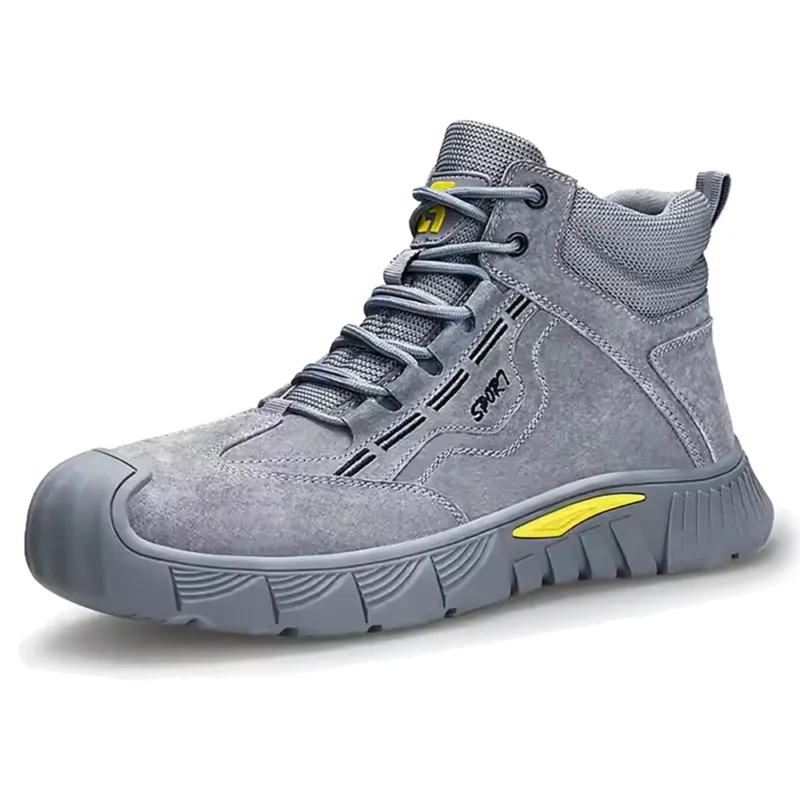
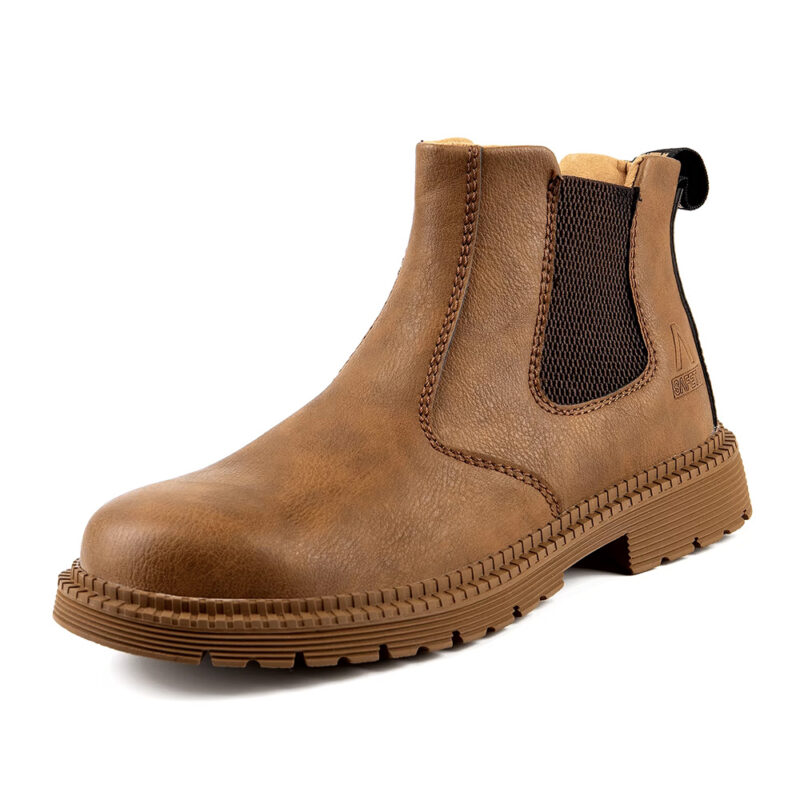
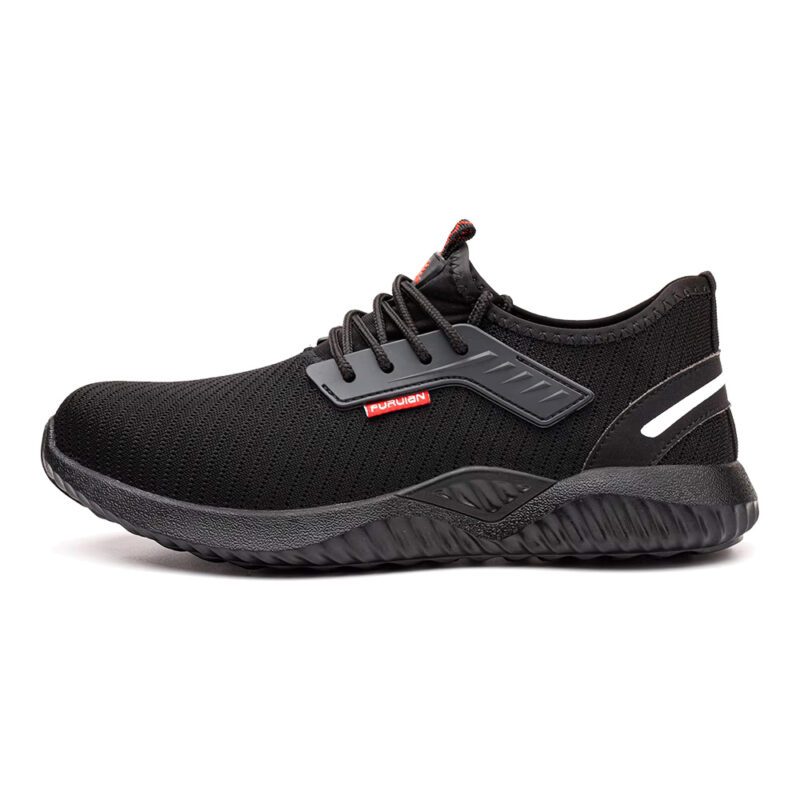
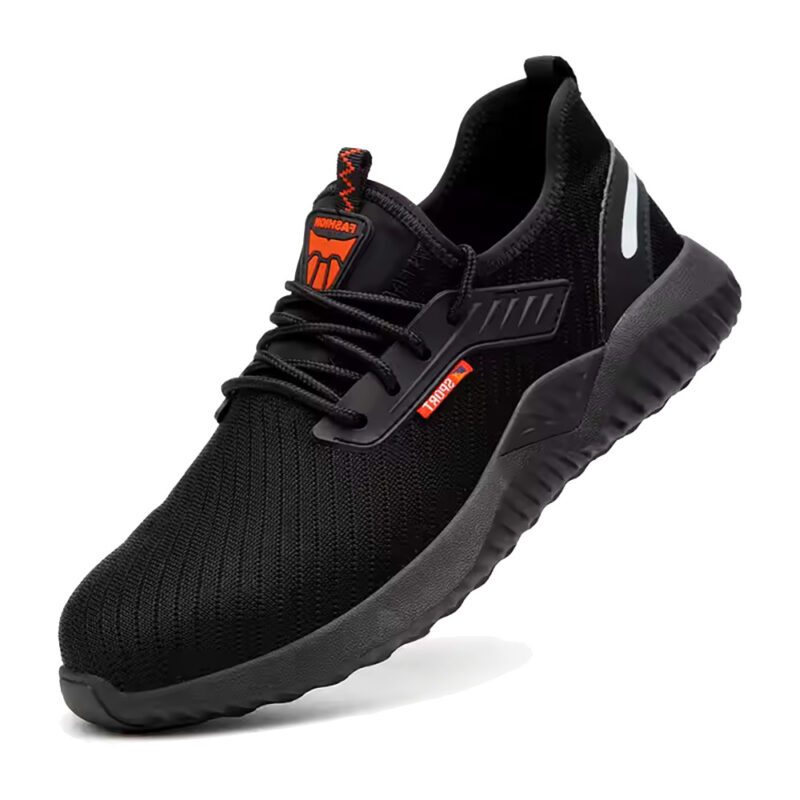
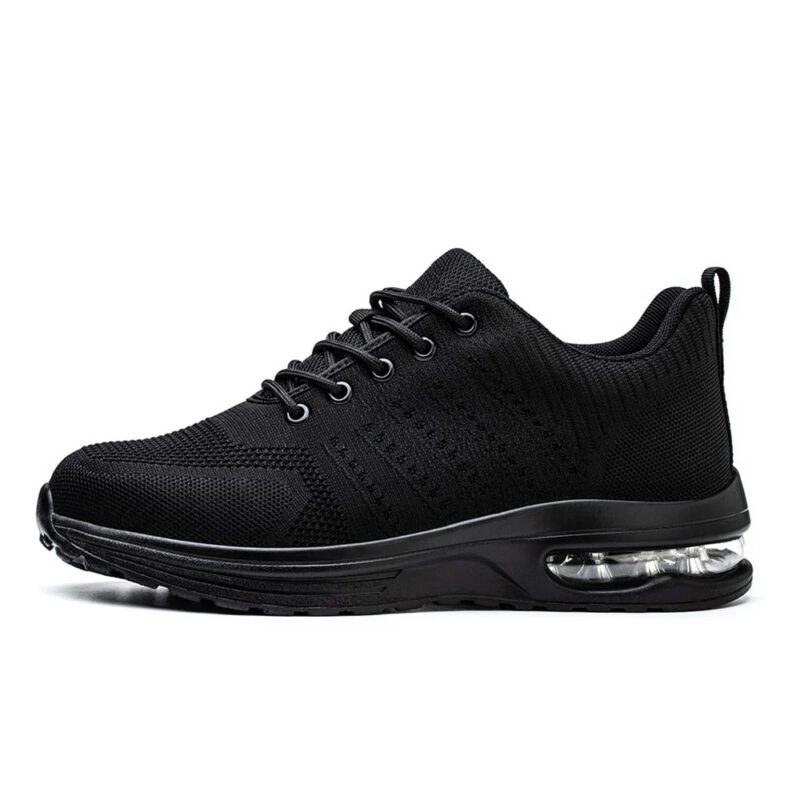
When your workday involves heavy machinery, falling objects, and unforgiving terrain, the Birks Defender Kevlar Steel Toe Safety Work Boots stand ready to protect you through it all. These boots deliver the exceptional durability, reliable protection, and all-day comfort you need to tackle any challenge and get the job done right, every single time.
The construction differs from safety toe boots in weight, flexibility, and protection level. Soft toe boots typically weigh 30-40% less than steel toe alternatives. The toe box allows natural foot movement and provides more room for toe spreading during long work shifts.
Manufacturing standards for soft toe boots focus on durability and comfort rather than impact resistance ratings. These boots do not meet ASTM F2413 standards for protective footwear because they lack the reinforced toe cap. However, they still offer protection against common workplace hazards like cuts, punctures, and chemical exposure through other boot components.
History and Evolution of Work Boot Design
Work boots originated in the early 1800s when industrial workers needed durable footwear for factory environments. The first designs used thick leather and hand-stitched construction methods. These early boots had no safety features beyond basic leather protection.
The steel toe boot emerged in the 1930s in Germany. Factory owners recognized the need for toe protection after machinery accidents increased. American manufacturers adopted steel toe designs in the 1940s during World War II production booms.
Soft toe boots remained the standard choice for workers outside heavy industrial settings. Construction workers, warehouse staff, and service professionals continued wearing non-reinforced boots through the 1950s and 1960s. The boots provided adequate protection for most job sites without the added weight of steel caps.
The 1970s brought significant changes to workplace safety regulations. OSHA established standards that required protective footwear in specific industries. This created a clear divide between safety toe and soft toe boot markets. Manufacturers began producing specialized soft toe boots for industries where toe protection was not mandatory.
Modern soft toe boots incorporate advanced materials and ergonomic designs. Companies now use waterproof membranes, slip-resistant outsoles, and cushioned midsoles. The boots balance protection with all-day comfort for workers who stand or walk for 8-12 hours daily.
Technical Specifications and Construction
Materials Used
Upper Construction: Manufacturers use full-grain leather, suede, synthetic leather, or textile combinations. Full-grain leather offers maximum durability and typically lasts 12-18 months with regular use. Suede provides a lighter alternative with good abrasion resistance. Synthetic options reduce weight and increase water resistance.
Outsole Composition: Rubber, polyurethane (PU), or thermoplastic polyurethane (TPU) make up the outsole. Rubber outsoles provide superior slip resistance on wet surfaces. PU midsoles add cushioning and shock absorption. TPU offers flexibility in cold temperatures.
Insole and Midsole: EVA foam, memory foam, or polyurethane create the comfort layers. Premium models include removable insoles for custom orthotic insertion. Midsole thickness ranges from 8mm to 15mm depending on the intended use.
Boot Height Options
- 6-inch height: Covers the ankle, standard for general work environments
- 8-inch height: Provides additional ankle support, common in construction settings
- 10-inch height: Offers maximum protection and stability for rough terrain
Weight Specifications
Soft toe boots weigh between 1.5 to 2.5 pounds per boot. Steel toe equivalents weigh 2.5 to 3.5 pounds per boot. The weight difference reduces leg fatigue during 10-hour work shifts. Studies show workers experience 15-20% less lower leg strain with lighter footwear.
Waterproofing Systems
Gore-Tex membranes: Allow breathability while blocking water penetration. These systems keep feet dry in wet conditions while releasing moisture vapor.
Sealed seams: Prevent water entry at stitching points. Manufacturers apply waterproof tape or sealant to all seam lines.
Treated leather: Chemical treatments repel water and resist staining. These treatments require reapplication every 3-4 months.
Key Benefits for Workers
Comfort Advantages
The absence of a protective cap allows more toe room. Workers can wear thicker socks in cold conditions without feeling cramped. The flexible toe box accommodates foot swelling that occurs during long shifts.
Soft toe boots break in faster than safety toe options. Most models reach optimal comfort within 5-7 days of regular wear. Steel toe boots often require 2-3 weeks for proper break-in.
The lighter weight reduces energy expenditure during walking. Workers who walk 10,000+ steps daily burn approximately 50-75 fewer calories with soft toe boots. This translates to reduced fatigue levels at shift end.
Temperature Regulation
Soft toe construction allows better air circulation in the toe box. Heat buildup decreases by 3-5 degrees Fahrenheit compared to steel toe boots. This benefit matters most in warm climates or heated indoor facilities.
Metal toe caps conduct cold in winter conditions. Workers in freezing temperatures avoid the cold transfer issue with soft toe designs. The insulation works more effectively without metal conducting cold to the foot.
Cost Efficiency
Soft toe boots cost $50-$150 less than safety toe equivalents. The price difference comes from simpler manufacturing processes and less expensive materials. Workers who purchase their own footwear save money while meeting job requirements.
Replacement schedules remain similar between soft toe and safety toe boots. Both types last 6-18 months depending on work conditions and maintenance. The lower initial cost provides better value for workers in non-hazardous environments.
Appropriate Work Environments
Industries and Jobs
Warehouse and logistics: Order pickers, packers, and shipping clerks benefit from the lightweight design during constant movement.
Retail and hospitality: Store managers, restaurant staff, and hotel workers need professional appearance with comfort.
Light manufacturing: Assembly line workers in electronics or food production where heavy machinery is absent.
Service and maintenance: Electricians, plumbers, and HVAC technicians in residential settings where toe crushing hazards are minimal.
Agriculture: Farm workers operating equipment and handling livestock without heavy object risks.
Safety Considerations
Soft toe boots do not protect against falling objects above 30 pounds. Workers must assess their environment for toe crushing risks before selecting this boot type. OSHA requires safety toes when workers face these specific hazards:
- Heavy materials over 50 pounds handled regularly
- Operating machinery that could drop or roll onto feet
- Working in areas where heavy objects are moved overhead
- Construction sites with active building or demolition
Comparison: Soft Toe vs Safety Toe Boots
| Feature | Soft Toe Boot | Steel Toe Boot | Composite Toe Boot |
|---|---|---|---|
| Weight (per boot) | 1.5-2.5 lbs | 2.5-3.5 lbs | 2.0-3.0 lbs |
| Impact Protection | None | 75 ft-lbs | 75 ft-lbs |
| Compression Rating | None | 2,500 lbs | 2,500 lbs |
| Metal Detector Safe | Yes | No | Yes |
| Cold Conductivity | Low | High | Low |
| Break-in Period | 5-7 days | 14-21 days | 10-14 days |
| Price Range | $80-$180 | $120-$250 | $140-$280 |
| Electrical Hazard | Optional | Standard | Standard |
| TSA Friendly | Yes | No | Yes |
When your workday involves heavy machinery, falling objects, and unforgiving terrain, the Birks Defender Kevlar Steel Toe Safety Work Boots stand ready to protect you through it all. These boots deliver the exceptional durability, reliable protection, and all-day comfort you need to tackle any challenge and get the job done right, every single time.
Features to Evaluate Before Purchase
Slip Resistance Requirements
Check the outsole pattern and material composition. Deep lugs measuring 5mm or more provide better traction. Oil-resistant rubber compounds prevent slipping on greasy surfaces. Look for ASTM F2913 slip resistance ratings on the product specifications.
Arch Support Needs
Workers with flat feet or high arches require specific support features. Try boots with contoured footbeds that match your arch profile. Removable insoles allow custom orthotic insertion. Inadequate arch support causes plantar fasciitis and heel pain after 3-6 months.
Electrical Hazard Protection
EH-rated boots provide secondary electrical shock protection up to 600 volts in dry conditions. This feature matters for electricians and workers near live circuits. The sole and heel must resist electrical conductivity per ASTM F2413-18 standards.
Puncture Resistance
Flexible plates between the insole and outsole protect against sharp objects. These plates use Kevlar, steel, or composite materials. Puncture-resistant boots prevent nails, screws, and metal shards from penetrating the sole. ASTM F2413 rates puncture resistance at different force levels.
Ankle Support Level
High-cut boots (8-10 inches) stabilize the ankle on uneven surfaces. Workers on construction sites or outdoor terrain need this support. Low-cut designs (6 inches) offer more flexibility for indoor environments with flat surfaces.
Maintenance and Care Guidelines
Daily Cleaning Routine
Remove dirt and debris after each shift. Use a soft brush or damp cloth for surface cleaning. Allow boots to air dry at room temperature for 12-24 hours between wears. Never place boots near direct heat sources or radiators.
Weekly Deep Cleaning
Mix mild soap with warm water. Scrub the upper material with a soft brush in circular motions. Rinse with clean water and remove excess moisture with a towel. Insert newspaper or boot trees to maintain shape during drying.
Conditioning Schedule
Apply leather conditioner every 3-4 weeks for leather boots. Use products specifically formulated for work boot leather. Conditioning prevents cracking and extends boot life by 4-6 months. Synthetic materials require different treatments – check manufacturer recommendations.
Waterproofing Maintenance
Reapply waterproofing spray or wax every 2-3 months. Clean boots thoroughly before treatment application. Multiple thin coats work better than one thick application. Allow 24 hours for complete drying before wearing.
Insole Replacement
Replace insoles every 3-4 months with regular use. Worn insoles lose cushioning and support properties. This causes foot pain and affects posture. Aftermarket insoles often provide better support than factory options.
Selection Process for Your Work Environment
Step 1: Verify Safety Requirements
Contact your safety manager or HR department. Ask for written documentation of footwear requirements. Some employers mandate safety toes regardless of actual hazards. Confirm whether soft toe boots meet company policies before purchase.
Step 2: Assess Daily Activities
Calculate your average steps per shift using a pedometer for one week. Workers who exceed 15,000 steps daily need maximum cushioning. Consider the surface types you walk on – concrete requires more shock absorption than carpet or wood.
Step 3: Measure Both Feet
Feet change size throughout the day and career. Measure at the end of your work shift when feet are most swollen. Use a Brannock device for accurate length and width measurements. Order based on your larger foot size.
Step 4: Try Multiple Brands
Different manufacturers use different lasts (foot forms). One brand might fit your foot shape better than others. Walk around the store for 10-15 minutes in each pair. Your toes should have 1/4 to 1/2 inch of space at the front.
Step 5: Test With Work Socks
Bring the sock type you wear during work shifts. Athletic socks differ significantly from work boot socks in thickness. The proper fit depends on your actual sock choice.
Step 6: Break In Gradually
Wear new boots for 2-3 hours on the first day. Increase wearing time by 1-2 hours daily. This gradual break-in prevents blisters and hot spots. Apply moleskin to any pressure points that develop.
Cost Analysis and Value
Entry-level soft toe boots start at $60-$80. These basic models provide adequate protection for light-duty work. Mid-range options ($100-$150) include better materials and comfort features. Premium boots ($150-$200) offer advanced technologies and longer durability.
Calculate cost per wear to determine real value. A $120 boot lasting 12 months with daily use costs approximately $0.33 per wear. A $180 boot lasting 18 months costs $0.28 per wear. Quality construction often provides better long-term value.
Factor in maintenance costs when budgeting. Leather conditioner, waterproofing products, and replacement insoles add $30-$50 annually. These expenses apply regardless of boot price point.
Making Your Final Decision
Soft toe work boots serve workers who need durable, comfortable footwear without mandatory safety toe protection. The boots provide adequate protection for most non-industrial work environments while offering superior comfort and lower weight.
Evaluate your specific work hazards before choosing soft toe over safety toe options. Consider your daily activities, standing time, and surface conditions. Test multiple brands and models to find the best fit for your foot shape.
Proper maintenance extends boot life and maintains protection features. Follow cleaning and conditioning schedules to maximize your investment. Replace worn boots before they compromise your foot health or workplace safety.
The right soft toe work boot balances protection, comfort, and durability for your specific job requirements.
When your workday involves heavy machinery, falling objects, and unforgiving terrain, the Birks Defender Kevlar Steel Toe Safety Work Boots stand ready to protect you through it all. These boots deliver the exceptional durability, reliable protection, and all-day comfort you need to tackle any challenge and get the job done right, every single time.