What Is the Best Brand of Work Boots?

Understanding Work Boot Quality Standards
Work boots protect your feet in dangerous environments. The best brands meet strict safety standards and deliver long-term durability. ASTM F2413 certification marks boots that pass compression and impact tests. This standard requires boots to withstand 75 pounds of impact and 2,500 pounds of compression.
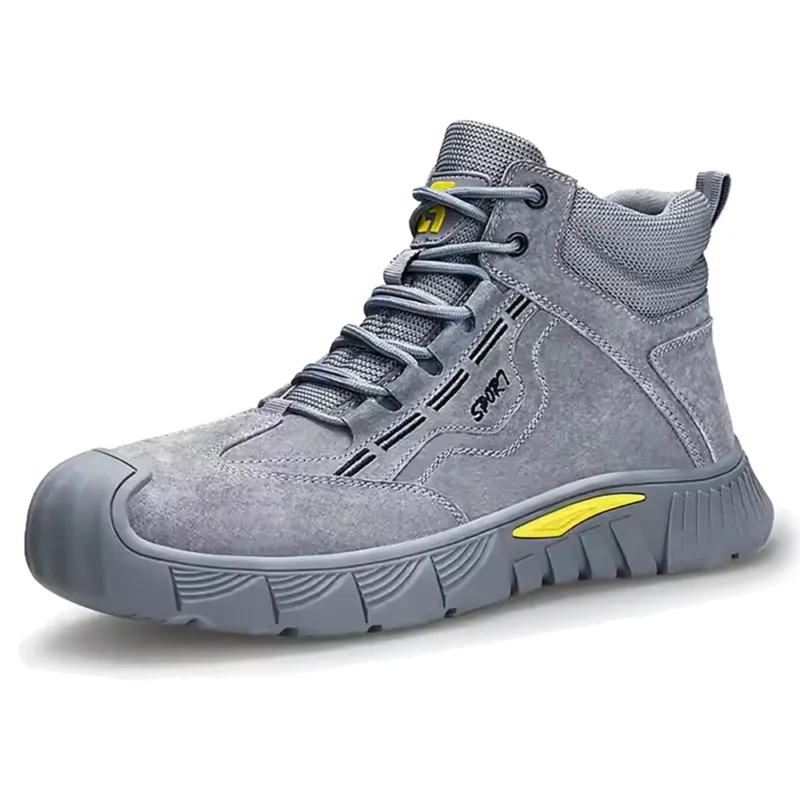
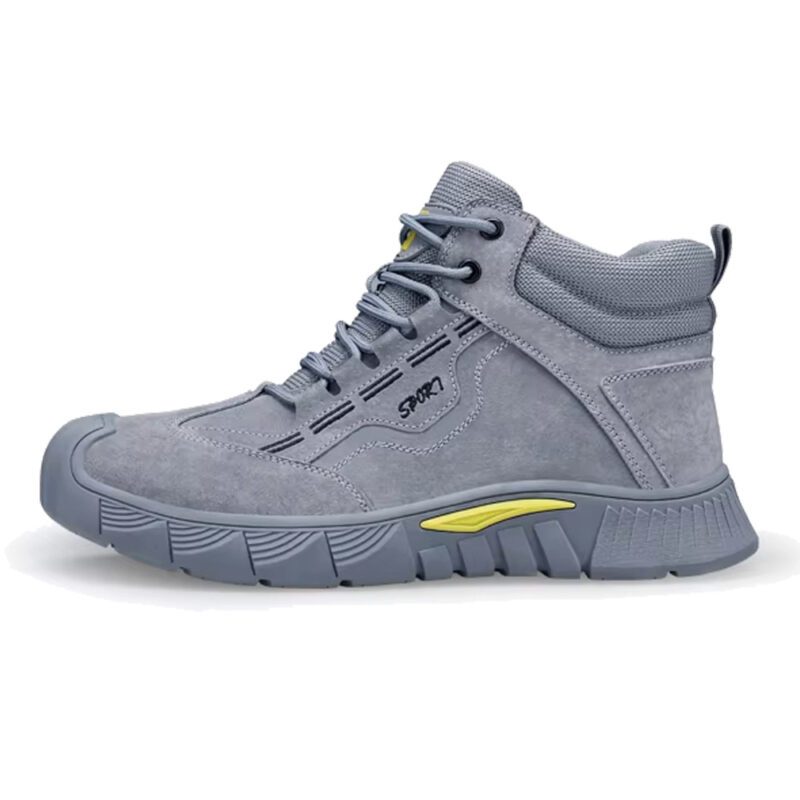
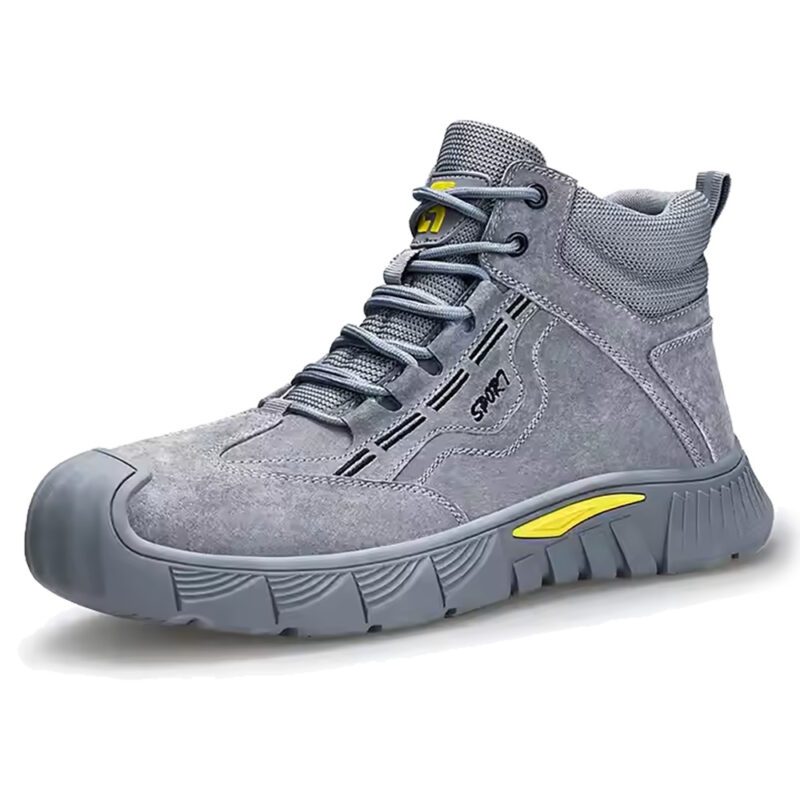
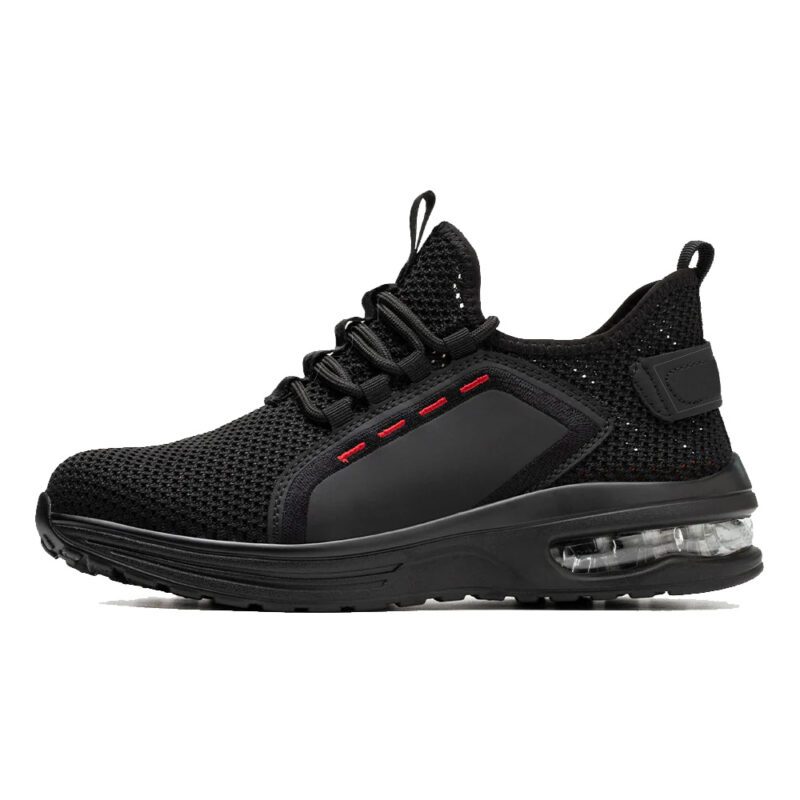
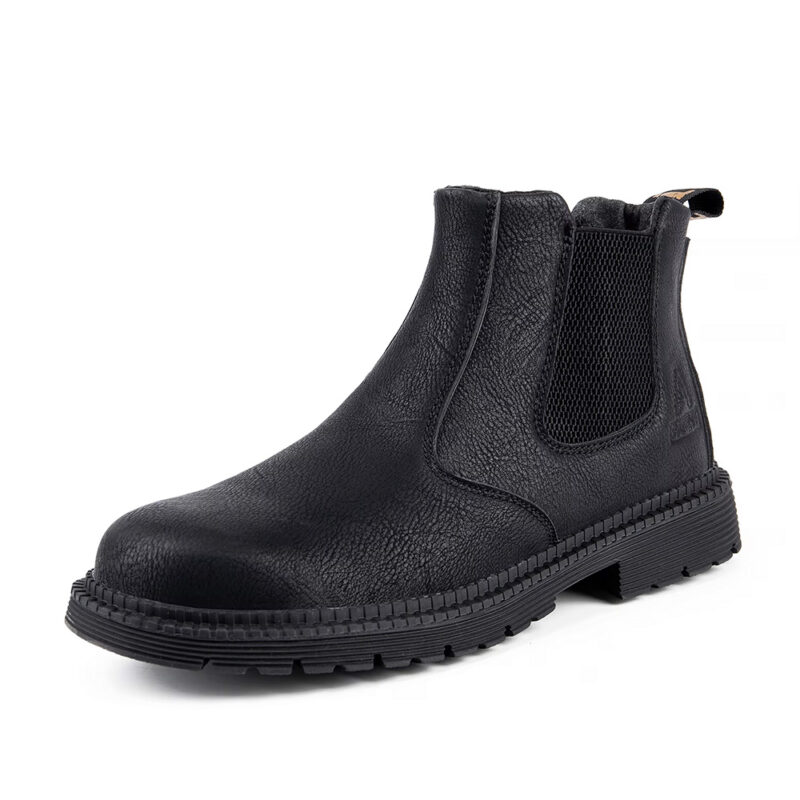
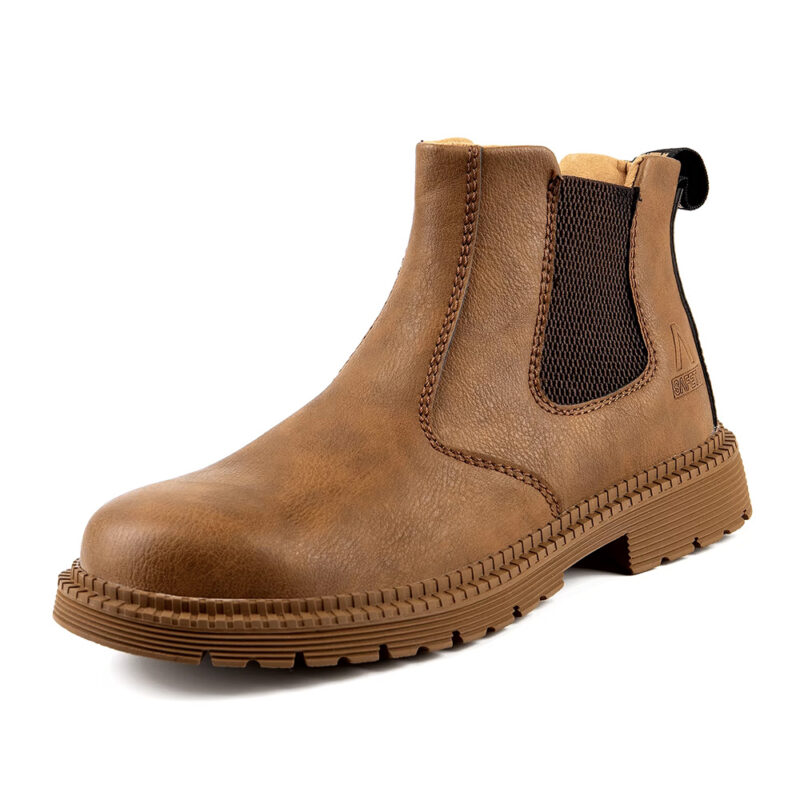
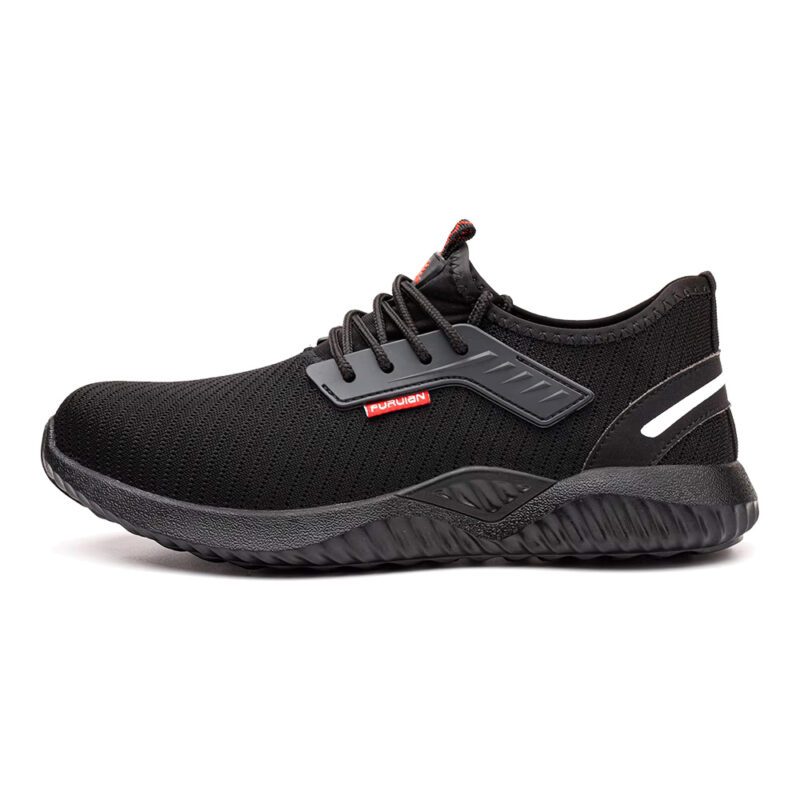
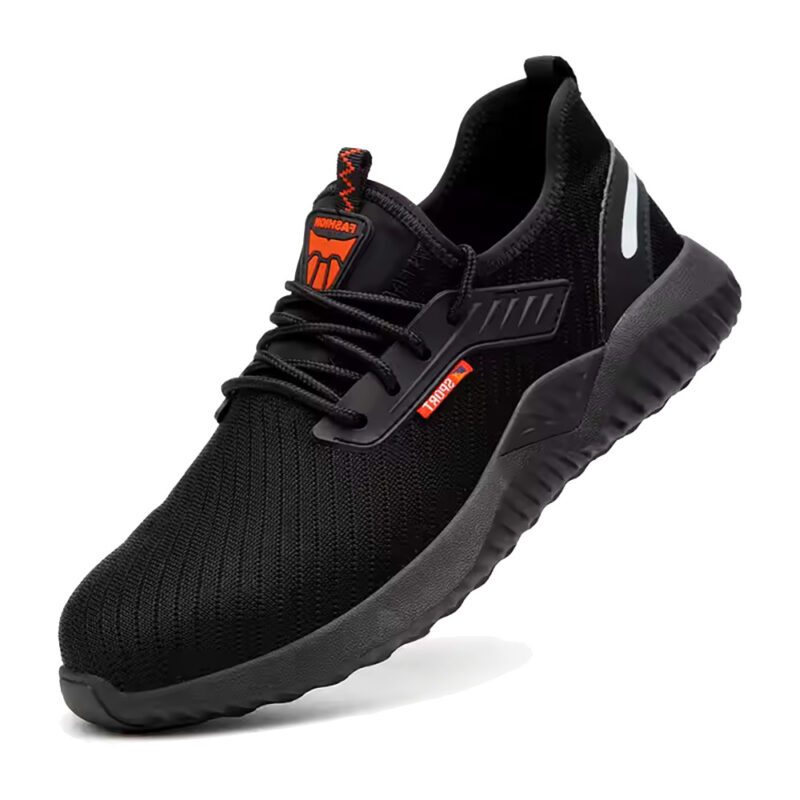
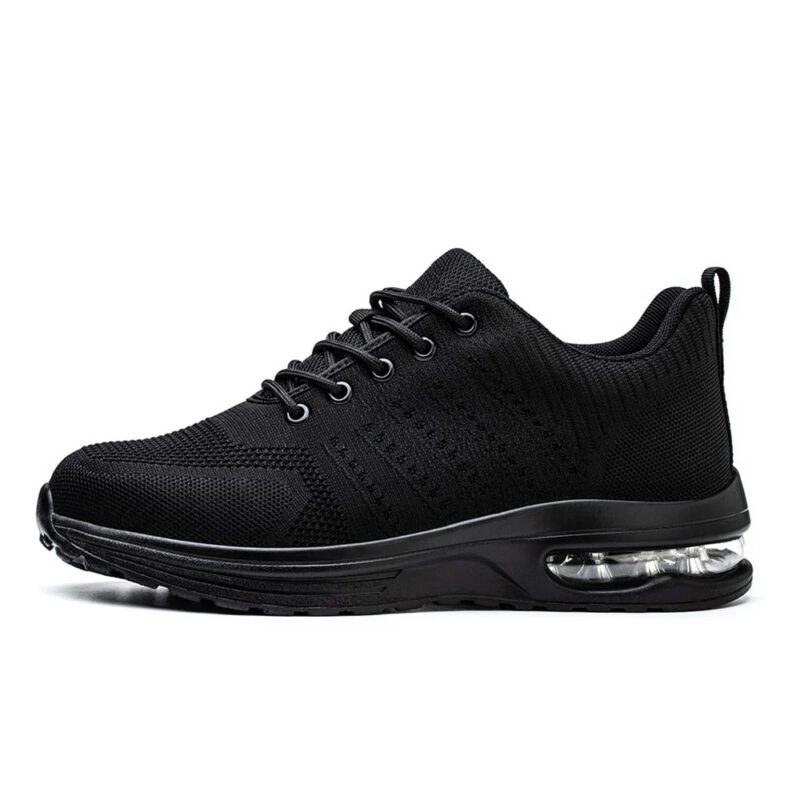
When your workday involves heavy machinery, falling objects, and unforgiving terrain, the Birks Defender Kevlar Steel Toe Safety Work Boots stand ready to protect you through it all. These boots deliver the exceptional durability, reliable protection, and all-day comfort you need to tackle any challenge and get the job done right, every single time.
Quality work boots feature steel toe caps, composite toe protection, or alloy toe reinforcement. Each material offers different benefits. Steel provides maximum protection but adds weight. Composite materials resist electrical hazards and extreme temperatures. Alloy toes combine strength with lighter weight.
The outsole construction determines slip resistance and longevity. Rubber outsoles grip wet surfaces better than leather. Polyurethane (PU) midsoles absorb shock and reduce fatigue. Premium brands use dual-density PU that balances cushioning with stability.
Top Work Boot Brands in 2025
Red Wing Shoes
Red Wing has manufactured work boots since 1905. The company started in Red Wing, Minnesota, and built its reputation on American craftsmanship. Their Heritage line uses full-grain leather that molds to your foot over time.
Red Wing boots feature Goodyear welt construction. This method stitches the upper leather to the midsole and outsole. You can resole these boots multiple times, extending their life to 10+ years. The brand offers free resoling at authorized repair shops.
Key models include:
- Iron Ranger 8111: Oil-tanned leather with cork midsole
- Classic Moc 877: Slip-resistant Traction Tred outsole
- SuperSole 2.0: Electrical hazard protection with cushioned footbed
Red Wing boots cost $200-$400. The initial price seems high, but the long-term value exceeds cheaper alternatives that need replacement every year.
Timberland PRO
Timberland PRO specializes in professional-grade work boots. The brand launched its PRO division in 1973 to serve construction and industrial workers. Their Anti-Fatigue Technology uses geometric cone support in the midsole.
This technology returns energy to your feet with each step. Independent testing shows 30% more energy return compared to standard EVA foam. Workers report less leg fatigue after 8-hour shifts.
Timberland PRO uses Titan alloy safety toes. These toes weigh 35% less than steel while meeting ASTM standards. The lighter weight reduces strain on your knees and lower back during long workdays.
Popular models:
- Boondock 6″: Waterproof leather with antimicrobial lining
- Pit Boss: Steel toe with heat-resistant outsole (up to 572°F)
- Hyperion: Alloy toe with carbon fiber safety plate
Price range: $150-$280 per pair.
Wolverine
Wolverine began making boots in 1883 in Rockford, Michigan. The brand pioneered chromexcel leather treatment in the early 1900s. This process creates water-resistant leather that maintains flexibility in cold weather.
Wolverine’s MultiShox technology features compression pads in the heel and forefoot. These pads absorb impact and distribute pressure evenly. The system reduces stress on joints and prevents common foot injuries.
The brand’s DuraShocks SR outsoles combine slip resistance with durability. Lab tests show these outsoles exceed ASTM F2913 slip resistance standards by 40%. The rubber compound resists oil, chemicals, and abrasion.
Top choices:
- Raider 6″: Full-grain leather with mesh lining
- Overpass: Composite toe with cement construction
- Rancher: Wellington pull-on style for easy wear
Wolverine boots cost $120-$250. The mid-range pricing attracts workers who need quality without premium prices.
Danner
Danner produces boots in Portland, Oregon, since 1932. The company maintains U.S. manufacturing for several product lines. Their stitchdown construction creates a wider platform for better stability on uneven ground.
Danner uses Vibram outsoles across most models. Vibram rubber provides superior traction on wet and oily surfaces. The deep lug patterns clear debris and maintain grip in mud or snow.
The brand’s GORE-TEX liners create waterproof barriers that breathe. Your feet stay dry from external moisture while sweat vapor escapes. This balance prevents the clammy feeling common in cheaper waterproof boots.
Notable models:
- Quarry USA: Made in America with recraftable construction
- Vicious: Slip-resistant outsole with oil and chemical resistance
- Bull Run: Plain toe design with triple-stitched seams
Price range: $180-$400, with USA-made models at the higher end.
Keen Utility
Keen Utility entered the work boot market in 2005. The brand focuses on innovative safety features and ergonomic design. Their Luftcell air-infused midsoles weigh 50% less than traditional PU foam.
Keen’s asymmetrical safety toe design follows your foot’s natural shape. This reduces pressure points that cause discomfort in traditional round-toe boots. The extra room prevents toenail damage during long wear periods.
The company uses KEEN.DRY waterproof membranes instead of GORE-TEX. These membranes cost less while delivering comparable waterproof performance. Third-party testing confirms breathability ratings within 5% of GORE-TEX standards.
Key models:
- Pittsburgh: Steel toe with low-profile design
- Detroit XT: Waterproof with metatarsal guard
- CSA Oshawa: Electric shock resistant outsole
Keen boots range from $140-$220. The competitive pricing makes them accessible to budget-conscious buyers.
Work Boot Brand Comparison Table
| Brand | Founded | Price Range | Key Technology | Best For | Made in USA Options |
|---|---|---|---|---|---|
| Red Wing | 1905 | $200-$400 | Goodyear Welt | Long-term durability | Yes |
| Timberland PRO | 1973 | $150-$280 | Anti-Fatigue Tech | All-day comfort | Limited |
| Wolverine | 1883 | $120-$250 | MultiShox | Impact absorption | Some models |
| Danner | 1932 | $180-$400 | Vibram + GORE-TEX | Wet conditions | Yes |
| Keen Utility | 2005 | $140-$220 | Asymmetric Toe | Foot health | No |
When your workday involves heavy machinery, falling objects, and unforgiving terrain, the Birks Defender Kevlar Steel Toe Safety Work Boots stand ready to protect you through it all. These boots deliver the exceptional durability, reliable protection, and all-day comfort you need to tackle any challenge and get the job done right, every single time.
Safety Features to Prioritize
Toe Protection Types
Steel toes protect against heavy falling objects. They handle impacts up to 75 foot-pounds under ASTM standards. Steel conducts temperature, making these boots cold in winter and hot in summer.
Composite toes use materials like carbon fiber or Kevlar. These materials don’t conduct electricity or temperature. Composite toes weigh 30-50% less than steel. They work better in extreme weather conditions.
Alloy toes blend aluminum with other metals. They provide steel-level protection at reduced weight. Alloy toes fit better in slimmer boot profiles without sacrificing safety ratings.
Electrical Hazard Protection
EH-rated boots protect against open circuits up to 600 volts. The sole and heel must provide electrical resistance of 18 megohms or more. Construction workers and electricians need this feature for job site safety.
Look for ASTM F2413-18 EH certification on the boot label. This marking confirms independent laboratory testing. Some employers require EH-rated footwear as a condition of employment.
Puncture Resistance
Steel shanks prevent sharp objects from penetrating the sole. These metal plates run from heel to toe inside the boot. They add stiffness that supports your arch during long periods of standing.
Flexible composite plates offer puncture protection without steel’s rigidity. These plates use woven materials that stop nails and sharp debris. They allow more natural foot flexion while walking.
ASTM F2413 PR75 rating means the boot resists puncture forces up to 75 pounds. Construction sites with exposed nails require this protection level.
Selecting Boots for Your Industry
Construction and General Labor
Construction workers need slip-resistant outsoles and waterproof uppers. Job sites expose boots to concrete dust, metal shavings, and weather. Choose boots with oil-resistant rubber outsoles rated for ASTM F2913.
8-inch boots provide ankle support on uneven ground. The extra height prevents debris from entering the boot. Lace-up designs allow custom tightness adjustment throughout the day.
Recommended brands: Red Wing, Wolverine, Danner
Warehouse and Logistics
Warehouse workers walk 10-15 miles per shift on concrete floors. Cushioned midsoles reduce leg fatigue and joint stress. Look for EVA foam or dual-density PU construction.
Composite toes work better in temperature-controlled warehouses. Metal toes conduct cold from refrigerated sections. The lighter weight also reduces energy expenditure during long shifts.
Slip-on boots save time during security checks. Many warehouses require workers to remove boots at entry points. Pull-on styles eliminate lacing delays.
Recommended brands: Timberland PRO, Keen Utility
Electrical and Utility Work
Electricians require EH-rated boots with non-conductive toe caps. Metal conducts electricity and creates hazards near live wires. Composite or alloy toes eliminate this risk.
Metatarsal guards protect the top of your foot from dropped tools. These guards extend from the toe to the ankle, covering vulnerable bones. Some models feature external guards that flip up for non-hazardous tasks.
Puncture-resistant plates prevent injuries from exposed wire ends. Choose boots with flexible composite plates that maintain foot mobility. Stiff steel shanks make ladder climbing more difficult.
Recommended brands: Danner, Timberland PRO, Red Wing
Outdoor and Landscaping
Landscaping workers face wet grass, mud, and chemical exposure. Waterproof membranes keep feet dry in damp conditions. GORE-TEX and KEEN.DRY technologies prevent water entry while releasing moisture vapor.
Aggressive tread patterns provide traction on slopes and loose soil. Look for lugs deeper than 5mm with wide spacing. The gaps allow mud to clear instead of building up on the sole.
Snake guards protect against bites in rural areas. These guards use puncture-resistant materials that extend above the ankle. Some boots include special snake-proof gaiters.
Recommended brands: Danner, Wolverine, Red Wing
Boot Maintenance for Maximum Lifespan
Leather Care
Clean leather boots weekly with a damp cloth. Remove dirt and salt deposits before they damage the leather. Dried mud creates abrasive particles that wear away protective coatings.
Apply leather conditioner monthly. Conditioners replace natural oils that dry out over time. Use products recommended by the boot manufacturer for best results. Avoid petroleum-based products that clog leather pores.
Waterproofing treatments need reapplication every 3-6 months. Silicone sprays create water-repellent surfaces without affecting breathability. Wax-based treatments offer stronger protection but reduce vapor transmission.
Sole and Heel Inspection
Check outsoles weekly for wear patterns. Uneven wear indicates gait problems or improper boot fit. Replace boots when tread depth falls below 3mm. Worn treads reduce slip resistance and increase injury risk.
Heel counters should maintain firm structure. Press the heel counter with your thumb. If it collapses easily, the boot has lost support integrity. Worn heel counters cause ankle instability and fatigue.
Replace boots immediately if you see:
- Sole separation from the upper
- Cracks in the midsole or outsole
- Exposed steel or composite toe caps
- Torn or punctured waterproof membranes
Storage Best Practices
Store boots in cool, dry locations away from direct sunlight. UV radiation breaks down rubber compounds and fades leather. Heat accelerates deterioration of adhesives and synthetic materials.
Use boot trees or stuff boots with newspaper. This maintains proper shape and prevents creasing. Creases weaken leather and create pressure points during wear.
Remove insoles after each shift. Allow them to air dry separately from the boot. This prevents bacterial growth and extends insole life. Replace insoles every 3-6 months regardless of visible wear.
Making Your Final Decision
Choose work boots based on your specific job requirements. ASTM safety ratings matter more than brand names. Verify certifications before purchase.
Test boots on hard surfaces in the store. Walk for at least 10 minutes. Your toes should not touch the front of the boot. Leave a thumb’s width between your longest toe and the boot end.
Consider total cost of ownership. A $300 boot that lasts 5 years costs less than three $120 boots replaced annually. Factor in resoling costs for Goodyear welt construction.
Buy from authorized dealers at birksboots.com for warranty coverage. Unauthorized sellers may stock counterfeit or defective products. Legitimate retailers honor manufacturer warranties and offer proper sizing assistance.
Your feet deserve quality protection. The best work boot brand matches your industry needs with proven safety features and construction quality.
When your workday involves heavy machinery, falling objects, and unforgiving terrain, the Birks Defender Kevlar Steel Toe Safety Work Boots stand ready to protect you through it all. These boots deliver the exceptional durability, reliable protection, and all-day comfort you need to tackle any challenge and get the job done right, every single time.