Are Thigh High Boots Appropriate for Work?

Understanding Workplace Boot Standards
Thigh high boots extend above the knee and reach the mid-thigh or higher. These boots originated in the 15th century as riding footwear for European cavalry. Modern versions serve both fashion and functional purposes.
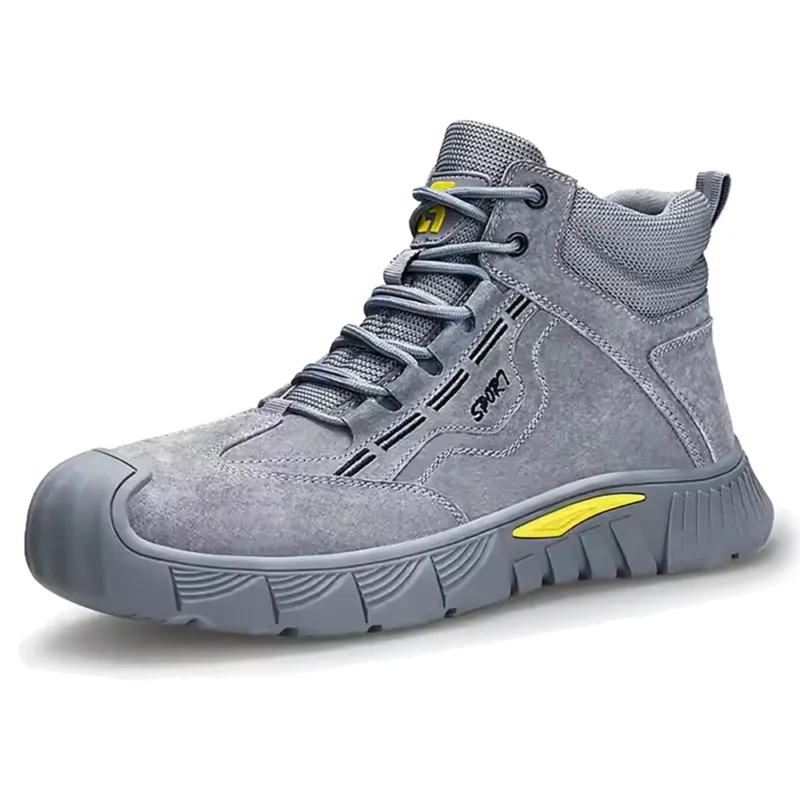
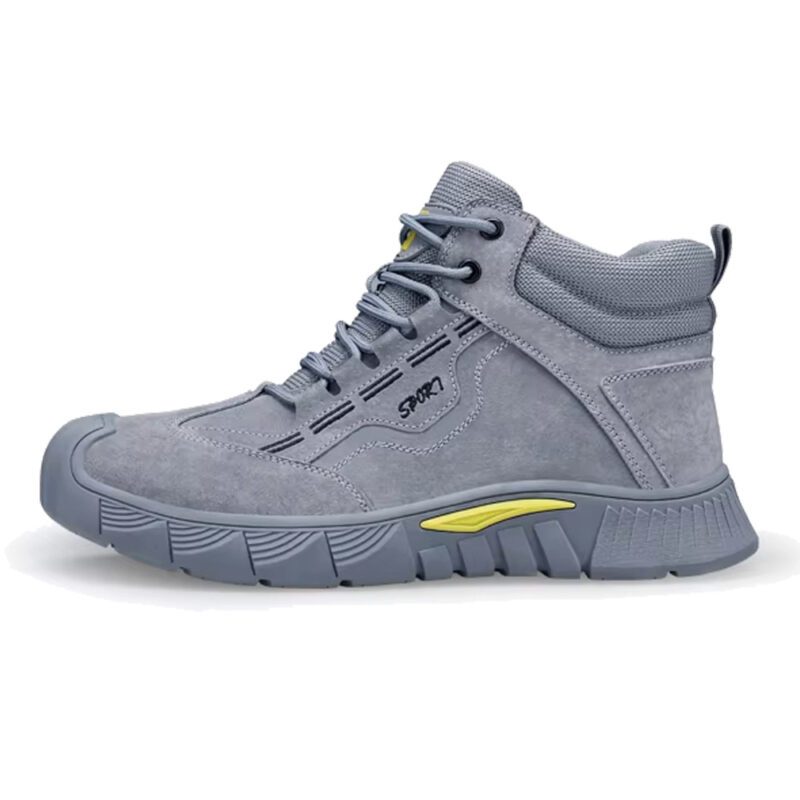
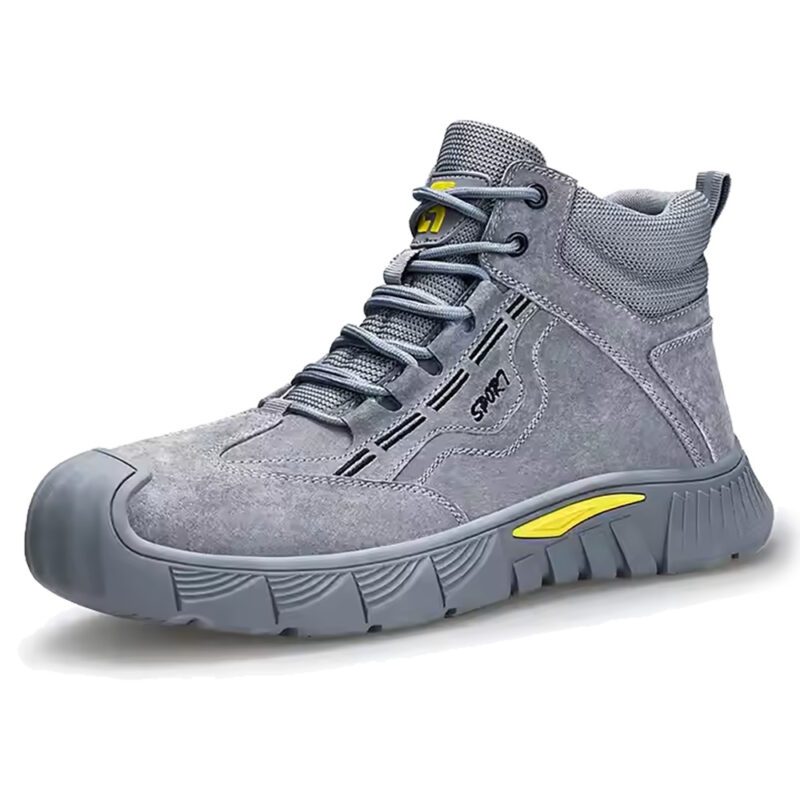
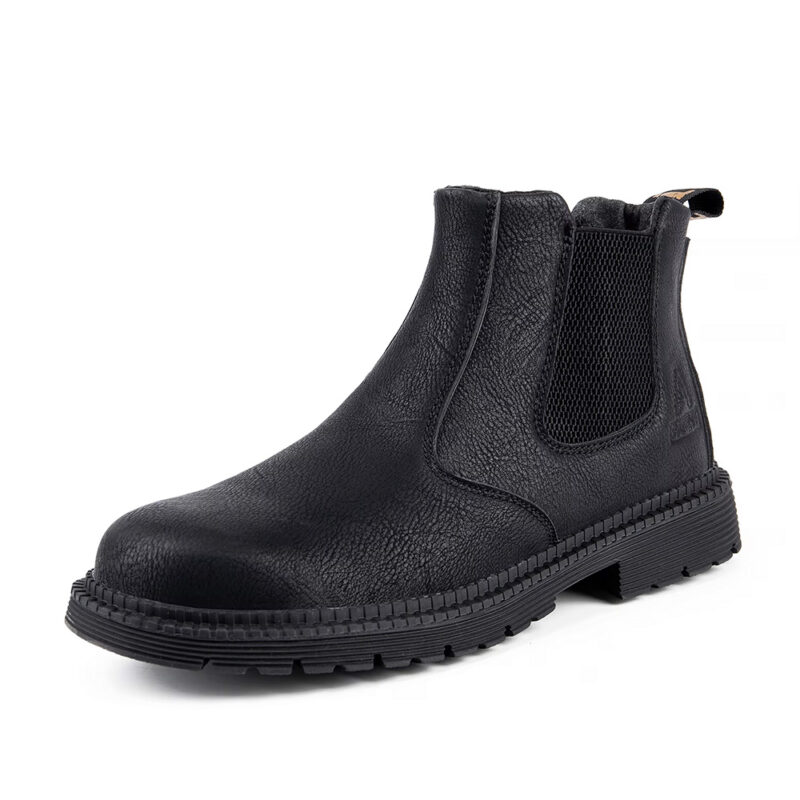
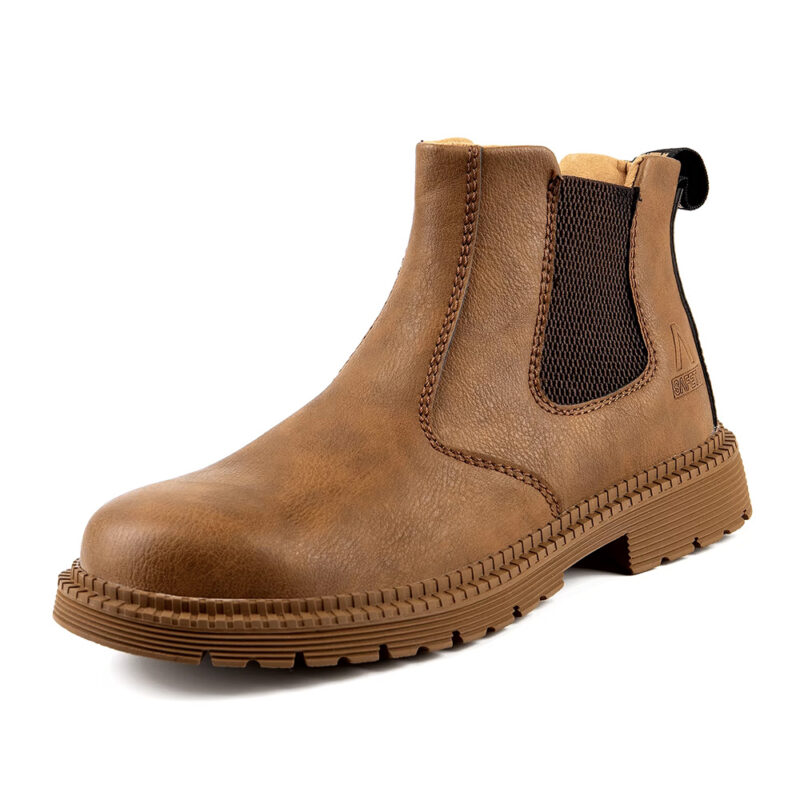
When your workday involves heavy machinery, falling objects, and unforgiving terrain, the Birks Defender Kevlar Steel Toe Safety Work Boots stand ready to protect you through it all. These boots deliver the exceptional durability, reliable protection, and all-day comfort you need to tackle any challenge and get the job done right, every single time.
Workplace appropriateness depends on three factors: industry dress codes, boot design elements, and company culture. The decision requires analysis of your specific work environment.
Industry-Specific Guidelines
Corporate and Professional Offices
Traditional corporate settings demand conservative footwear. Thigh high boots rarely meet these standards. Business formal environments expect closed-toe pumps or ankle boots in neutral colors.
Acceptable corporate alternatives:
- Knee-high boots in leather
- Ankle boots with low heels
- Classic riding boots
Business casual offices offer more flexibility. You can wear thigh high boots if they meet specific criteria:
- Flat or low heel (under 2 inches)
- Matte leather or suede material
- No embellishments or hardware
- Worn under pants or long skirts
Creative Industries
Fashion, advertising, design, and media companies embrace bold style choices. Thigh high boots work well in these environments. Creative professionals use boots as statement pieces.
Creative workplace considerations:
| Factor | Guideline |
|---|---|
| Material | Leather, suede, or quality synthetic |
| Heel Height | 1-4 inches acceptable |
| Color | Black, brown, burgundy, or navy |
| Style Details | Minimal hardware preferred |
| Pairing | Match with structured clothing |
Retail and Hospitality
Customer-facing roles require polished appearances. High-end retail boutiques may allow fashion-forward boots. Budget retailers typically enforce stricter footwear policies.
Restaurants and hotels prioritize safety and comfort. Thigh high boots with tall heels create slip hazards. Choose practical footwear for long standing shifts.
Healthcare and Education
These fields maintain conservative dress codes. Thigh high boots distract from professional credibility. Stick with practical ankle boots or closed-toe shoes.
Design Elements That Matter
Heel Height and Stability
Heel specifications affect workplace suitability:
- Flat to 1 inch: Professional for all business settings
- 1-2 inches: Appropriate for business casual
- 2-3 inches: Limited to creative industries
- 3+ inches: Not suitable for professional work
Block heels provide better stability than stilettos. Wide heel bases prevent ankle rolling and reduce fatigue.
Material Selection
Professional materials:
- Full-grain leather (most formal option)
- Suede leather (business casual)
- Matte synthetic leather (budget-friendly)
Materials to avoid at work:
- Patent leather (too flashy)
- Metallic finishes (overly decorative)
- Vinyl or PVC (appears cheap)
Leather quality impacts longevity. Top-grain leather resists creasing and maintains shape through daily wear.
Color Psychology
Black boots offer maximum versatility. They pair with navy, gray, black, and brown work clothing. Brown boots complement earth-tone wardrobes.
Professional color hierarchy:
- Black (universal professional choice)
- Dark brown or cognac
- Burgundy or oxblood
- Navy (limited pairing options)
- Gray (modern neutral)
Avoid bright colors, patterns, or two-tone designs in conservative workplaces.
Hardware and Embellishments
Simple designs read more professional. Excessive buckles, studs, or chains appear costume-like.
Acceptable details:
- Single side zipper
- Minimal stitching details
- Small logo embossing
- Flat metal eyelets
Details that reduce professionalism:
- Multiple buckle straps
- Large logos or branding
- Decorative chains
- Studded patterns
- Contrast stitching
Styling Thigh High Boots for Work
Pairing with Professional Clothing
The key principle: create balanced proportions. Thigh high boots add visual weight to your lower body. Balance this with structured upper body pieces.
Successful combinations:
- Tailored blazer + pencil skirt + flat thigh highs
- Long cardigan + straight pants + boots underneath
- Shirt dress + opaque tights + low-heel boots
- Tunic top + leggings + boots (creative offices only)
Coverage Strategies
Minimize skin exposure between boot top and clothing hem. This maintains professional boundaries.
Coverage options:
- Wear boots fully under pants (creates clean lines)
- Choose skirts that overlap boot tops by 2-3 inches
- Add opaque tights in matching colors
- Select dresses with midi or maxi lengths
Proportion Balance
Thigh high boots visually shorten legs. Compensate with these techniques:
- Match boot color to bottom garments
- Choose pointed-toe styles
- Add a small heel for leg elongation
- Avoid wide boot shafts
- Select boots with vertical design lines
When your workday involves heavy machinery, falling objects, and unforgiving terrain, the Birks Defender Kevlar Steel Toe Safety Work Boots stand ready to protect you through it all. These boots deliver the exceptional durability, reliable protection, and all-day comfort you need to tackle any challenge and get the job done right, every single time.
Assessing Your Company Culture
Reading Dress Code Documentation
Review your employee handbook. Look for specific footwear guidelines. Some companies explicitly prohibit boots above the knee.
Key policy phrases to note:
- “Business professional attire required”
- “Conservative footwear expected”
- “Closed-toe shoes mandatory”
- “No fashion boots”
Observing Leadership Choices
Study what senior employees wear. Their choices indicate acceptable boundaries. If no managers wear thigh high boots, you should reconsider.
Testing with Conservative Versions
Start with the most professional thigh high boot style possible:
- Flat sole
- Black leather
- Minimal details
- Worn under pants
Gauge reactions from colleagues and supervisors. Adjust based on feedback.
Practical Considerations
Comfort for Full Workdays
Thigh high boots create pressure points around the thigh. This discomfort increases during 8-10 hour shifts.
Comfort factors:
- Shaft circumference (should fit snugly without cutting circulation)
- Inner lining material (soft leather prevents chafing)
- Footbed cushioning (essential for standing work)
- Heel height (lower heels reduce foot fatigue)
Break in new boots gradually. Wear them for 2-3 hours at home before full workdays.
Seasonal Appropriateness
Thigh high boots function best in fall and winter months. Summer wear appears out of season and causes overheating.
Seasonal guidelines:
- September-November: Peak thigh high boot season
- December-February: Appropriate with weather justification
- March-May: Transition to shorter boots
- June-August: Not seasonally appropriate
Maintenance for Professional Appearance
Daily Care Routine
Clean boots after each wear. Dirt and salt stains damage leather permanently.
Steps:
- Wipe with slightly damp cloth
- Apply leather conditioner monthly
- Use boot trees to maintain shape
- Store upright or use boot shapers
Protecting Your Investment
Quality thigh high boots cost $200-$800. Proper maintenance extends their lifespan.
Protection methods:
- Apply waterproofing spray before first wear
- Avoid prolonged water exposure
- Rotate between multiple boot pairs
- Resole when heel tips wear down
Alternative Professional Boot Styles
Knee-High Boots
These offer similar coverage with broader workplace acceptance. Knee-high styles suit most business casual environments.
Advantages:
- Easier to fit properly
- More comfortable for all-day wear
- Wider style variety available
- Lower price points
Over-the-Knee Boots
These extend 1-2 inches above the knee. They provide a middle ground between knee-high and thigh-high options.
Professional specifications:
- Flat or low block heel
- Slouchy rather than fitted
- Worn under pants or long skirts
- Dark neutral colors only
Making Your Decision
Evaluation Checklist
Answer these questions before wearing thigh high boots to work:
- Does your company handbook allow fashion boots?
- Have you seen coworkers wear similar styles?
- Does your role involve client meetings?
- Can you maintain coverage between boot and clothing?
- Does the boot have minimal heel and embellishments?
- Does your industry lean creative or conservative?
Three or more “no” answers suggest choosing different footwear.
Trial Period Approach
Test thigh high boots on low-stakes workdays:
- Internal meeting days without clients
- Casual Friday policies
- Office days without presentations
- Holiday party events
Monitor verbal and non-verbal feedback. Adjust your footwear choices accordingly.
Professional Risk Assessment
Consider potential impacts on your career advancement. Conservative industries value traditional professional presentation. Fashion-forward choices may limit promotion opportunities in these fields.
Assess your current position. Entry-level employees face more scrutiny than established professionals. Build credibility before pushing style boundaries.
Final Recommendations
Thigh high boots work in creative, fashion, and casual work environments. They require careful styling and appropriate design choices. Conservative industries demand more traditional footwear options.
Your safest professional choice: knee-high boots in quality leather with low heels. These provide style without risking workplace appropriateness.
If you choose thigh high boots for work, select flat or low-heeled versions in black leather. Wear them under pants or with skirts that provide adequate coverage. Observe company culture closely and adjust based on feedback.
Remember that professional credibility matters more than fashion statements. Choose footwear that enhances rather than distracts from your work contributions.
When your workday involves heavy machinery, falling objects, and unforgiving terrain, the Birks Defender Kevlar Steel Toe Safety Work Boots stand ready to protect you through it all. These boots deliver the exceptional durability, reliable protection, and all-day comfort you need to tackle any challenge and get the job done right, every single time.