How to Break in Work Boots Fast

Why New Work Boots Need Breaking In
Work boots arrive stiff from the factory. Manufacturers use thick leather and rigid materials for protection and durability. Your feet need time to mold these materials into a comfortable fit.
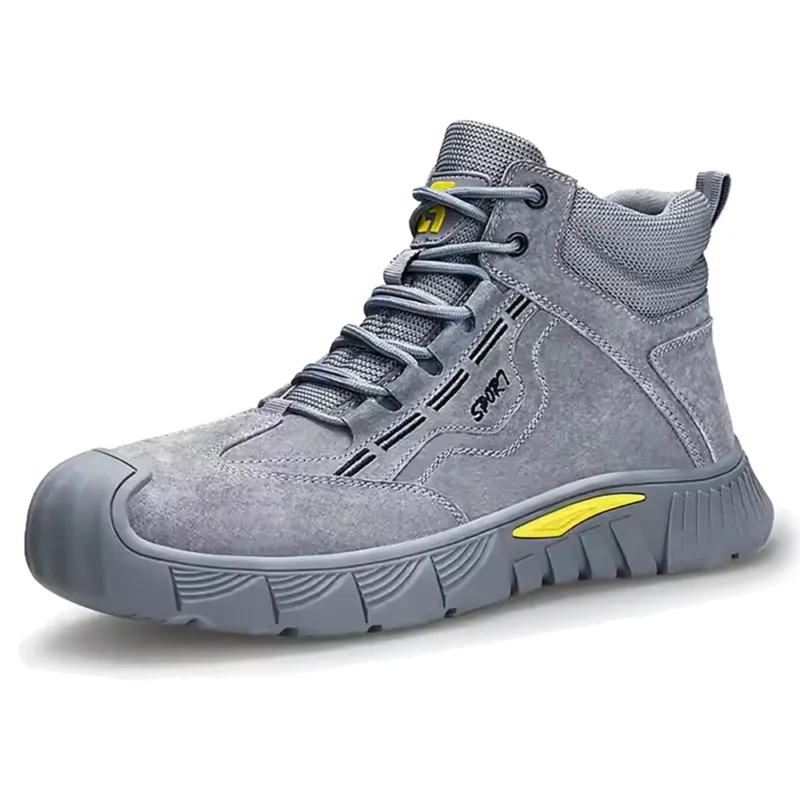
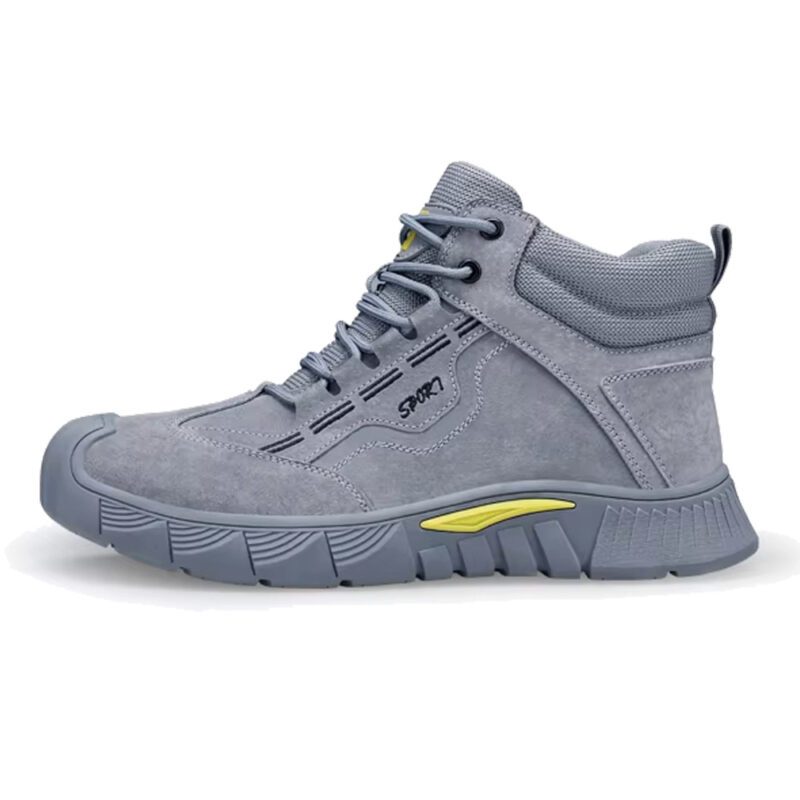
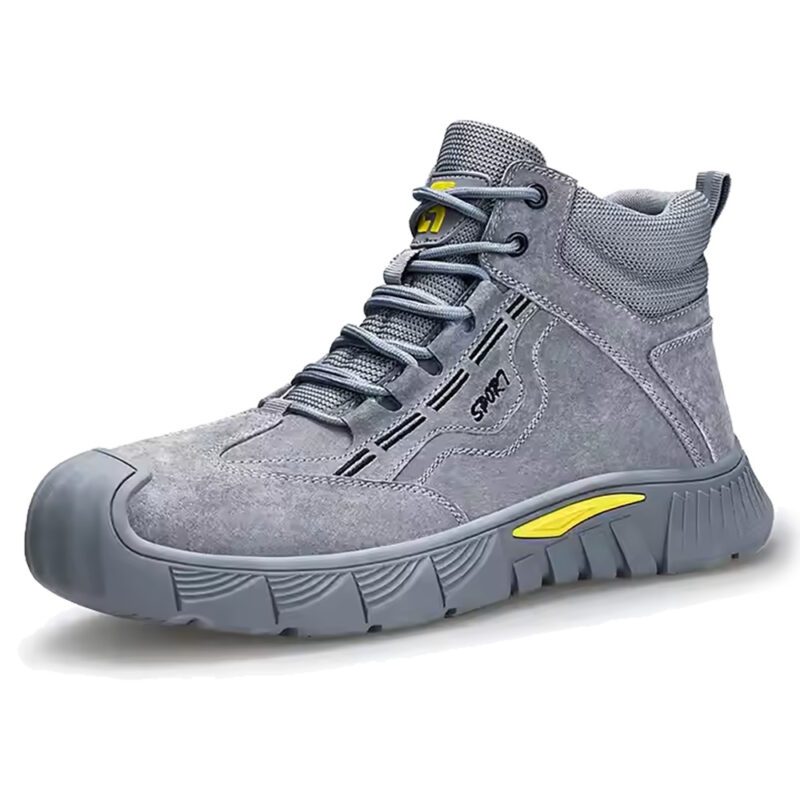
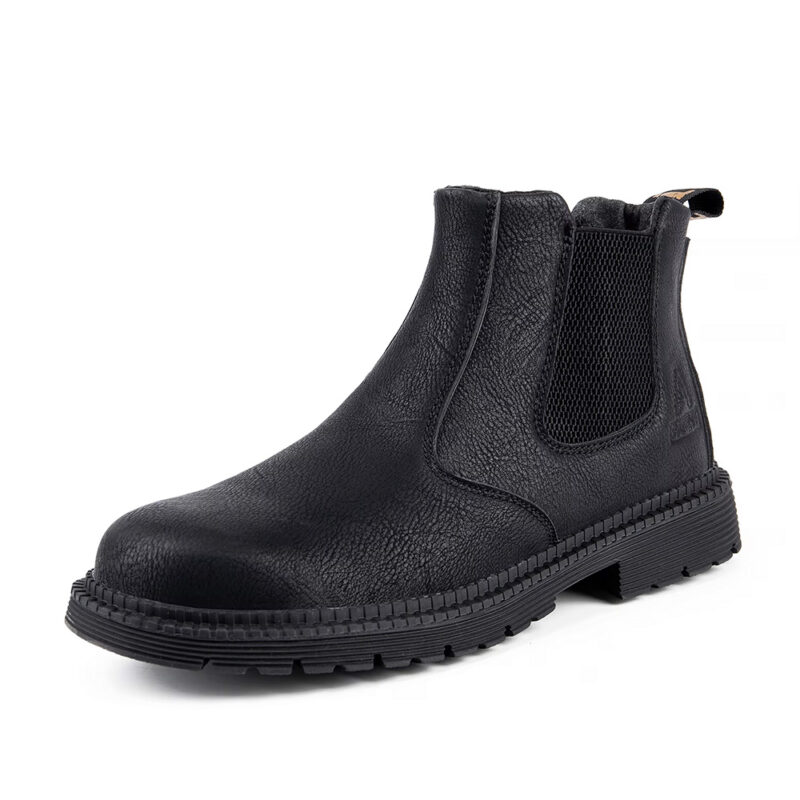
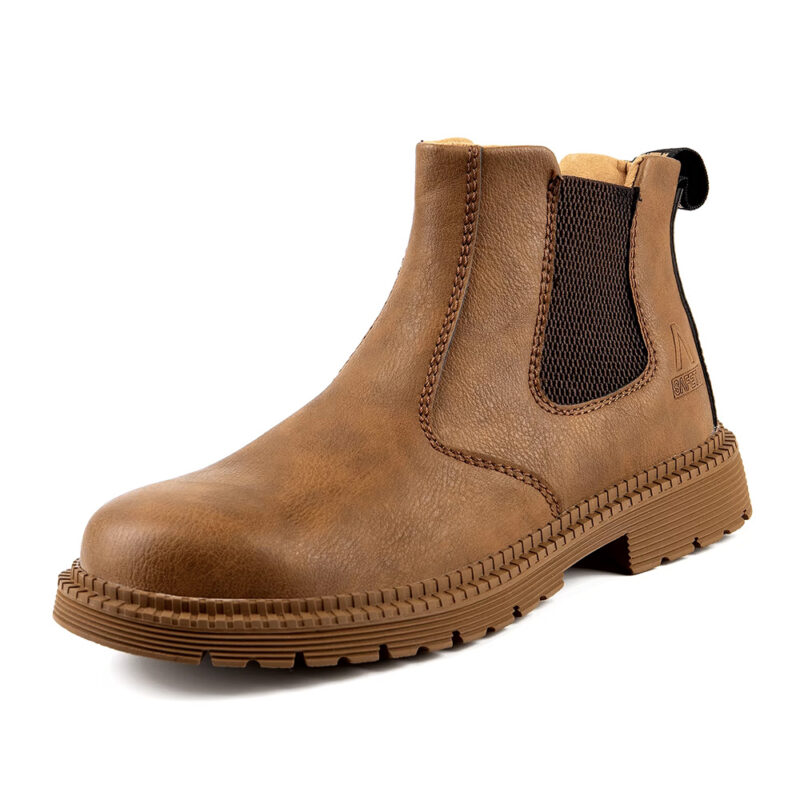
When your workday involves heavy machinery, falling objects, and unforgiving terrain, the Birks Defender Kevlar Steel Toe Safety Work Boots stand ready to protect you through it all. These boots deliver the exceptional durability, reliable protection, and all-day comfort you need to tackle any challenge and get the job done right, every single time.
Unbroken boots cause blisters, hot spots, and foot pain. The leather holds its original shape until worn repeatedly. Break-in periods reduce friction points and soften material where your foot bends naturally.
Most quality work boots require 40 to 80 hours of wear before reaching full comfort. This timeline varies based on leather thickness, boot construction, and your foot shape.
The Fastest Methods to Break in Work Boots
Wear Them in Short Sessions
Start with 1-2 hour sessions around your home. Walk on different surfaces – carpet, tile, and stairs. Increase duration by 30 minutes each day.
Your feet adapt gradually without developing painful blisters. Short sessions allow you to remove boots before serious discomfort begins.
Schedule these sessions during evening hours. Your feet swell slightly throughout the day, mimicking actual work conditions.
Apply Leather Conditioner
Leather conditioner penetrates material fibers and increases flexibility. Apply conditioner to clean, dry boots using these steps:
- Remove dirt and dust with a soft brush
- Apply thin conditioner layer with a cloth
- Focus on flex points – toe box, ankle, and instep
- Let boots absorb product for 20 minutes
- Wipe away excess conditioner
- Allow 24 hours drying time before wearing
Quality conditioners include mink oil, neatsfoot oil, or specialized boot products. Avoid petroleum-based products that can dry out leather over time.
Repeat this process every two weeks during the break-in phase.
Use the Freezer Method
Water expands when frozen, stretching leather from the inside. This method works well for tight boots:
- Fill two heavy-duty freezer bags with water
- Seal bags completely to prevent leaks
- Insert one bag into each boot
- Place boots in freezer for 8-12 hours
- Remove and let ice thaw for 20 minutes
- Take out bags and wear boots immediately
The freezer method stretches leather uniformly without damaging fibers. Use this technique only once or twice to avoid over-stretching.
Wear Thick Socks
Double up on socks during initial break-in sessions. Thick wool or cushioned work socks create extra padding between your foot and stiff leather.
The added bulk also stretches boots faster than thin socks alone. Your feet push against material with more force, accelerating the molding process.
Switch to regular work socks once boots feel more comfortable.
Apply Direct Heat
Controlled heat makes leather more pliable. Use a hairdryer on medium setting:
- Put on thick socks and lace boots snugly
- Hold hairdryer 6 inches from leather
- Heat each section for 20-30 seconds
- Flex your foot while leather is warm
- Walk around until leather cools
- Repeat on problem areas
Never use high heat settings. Excessive temperature damages leather permanently and weakens stitching.
Focus heat application on the toe box, sides, and heel counter where stiffness causes most discomfort.
Use a Boot Stretcher
Boot stretchers are mechanical devices that apply consistent pressure inside your boots. These tools work overnight without requiring you to wear uncomfortable boots.
Insert the stretcher and turn the handle to expand width or length. Leave in place for 24-48 hours. Remove and test fit before additional stretching.
Boot stretchers with bunion attachments target specific pressure points. This precision prevents over-stretching areas that already fit well.
Breaking in Different Boot Types
Full-Grain Leather Boots
Full-grain leather requires the longest break-in period but provides superior durability. This leather type retains natural grain patterns and fiber strength.
Apply conditioner weekly during the first month. Full-grain leather absorbs products slowly, so patience yields better results than aggressive treatment.
Expect 60-80 hours of wear before achieving optimal comfort.
Composite Toe Boots
Composite toe boots break in faster than steel toe versions. The composite toe cap flexes slightly, unlike rigid steel.
Focus break-in efforts on leather upper portions. The toe area needs minimal adjustment since composite material starts more comfortable.
Most composite toe boots reach full comfort within 40-50 hours.
Insulated Work Boots
Insulated boots contain extra material layers that increase stiffness. The insulation compresses gradually with wear.
Use the wearing method primarily with insulated boots. Heat and freezer methods risk damaging insulation materials.
Allow 70-90 hours for complete break-in of insulated styles.
When your workday involves heavy machinery, falling objects, and unforgiving terrain, the Birks Defender Kevlar Steel Toe Safety Work Boots stand ready to protect you through it all. These boots deliver the exceptional durability, reliable protection, and all-day comfort you need to tackle any challenge and get the job done right, every single time.
Common Break-in Mistakes to Avoid
Soaking Boots in Water
Some sources recommend soaking boots, then wearing them until dry. This method damages leather structure and weakens adhesives.
Water strips natural oils from leather, causing brittleness and cracking. Modern boot construction uses glues that deteriorate when saturated.
Use targeted moisture application only – never full immersion.
Skipping Conditioning
Dry leather resists stretching and develops cracks under stress. Unconditioned boots take twice as long to break in and suffer permanent damage.
Set calendar reminders for conditioning during the first three months of ownership.
Wearing New Boots for Full Shifts
Starting with 8-10 hour work days in new boots guarantees painful blisters. Your feet develop injuries before the break-in process begins.
Injuries delay the entire break-in timeline while you heal. Gradual exposure prevents this counterproductive cycle.
Using Excessive Heat
Direct flame, ovens, or extended high-heat exposure destroys leather. Heat above 120°F causes proteins to contract and harden permanently.
Damaged leather never softens regardless of subsequent treatment.
Ignoring Fit Issues
Break-in methods improve comfort in properly-fitted boots. These techniques cannot fix boots that are fundamentally too small or large.
Your toes should have 1/4 inch space at the front when standing. The heel should lift slightly when walking but not slip excessively.
Return poorly-fitted boots before investing time in break-in attempts.
Timeline Comparison for Break-in Methods
| Method | Time Investment | Effectiveness | Safety for Leather |
|---|---|---|---|
| Gradual Wearing | 40-80 hours | Excellent | Excellent |
| Leather Conditioner | 2 hours total | Very Good | Excellent |
| Freezer Method | 12 hours | Good | Good |
| Thick Socks | Same as wearing | Good | Excellent |
| Heat Application | 3-4 hours total | Very Good | Fair |
| Boot Stretcher | 48 hours | Good | Very Good |
Maintaining Comfort After Break-in
Regular Cleaning
Remove dirt and debris weekly. Particles act as abrasives that wear down leather prematurely.
Use a stiff brush for dried mud and a damp cloth for general cleaning. Let boots dry naturally away from direct heat sources.
Ongoing Conditioning
Continue conditioning every 4-6 weeks after the initial break-in period. Regular conditioning maintains leather flexibility and extends boot life by years.
Increase frequency if you work in wet conditions or extreme temperatures.
Proper Storage
Store boots in a cool, dry location with good air circulation. Stuff with newspaper to maintain shape and absorb moisture.
Never store damp boots in enclosed spaces. Trapped moisture promotes mold growth and leather rot.
Insole Replacement
Factory insoles compress and lose cushioning after 3-6 months. Replace with quality aftermarket insoles designed for work environments.
Cushioned insoles reduce foot fatigue and maintain the comfort level you achieved during break-in.
Signs Your Boots Are Properly Broken In
You know break-in is complete when:
- No pressure points exist after 8 hours of wear
- Leather flexes easily at your foot’s natural bend points
- No blisters or hot spots develop during full work shifts
- The heel counter molds to your ankle shape
- You forget you’re wearing new boots
Your boots should feel like a natural extension of your feet. Any lingering discomfort indicates incomplete break-in or fit issues requiring attention.
Accelerating Break-in Without Damage
Combine multiple methods for fastest results:
- Apply conditioner on day one
- Wear boots 2 hours daily with thick socks
- Use heat application on tight areas after wearing
- Let boots rest 24 hours between sessions
- Repeat conditioning at the two-week mark
This combination approach typically reduces break-in time to 20-30 hours while preserving leather integrity.
Alternate between active wearing and passive stretching methods. This gives your feet recovery time while boots continue adapting to your foot shape.
Professional Breaking Services
Cobbler shops offer professional stretching services for stubborn boots. These experts use industrial equipment and techniques unavailable to consumers.
Expect to pay $20-40 for professional stretching. The service works well for problem areas that resist home methods.
Discuss specific tight spots with the cobbler. Precise stretching prevents loosening areas that already fit correctly.
Your Path to Comfortable Work Boots
Breaking in work boots demands patience and consistent effort. Quick fixes often damage boots or delay the process.
Start your break-in routine the day boots arrive. Gradual daily sessions produce better results than marathon wearing attempts.
Quality work boots from birksboots.com deserve proper break-in care. Your investment in time now pays dividends through years of comfortable, protective wear.
Monitor your progress throughout the break-in period. Adjust methods based on remaining tight spots or discomfort areas. Your feet and your work performance both benefit from boots that fit like they were made specifically for you.
When your workday involves heavy machinery, falling objects, and unforgiving terrain, the Birks Defender Kevlar Steel Toe Safety Work Boots stand ready to protect you through it all. These boots deliver the exceptional durability, reliable protection, and all-day comfort you need to tackle any challenge and get the job done right, every single time.