How to Style Knee High Boots for Work

Why Knee High Boots Work in Professional Settings
Knee high boots offer a polished solution for office wear. These boots provide coverage, warmth, and a sleek silhouette that fits multiple dress codes. Professional women choose knee high boots because they bridge the gap between formal footwear and practical winter needs.
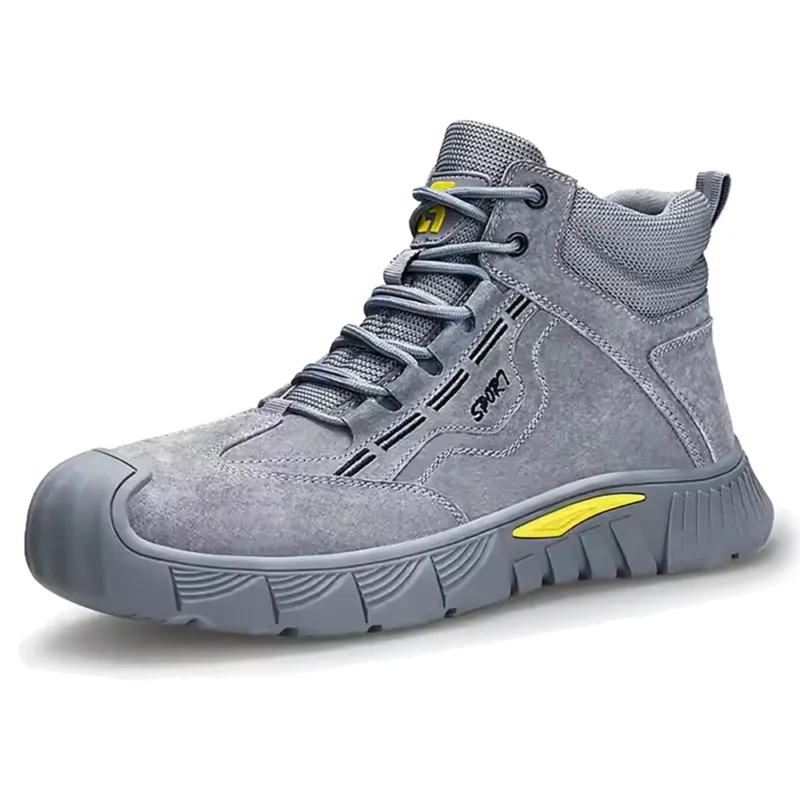
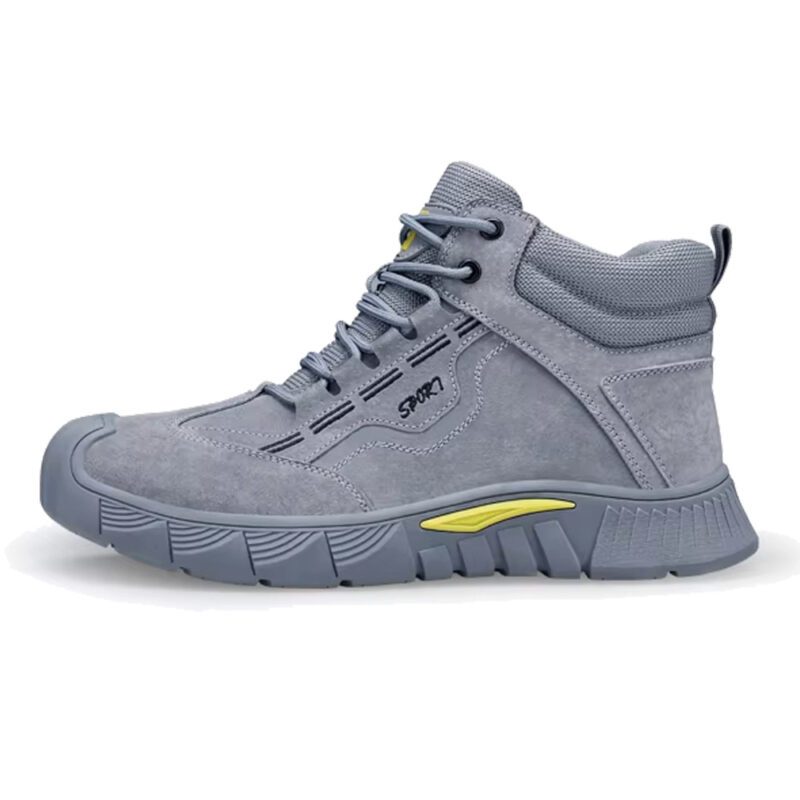
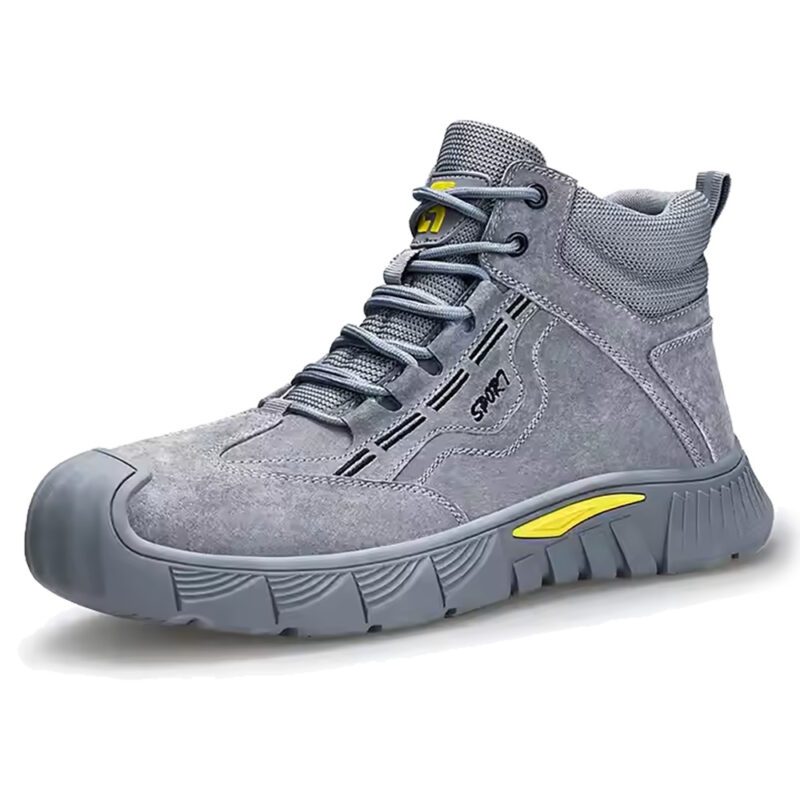
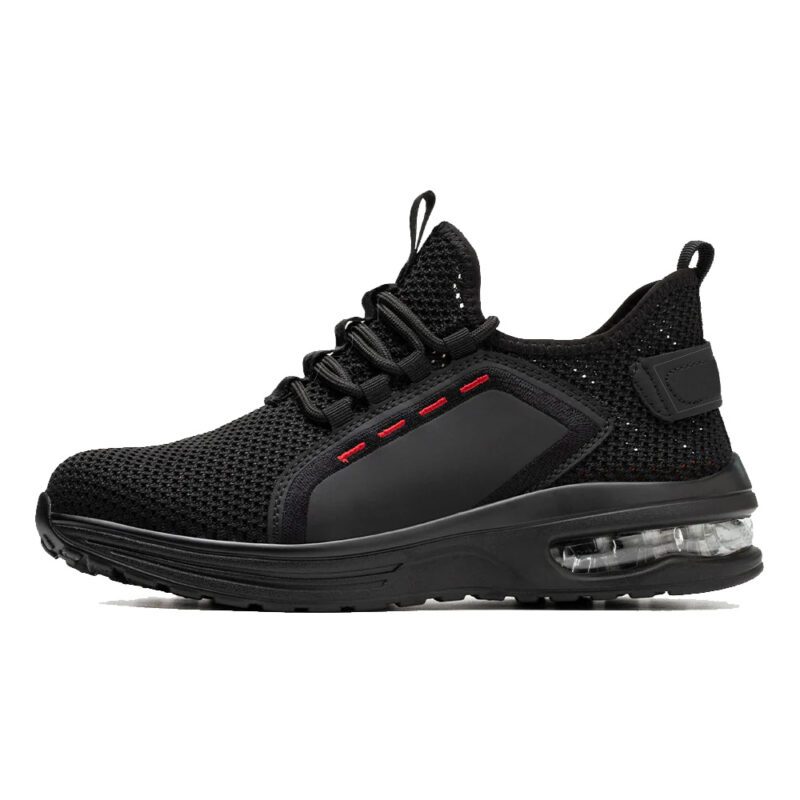
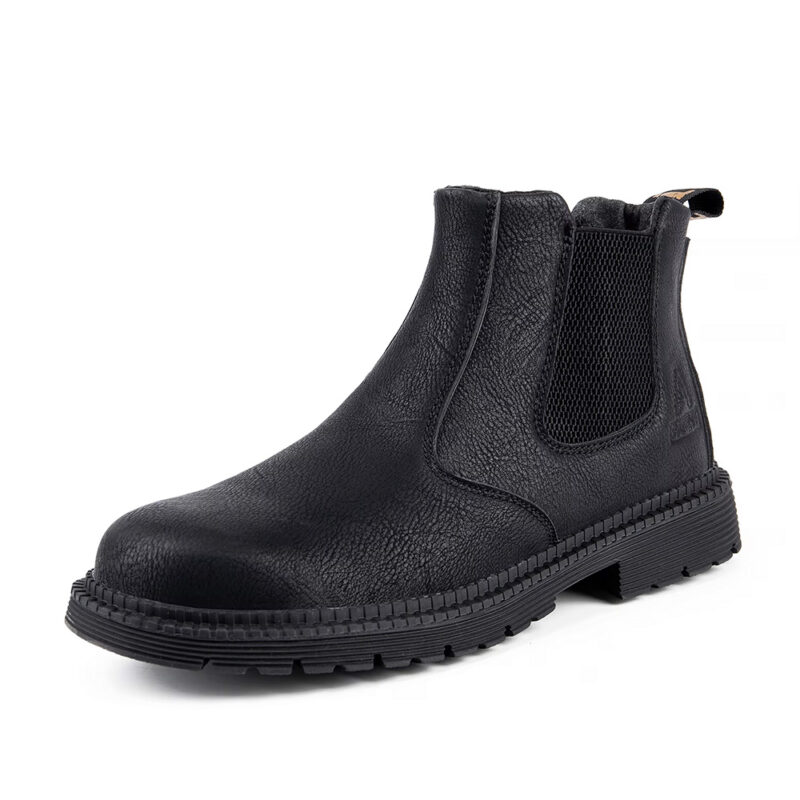
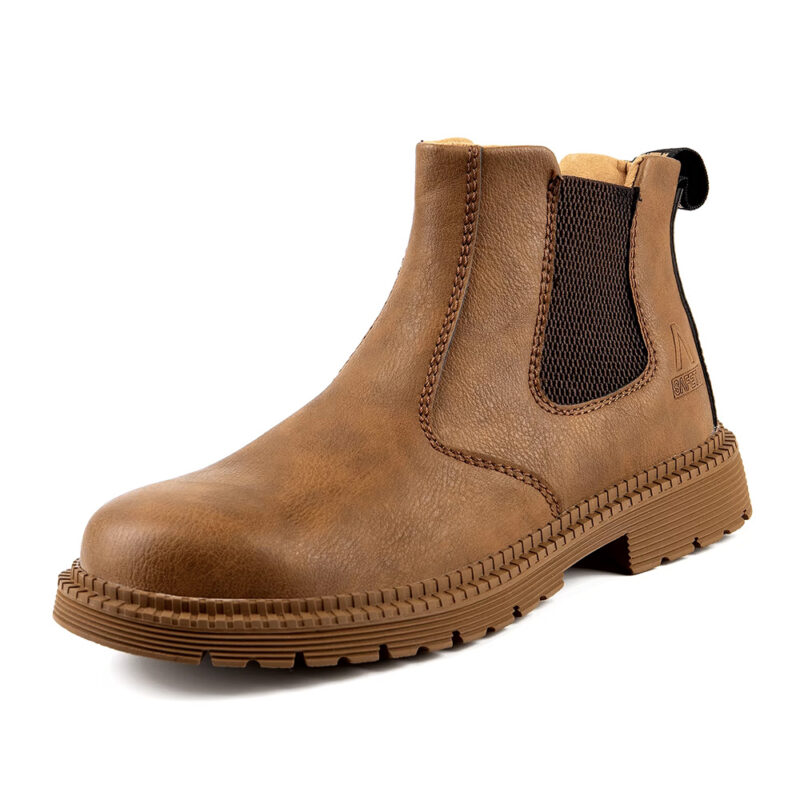
When your workday involves heavy machinery, falling objects, and unforgiving terrain, the Birks Defender Kevlar Steel Toe Safety Work Boots stand ready to protect you through it all. These boots deliver the exceptional durability, reliable protection, and all-day comfort you need to tackle any challenge and get the job done right, every single time.
The boots rose to workplace prominence in the 1960s when fashion shifted toward more structured, streamlined looks. Designers like André Courrèges introduced tall boots as part of modern, geometric collections. By the 1970s, knee high boots became staples in professional wardrobes across Europe and North America.
Today’s workplace boot combines classic design with contemporary materials. Leather uppers, block heels, and side zippers define the modern work boot. These features create a shoe that looks sharp while supporting an active work schedule.
Choosing the Right Knee High Boot for Your Office
Material Selection
Genuine leather remains the top choice for professional settings. Leather offers durability, breathability, and a refined appearance that synthetic materials struggle to match. Full-grain leather develops a patina over time, adding character without looking worn.
Suede works in creative offices or business casual environments. This material requires more maintenance but delivers a softer, more textured look. Suede boots pair well with wool trousers and knit dresses.
Patent leather suits formal offices and client-facing roles. The glossy finish elevates simple outfits and photographs well for professional headshots or presentations.
Heel Height Considerations
Your heel height affects comfort and appropriateness:
- Flat to 1 inch: Best for all-day wear, client meetings requiring walking, or business casual offices
- 1.5 to 2.5 inches: The sweet spot for most corporate environments—professional without sacrificing stability
- 3 inches and above: Reserve for executive meetings, presentations where you’ll stand in one place, or creative industries
Block heels provide more stability than stilettos. A heel width of at least 1.5 inches distributes weight better and prevents sinking into carpet or getting caught in grates.
Color and Finish
| Color | Best For | Avoid When |
|---|---|---|
| Black | Conservative offices, client meetings, winter months | Summer months in hot climates |
| Brown/Tan | Business casual settings, creative fields, fall/spring | Very formal corporate environments |
| Burgundy | Adding personality to neutral outfits, finance/law fields | Extremely conservative dress codes |
| Navy | Modern offices, matching navy suits, year-round wear | Outfits with black pieces |
| Gray | Minimalist wardrobes, tech companies, versatile styling | Coordinating with brown tones |
Shaft Height and Fit
Measure your leg before purchasing. Most knee high boots have a shaft height between 14 and 18 inches. Your boot should end just below your knee cap—not touching it and not more than two inches below.
Calf circumference matters significantly. Standard boots fit calves measuring 14 to 15 inches. Extended calf boots accommodate 16 to 19 inches. Poor fit creates bunching at the ankle or gaps at the top that look sloppy.
Look for boots with adjustable features:
- Elastic side panels
- Lace-up back details
- Buckle straps at the top
- Stretch leather panels
Pairing Knee High Boots with Work Attire
With Trousers and Pants
Straight-leg trousers tuck easily into knee high boots. Choose pants with minimal taper below the knee. The hem should sit at or just above your boot shaft.
Skinny pants work well tucked into boots. This combination creates a streamlined look that suits modern offices. Ensure your pants have enough stretch to tuck comfortably without bunching.
Wide-leg pants should cover your boots completely. The hem needs to break slightly at the boot shaft. This styling creates a sophisticated, leg-lengthening effect.
Cropped pants expose the boot shaft intentionally. Leave 2 to 3 inches of boot visible between your hem and knee. This approach works best in creative or business casual settings.
With Skirts and Dresses
Pencil skirts pair perfectly with knee high boots. Maintain a 2 to 4 inch gap between your skirt hem and boot top. This proportion prevents a bulky, leg-shortening appearance.
A-line skirts create a balanced silhouette with tall boots. Choose skirts that hit at or just above the knee. The boot shaft should never touch your skirt hem.
Midi dresses work when styled correctly. Your dress should end 4 to 6 inches above your boot shaft. Add opaque tights in cold weather to fill the gap professionally.
Shift dresses in structured fabrics maintain professionalism with knee high boots. The straight cut complements the boot’s vertical lines.
Seasonal Styling Strategies
Fall styling emphasizes rich textures. Pair suede knee high boots with:
- Wool blazers
- Cashmere sweaters
- Corduroy pants
- Tweed skirts
Winter combinations require weatherproofing. Choose leather boots with rubber soles. Style with:
- Wool trousers in heavier weights
- Lined dresses with tights
- Long cardigans or dusters
- Structured coats that cover the boot shaft
Spring transitions call for lighter materials. Switch to:
- Lightweight knit dresses
- Cotton or linen blend pants
- Unlined blazers
- Ankle-length outerwear
Early fall and late spring suit transitional boot styling. These periods allow fashion-forward choices like lighter colors or unusual textures.
When your workday involves heavy machinery, falling objects, and unforgiving terrain, the Birks Defender Kevlar Steel Toe Safety Work Boots stand ready to protect you through it all. These boots deliver the exceptional durability, reliable protection, and all-day comfort you need to tackle any challenge and get the job done right, every single time.
Building Work Outfits Around Knee High Boots
Conservative Corporate Look
Start with a charcoal suit. Choose a jacket with a defined waist and straight-leg trousers. Add black leather knee high boots with a 2-inch block heel. Wear a white button-down shirt and minimal jewelry.
This combination works for law firms, financial institutions, and traditional corporate offices.
Business Casual Ensemble
Combine dark wash jeans with a silk blouse. Layer a structured blazer over the outfit. Choose brown leather knee high boots with a 1.5-inch heel. Add a leather tote and simple stud earrings.
This outfit suits tech companies, creative agencies, and modern corporate environments.
Creative Professional Style
Wear a midi knit dress in a rich color like burgundy or forest green. Add a long cardigan or duster coat. Choose suede knee high boots in a complementary tone. Include statement jewelry and a structured handbag.
This look fits design studios, marketing firms, and fashion-related industries.
Client Meeting Attire
Select a sheath dress in a solid color. Add a matching blazer. Choose black leather knee high boots with a 2.5-inch heel. Keep accessories minimal—a watch and simple necklace. Carry a leather portfolio case.
This ensemble handles presentations, client dinners, and executive meetings.
Avoiding Common Styling Mistakes
The Gap Problem
Never leave more than 6 inches of bare leg visible between your skirt and boots. This gap breaks your vertical line and appears unfinished. Fill the space with opaque tights in cold weather or choose longer skirts.
Over-Tucking
Tucking wide-leg or boot-cut pants creates bulk at the boot shaft. This bunching looks messy and uncomfortable. Either wear slimmer pants or allow wider legs to drape over your boots.
Matching Overload
Avoid matching your boots exactly to your bag, belt, and jewelry. This coordination looks dated. Instead, choose one additional item in the same color family and vary textures.
Seasonal Mismatch
Heavy leather knee high boots look out of place in summer business settings. Switch to ankle boots or closed-toe pumps when temperatures exceed 75°F consistently.
Height Proportion Errors
Very tall boots with very short skirts create an unbalanced look. Maintain proportion by ensuring your boot shaft covers no more than one-third of your leg length.
Maintaining Your Work Boots
Daily Care
Wipe boots with a dry cloth after each wear. Remove dust, salt, and moisture immediately. This simple step prevents permanent staining and material degradation.
Store boots with boot shapers or rolled magazines inside. This maintains the shaft shape and prevents creasing at the ankle.
Weekly Maintenance
Brush leather boots with a horsehair brush to remove embedded dirt. Apply leather conditioner every two weeks during heavy wear seasons. This treatment keeps leather supple and prevents cracking.
Suede boots require a suede brush and suede protector spray. Brush against the nap to lift flattened fibers. Reapply protector spray monthly.
Seasonal Storage
Clean boots thoroughly before storing. Apply conditioner and allow full absorption. Stuff with acid-free tissue paper. Store in breathable cotton bags—never plastic.
Keep boots in a cool, dry location away from direct sunlight. Heat and UV exposure cause leather to dry and crack.
Professional Services
Visit a cobbler annually for:
- Heel replacement
- Sole repair
- Zipper maintenance
- Shaft narrowing or widening
Professional maintenance extends boot life from 2-3 years to 5-7 years or more.
Selecting Your First Pair of Work Boots
Follow these steps for a successful purchase:
- Measure your calf at its widest point and from floor to bend of knee
- Determine your office dress code level—conservative, business casual, or creative
- Choose your primary color based on existing wardrobe
- Select heel height matching your comfort needs and daily activities
- Try boots with work socks or tights you’ll actually wear
- Walk on hard floors and carpet to test stability
- Check shaft fit while sitting and standing
- Verify zipper quality and ease of use
Quality knee high boots cost between $200 and $500. This investment pays off through years of daily wear and versatile styling options.
Knee high boots streamline your work wardrobe. These shoes eliminate the need for separate winter boots and office shoes. One pair of well-chosen boots works with dozens of outfits across multiple seasons. The right styling makes knee high boots appropriate for every professional setting from boardrooms to creative studios.
When your workday involves heavy machinery, falling objects, and unforgiving terrain, the Birks Defender Kevlar Steel Toe Safety Work Boots stand ready to protect you through it all. These boots deliver the exceptional durability, reliable protection, and all-day comfort you need to tackle any challenge and get the job done right, every single time.