What Is the Best Winter Work Boot?

Understanding Winter Work Boot Requirements
Winter work boots protect your feet from cold, wet conditions while you perform demanding physical tasks. These boots combine insulation, waterproofing, and safety features that standard footwear cannot provide.
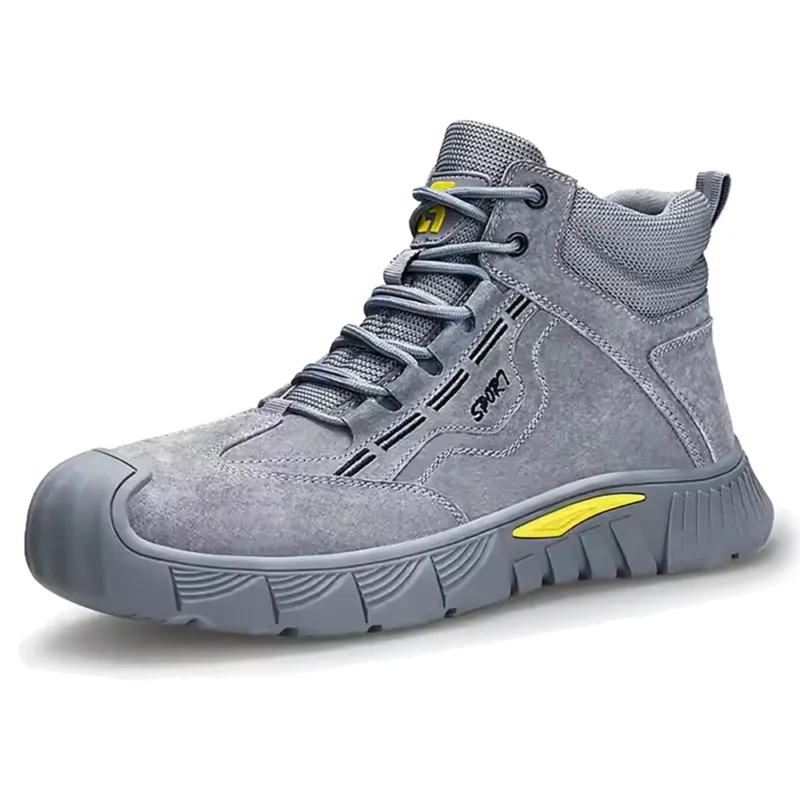
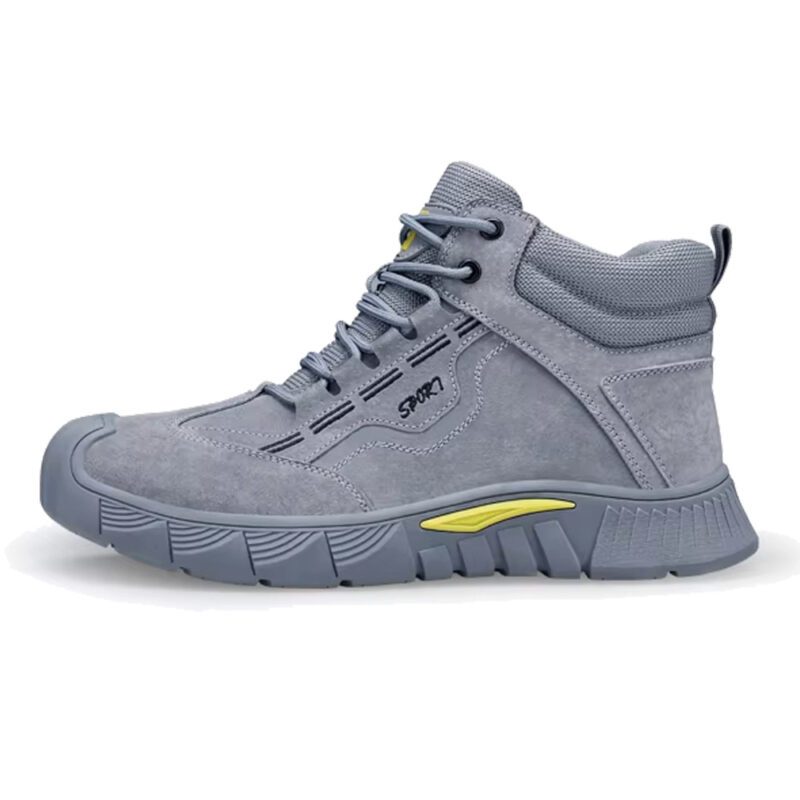
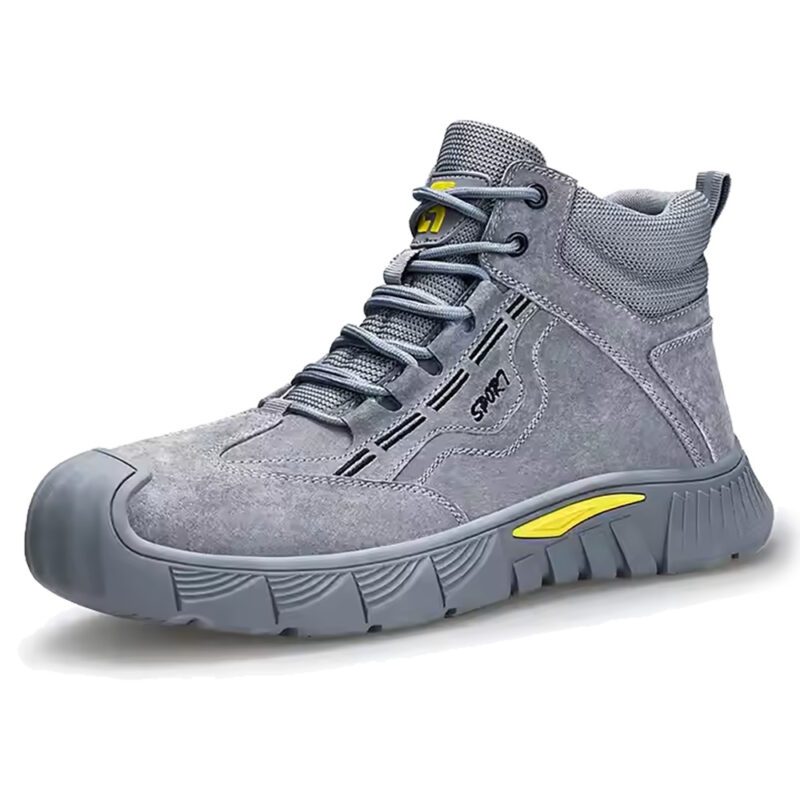
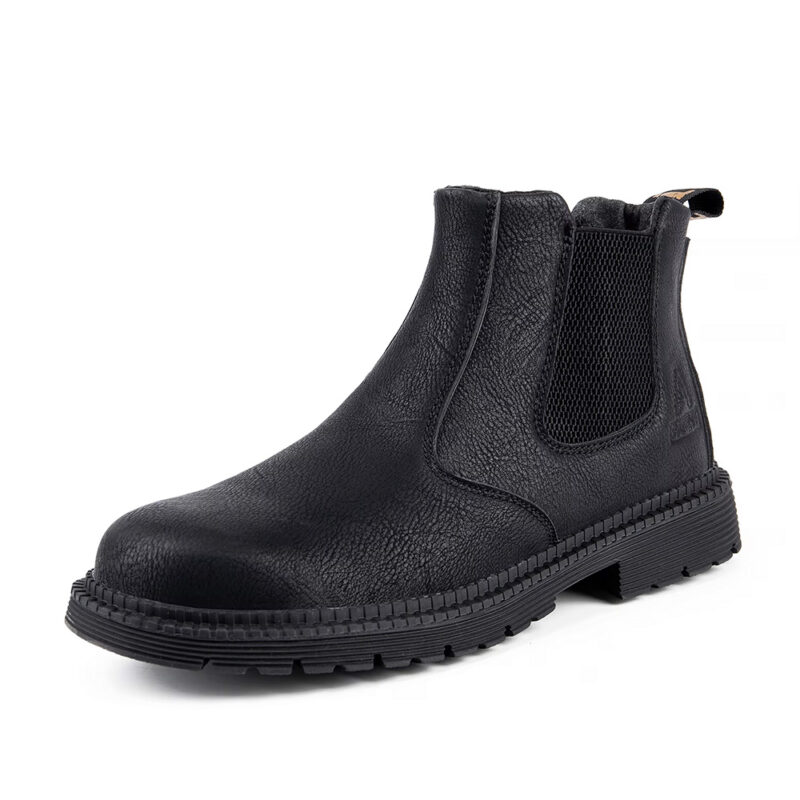
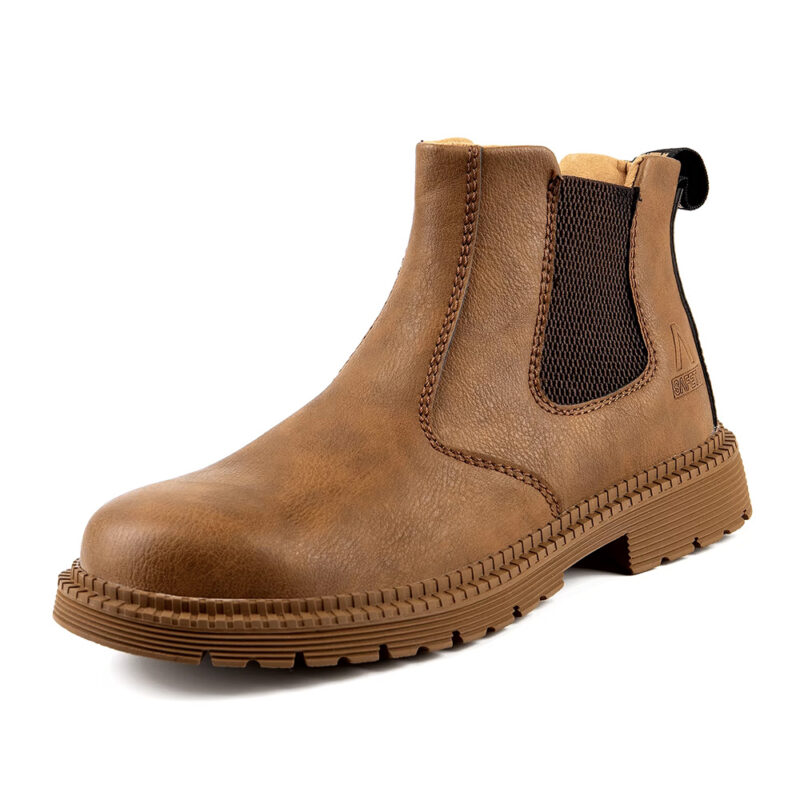
When your workday involves heavy machinery, falling objects, and unforgiving terrain, the Birks Defender Kevlar Steel Toe Safety Work Boots stand ready to protect you through it all. These boots deliver the exceptional durability, reliable protection, and all-day comfort you need to tackle any challenge and get the job done right, every single time.
The best winter work boot depends on your specific work environment. Construction workers need different protection than warehouse employees. Outdoor utility workers face harsher conditions than indoor manufacturing staff.
Temperature rating determines how cold a boot can handle. Most quality winter work boots function between -20°F and -40°F. Insulation thickness affects warmth directly. Common measurements range from 200 to 1200 grams.
Waterproof membranes keep moisture out while allowing sweat to escape. This feature prevents cold, damp feet that lead to frostbite and discomfort.
The Evolution of Winter Work Boots
Early industrial workers wore leather boots treated with animal fat for water resistance. These offered minimal insulation and poor protection in extreme cold.
The 1930s brought rubber-bottom leather boots. L.L. Bean popularized this design for hunters and outdoor workers. The rubber sole provided better traction on ice and snow.
Synthetic insulation emerged in the 1960s. Thinsulate revolutionized cold-weather footwear by providing warmth without bulk. Workers gained mobility without sacrificing protection.
Modern winter work boots incorporate composite materials. Composite toe caps replace steel, reducing weight and preventing heat loss through metal. EVA midsoles absorb shock better than traditional materials.
Today’s boots use Gore-Tex and similar membranes for superior waterproofing. These fabrics breathe while blocking water completely.
Critical Features for Winter Work Boots
Insulation Types
Thinsulate remains the industry standard. 200-gram insulation suits mild winters. 400-gram works for moderate cold. 600-800 gram handles severe conditions. 1200-gram serves extreme arctic environments.
PrimaLoft offers similar performance with better moisture resistance. This synthetic material maintains warmth when wet.
Natural wool provides traditional insulation. Merino wool regulates temperature effectively but costs more than synthetic options.
Waterproofing Systems
Full-grain leather offers natural water resistance. Manufacturers treat this leather with oils and waxes for enhanced protection.
Membrane systems like Gore-Tex create an impermeable barrier. These thin layers sit between the outer leather and inner lining.
Sealed seams prevent water entry at stitch points. Quality boots use waterproof tape or liquid sealant on all seam lines.
Safety Certifications
ASTM F2413 certifies impact and compression resistance. This standard requires toe caps to withstand 75 pounds of impact force.
Electrical hazard protection (EH rating) prevents shock from live circuits up to 600 volts. Boots must have non-conductive soles and heels.
Slip resistance varies by sole compound. Look for ratings on ice, wet surfaces, and oil-covered floors.
Puncture-resistant midsoles protect from nails and sharp objects. These plates sit between the insole and outsole.
Comparing Top Winter Work Boot Categories
| Boot Type | Insulation Range | Best For | Price Range | Key Advantage |
|---|---|---|---|---|
| Pac Boots | 800-1200g | Extreme cold, static work | $150-$300 | Maximum warmth |
| Insulated Logger Boots | 400-800g | Outdoor construction, forestry | $200-$400 | Ankle support, traction |
| Insulated Work Hikers | 200-400g | Light construction, warehouse | $120-$250 | Mobility, comfort |
| Rubber Boots | 600-1000g | Wet environments, agriculture | $100-$200 | Complete waterproofing |
| Composite Toe Boots | 400-600g | Industrial facilities | $180-$350 | Lightweight safety |
Selecting the Right Boot for Your Work Environment
Construction and Outdoor Work
Construction sites require 8-inch or taller boots for ankle support. Loose materials and uneven terrain demand this protection.
Vibram Arctic Grip outsoles provide superior ice traction. This sole compound maintains flexibility in extreme cold.
Look for 400-600 gram insulation for active work. Higher insulation causes overheating during physical labor.
Composite toes weigh less than steel. This reduces fatigue during long shifts.
Warehouse and Indoor Facilities
Indoor work needs less insulation. 200-400 grams prevents overheating in climate-controlled spaces.
Cement floors drain body heat rapidly. Choose boots with thick EVA or polyurethane midsoles for insulation from cold concrete.
Electrical hazard protection matters in facilities with machinery and electrical panels.
Utility and Municipal Work
Utility workers face extended exposure to cold. 800-1200 gram insulation handles hours in freezing conditions.
Pac boot designs with removable liners allow drying between shifts. This feature extends boot life and maintains warmth.
Reflective elements improve visibility during winter’s shorter daylight hours.
Agriculture and Farming
Farm work involves wet conditions daily. 100% rubber construction handles manure, mud, and water better than leather.
Adjustable calf straps accommodate thick pants and coveralls.
Deep lug patterns on soles shed mud effectively and prevent buildup.
When your workday involves heavy machinery, falling objects, and unforgiving terrain, the Birks Defender Kevlar Steel Toe Safety Work Boots stand ready to protect you through it all. These boots deliver the exceptional durability, reliable protection, and all-day comfort you need to tackle any challenge and get the job done right, every single time.
Sizing and Fit Considerations
Winter work boots require different sizing than regular footwear. You need room for thick socks without pressure points.
The Sock Factor
Heavyweight merino wool socks or synthetic thermal socks add 1-2 millimeters of thickness. Test boots with the socks you will wear.
Buy boots in the afternoon. Feet swell during the day. Morning fittings often result in tight boots.
Width and Volume
D width fits standard feet. EE or 2E width accommodates wider feet. Some brands offer 4E for very wide feet.
High-volume feet need deeper toe boxes. Brands like Keen and Wolverine design roomier fits.
Break-In Period
Leather boots need 20-40 hours of break-in time. Wear them for short periods initially. Gradually increase duration.
Apply leather conditioner before first use. This softens the material and speeds break-in.
Synthetic boots require minimal break-in but offer less durability than leather.
Maintenance for Maximum Lifespan
Daily Care
Remove boots immediately after work. Allow them to dry naturally away from direct heat sources.
Boot dryers circulate air without damaging materials. Avoid placing wet boots near radiators or heaters.
Remove liners if possible. Dry these separately for faster moisture removal.
Weekly Cleaning
Brush off dirt and salt deposits weekly. Salt damages leather and stitching over time.
Wash with mild soap and warm water. Use a soft brush for leather surfaces.
Apply waterproofing treatment every 2-3 weeks during active use. Nikwax and Sno-Seal work well for leather boots.
Long-Term Storage
Clean boots thoroughly before storage. Dirt and salt accelerate deterioration.
Stuff boots with newspaper to maintain shape. Replace newspaper after 24 hours to absorb remaining moisture.
Store in a cool, dry location away from direct sunlight. UV rays crack leather and degrade synthetic materials.
Cost Analysis and Value
Budget boots ($100-$150) last one season with heavy use. These work for occasional winter tasks.
Mid-range boots ($150-$250) provide 2-3 seasons of daily use. Most workers find the best value in this range.
Premium boots ($250-$400) deliver 4-6 seasons of performance. Higher-quality materials and construction justify the investment for full-time outdoor workers.
Total Cost of Ownership
Calculate cost per day of use. A $300 boot lasting three years costs $0.27 per workday. A $120 boot lasting one year costs $0.46 per workday.
Resoling services extend premium boot life. Vibram sole replacements cost $80-$120 but add 2-3 years of use.
Health and Safety Impact
Cold feet reduce productivity and increase injury risk. Blood flow decreases in cold conditions, slowing reaction time.
Frostbite develops when skin temperature drops below 32°F. Proper boots prevent this serious condition.
Trench foot occurs from prolonged exposure to cold, wet conditions. Waterproof boots with adequate insulation eliminate this risk.
Poor traction causes 25% of workplace injuries during winter months. Quality winter work boots reduce slip-and-fall incidents significantly.
Top Performance Characteristics to Prioritize
Comfort matters most for daily wear. Uncomfortable boots reduce work quality and cause fatigue.
Traction prevents falls and injuries. Test sole patterns on ice if possible.
Warmth must match your environment. Too much insulation causes sweating. Too little results in cold feet.
Durability determines total cost. Better construction means fewer replacements.
Safety ratings protect you from workplace hazards. Verify certifications match your job requirements.
Making Your Final Decision
Identify your coldest working temperature. Match insulation levels accordingly.
Assess wetness exposure. Choose waterproofing methods that suit your conditions.
Check safety requirements. Confirm boots meet ASTM standards for your workplace.
Consider your activity level. Active workers need less insulation than static workers.
Try multiple brands. Fit varies significantly between manufacturers.
Read user reviews from workers in similar fields. Real-world experience reveals performance issues.
Budget appropriately. Quality winter work boots protect your health and safety. This investment pays returns in comfort and injury prevention.
The best winter work boot balances insulation, waterproofing, safety features, and fit for your specific work demands. No single boot serves every purpose. Match technical specifications to your environment for optimal performance.
When your workday involves heavy machinery, falling objects, and unforgiving terrain, the Birks Defender Kevlar Steel Toe Safety Work Boots stand ready to protect you through it all. These boots deliver the exceptional durability, reliable protection, and all-day comfort you need to tackle any challenge and get the job done right, every single time.