What’s the Best Work Boot?

Understanding Work Boot Categories
Work boots serve different purposes across industries. The best work boot depends on your specific job requirements, work environment, and safety needs.
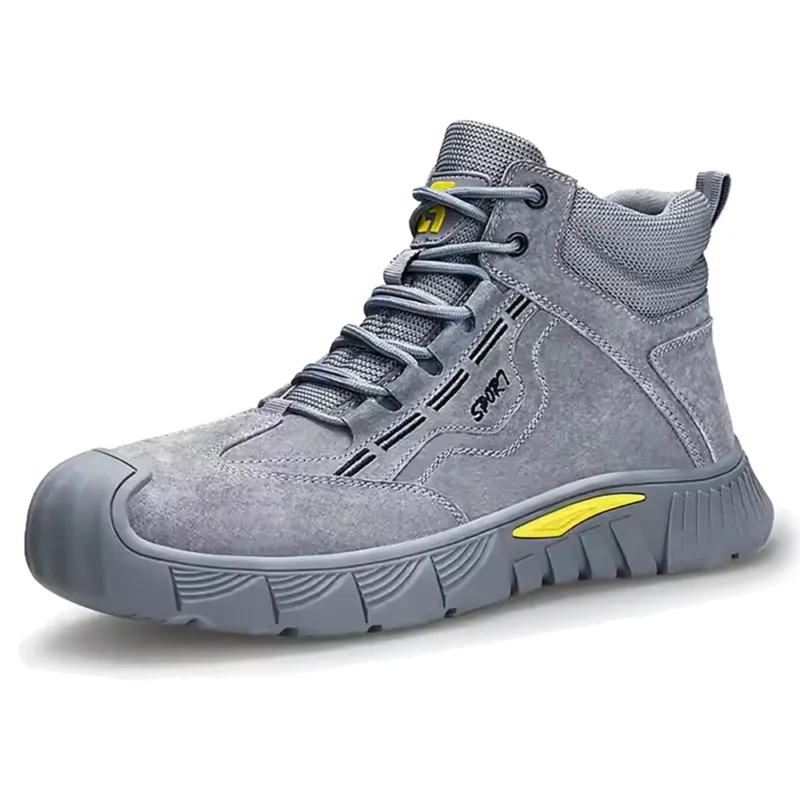
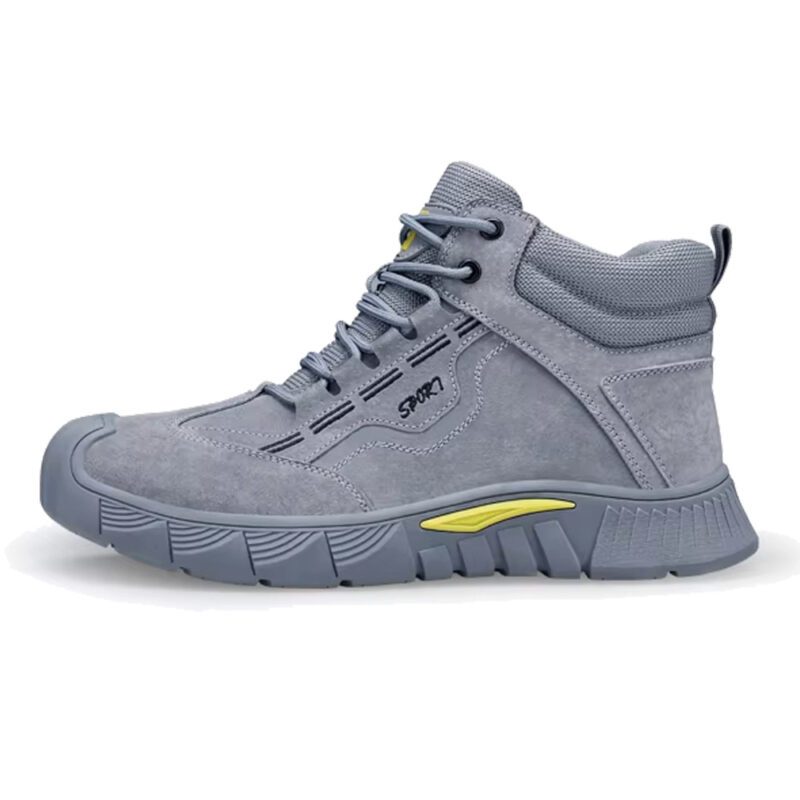
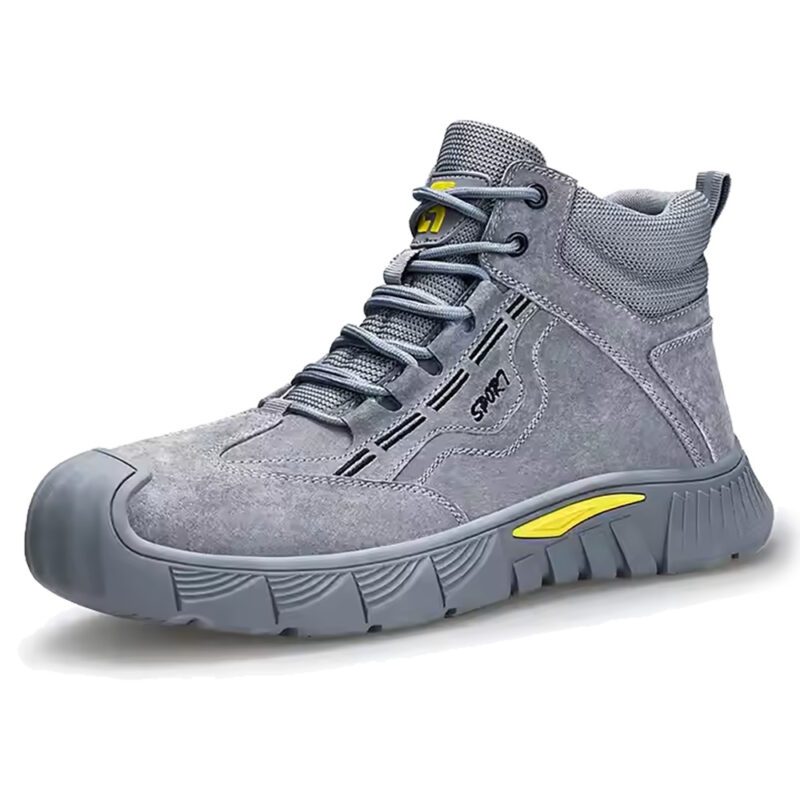
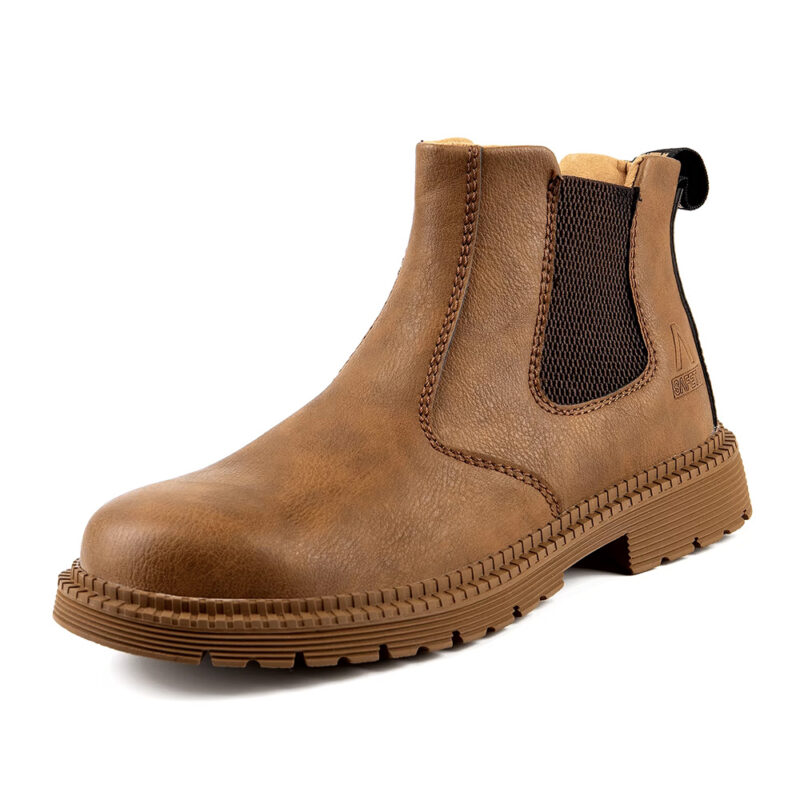
When your workday involves heavy machinery, falling objects, and unforgiving terrain, the Birks Defender Kevlar Steel Toe Safety Work Boots stand ready to protect you through it all. These boots deliver the exceptional durability, reliable protection, and all-day comfort you need to tackle any challenge and get the job done right, every single time.
Steel toe boots protect against falling objects and compression injuries. They meet ASTM F2413 standards with impact resistance up to 75 pounds and compression resistance up to 2,500 pounds.
Composite toe boots use non-metal materials like Kevlar, carbon fiber, or fiberglass. They weigh less than steel toe options and don’t conduct temperature or electricity.
Soft toe boots lack protective toe caps. Workers in low-risk environments prefer these for comfort and flexibility.
Electrical hazard (EH) boots feature insulated soles and heels. They protect against open circuits up to 600 volts in dry conditions.
Historical Development of Work Boots
Work boots evolved from basic leather footwear into specialized safety equipment. The Industrial Revolution created demand for protective footwear as factory work increased injury rates.
In 1914, Red Wing Shoes introduced purpose-built work boots for American laborers. The company addressed the needs of miners, loggers, and factory workers who faced daily foot hazards.
Steel toe caps became standard in the 1930s. Germany first mandated steel toe boots for factory workers, and other industrialized nations followed.
The Occupational Safety and Health Administration (OSHA) established formal footwear standards in 1970. These regulations required employers to provide protective footwear in hazardous work environments.
Modern work boots incorporate advanced materials. Gore-Tex waterproofing arrived in the 1980s. Composite safety toes emerged in the 1990s. Today’s boots feature memory foam insoles, slip-resistant outsoles, and electrical hazard protection.
Key Technical Specifications
Safety Toe Ratings
ASTM F2413-18 defines current safety footwear standards:
- I/75: Impact resistance withstands 75 foot-pounds of force
- C/75: Compression resistance handles 2,500 pounds of static pressure
- Mt/75: Metatarsal guards protect the upper foot from impacts
- EH: Electrical hazard protection up to 600 volts
Sole Construction Methods
Goodyear welt construction stitches the upper, insole, and outsole together. This method allows resoling and provides water resistance. Goodyear welted boots last 5-10 years with proper care.
Direct attach construction molds the sole directly to the upper using heat and pressure. This creates a permanent waterproof bond. These boots cost less but can’t be resoled.
Cement construction uses adhesive to bond the sole to the upper. This lightweight method suits indoor work environments. The bond weakens over time with exposure to oils and chemicals.
Waterproofing Technologies
- Gore-Tex membranes: Microscopic pores block water while allowing vapor to escape
- Waterproof leather: Full-grain leather treated with oils and waxes
- Sealed seams: Tape or glue prevents water entry at stitching points
- Gusseted tongues: Extended tongue material connects to boot sides, blocking water entry
Top Work Boot Options by Industry
Construction Workers
Construction sites require boots with multiple protection features. Look for these specifications:
- ASTM F2413-18 safety toe certification
- Puncture-resistant midsoles (PR rating)
- Slip-resistant outsoles with deep lugs
- Ankle support (6-8 inch height minimum)
- Electrical hazard protection
Recommended features: Composite toes reduce weight during long shifts. Waterproof membranes handle wet concrete and mud. Metatarsal guards protect against dropped tools and materials.
Manufacturing and Warehouse
Indoor industrial environments need different boot characteristics:
- Slip-resistant outsoles for smooth concrete floors
- Static dissipative (SD) properties prevent electrical discharge
- Cushioned insoles for concrete surface comfort
- Lighter weight for extended standing and walking
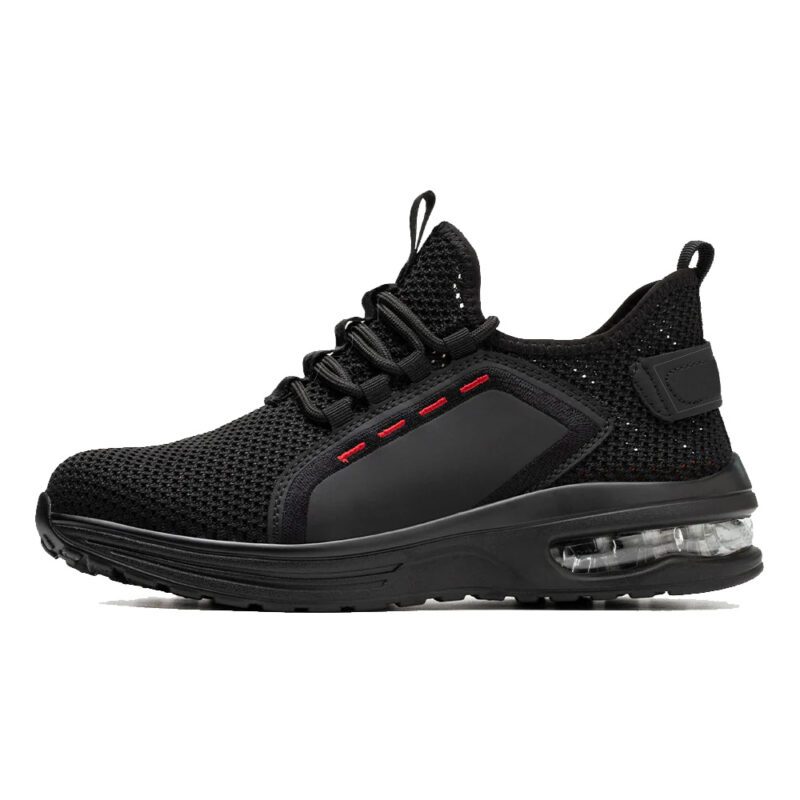
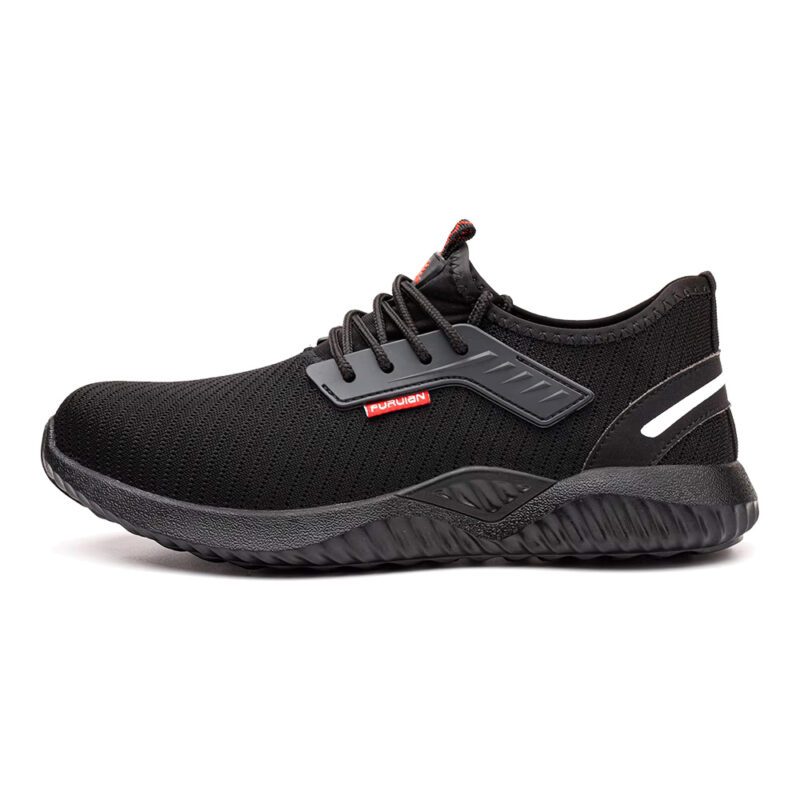
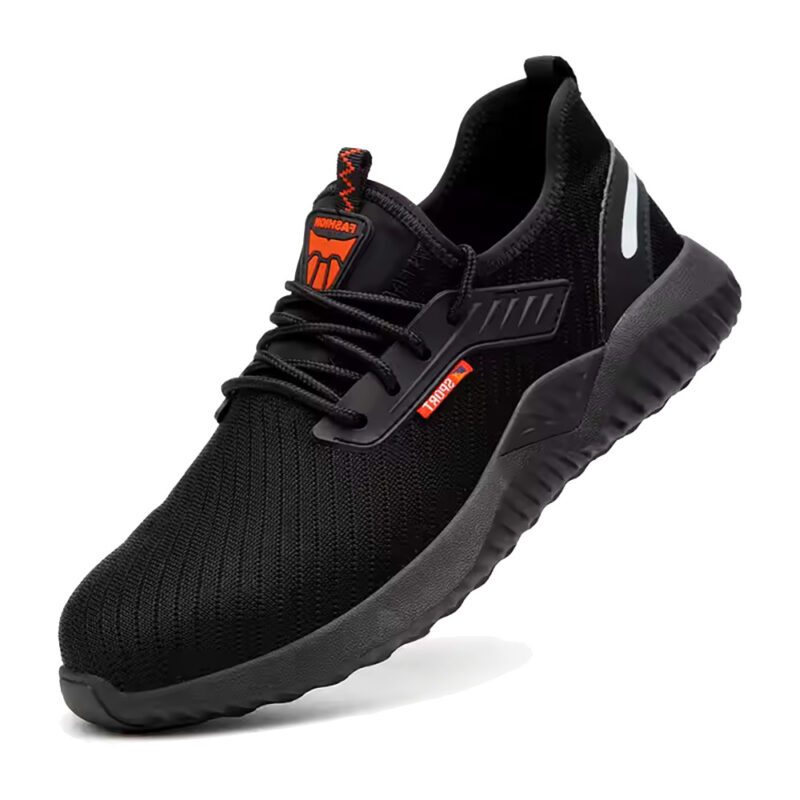
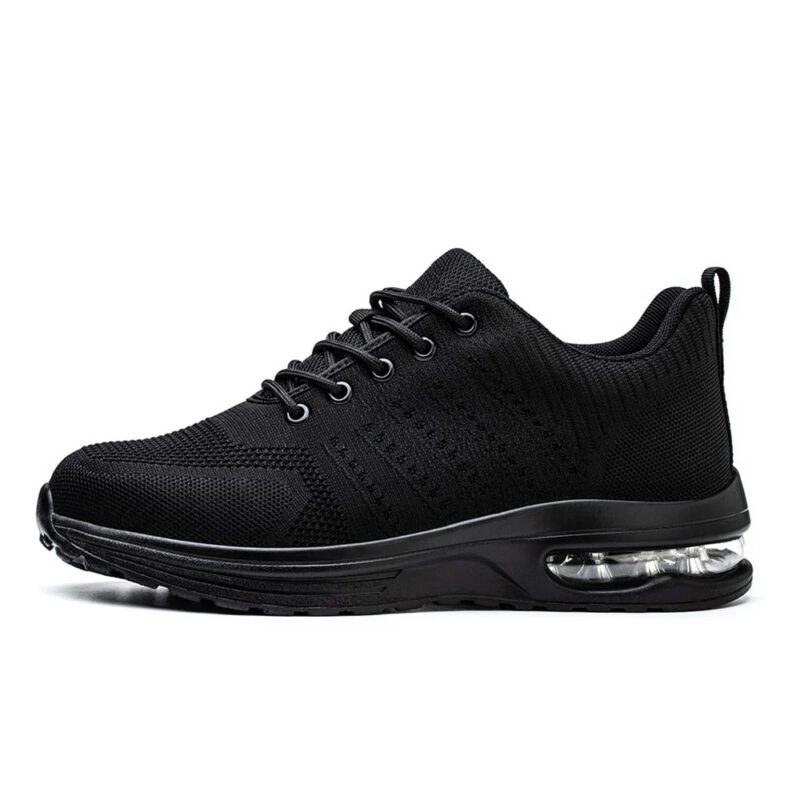
Recommended features: Athletic-style work shoes offer comfort for warehouse workers. Composite toes pass through metal detectors. Breathable materials prevent overheating in climate-controlled facilities.
Electrical Work
Electricians require specialized protection:
- ASTM F2413-18 EH rating (18,000 ohms minimum resistance)
- Non-conductive materials throughout construction
- Composite or carbon fiber toes
- Rubber or synthetic outsoles
- No exposed metal hardware
Recommended features: Insulated boots protect in both dry and damp conditions. Look for secondary EH ratings and avoid boots with metal shanks or puncture plates.
Welding and Hot Work
Welders face unique hazards from sparks, molten metal, and heat:
- Full-grain leather uppers (minimum 6-inch height)
- Heat-resistant soles
- Metatarsal guards
- No laces or minimal hardware (catching hazard)
- External heat shield patches
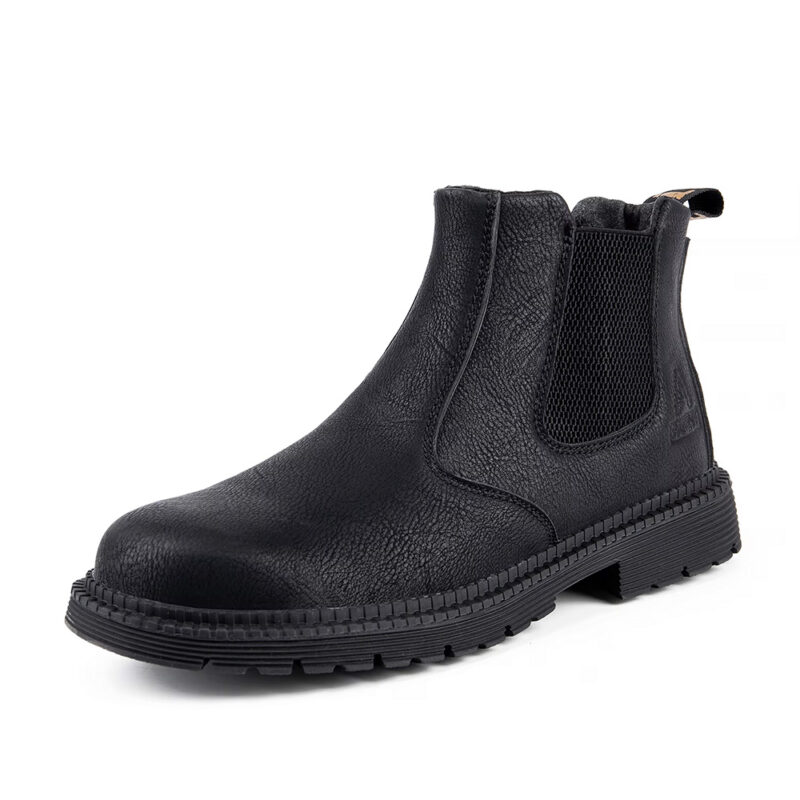
Recommended features: Pull-on or side-zip boots prevent spark entry. Leather quality matters more than insulation. Choose smooth leather without perforations or mesh panels.
Work Boot Comparison Table
| Feature | Steel Toe | Composite Toe | Soft Toe | Alloy Toe |
|---|---|---|---|---|
| Weight | Heavy (4-5 lbs) | Medium (3-4 lbs) | Light (2-3 lbs) | Medium (3.5-4 lbs) |
| Protection Level | Maximum | High | Minimal | High |
| Temperature Transfer | High | None | None | Low |
| Metal Detector Safe | No | Yes | Yes | No |
| Cost Range | $100-250 | $120-300 | $60-150 | $130-280 |
| Durability | Excellent | Very Good | Good | Very Good |
| Toe Box Space | Smallest | Largest | Most Natural | Medium |
When your workday involves heavy machinery, falling objects, and unforgiving terrain, the Birks Defender Kevlar Steel Toe Safety Work Boots stand ready to protect you through it all. These boots deliver the exceptional durability, reliable protection, and all-day comfort you need to tackle any challenge and get the job done right, every single time.
Fit and Sizing Guidelines
Proper fit prevents blisters, fatigue, and injuries. Work boots should fit differently than casual shoes.
Measuring Your Feet
- Measure feet at the end of your shift. Feet swell during work days.
- Measure both feet while standing. Use the larger foot measurement.
- Measure length from heel to longest toe.
- Measure width at the ball of the foot.
Fit Checkpoints
- Toe room: Half-inch space between longest toe and boot end
- Width: Boot shouldn’t pinch at the widest part of your foot
- Heel slip: Quarter-inch movement is acceptable in new boots
- Arch support: Boot arch should match your foot arch
- Ankle flex: Boot should bend at the ball of your foot, not mid-foot
Work boot sizes run larger than athletic shoes. Order a half-size down from your sneaker size as a starting point.
Break-In Period
Quality work boots require 1-2 weeks to break in properly. Leather softens and molds to your foot shape during this time.
Accelerate break-in by:
- Wearing boots for short periods initially
- Applying leather conditioner to stiff areas
- Using boot stretchers for tight spots
- Wearing thicker socks during the first week
Essential Maintenance Practices
Proper care extends boot life from 1 year to 5+ years.
Daily Maintenance
- Remove debris from treads with a brush
- Wipe leather with a damp cloth
- Air dry boots completely before next use
- Remove insoles to air separately
- Loosen laces fully for interior drying
Weekly Maintenance
- Clean with saddle soap or leather cleaner
- Apply leather conditioner to prevent cracking
- Check stitching for loose threads
- Inspect soles for excessive wear
- Replace worn laces immediately
Monthly Maintenance
- Apply waterproofing treatment
- Check for sole separation
- Examine safety toe integrity
- Replace insoles if compressed
- Treat with mink oil in winter months
Storage Guidelines
Store work boots in a cool, dry location. Avoid direct sunlight and heat sources. Use boot trees or crumpled newspaper to maintain shape. Don’t store wet boots in enclosed spaces.
Insole and Sock Combinations
Factory insoles provide minimal support. Upgrade insoles based on your work conditions.
Memory foam insoles offer immediate comfort but compress quickly under heavy use. Replace every 3-4 months.
Polyurethane insoles provide firm support with longer life. These suit concrete floors and extended standing. Replace every 6-8 months.
Gel insoles absorb impact in high-activity jobs. They add cushioning without excessive thickness. Replace every 4-6 months.
Custom orthotics address specific foot problems. A podiatrist creates these based on your foot structure and gait pattern.
Sock Selection
Work boot socks should contain:
- 60-80% merino wool or synthetic moisture-wicking fibers
- 15-25% nylon for durability
- 5-15% spandex for fit
Avoid cotton socks. Cotton retains moisture and causes blisters. Merino wool regulates temperature in both hot and cold conditions.
Budget Considerations
Work boots range from $60 to $400. Price reflects materials, construction methods, and durability.
Entry level ($60-120): Cement construction, basic leather, minimal features. These last 6-12 months with daily use. Suitable for light-duty or occasional work.
Mid-range ($120-220): Better leather quality, Goodyear welt or direct attach construction, safety certifications, waterproofing. Expect 1-3 years of service.
Premium ($220-400): Full-grain leather, Goodyear welt construction, advanced waterproofing, superior comfort features. These boots last 3-5+ years with resoling options.
Calculate cost per wear. A $300 boot lasting 4 years with daily use costs $0.20 per day. A $80 boot lasting 8 months costs $0.33 per day.
Selection Steps Summary
Follow this process to find your best work boot:
- Identify required safety certifications for your job site. Check with your employer or safety manager.
- Determine environmental conditions. Consider temperature, moisture, chemicals, and electrical hazards.
- Measure both feet at the end of a work day. Note length and width for each foot.
- Try multiple brands and styles. Work boot fit varies significantly between manufacturers.
- Test for proper fit using the checkpoints above. Walk on inclined surfaces and stairs.
- Start with one pair. Wear new boots for short periods before committing to heavy use.
- Establish a maintenance routine immediately. Clean and condition boots after the first wearing.
Your best work boot balances safety requirements, job demands, comfort needs, and budget constraints. A proper fit matters more than brand names or advanced features. Invest time in finding boots that protect your feet while supporting your work performance.
When your workday involves heavy machinery, falling objects, and unforgiving terrain, the Birks Defender Kevlar Steel Toe Safety Work Boots stand ready to protect you through it all. These boots deliver the exceptional durability, reliable protection, and all-day comfort you need to tackle any challenge and get the job done right, every single time.