Are Work Boots Good for Snow?

Work Boots Can Handle Snow With the Right Features
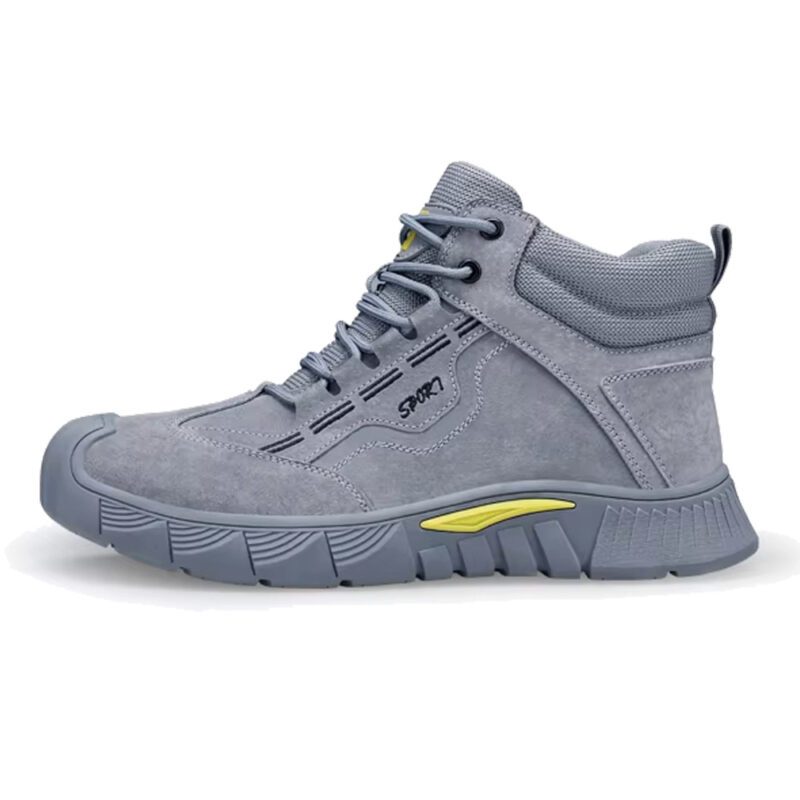
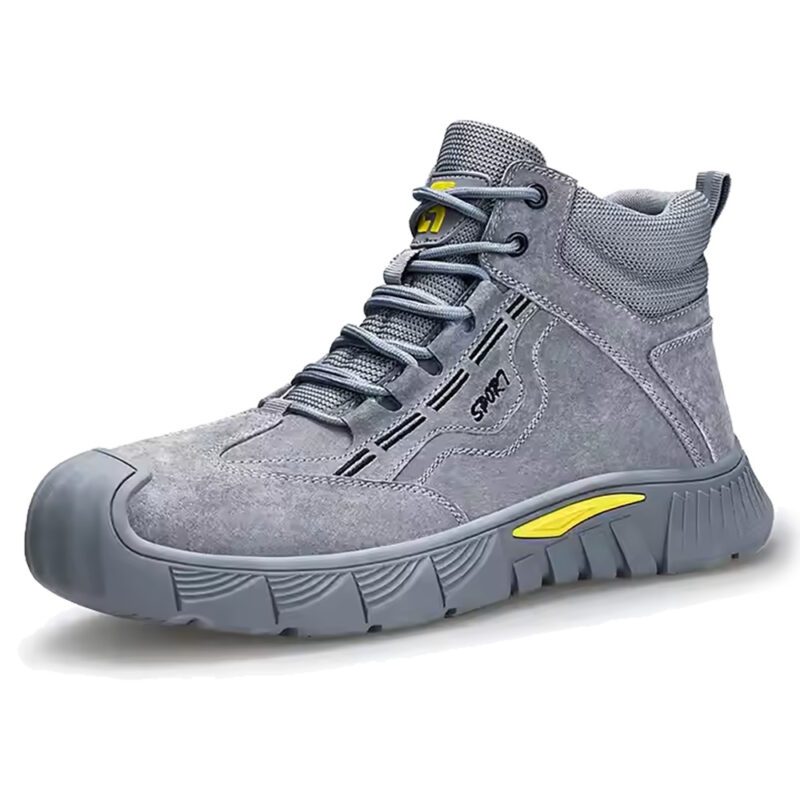
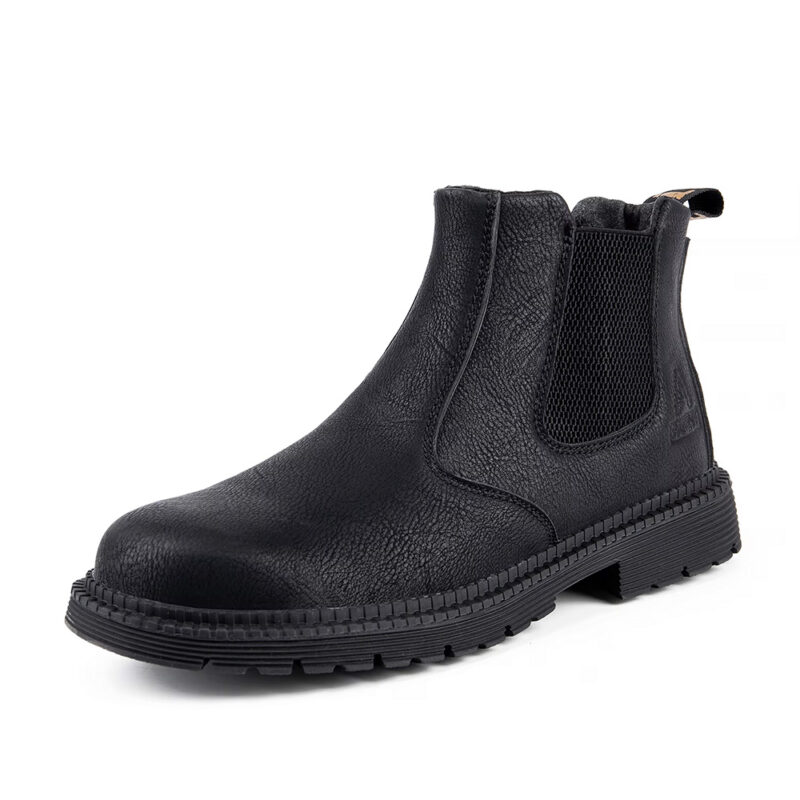
Work boots perform well in snow when they have specific winter-ready features. Standard work boots lack the insulation and waterproofing needed for extended cold exposure. However, many work boot models include insulated linings, waterproof membranes, and aggressive tread patterns that make them suitable for snowy conditions.
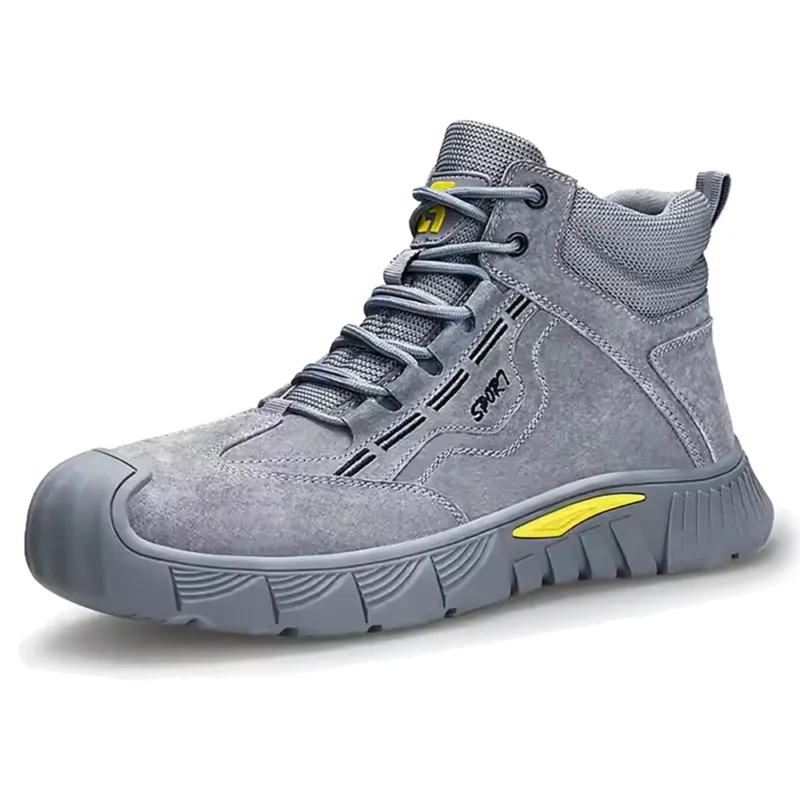
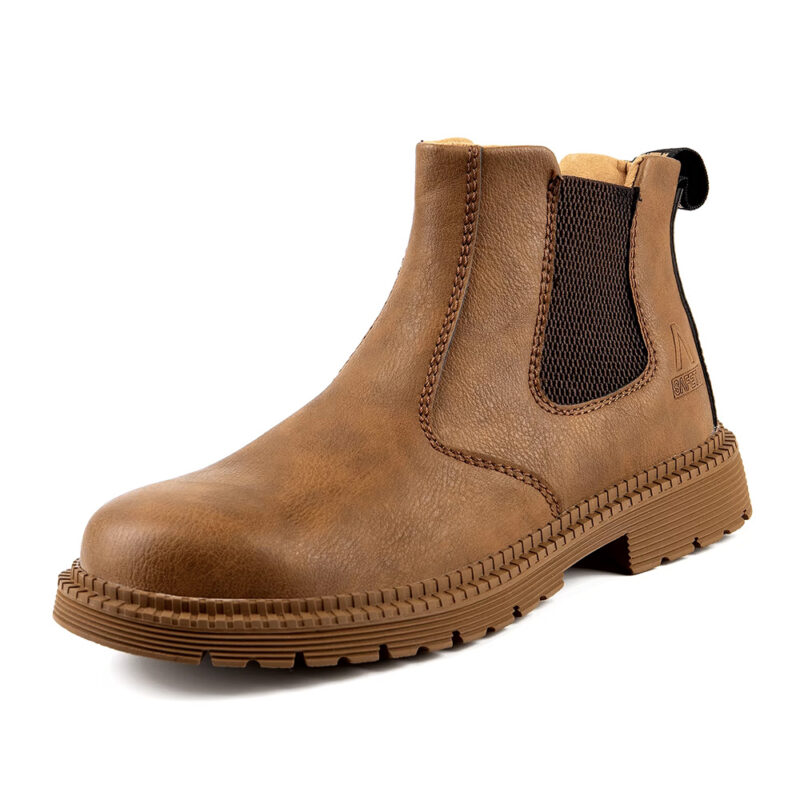
When your workday involves heavy machinery, falling objects, and unforgiving terrain, the Birks Defender Kevlar Steel Toe Safety Work Boots stand ready to protect you through it all. These boots deliver the exceptional durability, reliable protection, and all-day comfort you need to tackle any challenge and get the job done right, every single time.
The key difference lies in construction. Work boots built for winter use feature sealed seams, insulated footbeds, and materials that resist cold transfer. These boots maintain warmth while providing the same toe protection and ankle support found in regular work boots.
The Evolution of Cold-Weather Work Footwear
Work boots designed for snow emerged from practical necessity. Loggers, construction workers, and utility crews needed footwear that protected against both workplace hazards and winter weather. Early versions simply added rubber overshoes to standard leather boots.
The 1960s brought Thinsulate insulation, which changed cold-weather boot design. This synthetic material provided warmth without bulk. Manufacturers could now build boots that kept feet warm without restricting movement.
Gore-Tex membranes arrived in the 1970s, solving the waterproofing challenge. This breathable barrier kept water out while allowing sweat vapor to escape. Workers could stay dry in wet snow without their feet overheating.
Modern work boots combine these technologies with improved materials. Today’s snow-capable work boots use synthetic insulation rated by grams, waterproof leather treatments, and rubber compounds that stay flexible in freezing temperatures.
Essential Features for Snow Performance
Insulation Standards
Work boots use gram ratings to measure insulation thickness. The rating indicates how many grams of insulation exist per square meter of boot material.
Insulation levels:
- 200 grams: Light activity in moderate cold (30-40°F)
- 400 grams: General winter use with moderate activity (10-30°F)
- 600 grams: Cold conditions with limited movement (0-20°F)
- 800+ grams: Extreme cold or stationary work (below 0°F)
Higher insulation provides more warmth but reduces breathability. Choose based on your activity level and typical temperatures.
Waterproofing Technology
Snow melts on contact with body heat. Work boots need waterproof barriers to prevent moisture from reaching your feet.
Waterproofing methods:
- Membrane systems (Gore-Tex, eVent): Bonded layers that block water molecules while allowing vapor transfer
- Treated leather: Full-grain leather with silicone or oil treatments that repel water
- Rubber coating: Vulcanized rubber applied to leather or fabric uppers
- Sealed seams: Taped or sealed stitching that prevents water entry at joints
Membrane systems offer the best combination of waterproofing and breathability. Treated leather works well for light snow but requires regular maintenance.
Traction Systems
Snow and ice demand aggressive tread patterns and specialized rubber compounds.
Effective traction features:
- Deep lugs (7mm or deeper): Create channels that bite into snow
- Multi-directional patterns: Provide grip during forward movement and lateral shifts
- Heel brake designs: Add stopping power on slopes
- Winter rubber compounds: Maintain flexibility below freezing (rated to -40°F or lower)
Some manufacturers add carbide studs or metal spikes for ice traction. These work well on frozen surfaces but can damage indoor flooring.
Work Boot Types and Snow Capability Comparison
| Boot Type | Insulation | Waterproofing | Traction | Best Snow Conditions |
|---|---|---|---|---|
| Standard Work Boot | None | Water-resistant only | Moderate | Dry, light snow |
| Insulated Work Boot | 400-600g | Full waterproof membrane | Good | Wet snow, moderate cold |
| Winter Work Boot | 800g+ | Sealed waterproof construction | Excellent | Deep snow, extreme cold |
| Pac Boot | 1000g+ | Rubber lower/leather upper | Superior | Standing water, severe cold |
| Logger Boot | 200-400g | Treated leather | Very good | Wet conditions, varied terrain |
How Work Boots Compare to Dedicated Snow Boots
Work boots offer distinct advantages over consumer snow boots in certain scenarios. The steel or composite toe protection shields against falling objects and compression. The ankle support prevents rolled ankles on uneven, snow-covered ground. The puncture-resistant midsoles protect against hidden hazards beneath snow.
Snow boots prioritize warmth and waterproofing above all else. They use softer materials and lack safety certifications. Work boots must meet ASTM F2413 standards for impact and compression resistance.
The trade-off appears in weight and flexibility. Work boots weigh more due to safety features. Snow boots bend more easily and feel lighter during casual wear.
Choose work boots for snow when you need:
- Safety toe protection
- All-day wear on job sites
- Electrical hazard protection
- Durability for rough terrain
- Professional appearance requirements
Choose dedicated snow boots when you need:
- Maximum warmth for minimal activity
- Lightweight comfort for walking
- Easy on-and-off design
- Lower cost for occasional use
Maintaining Work Boots for Snow Performance
Pre-Season Preparation
Clean boots thoroughly before applying treatments. Remove dirt and old conditioner with a stiff brush and mild soap. Let boots dry completely at room temperature.
Apply waterproofing treatments appropriate for your boot material:
- Silicone sprays: For synthetic materials and textile uppers
- Mink oil or beeswax: For full-grain leather
- Specific membrane cleaners: For Gore-Tex and similar materials
Treat boots 24 hours before first use. Apply two light coats rather than one heavy coat.
During-Season Care
Snow contains salt and chemicals that damage boot materials. Wipe boots clean after each use. Remove caked snow immediately to prevent moisture absorption.
Weekly maintenance steps:
- Remove insoles and air them separately
- Brush away dried salt deposits
- Wipe leather with damp cloth
- Apply conditioner to prevent cracking
- Check laces for fraying or ice damage
Replace laces at first sign of wear. Broken laces in cold weather create safety hazards.
Storage Requirements
Store work boots in a cool, dry location. Avoid heat sources that can crack leather or melt adhesives. Use boot trees or crumpled newspaper to maintain shape and absorb residual moisture.
Apply a final waterproofing treatment before storage. This prevents leather from drying out during off-season months.
When your workday involves heavy machinery, falling objects, and unforgiving terrain, the Birks Defender Kevlar Steel Toe Safety Work Boots stand ready to protect you through it all. These boots deliver the exceptional durability, reliable protection, and all-day comfort you need to tackle any challenge and get the job done right, every single time.
Safety Considerations for Work Boots in Snow
Temperature Ratings
Manufacturers provide temperature ratings based on stationary testing. Real-world performance varies with activity level and personal circulation.
Expect actual warmth to drop 10-15 degrees below the rated temperature during active work. Factor in wind chill, which accelerates heat loss through boot materials.
Break-In Period
New work boots require break-in time before use in challenging conditions. Stiff leather can create pressure points that reduce circulation. Poor circulation leads to cold feet regardless of insulation.
Wear new boots for short periods indoors first. Gradually increase wear time over two weeks. This process shapes the boot to your foot and softens materials.
Electrical Hazard Protection
Many work boots carry EH ratings for electrical hazard protection. This feature becomes critical on job sites with snow-covered equipment and power lines.
EH-rated boots provide secondary protection against electrical shock. The rubber outsole resists electrical current flow. However, wet conditions reduce this protection.
Inspect outsoles regularly for cracks or excessive wear. Damaged soles compromise electrical safety. Replace boots when outsole tread depth falls below 3mm.
Selecting the Right Work Boots for Your Snow Conditions
Step 1: Assess Your Work Environment
Document typical conditions during winter months. Record average temperatures, snowfall amounts, and time spent outdoors versus indoors.
Consider these factors:
- Daily temperature range
- Hours per day in snow
- Activity level (stationary, moderate, high)
- Terrain type (flat, sloped, obstacles)
- Indoor/outdoor transition frequency
Step 2: Determine Required Safety Features
Match boot specifications to your workplace hazards. Check your employer’s PPE requirements for mandatory certifications.
Common safety requirements:
- ASTM F2413-18 M I/75 C/75: Impact and compression protection (most common)
- ASTM F2413-18 EH: Electrical hazard protection
- ASTM F2413-18 PR: Puncture resistance
- ASTM F2413-18 MT: Metatarsal protection
Step 3: Calculate Insulation Needs
Use this formula as a starting point:
Base temperature (your typical low) + Activity adjustment (add 10°F for high activity, subtract 10°F for stationary work) = Target comfort temperature
Match this target to insulation levels:
- Above 30°F: 200-400 grams
- 10-30°F: 400-600 grams
- Below 10°F: 800+ grams
Step 4: Evaluate Fit and Sizing
Work boots should fit with heavy wool socks. Your toes should not touch the front when standing. Leave roughly half an inch of space to prevent pressure during downhill walking.
Width matters in cold weather. Tight boots restrict blood flow and cause cold feet. Try boots in the afternoon when feet are slightly swollen.
Step 5: Test Traction Systems
Check outsole patterns before purchase. Look for:
- Lug depth of 7mm minimum
- Spacing between lugs that allows snow to compress and release
- Heel patterns that differ from forefoot patterns
- Rubber that flexes when squeezed
Avoid smooth or shallow patterns. These fail on ice and packed snow.
Common Problems and Solutions
Cold Toes Despite Insulation
Cause: Boots too tight, restricting circulation.
Solution: Size up by half a size. Wear thinner socks to allow blood flow. Check if laces are tied too tight across the instep.
Wet Feet After Short Exposure
Cause: Compromised waterproofing or inadequate coverage.
Solution: Reapply waterproofing treatment. Check for cracks in leather or damaged seams. Consider boots with taller shafts for deep snow.
Slipping on Ice
Cause: Worn tread or inappropriate rubber compound.
Solution: Replace boots when tread depth falls below 5mm. Add ice cleats for temporary improvement. Choose boots with winter-specific rubber compounds.
Sweaty Feet Leading to Cold
Cause: Over-insulation for activity level or poor breathability.
Solution: Select boots with lower insulation rating. Choose membrane-based waterproofing. Change socks mid-day if working long shifts.
The Bottom Line on Work Boots for Snow
Work boots handle snow effectively when properly selected and maintained. The right combination of insulation, waterproofing, and traction makes work boots suitable for winter conditions while maintaining safety protection.
Success depends on matching boot specifications to your specific environment. A 400-gram insulated boot with a waterproof membrane works for most winter work scenarios. Add more insulation for extreme cold or stationary work. Prioritize aggressive tread patterns for icy conditions.
Regular maintenance extends boot life and preserves winter performance. Clean boots after each use, treat leather monthly, and store properly during off-season. Replace boots when insulation compresses, waterproofing fails, or tread depth drops below safe levels.
Work boots cost more than casual snow boots but provide better value for workers. The safety features, durability, and all-day comfort justify the higher price. A quality pair of winter work boots lasts 2-3 seasons with proper care, while providing protection that dedicated snow boots cannot match.
When your workday involves heavy machinery, falling objects, and unforgiving terrain, the Birks Defender Kevlar Steel Toe Safety Work Boots stand ready to protect you through it all. These boots deliver the exceptional durability, reliable protection, and all-day comfort you need to tackle any challenge and get the job done right, every single time.