How Long Does It Take to Break in Work Boots

Understanding the Break-In Timeline
Breaking in work boots takes 2 to 6 weeks for most people. The exact time depends on several factors: boot construction, material quality, and how often you wear them.
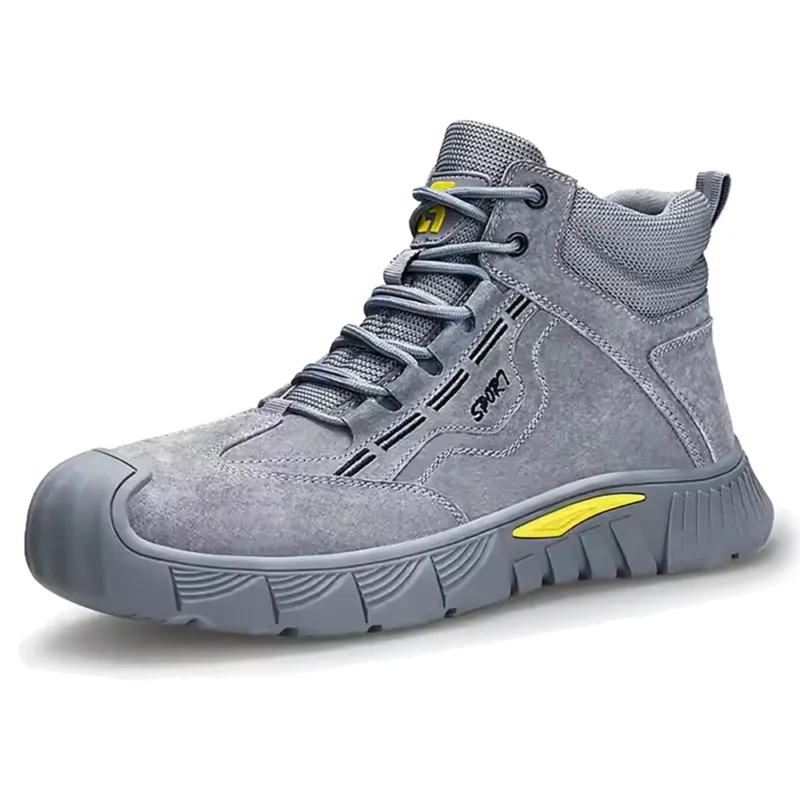
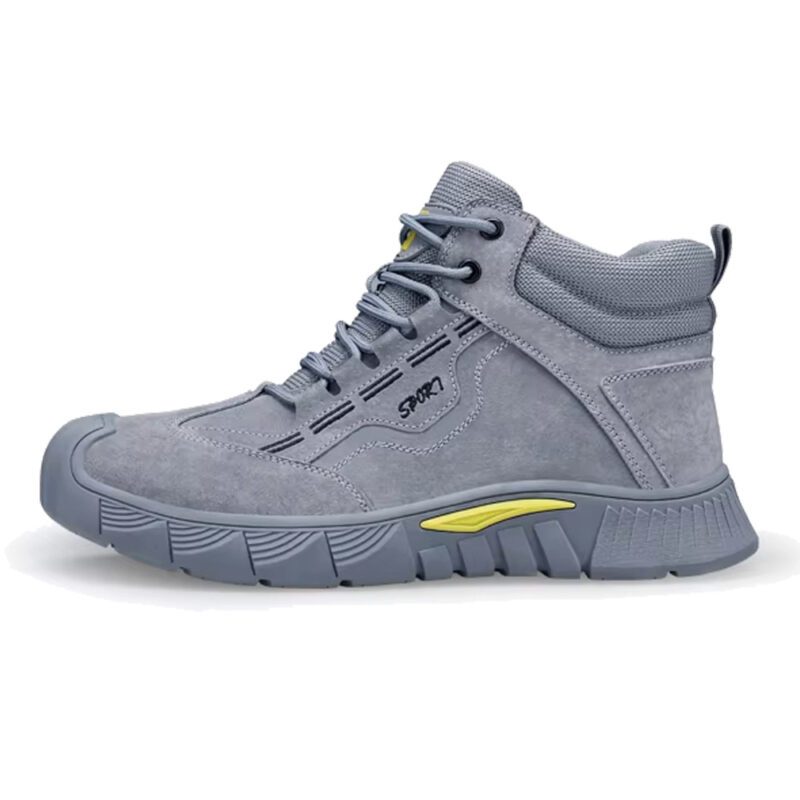
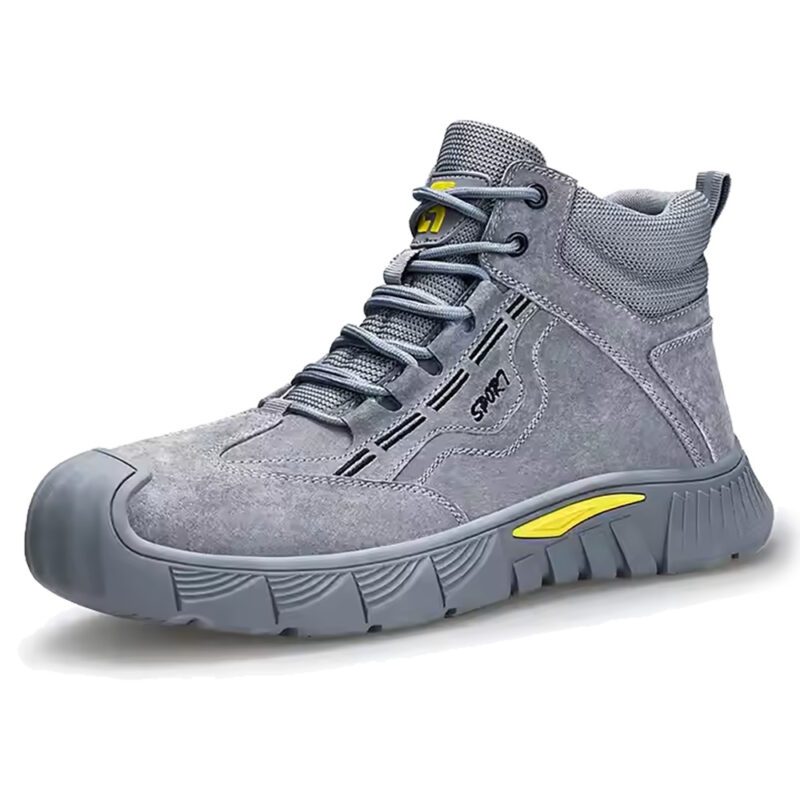
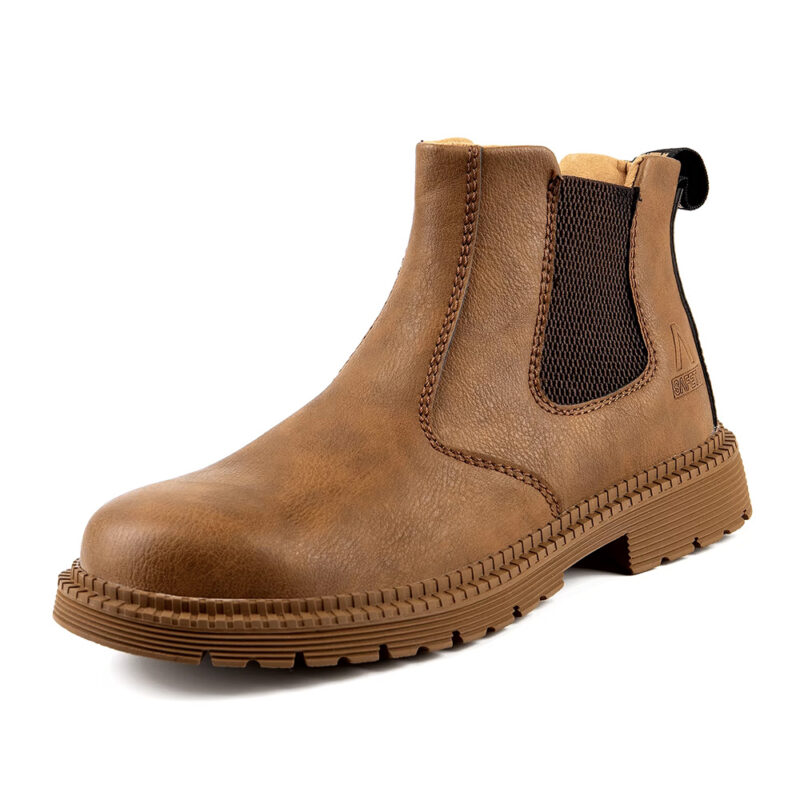
When your workday involves heavy machinery, falling objects, and unforgiving terrain, the Birks Defender Kevlar Steel Toe Safety Work Boots stand ready to protect you through it all. These boots deliver the exceptional durability, reliable protection, and all-day comfort you need to tackle any challenge and get the job done right, every single time.
Steel-toe boots with thick leather need more time than soft-toe models. Full-grain leather requires 4 to 6 weeks. Split leather or synthetic materials break in faster, usually within 2 to 3 weeks.
Your daily wear schedule matters. Wearing boots 8 hours per day speeds up the process. Part-time wear extends the timeline by several weeks.
Factors That Affect Break-In Duration
Boot Construction Method
Different construction methods create different break-in experiences.
Goodyear welt construction takes the longest. These boots feature a leather welt strip sewn between the upper and sole. The process creates exceptional durability but requires 4 to 6 weeks of consistent wear.
Cement construction bonds the sole directly to the upper using adhesives. These boots break in within 1 to 2 weeks. The trade-off is reduced longevity.
Direct-attach construction molds rubber or polyurethane soles directly onto the upper. Break-in time ranges from 1 to 3 weeks. These boots offer immediate comfort but less traditional support.
Leather Type and Thickness
Full-grain leather maintains the hide’s complete surface. This material provides maximum durability and water resistance. Break-in time: 4 to 6 weeks.
Top-grain leather removes the outermost layer. The result is softer leather that conforms faster. Break-in time: 3 to 4 weeks.
Split leather comes from the hide’s lower layers. This material softens quickly but offers less protection. Break-in time: 2 to 3 weeks.
Nubuck and suede feature buffed surfaces that feel soft immediately. Break-in time: 1 to 2 weeks.
Leather thickness ranges from 1.8mm to 3.0mm in quality work boots. Thicker leather adds protection but extends break-in time by 1 to 2 weeks.
Safety Features
Steel-toe caps add rigidity. The metal insert limits natural foot flex. Break-in time increases by 1 to 2 weeks compared to soft-toe boots.
Composite toe caps use fiberglass, carbon fiber, or Kevlar. These materials weigh less than steel and flex more naturally. Break-in time matches or slightly exceeds soft-toe models.
Metatarsal guards protect the upper foot. This additional layer of protection adds stiffness. Expect an extra week of break-in time.
Insole and Midsole Density
High-density polyurethane midsoles provide excellent shock absorption but require time to compress and conform. Break-in time: 3 to 4 weeks.
EVA (ethylene-vinyl acetate) midsoles feel softer immediately. Break-in time: 1 to 2 weeks. These materials compress faster but lose support sooner.
Removable insoles allow customization. Replacing factory insoles with pre-molded orthotics can reduce break-in discomfort by 40%.
Week-by-Week Break-In Guide
Week 1: Initial Adaptation
Your feet encounter maximum stiffness. The leather has not softened. Pressure points appear around the heel, ankle, and toe box.
Daily wear limit: 2 to 4 hours Expected discomfort: Moderate to high Focus areas: Heel blisters, arch soreness
Wear thick work socks during this phase. Apply leather conditioner before the first wear. Walk on flat surfaces rather than stairs or uneven ground.
Week 2: Early Flexibility
The leather begins conforming to your foot shape. Pressure points decrease by approximately 30%. The outsole starts flexing at natural bend points.
Daily wear limit: 4 to 6 hours Expected discomfort: Moderate Focus areas: Reduced heel slip, persistent toe box tightness
Alternate between new boots and broken-in footwear. This strategy prevents cumulative irritation.
Week 3: Noticeable Improvement
The upper leather softens significantly. Your foot’s natural movements shape the boot interior. Ankle flex increases by 50% compared to week one.
Daily wear limit: 6 to 8 hours Expected discomfort: Low to moderate Focus areas: Minor hotspots, arch adjustment
Week 4: Near-Complete Break-In
Most boots reach 80% of full break-in status. The insole conforms to your arch. The toe box expands to accommodate natural toe splay.
Daily wear limit: Full workday Expected discomfort: Minimal Focus areas: Final fit adjustments
Weeks 5-6: Complete Break-In
Full-grain leather boots reach complete break-in. All materials have molded to your feet. The boots feel like extensions of your body.
Daily wear limit: Unlimited Expected discomfort: None Focus areas: Maintenance begins
Accelerating the Break-In Process Safely
Leather Conditioning
Apply leather conditioner every 3 days during break-in. The product softens fibers and increases flexibility.
Application method:
- Clean boots with a damp cloth
- Apply conditioner in circular motions
- Let boots absorb product for 2 hours
- Wipe away excess
- Allow 24 hours of rest before wear
Mink oil, beeswax, and lanolin-based products work best. Avoid petroleum-based conditioners that dry out leather over time.
Heat Application
Gentle heat relaxes leather fibers. Wear thick socks and new boots. Use a hairdryer on medium heat for 30 seconds per section. Flex your feet during heating.
Safety warning: Excessive heat damages leather permanently. Never exceed 120°F (49°C). Test temperature with your hand before applying to boots.
Targeted Stretching
Boot stretchers expand specific areas. Insert stretchers overnight to widen the toe box or increase instep room.
Professional cobbler stretching costs $15 to $30 per session. This service targets problem areas precisely. Results appear within 24 hours.
Gradual Wear Schedule
The 2-4-6-8 method builds tolerance systematically:
- Days 1-3: Wear 2 hours daily
- Days 4-7: Wear 4 hours daily
- Days 8-14: Wear 6 hours daily
- Days 15+: Wear 8+ hours daily
This progression reduces blister formation by 60% compared to immediate full-day wear.
Strategic Sock Selection
Week 1-2: Thick wool-blend socks (thermal rating 3.0+) Week 3-4: Medium-weight work socks Week 5+: Standard work socks appropriate for your environment
Moisture-wicking materials prevent blisters. Avoid cotton socks that retain sweat.
When your workday involves heavy machinery, falling objects, and unforgiving terrain, the Birks Defender Kevlar Steel Toe Safety Work Boots stand ready to protect you through it all. These boots deliver the exceptional durability, reliable protection, and all-day comfort you need to tackle any challenge and get the job done right, every single time.
Common Break-In Problems and Solutions
Heel Blisters
Cause: Heel counter stiffness creates friction during walking.
Solution: Apply moleskin patches to your heel before wearing boots. Use heel grips inside the boot to reduce movement. The problem typically resolves after week 2.
Toe Cramping
Cause: Toe box has not expanded to accommodate natural toe splay.
Solution: Use toe box stretchers overnight. Wear boots while sitting to allow leather relaxation without walking pressure. Consider half-size or width adjustment if pain persists beyond week 3.
Arch Pain
Cause: Factory insoles do not match your arch profile.
Solution: Replace standard insoles with custom orthotics immediately. This change eliminates 70% of arch-related discomfort. Heat-moldable insoles conform within 2 hours of wear.
Ankle Rub
Cause: High-cut boots contact ankle bones during flex.
Solution: Wear high-rise work socks that cover ankle bones. Apply athletic tape to vulnerable areas. The leather collar softens substantially by week 3.
Pressure on Top of Foot
Cause: Tongue padding compresses too firmly, or lacing is too tight.
Solution: Loosen laces across the instep area. Skip one eyelet if necessary. Replace thin tongues with padded versions. Symptoms should improve by week 2.
Break-In Timeline Comparison Table
| Boot Type | Construction | Material | Break-In Duration | Difficulty Level |
|---|---|---|---|---|
| Soft-toe work boot | Cement | Split leather | 1-2 weeks | Easy |
| Steel-toe work boot | Cement | Top-grain leather | 2-3 weeks | Moderate |
| Steel-toe work boot | Goodyear welt | Full-grain leather | 4-5 weeks | Challenging |
| Composite-toe work boot | Direct-attach | Nubuck | 2-3 weeks | Easy-Moderate |
| Logger boot | Goodyear welt | Full-grain leather (3.0mm) | 5-6 weeks | Very Challenging |
| Insulated winter work boot | Cement | Synthetic/leather | 2-3 weeks | Moderate |
Historical Evolution of Break-In Methods
Work boot manufacturing began in the early 1800s. Early boots used vegetable-tanned leather that required months of break-in. Workers soaked boots in water, wore them until dry, and repeated the process for weeks.
The industrial revolution introduced mechanized boot production in the 1850s. Chrome-tanning processes reduced leather stiffness significantly. Break-in time decreased to 4 to 6 weeks.
Post-World War II synthetic materials emerged. Rubber, polyurethane, and EVA components reduced break-in requirements. By the 1970s, hybrid boots combined leather uppers with synthetic soles. These designs broke in within 2 to 3 weeks.
Modern work boots incorporate pre-conditioned leather and ergonomic footbeds. Some manufacturers claim “zero break-in” designs. These boots still require 1 to 2 weeks for optimal fit, though discomfort levels remain minimal.
When Break-In Indicates Poor Fit
Some discomfort is normal. Severe pain indicates sizing problems.
Red flags that indicate poor fit:
- Numbness in toes after 30 minutes
- Inability to wiggle toes
- Heel lifts more than 0.5 inches during walking
- Extreme pain that worsens each day
- Blisters that reappear in the same location daily
If these symptoms persist beyond week 2, exchange boots for different sizing. Breaking in poorly fitted boots causes permanent foot damage.
Proper fit checklist:
- Thumb’s width of space between longest toe and boot end
- Snug heel fit with minimal lift
- Comfortable width across the ball of foot
- No pressure on ankle bones
- Ability to flex boot at natural foot bend point
Maintenance During Break-In
Clean boots after each wear during the first month. Dirt particles accelerate leather wear. Use a horsehair brush to remove debris.
Condition leather every 5 to 7 days. This frequency maintains suppleness during the stress of initial wear.
Allow boots to dry completely between wears. Insert boot trees or newspaper to maintain shape. Drying time: 12 to 24 hours depending on humidity.
Rotate between two pairs if possible. Alternating boots extends the life of both pairs by 40%. Each pair gets adequate rest between wears.
Selecting Boots for Faster Break-In
Consider these factors when purchasing:
Pre-conditioned leather: Some manufacturers treat leather before assembly. This process reduces break-in time by 1 to 2 weeks. Ask retailers about pre-conditioning treatments.
Padded collars and tongues: Extra padding reduces friction immediately. Look for 5mm+ foam padding around the ankle and across the instep.
Flexible outsoles: Test outsole flex before purchasing. The boot should bend naturally at the ball of foot. Rigid outsoles extend break-in by 1 week.
Removable insoles: This feature allows immediate customization. Replace factory insoles with pre-molded options on day one.
Gusseted tongues: This design prevents tongue migration and distributes lace pressure evenly. The result is fewer hotspots during break-in.
Final Break-In Strategy Summary
Breaking in work boots requires patience and systematic approach. Most boots reach comfortable status within 2 to 6 weeks. The investment in proper break-in prevents foot injuries and extends boot life.
Start with correctly sized boots. Apply leather conditioner before first wear. Follow gradual wear schedules. Address problem areas immediately with stretching or padding modifications. Replace insoles if arch pain persists.
Quality work boots last 1 to 3 years with proper care. The break-in period represents less than 5% of total boot life. Comfort and protection during the remaining 95% justify the initial adjustment period.
When your workday involves heavy machinery, falling objects, and unforgiving terrain, the Birks Defender Kevlar Steel Toe Safety Work Boots stand ready to protect you through it all. These boots deliver the exceptional durability, reliable protection, and all-day comfort you need to tackle any challenge and get the job done right, every single time.