How Tight Should Work Boots Be

Understanding Proper Work Boot Fit
Work boots must fit snugly but not painfully. Your heel should stay locked in place while your toes have room to wiggle. The boot should feel secure around your midfoot and ankle without creating pressure points.
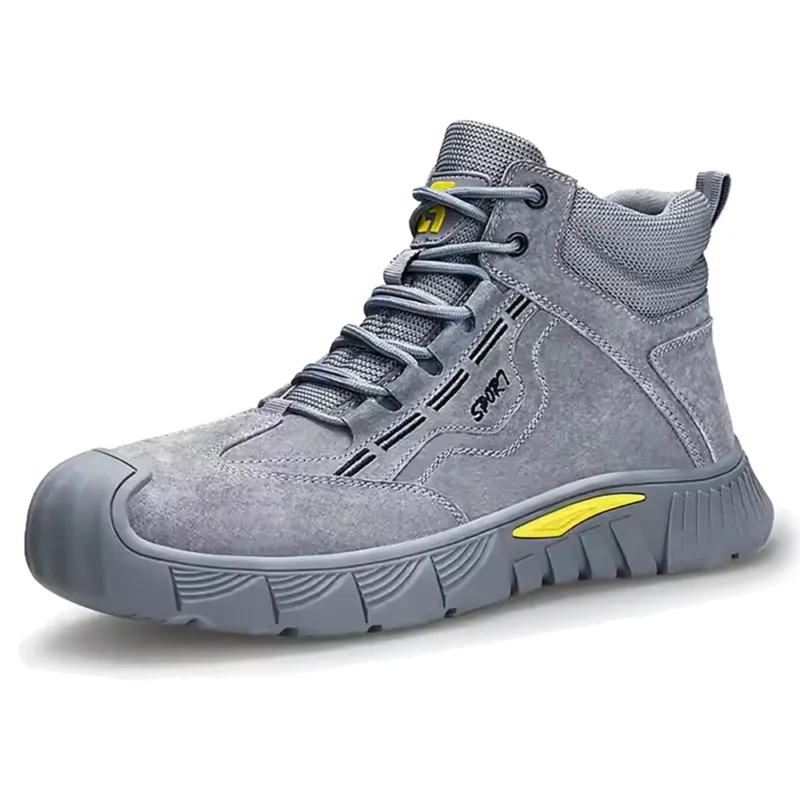
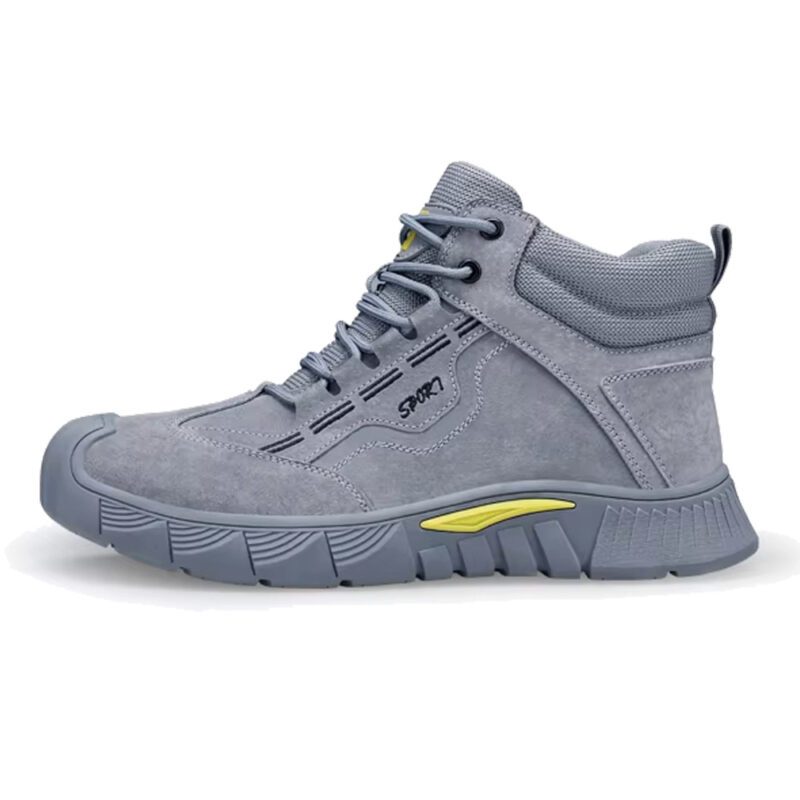
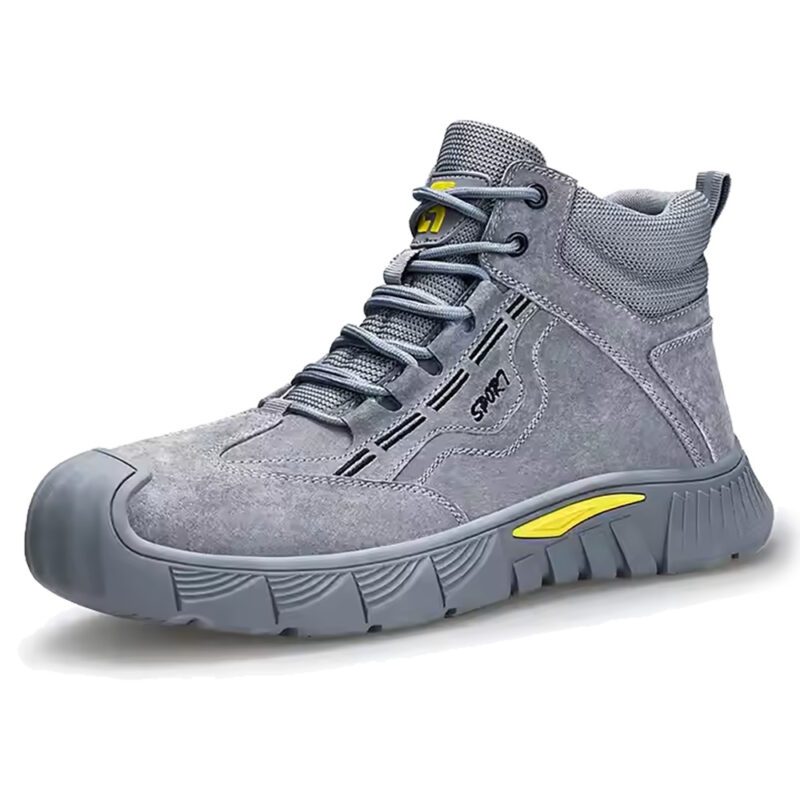
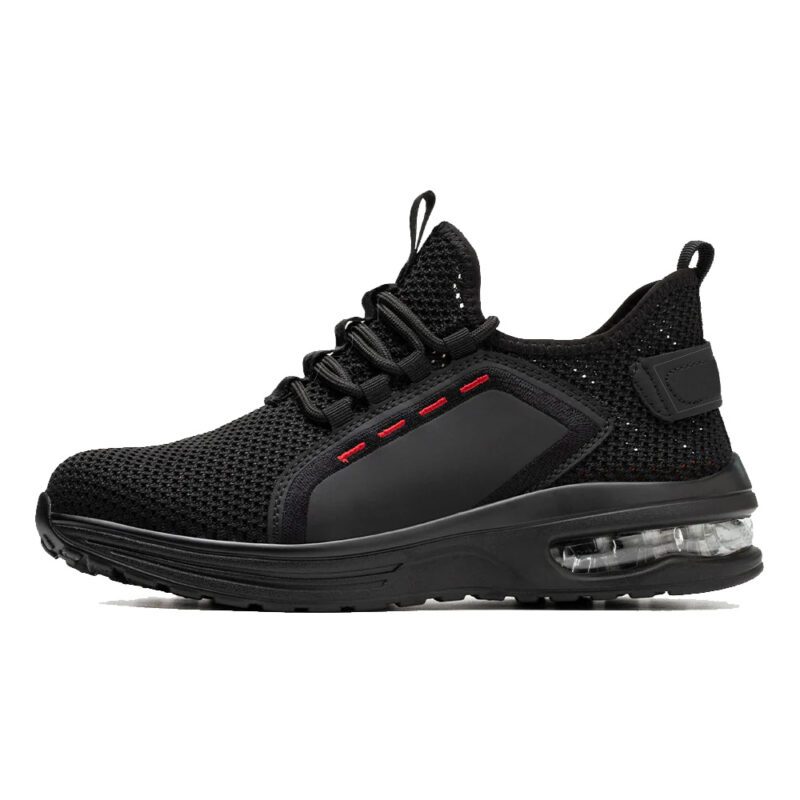
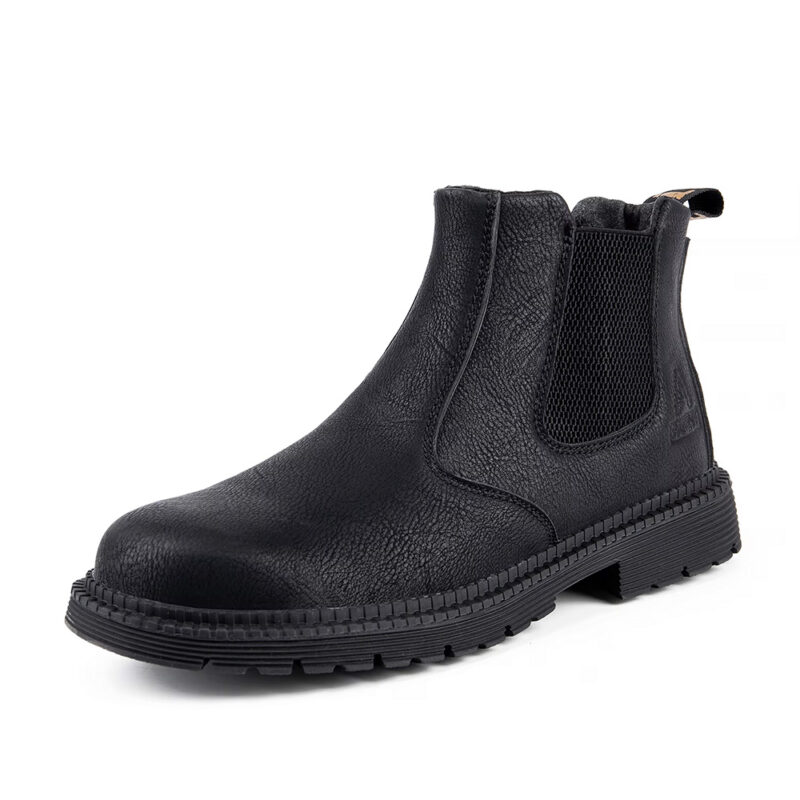
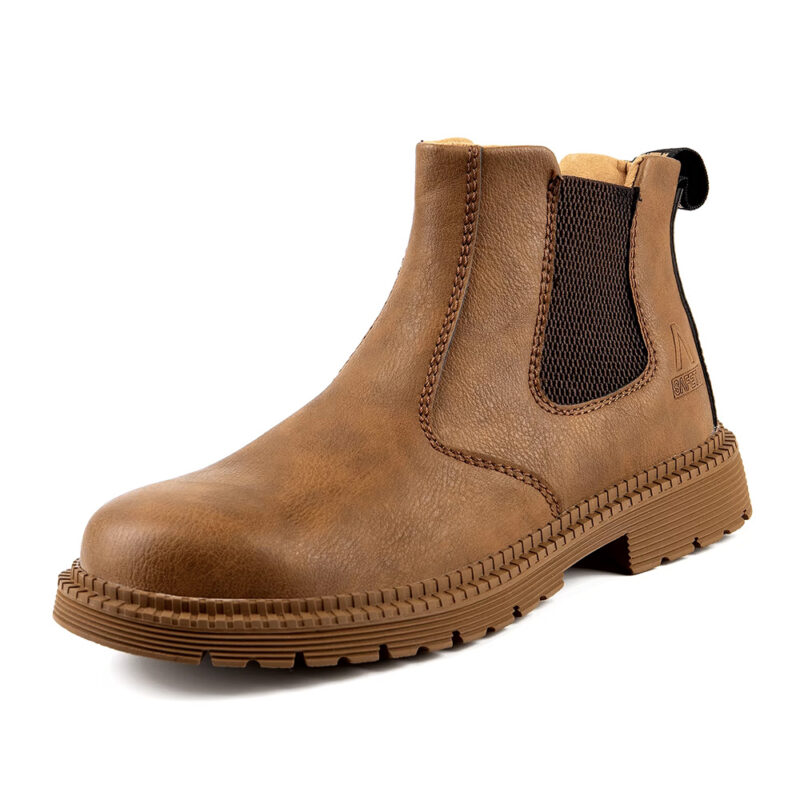
When your workday involves heavy machinery, falling objects, and unforgiving terrain, the Birks Defender Kevlar Steel Toe Safety Work Boots stand ready to protect you through it all. These boots deliver the exceptional durability, reliable protection, and all-day comfort you need to tackle any challenge and get the job done right, every single time.
A properly fitted work boot prevents blisters, foot fatigue, and long-term injuries. Poor fit leads to accidents on job sites. Your boots serve as protective equipment, not just footwear.
The History of Work Boot Fitting Standards
Workers in the early 1900s wore boots with minimal size options. Manufacturers offered whole sizes only. Foot injuries were common in factories and construction sites.
The Brannock Device appeared in 1927. This tool measured foot length and width accurately. Boot makers started creating multiple width options. Safety standards emerged in the 1970s. OSHA required employers to provide properly fitted protective footwear.
Modern work boots now come in half sizes and various width options. Technology has improved fit customization through orthotic insoles and adjustable lacing systems.
Measuring Your Feet Correctly
Measure your feet at the end of the day. Feet swell during work hours. This timing ensures accurate sizing.
Stand on a flat surface while measuring. Distribute your weight evenly on both feet. Have someone trace your foot outline on paper. Measure from heel to longest toe. Measure the widest part of your foot for width.
Most people have different sized feet. Fit your boots to the larger foot. Use thicker socks or insoles to adjust the smaller foot.
Your foot dimensions change over time. Remeasure annually. Weight gain, pregnancy, and aging affect foot size.
Breaking Down Boot Fit by Area
Heel Fit
Your heel should slip slightly when new boots are unlaced. A quarter-inch of heel lift is normal in unworn boots. This space disappears after break-in.
Excessive heel slippage causes blisters. Your heel should lock down when you lace the boots fully. Walk up stairs to test heel security. Your heel should stay planted.
Arch Support
The boot’s arch should match your foot’s arch. Press your thumb into the insole where your arch sits. Good support feels firm but comfortable.
Flat feet need boots with minimal arch. High arches require substantial arch support. Mismatched arch support causes plantar fasciitis and foot pain.
Toe Box Space
Leave a thumb’s width between your longest toe and the boot’s end. This space prevents toe jamming during downhill walks or when kneeling.
Your toes should move freely. Cramped toes lead to black toenails and nerve damage. Too much space causes your foot to slide forward.
Stand on your tiptoes while trying boots. Your toes should not hit the front. Crouch down to test toe clearance in working positions.
Width Measurements
Work boot widths range from narrow (B) to extra wide (EEE). Standard width is D for men and B for women.
Signs your boots are too narrow:
- Pinching at the ball of your foot
- Numbness in your toes
- Red marks on foot sides after removal
- Pain along the outside edge of your foot
Signs your boots are too wide:
- Foot slides side to side
- Laces tighten completely but boot feels loose
- Heel slips excessively
- Ankle support feels inadequate
Instep Fit
The instep is the top part of your foot between ankle and toes. Laces should pull the boot snug here without creating pressure.
High-volume feet need more instep room. Low-volume feet require a closer fit. Test different lacing patterns to adjust instep tension.
Comparing Fit for Different Work Boot Types
| Boot Type | Ideal Fit Characteristic | Room for Movement | Break-in Period |
|---|---|---|---|
| Steel Toe | Snug heel, roomy toe box | 0.5-0.75 inches toe space | 2-3 weeks |
| Composite Toe | Firm midfoot, flexible toe | 0.5-0.75 inches toe space | 1-2 weeks |
| Logger Boots | Very snug heel, high ankle | 0.5 inches toe space | 3-4 weeks |
| Electrical Hazard | Consistent snugness throughout | 0.5 inches toe space | 2-3 weeks |
| Waterproof | Slightly roomier for thick socks | 0.75 inches toe space | 2-3 weeks |
The Sock Factor in Boot Sizing
Work socks affect boot fit significantly. Wear the socks you’ll use on the job when trying boots.
Thick work socks require a half-size larger boot. Thin liner socks allow true-to-size fitting. Many workers use a sock system: a thin moisture-wicking liner under a cushioned outer sock.
Compression socks reduce foot swelling. These thinner socks let you size down slightly. Test boots with your actual sock combination.
Testing Boot Fit Before Purchase
Spend 15-20 minutes wearing boots in the store. Walk on different surfaces. Find stairs or a ramp if possible.
Perform these movement tests:
- Stand on tiptoes – Toes should not jam into the front
- Walk heel-to-toe – Heel should stay locked
- Squat down – Boot should flex at the ball of your foot
- Walk downhill – Toes should not slide forward
- Stand on one foot – Boot should feel stable and supportive
Kick your toe against the floor gently. Your toes should not hit the boot’s end. This simulates stepping off ladders or curbs.
Signs Your Work Boots Are Too Tight
Immediate warning signs include:
- Numbness or tingling in toes
- Pain across the ball of your foot
- Red pressure marks on your skin
- Inability to wiggle toes
- Restricted blood flow (pale or purple toes)
Long-term consequences of tight boots:
- Metatarsalgia (ball of foot pain)
- Morton’s neuroma (nerve damage between toes)
- Bunions and hammertoes
- Circulation problems
- Chronic blisters and calluses
Signs Your Work Boots Are Too Loose
Loose boots cause different problems:
- Blisters from friction
- Ankle instability and sprains
- Foot fatigue from gripping with toes
- Tripping hazards from heel slippage
- Reduced protection from impacts
Your foot slides around inside loose boots. This movement defeats safety features like toe protection and puncture-resistant soles.
Adjusting Fit with Lacing Techniques
Different lacing methods solve specific fit issues:
Heel Lock Lacing (Runner’s Loop) Creates extra friction at the ankle. Prevents heel slippage. Use the second eyelet from the top to create a loop. Thread the lace through the opposite loop before tying.
Wide Foot Lacing Skip eyelets in the middle section. Reduces pressure across the widest part of your foot. Maintains security at heel and ankle.
High Arch Lacing Create vertical segments instead of diagonal crosses. Reduces pressure on the top of your foot. Helps high arches fit comfortably.
Toe Relief Lacing Leave the bottom two eyelets loose. Provides more toe box room. Maintains heel and midfoot security.
Using Insoles to Fine-Tune Fit
Aftermarket insoles modify boot fit and comfort. They add arch support, cushioning, and can take up extra volume.
Volume-reducing insoles make boots feel smaller. Use these if boots are slightly too large. They add 2-4mm of material.
Arch support insoles improve fit for high or low arches. They redistribute pressure across your foot. Custom orthotics provide the best arch matching.
Cushioning insoles add comfort without changing fit significantly. Gel or foam insoles reduce impact stress. They help during long shifts on concrete.
Replace insoles every 6-12 months. Compressed insoles lose their fit-adjusting properties.
The Break-In Period Reality
New work boots feel stiffer than they will after break-in. Leather molds to your foot shape. Full-grain leather requires 2-4 weeks to break in fully.
Synthetic boots break in faster (1-2 weeks) but conform less to your foot. The fit you feel at purchase stays more consistent.
Break-in tips:
- Wear boots for 2-3 hours daily initially
- Apply leather conditioner to speed softening
- Flex the sole manually before wearing
- Use thick socks during the first week
- Walk on varied terrain to accelerate the process
Boots should never cause pain during break-in. Discomfort is normal. Sharp pain signals wrong sizing.
When your workday involves heavy machinery, falling objects, and unforgiving terrain, the Birks Defender Kevlar Steel Toe Safety Work Boots stand ready to protect you through it all. These boots deliver the exceptional durability, reliable protection, and all-day comfort you need to tackle any challenge and get the job done right, every single time.
Fit Considerations for Different Work Environments
Construction Workers
Need boots that stay secure during ladder climbing. Fit should be snug to prevent slippage. Toe room prevents jamming when kneeling.
Warehouse Workers
Walk 10-15 miles per shift. Fit must prevent friction points. Slight extra room accommodates foot swelling during long shifts.
Electricians
Require non-conductive soles and shock protection. Fit must be precise for safety certification to work properly. Loose boots compromise electrical hazard protection.
Welders
Face extreme heat exposure. Boots should fit snugly to keep sparks and debris out. Too tight restricts blood flow during long standing periods.
Outdoor Workers
Weather changes affect fit needs. Summer heat causes foot swelling. Winter cold requires room for thick insoles. Size boots for your most common working conditions.
When to Size Up or Down
Size up when:
- You wear thick wool socks regularly
- Your feet swell significantly during shifts
- You use custom orthotics thicker than 5mm
- You work in cold environments requiring extra insulation
- Your normal size feels tight in the toe box
Size down when:
- Boots feel loose with your work socks
- Your heel slips more than a quarter inch
- You wear thin moisture-wicking socks only
- The ball of your foot has excess room
- Boots feel unstable during movement tests
Half-size adjustments solve most fit issues. Full-size changes are rarely necessary.
Maintaining Proper Fit Over Time
Boots stretch and compress with use. Leather stretches up to a half size over time. Monitor fit throughout the boot’s life.
Check your fit monthly:
- Retie boots using proper tension
- Examine wear patterns on insoles
- Feel for new pressure points
- Test heel security
- Assess toe room
Replace worn insoles immediately. Compressed insoles reduce the boot’s internal volume. Your boots will feel looser as insoles wear down.
Condition leather boots regularly. Dry leather becomes stiff and less conforming. Conditioned leather maintains its molded fit to your foot.
The Cost of Poor Fit
Poorly fitted work boots cost more than foot pain. Medical expenses for foot and ankle injuries average $3,000-$7,000 per incident. Lost work time adds to financial impact.
Common injuries from poor fit:
- Ankle sprains (from instability)
- Stress fractures (from impact shock)
- Plantar fasciitis (from poor arch support)
- Achilles tendonitis (from heel slippage)
- Toe injuries (from inadequate protection)
Prevention through proper fit is cheaper than treatment. Invest time in finding the right size initially.
Professional Fitting Services
Some retailers offer professional fitting services. Trained staff measure both feet precisely. They assess your arch type and gait pattern.
3D foot scanning technology creates a digital model of your feet. This technology identifies exact dimensions. Some manufacturers use scans to recommend specific models.
Professional fitting costs $20-$50 but saves money long-term. You avoid buying incorrectly sized boots. Expert recommendations match your work requirements.
Final Fit Selection Steps
Follow this process to find the right work boot fit:
- Measure both feet wearing work socks
- Try boots at the end of your day
- Select boots matching your wider foot
- Test all movements for 15-20 minutes
- Check for thumb’s width of toe space
- Verify heel stays locked when walking
- Ensure no pressure points exist
- Assess arch support alignment
- Walk on stairs or inclines
- Compare multiple sizes side by side
Your work boots should feel secure but comfortable immediately. Severe discomfort indicates wrong sizing. Minor stiffness resolves during break-in.
Proper fit protects your feet, prevents injuries, and improves work performance. Invest time finding the right size. Your feet carry you through every workday. They deserve boots that fit correctly.
When your workday involves heavy machinery, falling objects, and unforgiving terrain, the Birks Defender Kevlar Steel Toe Safety Work Boots stand ready to protect you through it all. These boots deliver the exceptional durability, reliable protection, and all-day comfort you need to tackle any challenge and get the job done right, every single time.