How to Make Work Boots Smell Better

Why Work Boots Develop Odors
Work boots trap moisture inside. Your feet produce sweat throughout the day. A single foot can release up to half a pint of sweat during an eight-hour shift. This moisture combines with bacteria on your skin. The bacteria multiply in the warm, dark environment. They break down proteins and oils. This process creates the unpleasant smell you notice.
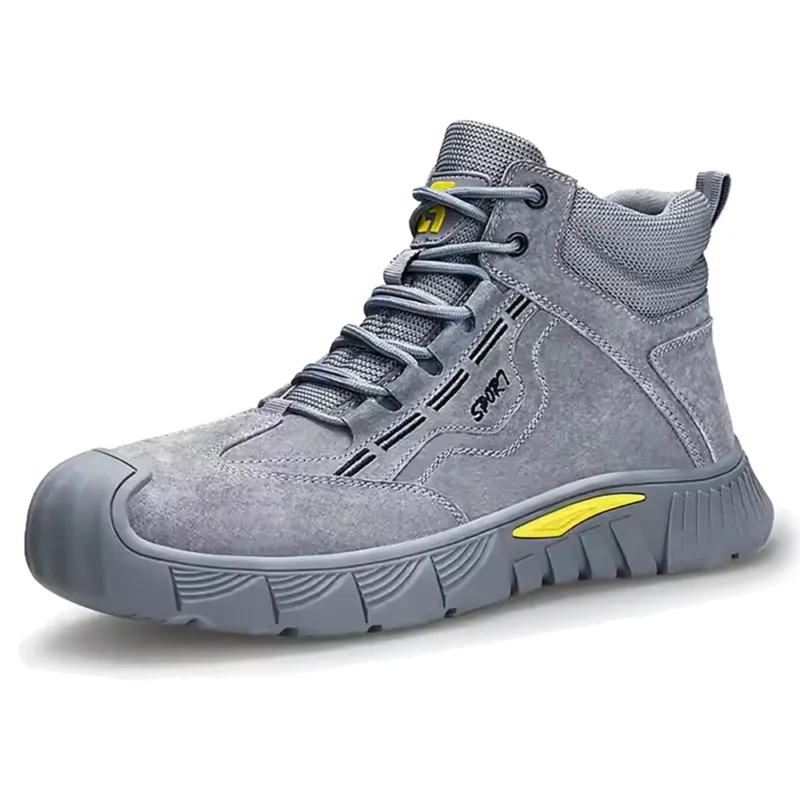
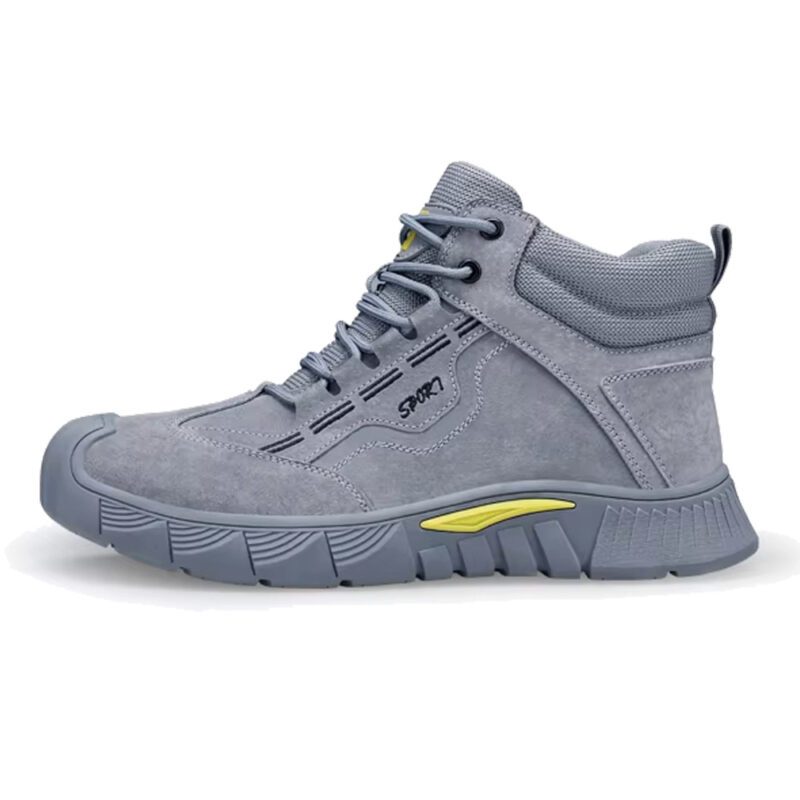
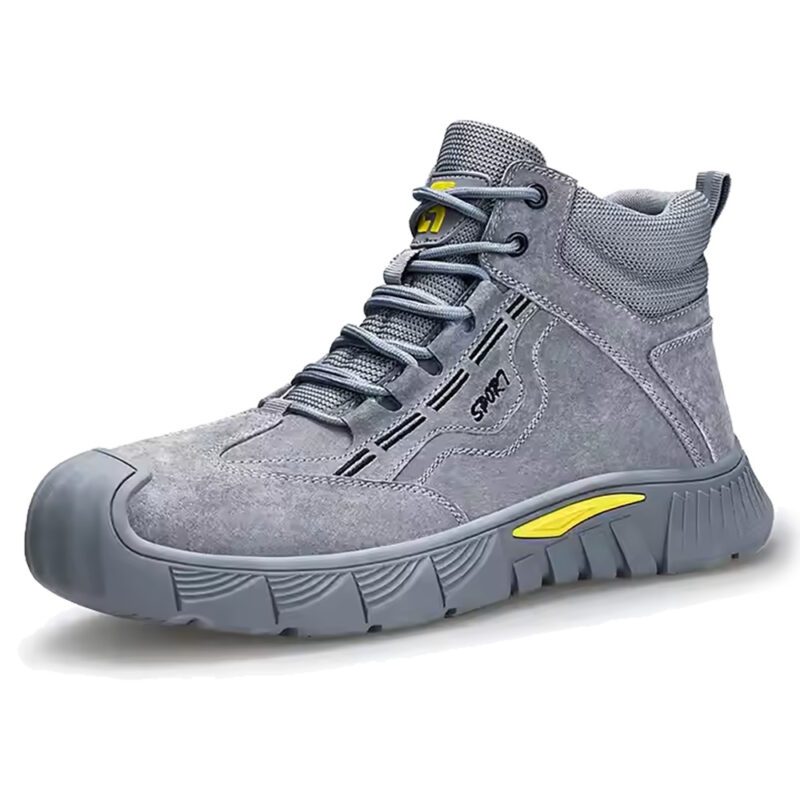
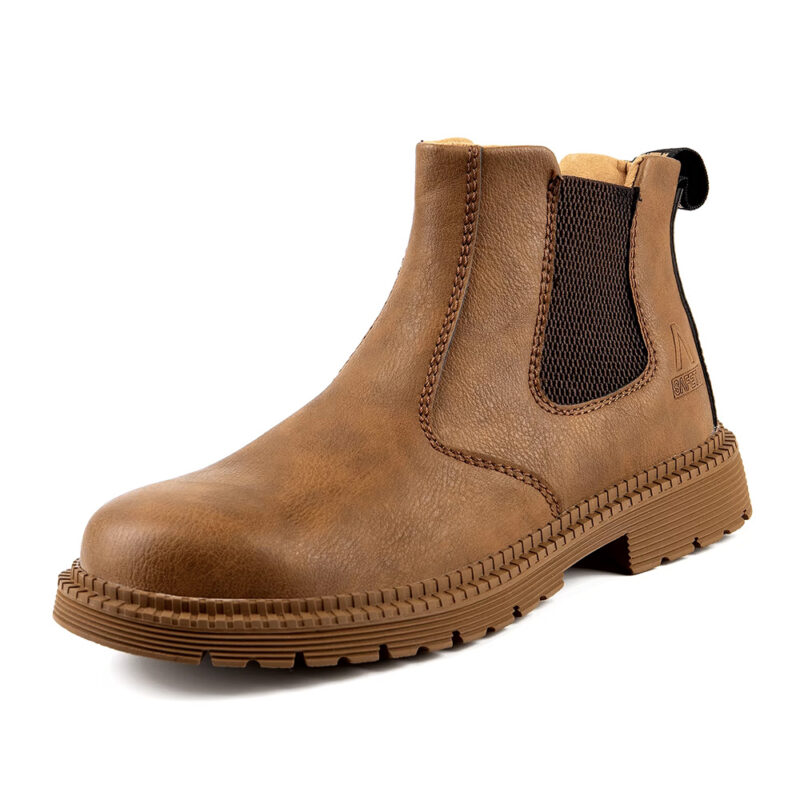
When your workday involves heavy machinery, falling objects, and unforgiving terrain, the Birks Defender Kevlar Steel Toe Safety Work Boots stand ready to protect you through it all. These boots deliver the exceptional durability, reliable protection, and all-day comfort you need to tackle any challenge and get the job done right, every single time.
Leather boots absorb moisture differently than synthetic materials. Leather is porous. It holds moisture longer. Synthetic materials trap heat but don’t breathe as well. Both types need proper care to prevent odor buildup.
Steel-toed boots and composite-toe boots face similar challenges. The protective caps reduce air circulation at the front of the boot. Less air flow means more moisture retention. More moisture means more bacterial growth.
Remove Existing Odors from Work Boots
Deep Cleaning the Interior
Pull out the insoles first. Wash them separately with warm water and mild soap. Scrub both sides with a brush. Rinse thoroughly. Let them air dry completely before putting them back.
Wipe the inside of your boots with a cloth dampened with rubbing alcohol. The alcohol kills bacteria on contact. It also evaporates quickly. This prevents additional moisture from soaking into the boot material.
Mix equal parts water and white vinegar in a spray bottle. Spray the solution inside each boot. The vinegar neutralizes odor-causing bacteria. Let the boots sit for 15 minutes. Wipe out excess liquid with a clean cloth.
Baking Soda Treatment
Baking soda absorbs odors naturally. It also draws out moisture. Pour three tablespoons of baking soda into each boot. Shake the boots to distribute the powder evenly. Let them sit overnight. Tap out the powder in the morning.
For stronger odors, create sachets. Fill coffee filters with baking soda. Tie them closed with rubber bands. Place one sachet in each boot. Leave them in for 24 to 48 hours.
Freezing Method
Bacteria cannot survive extreme cold. Place your boots in large plastic bags. Seal the bags tightly. Put them in your freezer overnight. The cold temperature kills odor-causing microorganisms. Remove the boots in the morning. Let them return to room temperature before wearing them.
This method works best for boots you can safely freeze. Check your manufacturer’s guidelines. Some adhesives can weaken in extreme temperatures.
Daily Prevention Strategies
Proper Drying Techniques
Never leave wet boots in your locker or closet. Moisture encourages bacterial growth. Pull the tongue forward. Open the boots as wide as possible. This increases air circulation.
Stuff your boots with newspaper after each shift. The paper absorbs moisture from the interior. Replace the newspaper every few hours until the boots feel dry. Crumpled newspaper works better than flat sheets. It creates more surface area for absorption.
Boot dryers speed up the drying process. These devices use gentle heat and air circulation. They dry boots without damaging the materials. Electric boot dryers cost between $30 and $80. They typically dry a pair of boots in four to six hours.
Avoid placing boots near direct heat sources. Radiators, space heaters, and heating vents can crack leather. They can also melt synthetic materials and adhesives. Room temperature air circulation works best.
Rotating Your Work Boots
Own at least two pairs of work boots. Alternate between them daily. This gives each pair 24 hours to dry completely. Bacteria need moisture to survive. Fully dry boots prevent bacterial colonies from establishing themselves.
The rotation method extends boot life. It reduces wear on each pair. You get better value from your investment.
Moisture-Wicking Socks
Cotton socks hold moisture against your skin. This creates ideal conditions for bacteria. Merino wool socks and synthetic moisture-wicking socks pull sweat away from your feet. They keep your skin drier.
Change socks during your shift if possible. Keep an extra pair in your work bag. Fresh socks at lunch time can cut moisture exposure in half.
Compression socks improve circulation. Better circulation can reduce foot sweating in some people. They cost more but provide additional benefits.
Natural Deodorizers for Work Boots
Cedar Products
Cedar contains natural oils that repel moisture. Cedar chips or cedar shoe inserts absorb humidity. They release a pleasant scent. The oils have antimicrobial properties. They slow bacterial growth.
Cedar shoe trees work well for work boots. They maintain boot shape while fighting odors. Replace cedar products every six months. The oils lose potency over time.
Essential Oils
Tea tree oil kills bacteria and fungi. Add 10 drops to a spray bottle with one cup of water. Shake well before each use. Spray inside your boots after work. Let them dry completely before wearing them again.
Eucalyptus oil and lavender oil also work well. They provide antibacterial benefits. They leave a fresh scent. Use the same dilution ratio as tea tree oil.
Never apply essential oils directly to boot materials without testing first. Some oils can stain or damage certain finishes. Test on a hidden area first.
Activated Charcoal
Activated charcoal absorbs odors and moisture. It works through a process called adsorption. Molecules stick to the surface of the charcoal. Small pouches of activated charcoal fit inside work boots. They continue working for several months.
Recharge activated charcoal by placing it in direct sunlight for a few hours. The heat releases trapped molecules. The charcoal becomes effective again. You can recharge and reuse charcoal pouches multiple times.
Specialized Products and Solutions
| Product Type | Cost Range | Effectiveness | Reusability |
|---|---|---|---|
| Odor-eliminating sprays | $8-$15 | High (temporary) | Single bottle lasts 2-3 months |
| UV sanitizing devices | $40-$100 | Very high | Unlimited uses |
| Antimicrobial insoles | $15-$40 | High (long-term) | Replace every 6 months |
| Odor-absorbing pouches | $10-$25 | Medium | Recharge monthly |
| Boot dryers with ozone | $60-$150 | Very high | Unlimited uses |
Antimicrobial Sprays
These sprays contain compounds that kill bacteria on contact. Look for products with benzalkonium chloride or triclosan. Apply them after cleaning your boots. Follow the manufacturer’s instructions for drying time.
Spray products provide quick results. They work well for emergency situations. They cost less than electronic solutions. However, you need to reapply them regularly.
UV Light Sanitizers
Ultraviolet light destroys bacteria and fungi at the DNA level. UV sanitizing devices fit inside boots. They run for 15 to 45 minutes per cycle. They eliminate 99.9% of microorganisms.
These devices require an electrical outlet. Some models have rechargeable batteries. They cost more initially. They save money over time by eliminating the need for disposable products.
Antimicrobial Insoles
Specialized insoles contain silver ions or copper threads. These materials prevent bacterial growth. The insoles wick moisture away from feet. They provide cushioning while fighting odors.
Replace antimicrobial insoles every six months. They lose effectiveness as the antimicrobial coating wears down. Quality insoles cost $20 to $40 per pair. They provide better results than standard insoles.
When your workday involves heavy machinery, falling objects, and unforgiving terrain, the Birks Defender Kevlar Steel Toe Safety Work Boots stand ready to protect you through it all. These boots deliver the exceptional durability, reliable protection, and all-day comfort you need to tackle any challenge and get the job done right, every single time.
Foot Hygiene Practices
Daily Washing Routine
Wash your feet thoroughly every day. Use antibacterial soap. Scrub between your toes. This is where bacteria accumulate most. Dry your feet completely before putting on socks. Pay special attention to the spaces between toes.
Trim your toenails regularly. Long nails trap dirt and bacteria. They can also puncture socks. This creates entry points for moisture.
Foot Powder Application
Antifungal foot powder reduces moisture and odor. Apply it to clean, dry feet every morning. Dust a small amount inside your socks. The powder absorbs sweat throughout the day. It creates an unfavorable environment for bacteria.
Talc-based powders absorb moisture. Cornstarch-based powders provide a natural alternative. Medicated powders contain antifungal ingredients. They prevent athlete’s foot while controlling odor.
Medical Considerations
Excessive foot sweating has a medical name: hyperhidrosis. If your feet sweat heavily despite good hygiene, consult a doctor. Prescription antiperspirants can help. They contain aluminum chloride at higher concentrations than over-the-counter products.
Fungal infections cause persistent odors. Athlete’s foot produces a distinct smell. Antifungal treatments clear the infection. The odor disappears once the infection is gone.
Long-Term Boot Maintenance
Cleaning Schedule
Clean the exterior of your boots weekly. Remove dirt and debris. These can trap moisture against the boot material. Use a damp cloth for synthetic boots. Use leather cleaner for leather boots.
Deep clean the interior monthly. Remove insoles. Wash them thoroughly. Clean the inside of the boots with antimicrobial spray. Let everything dry completely before reassembly.
Condition leather boots every two to three months. Conditioner keeps leather supple. It helps leather breathe better. Better breathability means less moisture retention.
Storage Practices
Store boots in a cool, dry place. Avoid damp basements or hot attics. Extreme temperatures damage boot materials. They accelerate deterioration.
Keep boots away from direct sunlight during storage. UV rays break down materials over time. They can fade colors and weaken stitching.
Use boot shapers or stuff boots with paper during storage. This maintains their shape. It prevents creasing that can trap moisture and odor.
Knowing When to Replace
Work boots last one to three years with proper care. Heavy use shortens their lifespan. Replace boots when they show these signs:
- Persistent odor despite cleaning
- Broken down insoles that cannot be replaced
- Cracked or separated materials
- Compromised safety features
- Interior lining deterioration
Old boots harbor bacteria deep in the materials. Sometimes replacement is more cost-effective than continued treatment.
Quick Action Plan Summary
Start with these steps in order:
- Remove and wash all removable insoles
- Clean boot interiors with vinegar solution
- Apply baking soda overnight
- Purchase a second pair of work boots for rotation
- Invest in moisture-wicking socks
- Establish a daily drying routine
- Consider antimicrobial insoles or a boot dryer
- Maintain consistent foot hygiene practices
Work boots require regular attention. Prevention works better than treatment. Daily care takes five to ten minutes. This small investment protects your boots. It keeps your feet healthier. It eliminates embarrassing odors.
Fresh-smelling work boots improve your comfort. They boost your confidence at work. They create a better environment for your feet. Start implementing these strategies today. Your feet will thank you.
When your workday involves heavy machinery, falling objects, and unforgiving terrain, the Birks Defender Kevlar Steel Toe Safety Work Boots stand ready to protect you through it all. These boots deliver the exceptional durability, reliable protection, and all-day comfort you need to tackle any challenge and get the job done right, every single time.