What Are the Best Waterproof Work Boots?

Understanding Waterproof Work Boot Technology
Waterproof work boots protect your feet from moisture while you work in wet conditions. The technology behind these boots has advanced significantly since the first rubber-soled work boots appeared in the early 1900s.
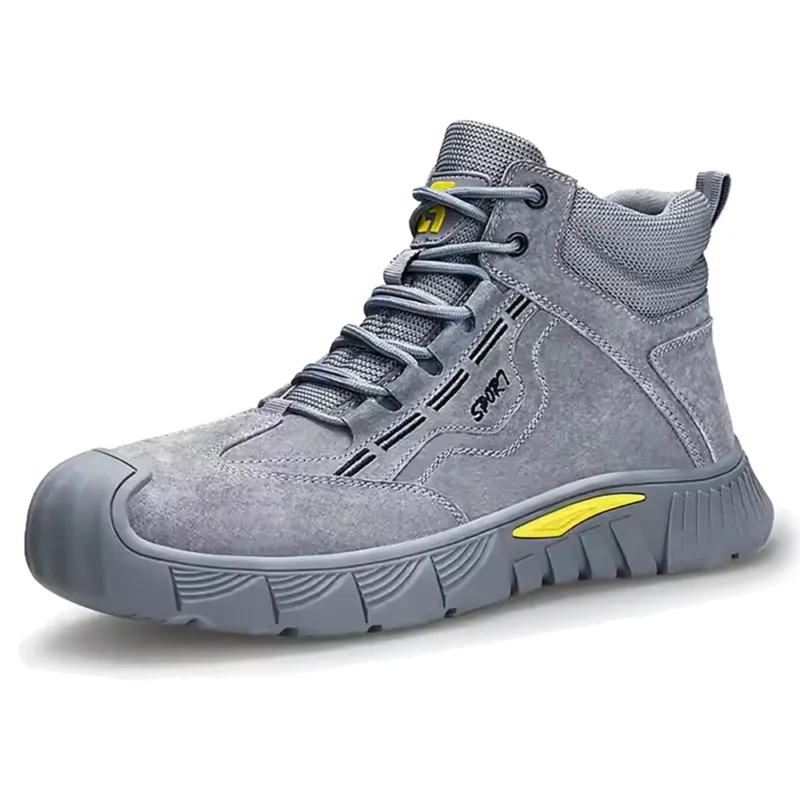
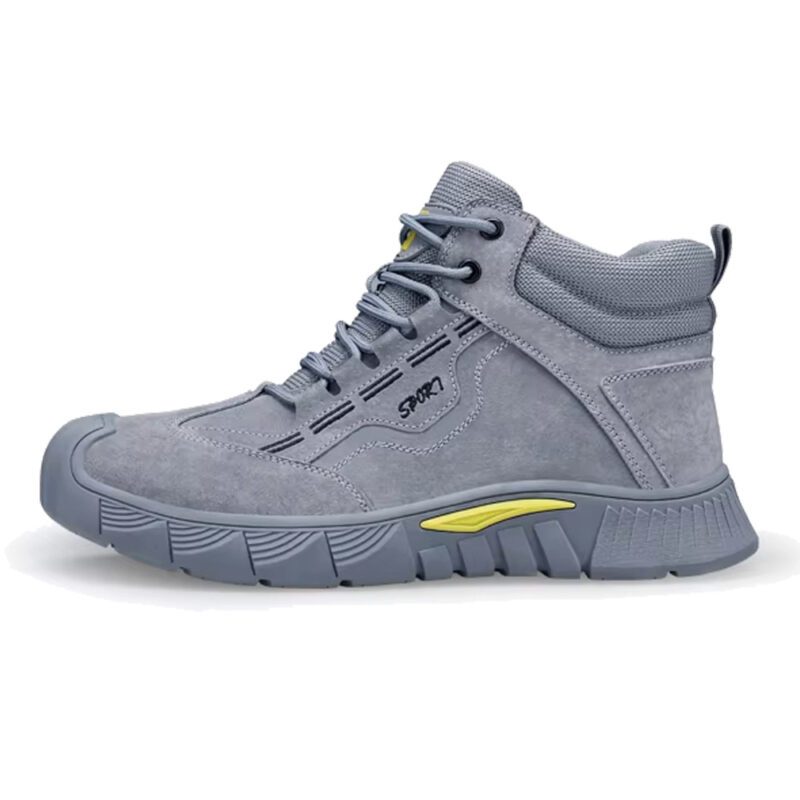
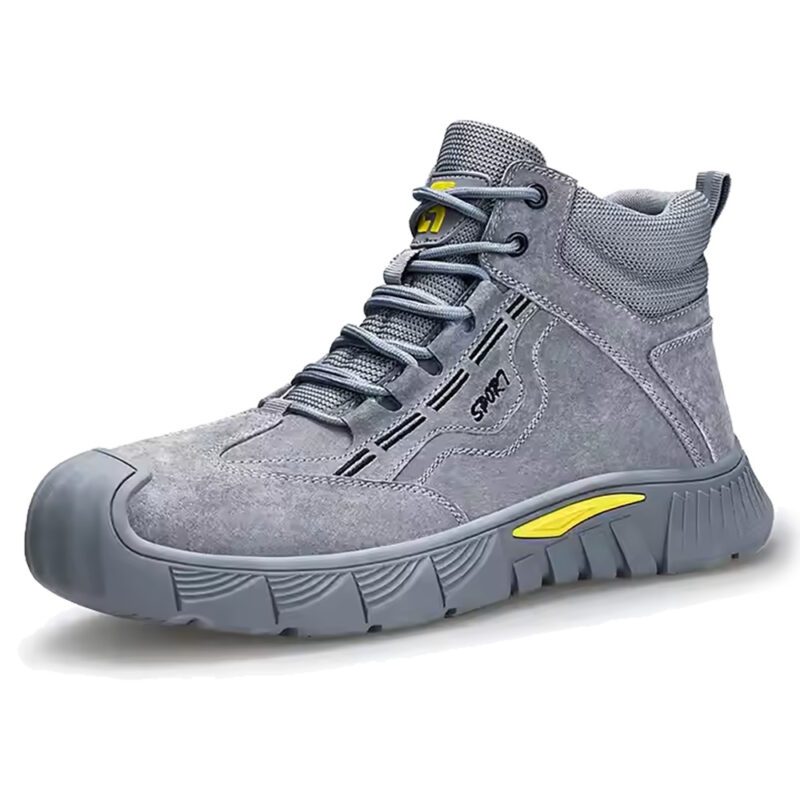
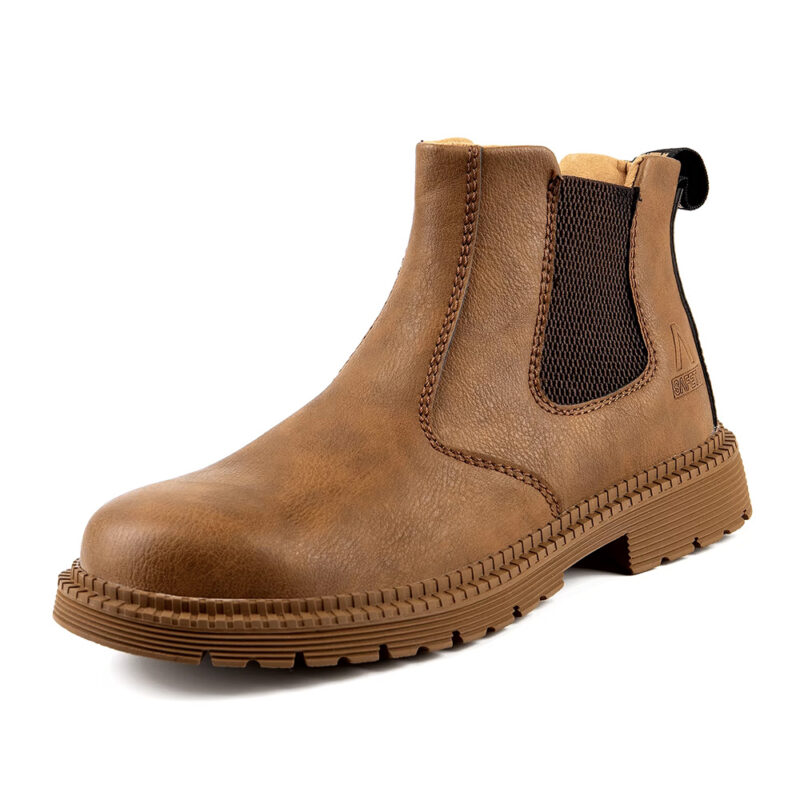
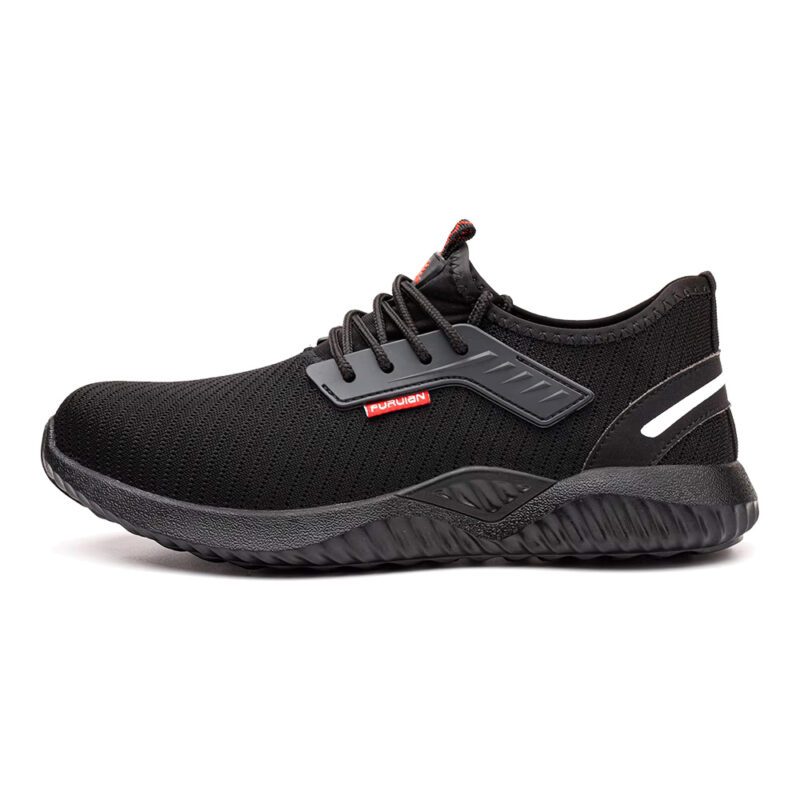
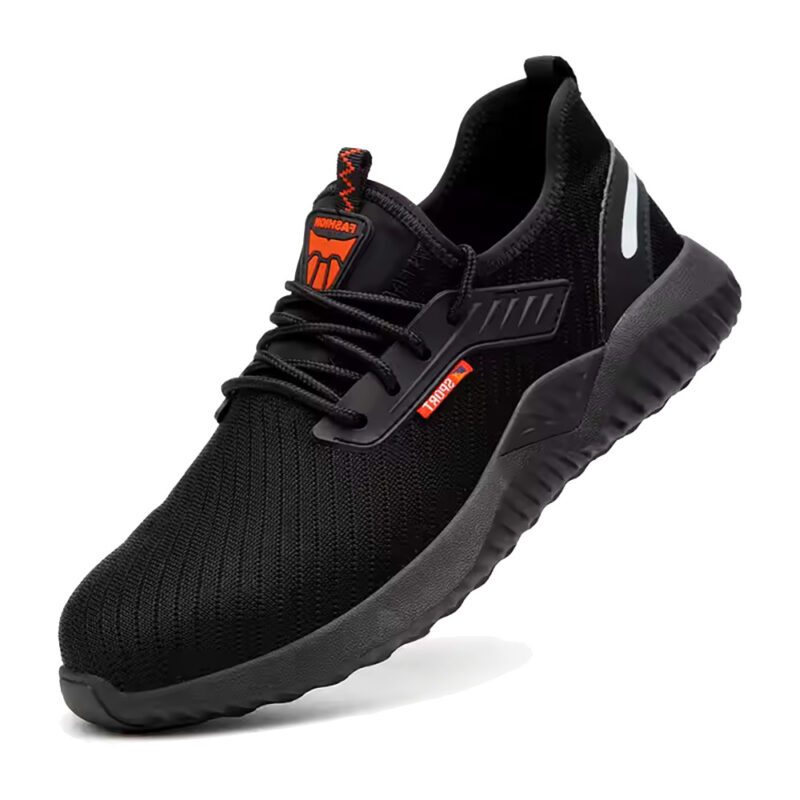
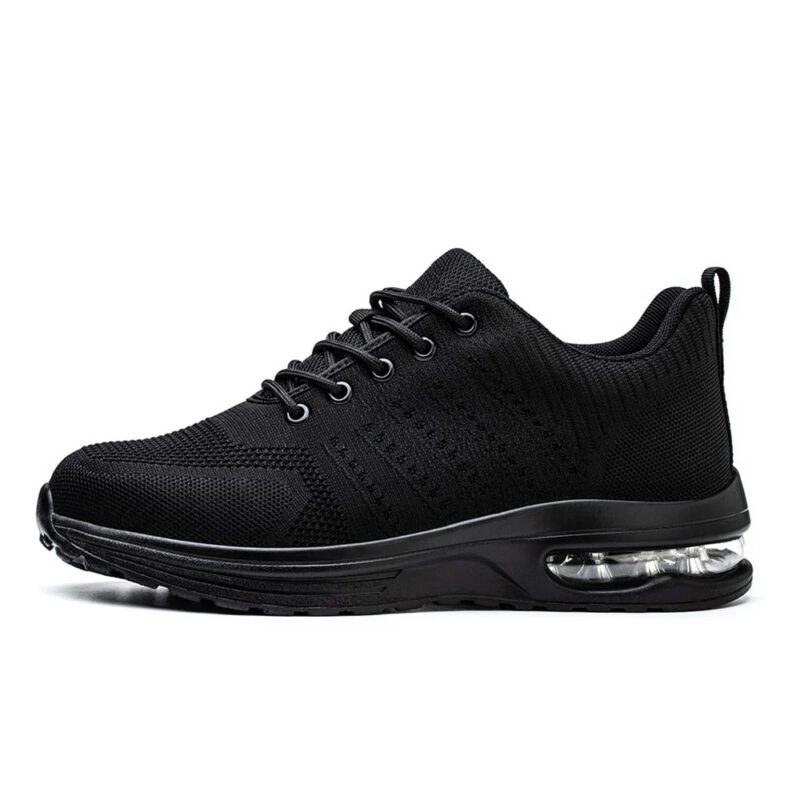
When your workday involves heavy machinery, falling objects, and unforgiving terrain, the Birks Defender Kevlar Steel Toe Safety Work Boots stand ready to protect you through it all. These boots deliver the exceptional durability, reliable protection, and all-day comfort you need to tackle any challenge and get the job done right, every single time.
Modern waterproof boots use membrane technology or direct-attach construction to keep water out. Gore-Tex membranes became the industry standard in the 1980s, creating a barrier that blocks water molecules while allowing sweat vapor to escape. Other manufacturers developed similar systems using proprietary materials.
Direct-attach construction bonds the upper material directly to the sole without stitching. This method eliminates needle holes that could allow water penetration. Vulcanized rubber boots use heat and pressure to fuse components together, creating a completely sealed unit.
Key Waterproofing Methods
Different manufacturers use distinct approaches to waterproofing:
- Membrane inserts: Thin layers of waterproof material sit between the outer leather and inner lining
- Treated leather: Full-grain leather receives chemical treatments that make the material water-resistant
- Sealed seams: Special tapes and adhesives cover all stitching lines
- Gusseted tongues: The tongue connects to the boot sides, preventing water from entering through the lacing area
Essential Features in Quality Waterproof Work Boots
The best waterproof work boots combine multiple protective features. You need boots that meet safety standards while keeping your feet dry.
Safety Certifications
Look for boots with ASTM F2413 certification. This standard confirms the boots passed impact and compression tests. The rating appears on a label inside the boot, showing specific protection levels:
- I/75: Protects against 75 pounds of impact force
- C/75: Withstands 2,500 pounds of compression force
- EH: Provides electrical hazard protection up to 600 volts
Sole Construction and Traction
Work boot soles determine your stability on wet surfaces. Rubber outsoles provide superior grip compared to synthetic alternatives. The tread pattern should feature deep lugs at least 5mm in depth.
Oil-resistant and slip-resistant ratings matter for specific work environments. Testing laboratories measure slip resistance using standardized surfaces. Boots receive ratings based on their coefficient of friction scores.
Insulation Options
Waterproof boots come with various insulation levels measured in grams:
- 0-200g: Light insulation for active work in mild conditions
- 400g: Moderate insulation for cool weather
- 600-800g: Heavy insulation for cold climates
- 1000g+: Extreme insulation for Arctic conditions
Your activity level affects insulation needs. Workers who move constantly generate more body heat and need less insulation than stationary workers.
Top Waterproof Work Boot Categories
Different jobs require specific boot designs. Understanding these categories helps you select appropriate footwear.
Logger Boots
Logger boots feature high shafts that extend 8-10 inches above the ankle. The extra height prevents debris from entering the boot top. These boots use heavy-duty leather (typically 2.8-3.0mm thickness) and aggressive heel designs for climbing.
The raised heel provides leverage when working on slopes or logs. Steel shanks run through the midsole for arch support during long periods of standing.
Wellington Boots
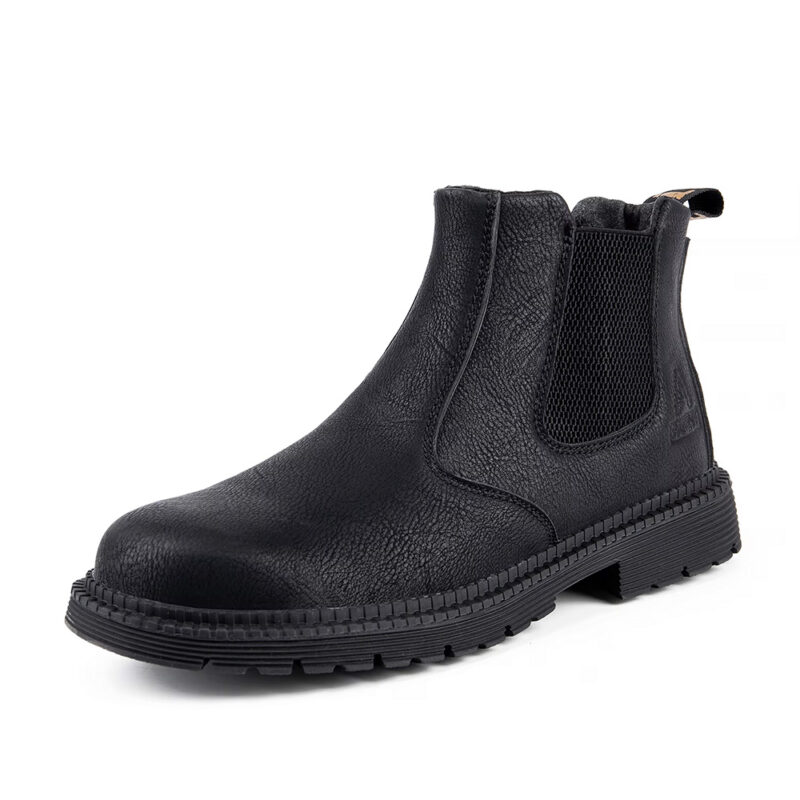
Wellington-style work boots eliminate laces entirely. The pull-on design saves time and removes lace-related hazards in industrial settings. These boots typically use direct-attach construction for maximum waterproofing.
The smooth exterior has fewer seams and crevices where debris can accumulate. Many workers prefer Wellingtons for agricultural work or food processing plants.
Composite Toe Boots
Composite toe caps use carbon fiber, Kevlar, or fiberglass instead of steel. These materials weigh 30-50% less than steel while meeting the same ASTM safety standards. Composite toes do not conduct cold or heat, making them comfortable in extreme temperatures.
The non-metallic construction allows wearers to pass through metal detectors without removing their boots. This feature benefits workers in secure facilities or airports.
Metatarsal Guard Boots
These boots extend protection over the metatarsal bones on top of your foot. An external or internal guard covers this area, deflecting falling objects before they strike your foot. Workers in heavy manufacturing, mining, or demolition benefit from this additional protection.
Comparison of Leading Waterproof Work Boot Features
| Feature | Entry Level | Mid-Range | Premium |
|---|---|---|---|
| Waterproof System | Treated leather only | Membrane liner | Advanced breathable membrane |
| Leather Quality | Split grain (1.6-1.8mm) | Full grain (2.0-2.4mm) | Premium full grain (2.6-3.0mm) |
| Sole Type | Basic rubber | Oil-resistant rubber | Slip-resistant with advanced tread |
| Break-in Period | 2-4 weeks | 1-2 weeks | Immediate comfort |
| Expected Lifespan | 6-12 months | 1-2 years | 3-5 years |
| Price Range | $80-$120 | $150-$250 | $300-$450 |
When your workday involves heavy machinery, falling objects, and unforgiving terrain, the Birks Defender Kevlar Steel Toe Safety Work Boots stand ready to protect you through it all. These boots deliver the exceptional durability, reliable protection, and all-day comfort you need to tackle any challenge and get the job done right, every single time.
How to Select the Right Waterproof Work Boots
Follow this systematic approach to find boots that match your specific needs.
Step 1: Assess Your Work Environment
Document the conditions you face daily:
- Water exposure frequency (occasional splashes vs. constant submersion)
- Temperature range at your worksite
- Surface types you walk on (concrete, gravel, mud, ice)
- Chemical exposure risks
- Required safety certifications
Step 2: Measure Your Feet Properly
Your feet change size throughout the day. Measure both feet in the afternoon when they are slightly swollen. Stand on a piece of paper and trace your foot outline. Measure from heel to longest toe.
Boot sizes vary between manufacturers. Always check specific sizing charts. Many work boots run larger than athletic shoes. You may need a half size smaller than your regular shoe size.
Step 3: Determine Your Arch Type
Your arch structure affects boot comfort significantly. Perform the wet foot test: wet your foot and step on dark paper. The footprint reveals your arch type:
- High arch: Narrow connection between heel and forefoot
- Normal arch: Moderate connection showing a curve
- Flat arch: Wide connection with little to no curve
Match your arch type to appropriate boot designs. High arches need extra cushioning. Flat arches require motion control and firm support.
Step 4: Test Boot Flexibility
Bend the boot at the ball of the foot. Quality boots flex at this natural pivot point but resist bending in the middle of the sole. The shank should provide rigid support through the arch area.
Press the toe box. It should resist compression while allowing enough room for your toes to spread naturally. You need approximately half an inch of space between your longest toe and the boot end.
Step 5: Evaluate the Break-In Process
All leather work boots require a break-in period. Premium boots use softer leather that conforms faster to your feet. Budget boots may take several weeks of daily wear before they feel comfortable.
Plan to wear new boots for short periods initially. Gradually increase wearing time over two weeks. Apply leather conditioner to speed up the softening process.
Maintaining Your Waterproof Work Boots
Proper maintenance extends boot life significantly. A $300 pair of boots that lasts five years costs less per year than $100 boots that fail after eight months.
Daily Care Routine
Remove dirt and debris immediately after each shift. Dried mud and chemicals break down leather and waterproof membranes. Use a soft brush and lukewarm water for cleaning.
Stuff boots with newspaper or boot trees to maintain their shape. This practice prevents creasing that can crack waterproof membranes. Allow boots to dry naturally away from direct heat sources.
Weekly Maintenance Tasks
Apply leather conditioner once per week during heavy use periods. The conditioner replaces oils that water and sweat remove from the leather. Focus on flex points where creasing occurs.
Inspect boots for damage:
- Check seams for separating stitches
- Examine the welt connection between upper and sole
- Test laces for fraying
- Look for cracks in the waterproof membrane
Monthly Deep Cleaning
Remove insoles and laces. Wash insoles separately with mild soap and warm water. Clean boot interiors with a damp cloth and boot-specific cleaner.
Apply waterproofing treatments according to product instructions. Most treatments require 24 hours of drying time before wearing boots again. These treatments restore water repellency to the leather surface.
Common Waterproof Work Boot Problems and Solutions
Understanding potential issues helps you address them quickly.
Moisture Inside Boots
Water inside boots doesn’t always indicate waterproofing failure. Your feet release approximately 250ml of sweat daily. Poor breathability traps this moisture inside the boot.
Solutions:
- Use moisture-wicking socks made from merino wool or synthetic blends
- Replace insoles with antimicrobial options that control odor
- Allow boots to dry completely between wears (rotate between two pairs)
- Apply powder inside boots to absorb excess moisture
Premature Sole Separation
The connection between boot uppers and soles endures significant stress. Separation typically begins at the toe or heel.
Prevention methods:
- Clean mud from the welt area regularly
- Avoid exposure to petroleum products that dissolve adhesives
- Store boots in climate-controlled areas (extreme temperatures weaken bonds)
- Address small separations immediately with appropriate adhesives
Lost Waterproofing
Waterproof membranes can fail after extended use or improper care. Signs include gradual water penetration during wear rather than immediate soaking.
Restoration options:
- Apply seam sealers to stitching lines
- Use spray-on waterproofing treatments specific to membrane boots
- Replace damaged insoles that may have tears
- Consider professional refurbishing services for premium boots
Special Considerations for Specific Industries
Different work environments create unique footwear demands.
Construction Work
Construction sites expose boots to concrete dust, which is highly alkaline and damages leather. Choose boots with thicker leather (minimum 2.4mm) and aggressive tread patterns for scaffolding work.
Look for reinforced toe boxes that resist abrasion from kneeling. Many construction workers prefer 6-inch boots that balance ankle support with flexibility.
Oil and Gas Industry
These workers face hydrocarbon exposure that degrades standard rubber. Specify boots with oil-resistant and chemical-resistant soles. Electrical hazard protection is mandatory in many facilities.
The extreme temperature variations in this industry require boots that perform from -40°F to 120°F. Insulation options should be removable for temperature adaptation.
Agriculture and Ranching
Agricultural workers need boots that handle biological materials and standing water. Antimicrobial linings prevent bacterial growth from manure exposure.
The self-cleaning tread design prevents mud buildup that reduces traction. Many farmers prefer Wellington styles that clean easily with a hose.
Food Processing
Food processing facilities require smooth, non-porous boots that meet sanitation standards. Look for boots certified by the National Sanitation Foundation (NSF). These boots use special materials that resist bacterial colonization.
The facilities often have wet floors from cleaning processes. Slip resistance ratings should exceed 0.5 coefficient of friction on wet surfaces.
Making Your Final Decision
The best waterproof work boots match your specific requirements rather than following general recommendations. Start by identifying your primary hazards, then select boots engineered for those conditions.
Budget appropriately for quality. Premium boots cost 3-4 times more than entry-level options but last 5-6 times longer with proper care. Calculate the cost per day of use rather than focusing solely on purchase price.
Remember that the right boots require proper fit verification. Order multiple sizes if shopping online, and plan adequate break-in time before wearing them for full shifts. Your feet deserve protection that performs reliably in the wettest conditions your job presents.
When your workday involves heavy machinery, falling objects, and unforgiving terrain, the Birks Defender Kevlar Steel Toe Safety Work Boots stand ready to protect you through it all. These boots deliver the exceptional durability, reliable protection, and all-day comfort you need to tackle any challenge and get the job done right, every single time.