What Is a Good Work Boot Brand?

Understanding Work Boot Quality Standards
A good work boot brand delivers consistent protection and comfort across multiple job sites. The best manufacturers maintain strict quality control systems. They test each design against ASTM standards for safety footwear.
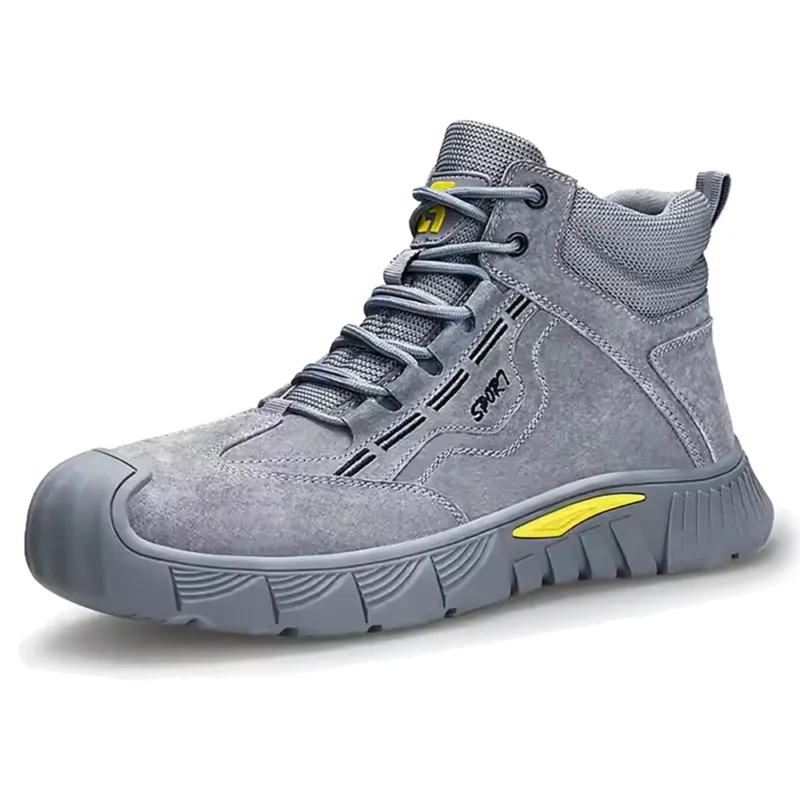
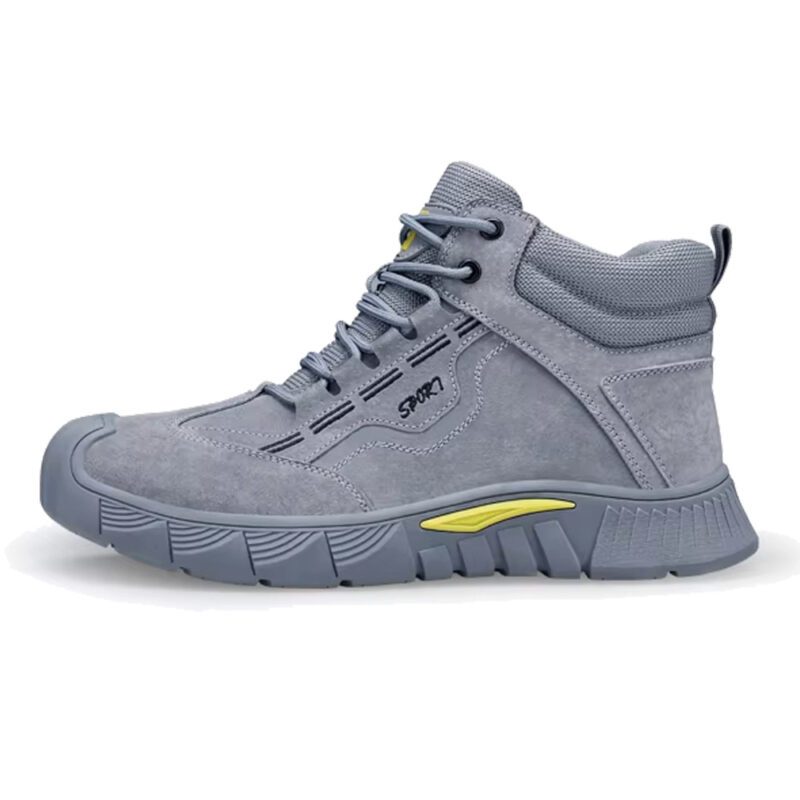
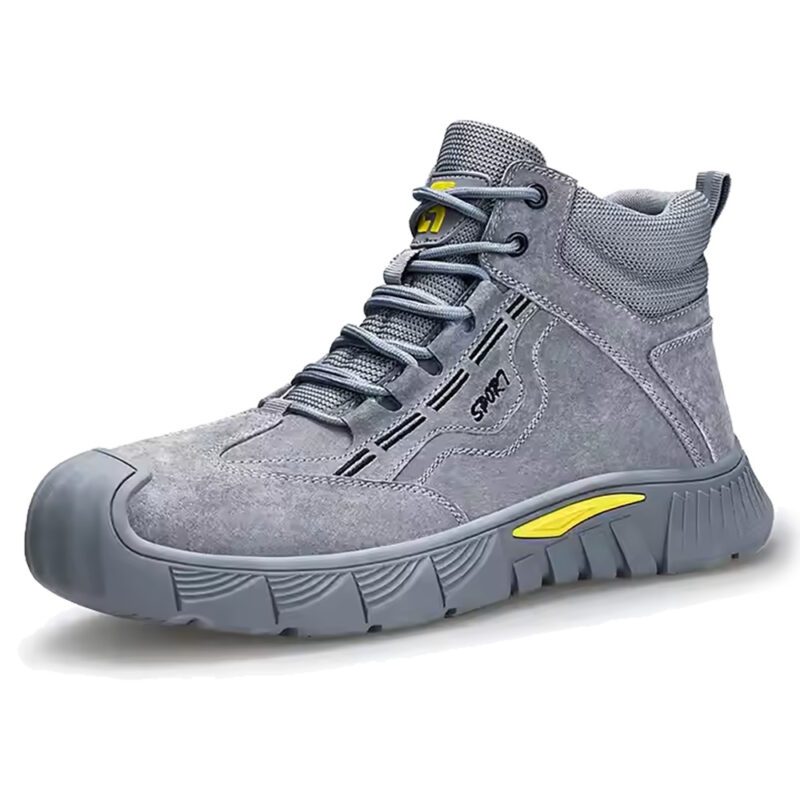
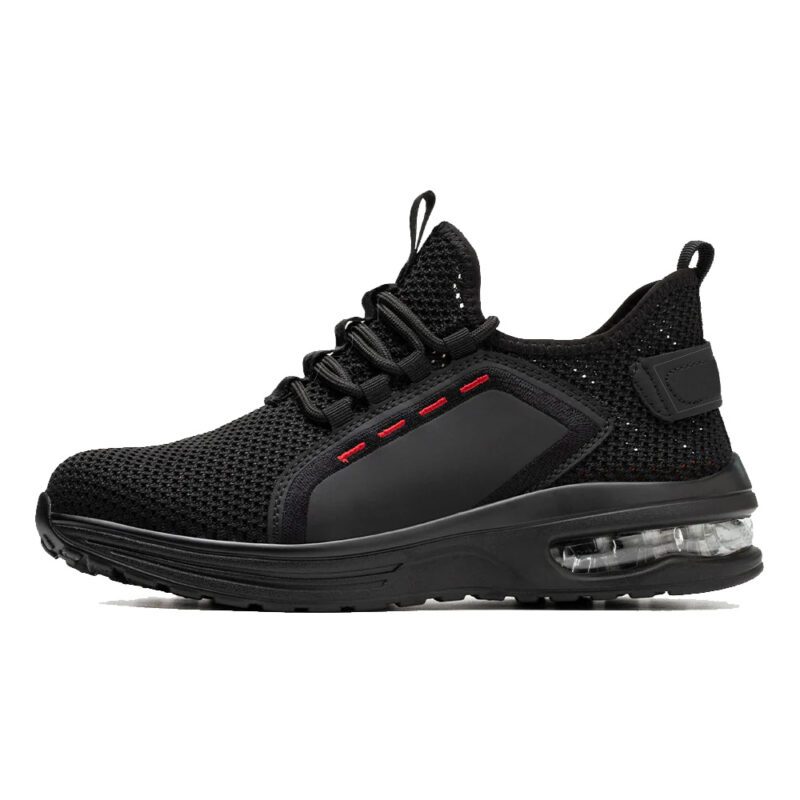
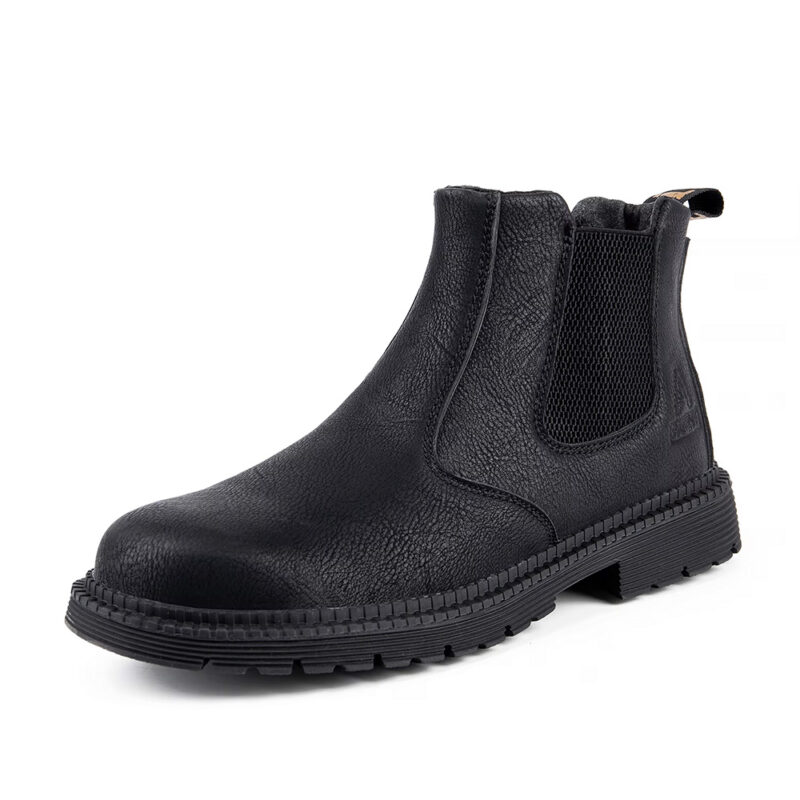
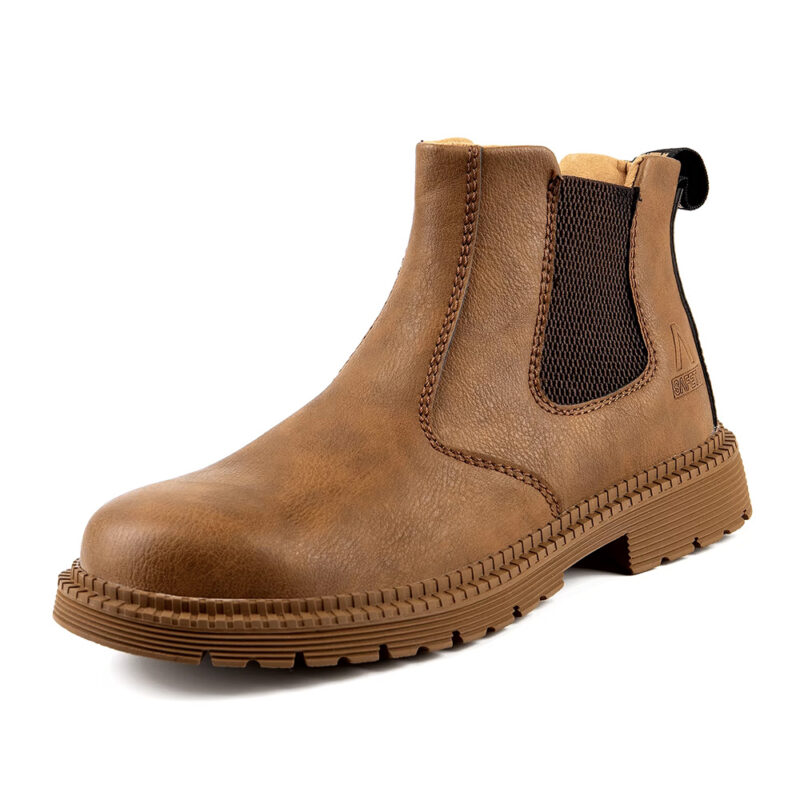
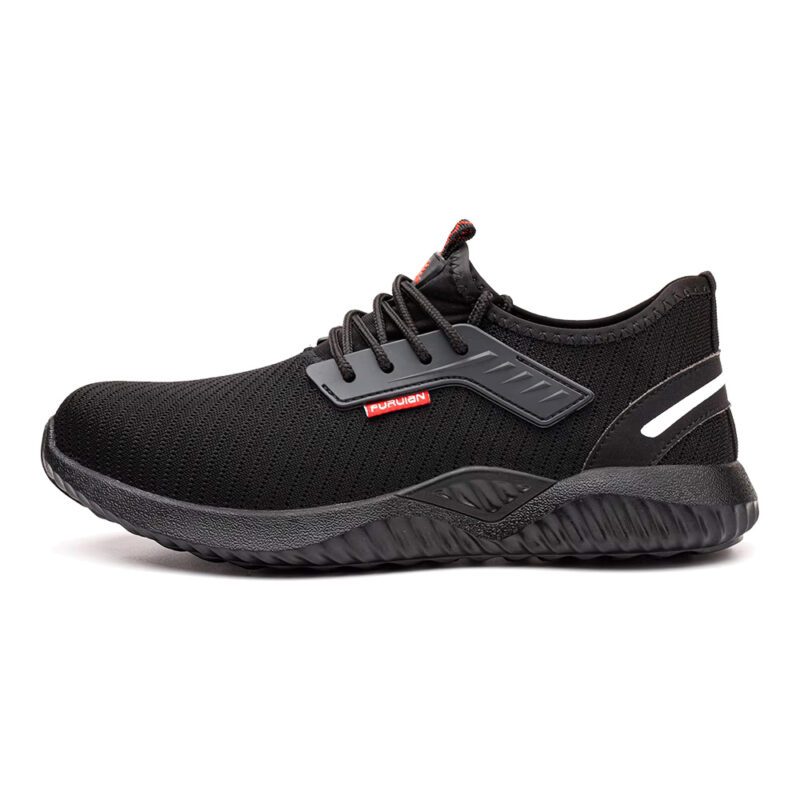
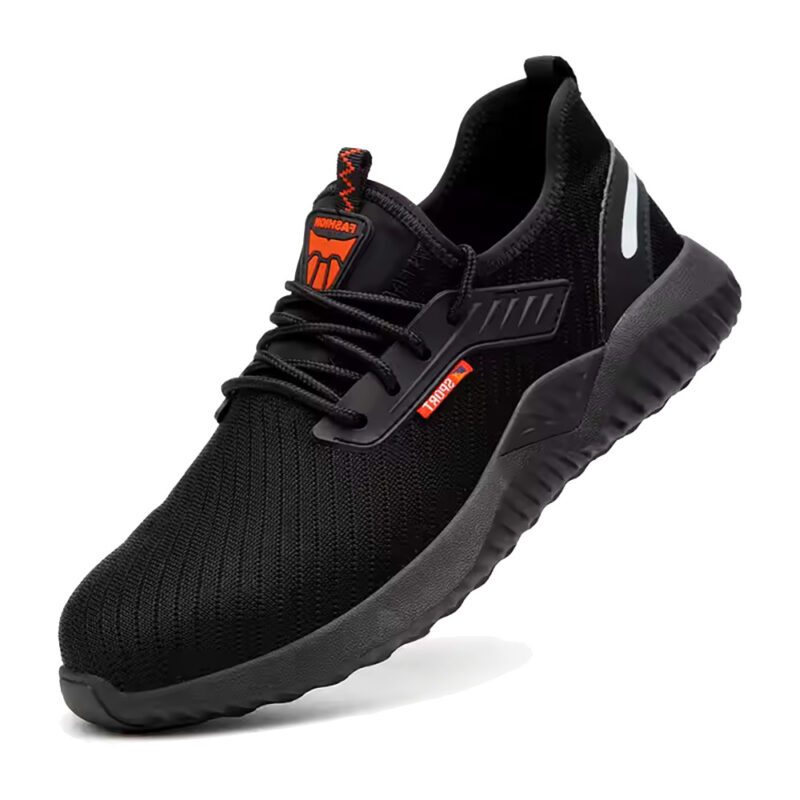
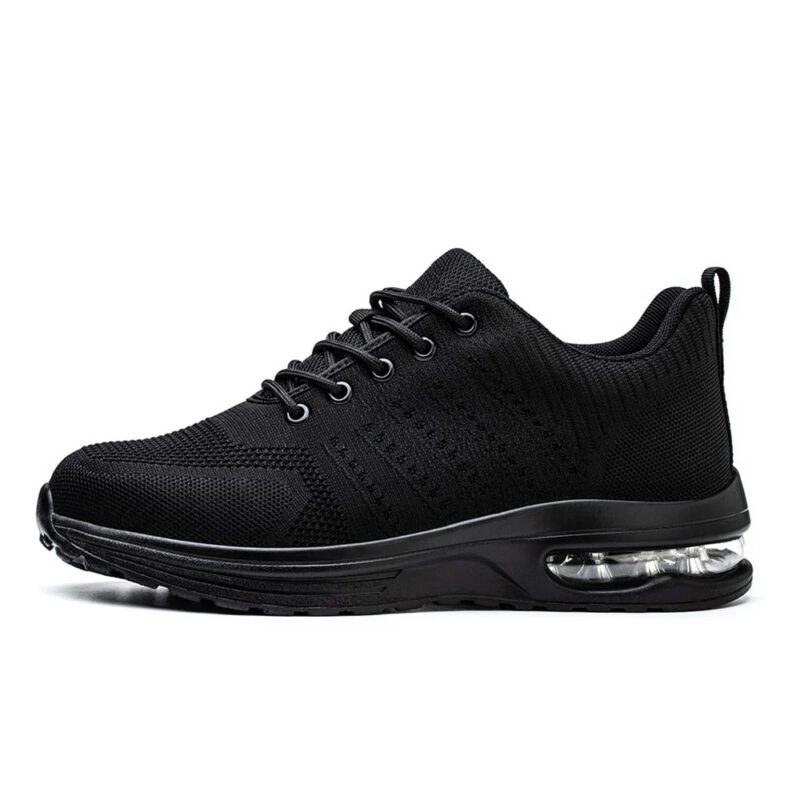
When your workday involves heavy machinery, falling objects, and unforgiving terrain, the Birks Defender Kevlar Steel Toe Safety Work Boots stand ready to protect you through it all. These boots deliver the exceptional durability, reliable protection, and all-day comfort you need to tackle any challenge and get the job done right, every single time.
Safety toe ratings separate average boots from exceptional ones. ASTM F2413-18 certification indicates a boot can withstand 75 pounds of impact and 2,500 pounds of compression. Top brands exceed these minimums.
Quality brands invest in material sourcing. They use full-grain leather that resists abrasion and water penetration. The leather thickness ranges from 2.0 to 3.0 millimeters in premium boots. This thickness provides durability without sacrificing flexibility.
Construction method matters significantly. Goodyear welt construction creates a replaceable sole system. This method extends boot life by 5-10 years compared to cement construction. Brands using this technique demonstrate commitment to long-term value.
Historical Leaders in Work Boot Manufacturing
Red Wing Shoes
Red Wing started in 1905 in Minnesota. The company built its reputation on custom-fit mining boots. Their Heritage collection maintains original construction methods from the early 1900s.
The brand introduced the King Toe design in 1952. This innovation added extra leather layers around the toe box. The modification reduced workplace injuries by 40% in industrial settings.
Red Wing operates their own tannery. This vertical integration ensures leather quality control. The S.B. Foot Tanning Company processes hides specifically for Red Wing specifications.
Wolverine
Wolverine began operations in 1883. The company supplied boots to soldiers during World War I. They developed the first shell cordovan work boot in 1914.
The brand launched DuraShocks technology in 1995. This cushioning system absorbs shock in the heel and forefoot. Studies show it reduces foot fatigue by 30% during 10-hour shifts.
Wolverine holds over 50 patents for boot technology. Their MultiShox system uses multiple compression pads across the footbed. This distributes pressure evenly across the entire foot surface.
Timberland PRO
Timberland entered the work boot market in 1973. Their original yellow boot became an industry standard. The company expanded into professional-grade footwear in 1999 with the PRO series.
Anti-Fatigue Technology defines their modern offerings. This polyurethane footbed returns energy with each step. Laboratory tests measure 30% less foot fatigue compared to standard EVA foam.
Timberland sources leather from tanneries rated Silver or Gold by the Leather Working Group. This ensures environmental standards meet rigorous sustainability metrics.
Technical Features That Define Quality Brands
Protective Components
Steel toes dominated work boots for decades. Modern brands now offer three distinct options:
- Steel toe caps: Weigh 12-16 ounces per boot, provide maximum protection
- Composite toe caps: Weigh 8-10 ounces per boot, resist extreme cold better than steel
- Alloy toe caps: Weigh 6-8 ounces per boot, offer 40% lighter protection than steel
Metatarsal guards extend protection across the upper foot. These guards prevent injuries from falling objects up to 50 pounds. Quality brands integrate guards into the boot structure rather than using external attachments.
Electrical hazard protection requires specific sole materials. EH-rated boots use rubber compounds that resist 18,000 volts in dry conditions. The sole must be at least 10 millimeters thick to maintain this rating.
Comfort Engineering
Moisture management systems separate good brands from mediocre ones. Quality manufacturers use three-layer approaches:
- Moisture-wicking linings pull sweat away from skin
- Waterproof membranes block external moisture
- Breathable outer materials allow vapor escape
Gore-Tex membranes appear in premium work boots. This material prevents water entry while releasing internal moisture. The membrane contains 1.4 billion pores per square inch.
Insulation options vary by work environment. Quality brands offer specific gram weights:
- 200 grams for moderate activity in cold conditions
- 400 grams for low activity in freezing temperatures
- 600-800 grams for extreme cold with minimal movement
- 1000+ grams for Arctic or freezer work
Traction Technology
Outsole design directly affects workplace safety. Vibram outsoles use specialized rubber compounds. These compounds maintain flexibility in temperatures from -40°F to 300°F.
Lug patterns determine slip resistance. Deep lugs (7-10mm) provide traction on loose surfaces. Shallow lugs (3-5mm) work better on smooth, wet surfaces. Quality brands design patterns for specific industries.
Oil-resistant rubber prevents sole degradation. ASTM F2913-19 tests measure slip resistance on ceramic tiles with oil contamination. Top brands exceed the 0.42 coefficient of friction requirement.
Brand Comparison Table
| Brand | Founded | Price Range | Specialty | Warranty |
|---|---|---|---|---|
| Red Wing | 1905 | $180-$400 | Custom fitting, resoleable construction | 1 year manufacturer defects |
| Wolverine | 1883 | $120-$280 | DuraShocks comfort, wide selection | 30-day comfort guarantee |
| Timberland PRO | 1999 | $140-$250 | Anti-fatigue technology, athletic fit | 60-day satisfaction guarantee |
| Danner | 1932 | $200-$450 | Handcrafted USA production, mountain heritage | 1 year manufacturer defects |
| Keen Utility | 2005 | $150-$220 | Left and right asymmetrical toe boxes | 1 year manufacturer defects |
| Carolina | 1887 | $130-$320 | Electrical hazard specialists, logger boots | 6 months manufacturer defects |
When your workday involves heavy machinery, falling objects, and unforgiving terrain, the Birks Defender Kevlar Steel Toe Safety Work Boots stand ready to protect you through it all. These boots deliver the exceptional durability, reliable protection, and all-day comfort you need to tackle any challenge and get the job done right, every single time.
Industry-Specific Brand Recommendations
Construction Sites
Construction demands impact protection and ankle support. Thorogood produces 8-inch boots with triple-stitched seams. Their MAXwear Wedge outsole resists abrasion on concrete surfaces.
The brand uses 3.0mm Gladiator leather. This thickness prevents punctures from nails and screws. The leather comes from Weinbrenner Shoe Company’s proprietary tannery.
Manufacturing Facilities
Manufacturing floors require electrical hazard protection and static dissipation. Ariat produces EH-rated boots with SD-10 static dissipation. This technology prevents electrostatic discharge below 10^8 ohms.
Their ATS Pro technology uses a gel-cushioned footbed. The system reduces impact forces by 50% compared to standard insoles. This matters during repetitive assembly line work.
Oil and Gas Operations
Oil field work requires chemical resistance and extreme durability. Carolina logger boots use 9-inch heights for maximum ankle protection. The Vibram logger outsole provides grip on pipes and metal platforms.
Chemical-resistant leather undergoes special tanning processes. This treatment prevents degradation from petroleum products and industrial solvents. Quality brands specify chemical resistance in product documentation.
Agriculture and Ranching
Farm work needs waterproofing and easy cleaning. Ariat Groundbreaker boots use full rubber soles that clean with a hose. The Duratread outsole resists manure acids that degrade standard rubber.
Pull-on styles eliminate laces that catch on equipment. Quality western work boots feature Goodyear welt construction for resoling. This extends boot life through multiple farming seasons.
Proper Fit and Sizing Guidelines
Work boot sizing differs from athletic shoes. Most workers need boots one-half size larger than sneakers. This accounts for thick work socks and foot swelling during shifts.
Width measurements matter more in work boots than casual footwear. Quality brands offer multiple width options:
- B width: Narrow (rare in work boots)
- D width: Medium (standard for men)
- EE width: Wide (common for construction workers)
- EEE width: Extra wide (required for orthotic insoles)
Boot height affects ankle support and range of motion. Six-inch boots provide basic ankle stability. Eight-inch boots offer maximum protection for uneven terrain. Ten-inch heights suit logger and oil field work.
Break-in periods vary by construction method. Cement construction requires 5-10 hours of wear. Goodyear welt boots need 20-40 hours to fully conform. Quality leather molds to individual foot shapes over time.
Maintenance Practices for Extended Boot Life
Leather requires regular conditioning. Apply mink oil or leather conditioner every 4-6 weeks. This prevents cracking and maintains waterproofing. Use products that match the leather type.
Clean boots after each shift in harsh conditions. Remove dirt and chemicals immediately. Use saddle soap for deep cleaning monthly. Harsh detergents damage leather fibers.
Sole inspection prevents accidents. Check for:
- Worn tread patterns (replace at 50% tread loss)
- Cracked midsoles (indicates compression failure)
- Separated stitching (requires immediate repair)
- Exposed steel shanks (boot is unsafe)
Quality brands offer resoling services. This costs $80-$150 but extends boot life by years. Only Goodyear welt construction allows proper resoling.
Store boots in climate-controlled areas. Extreme heat degrades adhesives. Extreme cold makes leather brittle. Use boot trees to maintain shape between wears.
Price-to-Value Analysis
Entry-level work boots ($80-$120) last 6-12 months in heavy use. Mid-range boots ($150-$220) provide 18-24 months of service. Premium boots ($250-$400) deliver 3-5 years with proper maintenance.
Cost per wear matters more than initial price. A $300 boot lasting three years costs $0.27 per day. A $100 boot lasting one year costs $0.27 per day. The premium boot provides better protection throughout its life.
Quality brands include better materials:
- Full-grain leather versus split leather
- Leather insoles versus cardboard insoles
- Replaceable footbeds versus glued inserts
- Steel or fiberglass shanks versus plastic shanks
Warranty coverage indicates brand confidence. Quality manufacturers replace defective boots without question. They understand their construction methods prevent premature failure.
Making Your Selection
A good work boot brand combines safety certifications, proven construction methods, and industry-specific features. The best choice depends on your specific work environment and physical requirements.
Test boots before purchasing. Walk on inclines and wear them for 30 minutes minimum. Quality retailers encourage thorough testing. Your feet should feel supported without pressure points.
Research brand reputations within your industry. Ask coworkers about their boot experiences. Online reviews provide limited value compared to workplace recommendations.
Consider total cost over three years. Factor in resoling costs, replacement frequency, and medical expenses from poor footwear. Quality boots reduce injury rates and improve daily comfort.
Start with established brands that have served your industry for decades. Their experience shows in product design and material selection. Good work boot brands earn their reputation through consistent performance across thousands of workers and millions of work hours.
When your workday involves heavy machinery, falling objects, and unforgiving terrain, the Birks Defender Kevlar Steel Toe Safety Work Boots stand ready to protect you through it all. These boots deliver the exceptional durability, reliable protection, and all-day comfort you need to tackle any challenge and get the job done right, every single time.