What Is the Most Comfortable Work Boots?

Understanding Work Boot Comfort
Comfortable work boots protect your feet while reducing fatigue during long shifts. The most comfortable work boots combine cushioning, arch support, breathability, and proper fit. These elements work together to prevent pain and injury.
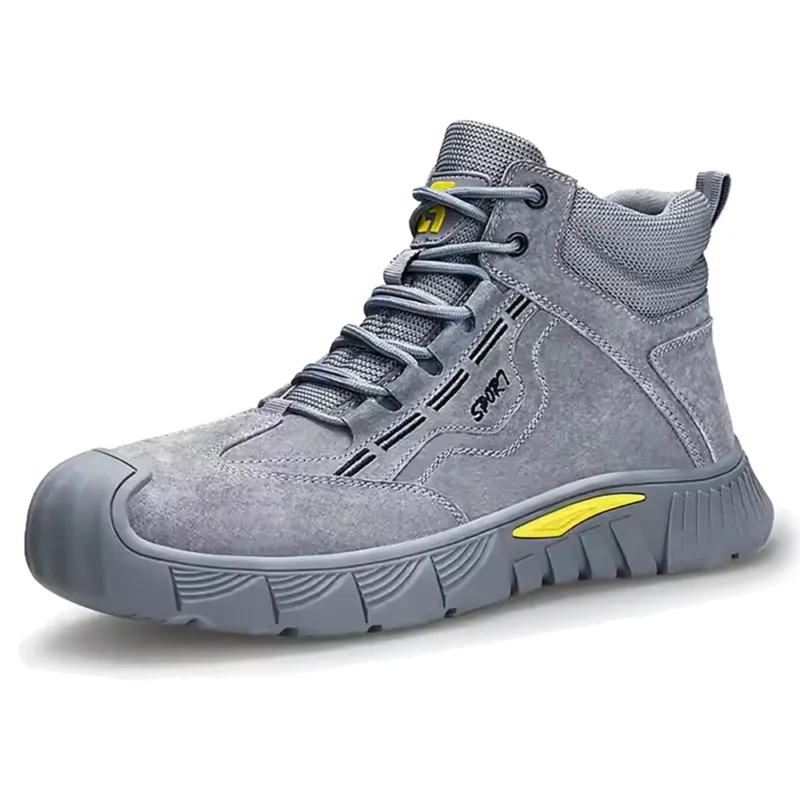
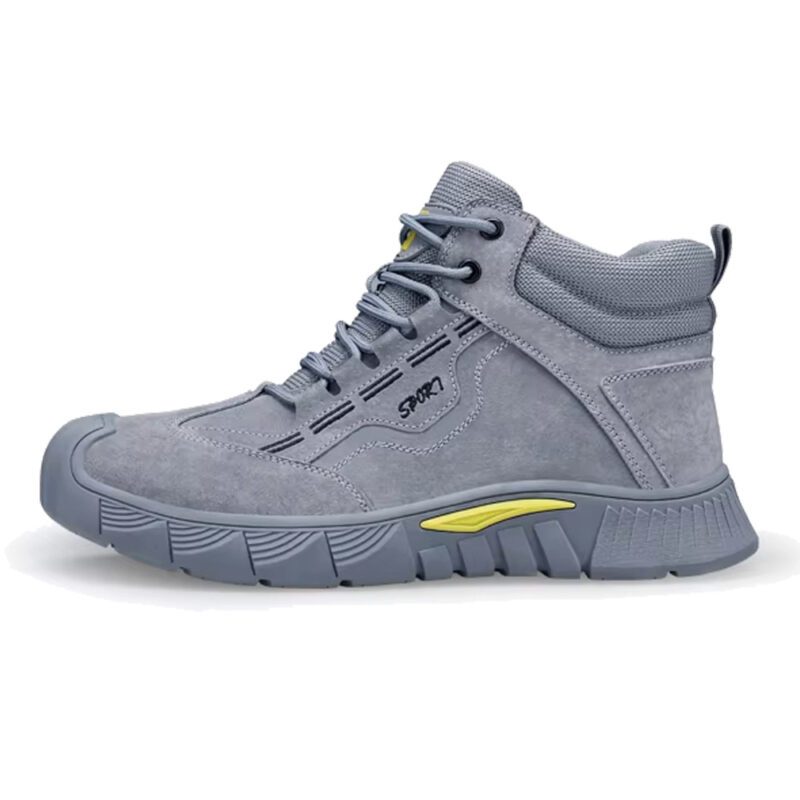
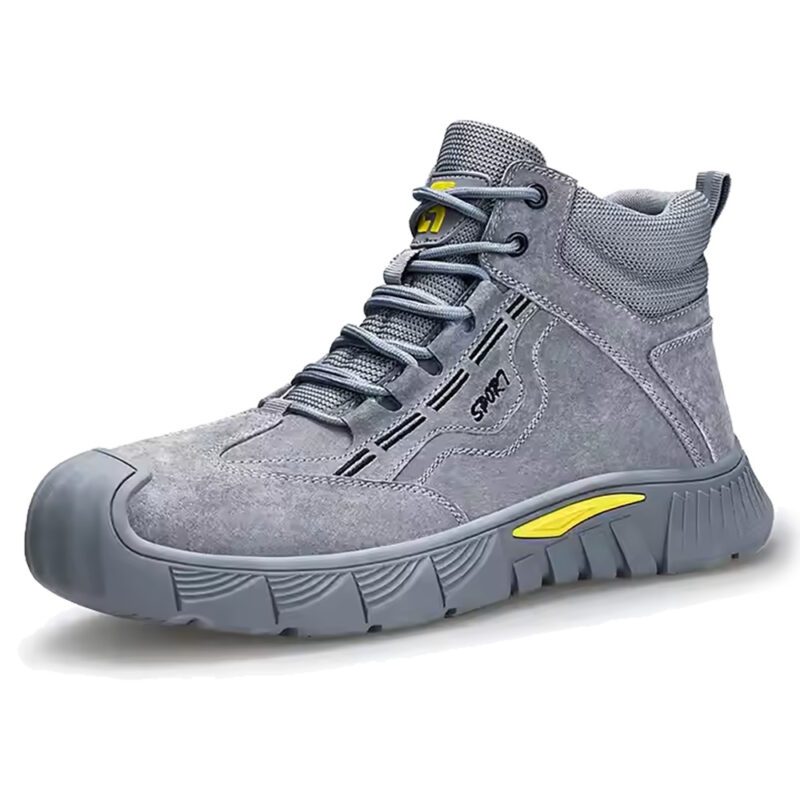
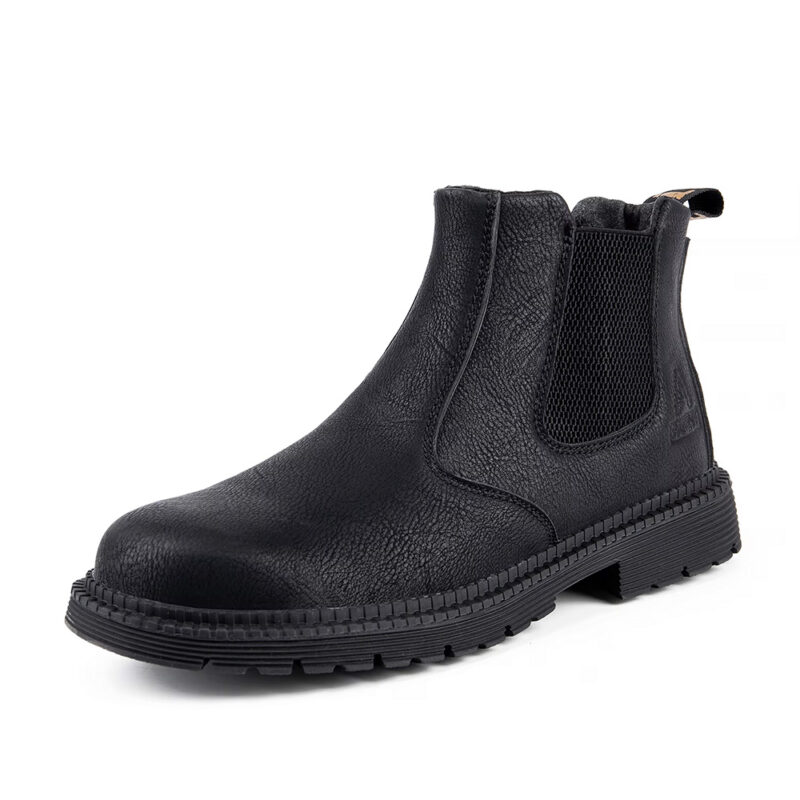
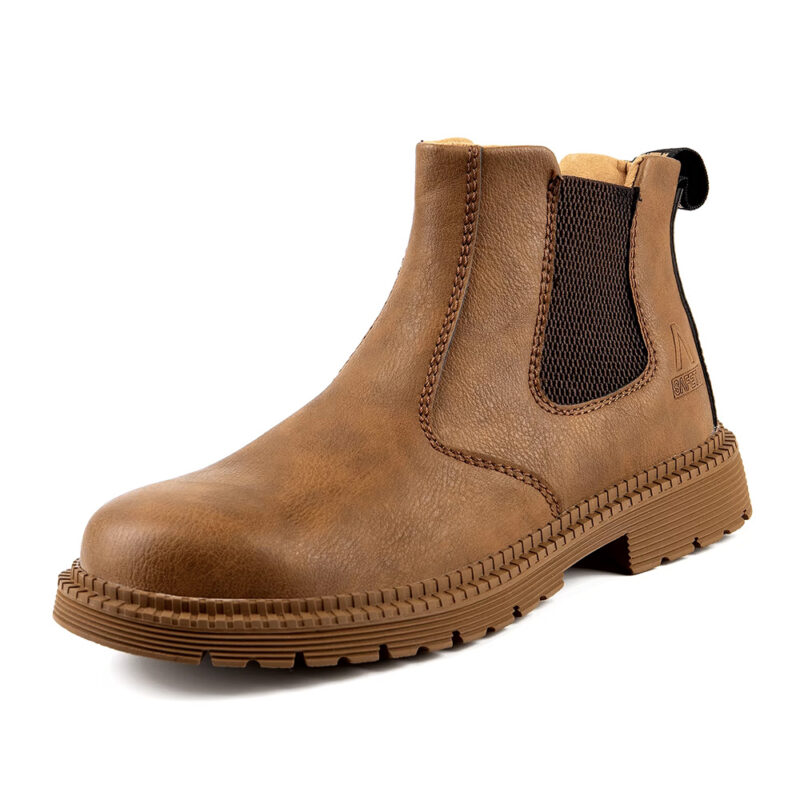
When your workday involves heavy machinery, falling objects, and unforgiving terrain, the Birks Defender Kevlar Steel Toe Safety Work Boots stand ready to protect you through it all. These boots deliver the exceptional durability, reliable protection, and all-day comfort you need to tackle any challenge and get the job done right, every single time.
Work boot comfort depends on several factors. Your foot shape matters. The work environment matters. The tasks you perform matter. A construction worker needs different features than a warehouse employee.
Modern work boots use advanced materials. Memory foam insoles absorb shock. Composite toe caps reduce weight. Moisture-wicking linings keep feet dry. These technologies transform traditional heavy boots into comfortable all-day footwear.
History of Comfortable Work Boots
Early work boots prioritized protection over comfort. Steel-toed boots in the 1930s weighed several pounds. Workers endured foot pain as a normal part of their jobs. The boots lasted for years but caused blisters and fatigue.
The 1970s brought significant changes. Companies began studying worker ergonomics. They discovered that comfortable workers performed better. This research led to padded collars and cushioned insoles.
The 1990s introduced athletic shoe technology to work boots. Running shoe companies partnered with work boot manufacturers. They added gel cushioning and air pockets to work boot designs. This merger created a new category: athletic work boots.
Today’s work boots continue evolving. Brands use 3D foot scanning for better fits. They test materials in laboratory settings. Computer modeling predicts pressure points before production begins.
Essential Comfort Features
Cushioning Systems
Cushioning absorbs impact with each step. The most comfortable work boots use multiple layers. A polyurethane midsole provides firm support. An EVA foam layer adds soft cushioning. A memory foam insole molds to your foot shape.
Top cushioning technologies include:
- Anti-fatigue technology – Geometric cone support systems that compress and return energy
- Gel inserts – Liquid gel pads placed at heel and forefoot strike zones
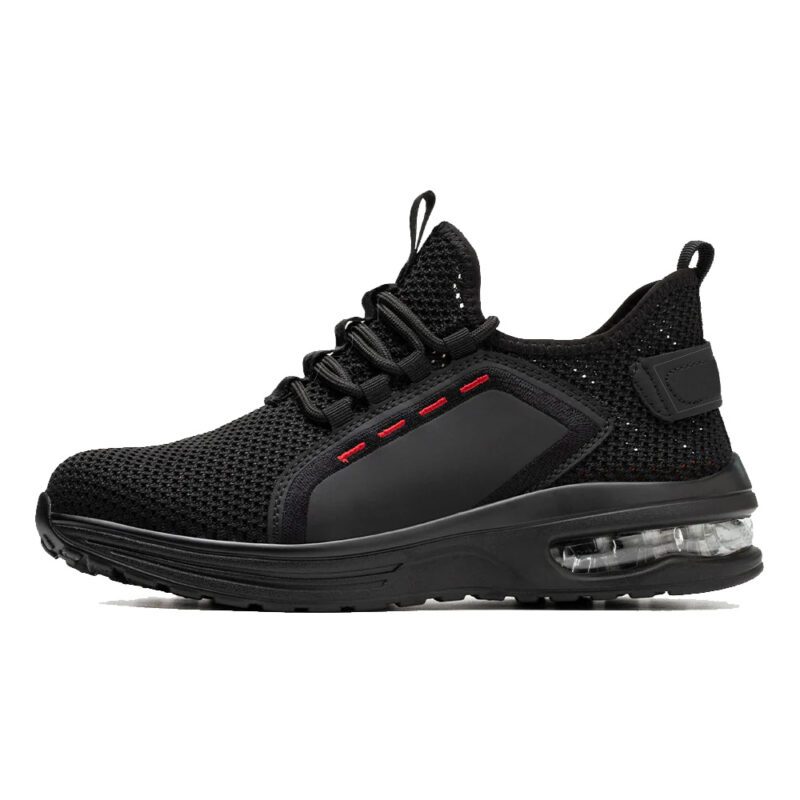
- Air cushioning – Pressurized air pockets in the sole
- Ortholite foam – Long-lasting foam that maintains cushioning properties
Arch Support
Proper arch support prevents plantar fasciitis and general foot fatigue. The arch acts as your foot’s shock absorber. Without support, the arch collapses under body weight.
Work boots offer three arch support levels:
- Low arch – Minimal support for flat feet
- Medium arch – Standard support for neutral feet
- High arch – Maximum support for high-arched feet
Some manufacturers include removable insoles. You can replace these with custom orthotics. This customization ensures proper arch alignment for your specific foot structure.
Fit and Sizing
A proper fit prevents blisters and hot spots. The boot should feel snug but not tight. Your toes need wiggle room. The heel should stay in place when walking.
Width matters as much as length. Work boots come in multiple width options:
- Narrow (B) – For slim feet
- Medium (D) – Standard width
- Wide (EE) – For broader feet
- Extra Wide (EEE) – For very wide feet
Many workers wear the wrong size. They choose boots that feel good in the store. After eight hours of work, these boots cause pain. Always try boots with your work socks. Walk around for at least ten minutes before buying.
Breathability
Feet produce approximately half a pint of sweat daily. Without breathability, moisture builds up inside boots. This moisture causes blisters, odor, and fungal infections.
Breathable work boots use several strategies:
- Mesh panels – Allow air circulation in non-safety areas
- Moisture-wicking linings – Pull sweat away from skin
- Perforated insoles – Enable air flow from bottom
- Antimicrobial treatments – Prevent odor-causing bacteria
Leather naturally breathes better than synthetic materials. Full-grain leather allows more air flow than bonded leather. Some manufacturers treat leather with oils that reduce breathability. Look for untreated or minimally treated leather uppers.
Weight Considerations
Heavy boots increase leg fatigue. Each extra ounce on your foot equals five pounds on your back. This ratio explains why light boots feel dramatically more comfortable.
Traditional steel-toe boots weigh 4-6 pounds per pair. Modern composite toe boots weigh 2-3 pounds per pair. This weight reduction comes from advanced safety materials. Composite toe caps meet the same safety standards as steel. They weigh 30-50% less.
Top Comfort Technologies
Memory Foam Integration
Memory foam responds to body heat and pressure. It molds to your unique foot shape within minutes. This custom fit reduces pressure points across your entire foot.
Quality memory foam maintains its shape for 6-12 months. Cheaper foam compresses permanently after a few weeks. Look for high-density memory foam rated at 4-6 pounds per cubic foot.
Shock Absorption Systems
Each step generates force equal to 1.5 times your body weight. Running or jumping increases this force to 3-4 times body weight. Shock absorption systems dissipate these forces.
The best systems place cushioning at impact zones. The heel strikes first and absorbs the most force. The ball of the foot needs cushioning for push-off. A cushioned midfoot supports the arch during weight transfer.
Flexibility Features
Stiff boots restrict natural foot movement. This restriction causes muscle fatigue and joint stress. Flexible boots allow your foot to bend naturally.
Key flexibility features include:
- Flex grooves – Cuts in the outsole that enable bending
- Articulated shanks – Metal or composite plates that flex with your foot
- Soft leather uppers – Material that moves without resistance
- Gusseted tongues – Allow forward ankle flex while maintaining support
Comparison of Comfort Features
| Feature | Traditional Boots | Modern Comfort Boots | Athletic Work Boots |
|---|---|---|---|
| Weight | 5-6 lbs | 3-4 lbs | 2-3 lbs |
| Break-in Period | 2-4 weeks | 1-2 weeks | Immediate |
| Cushioning Depth | 5-8mm | 12-15mm | 15-20mm |
| Arch Support | Minimal | Moderate | Maximum |
| Breathability | Low | Moderate | High |
| Flexibility | Stiff | Moderate | High |
| Price Range | $80-150 | $120-200 | $150-250 |
When your workday involves heavy machinery, falling objects, and unforgiving terrain, the Birks Defender Kevlar Steel Toe Safety Work Boots stand ready to protect you through it all. These boots deliver the exceptional durability, reliable protection, and all-day comfort you need to tackle any challenge and get the job done right, every single time.
Selecting Boots for Your Work Environment
Construction Sites
Construction workers walk on uneven surfaces. They climb ladders and scaffolding. They carry heavy materials. These activities demand specific features.
Priority features for construction:
- Ankle support – Prevents rolling on uneven ground
- Puncture-resistant soles – Protects against nails and debris
- Oil-resistant outsoles – Maintains grip on slippery surfaces
- Electrical hazard protection – Guards against electrical shocks
Choose boots with a rubber outsole for maximum grip. Leather uppers provide better durability than fabric. An 8-inch boot height offers more ankle protection than 6-inch boots.
Warehouse and Indoor Work
Warehouse workers walk on concrete floors. They stand in one place for extended periods. They rarely encounter outdoor hazards. Comfort takes priority over heavy-duty protection.
Key features for warehouse work:
- Extra cushioning – Combats concrete floor fatigue
- Lightweight construction – Reduces leg strain
- Slip-resistant soles – Prevents falls on smooth floors
- Temperature regulation – Manages indoor climate comfort
A composite toe works better than steel for indoor work. The lighter weight reduces fatigue. The non-conductive material stays warmer in cold warehouses.
Outdoor and All-Weather Work
Outdoor workers face temperature extremes, wet conditions, and varied terrain. Their boots must handle multiple challenges simultaneously.
Essential outdoor features:
- Waterproof membranes – Keep feet dry in rain and snow
- Insulation – Maintains warmth in cold weather
- Aggressive tread patterns – Grips mud, grass, and loose surfaces
- Durable uppers – Withstand brush, thorns, and abrasion
Look for Gore-Tex or similar waterproof breathable membranes. These materials block water while allowing sweat to escape. Insulation ratings range from 200g (light) to 1000g (extreme cold). Choose based on your local climate.
Maintenance for Long-Term Comfort
Daily Care
Daily maintenance extends boot life and maintains comfort. Remove dirt and debris after each shift. This prevents material breakdown and maintains flexibility.
Daily maintenance steps:
- Remove loose dirt with a brush
- Wipe surfaces with a damp cloth
- Remove insoles to air out
- Store boots in a ventilated area
- Rotate between two pairs when possible
Never store wet boots in a closed space. Moisture breeds bacteria and breaks down adhesives. Let boots dry naturally at room temperature. Avoid direct heat sources like radiators or hair dryers.
Cleaning and Conditioning
Leather needs regular conditioning to maintain flexibility. Dry leather cracks and loses its comfort properties. Clean leather before conditioning for best absorption.
Conditioning schedule:
- Light use – Condition every 2-3 months
- Moderate use – Condition monthly
- Heavy use – Condition every 2-3 weeks
Apply a thin layer of leather conditioner. Massage it into the material. Let it absorb for 30 minutes. Wipe away excess product. Your boots should feel supple but not greasy.
When to Replace
Even the most comfortable work boots wear out. Worn boots lose their protective and comfort features. Replace boots when you notice these signs:
- Cushioning feels flat or compressed
- Outsole tread depth measures less than 3mm
- Cracks appear in the upper material
- Toe cap shows visible damage
- Water leaks through previously waterproof areas
- Boot structure feels loose or unstable
Most quality work boots last 6-12 months with daily use. Lighter-duty boots may last 18-24 months. Replace boots before they fail completely. Waiting too long risks injury and foot pain.
Steps to Find Your Most Comfortable Work Boots
Follow this process to identify the best boots for your needs:
- Assess your work requirements – List hazards, surfaces, and physical demands
- Determine your foot measurements – Measure length, width, and arch type
- Set your budget range – Balance cost with expected wear time
- Research appropriate safety ratings – Verify required certifications
- Read user reviews – Focus on comfort feedback from similar workers
- Try boots with work socks – Test fit under actual conditions
- Walk for 10-15 minutes – Check for pressure points and rubbing
- Verify return policy – Ensure you can exchange if needed
- Break in gradually – Wear for short periods initially
- Monitor comfort over time – Note any developing issues early
Final Considerations
The most comfortable work boots match your specific needs. A boot that works perfectly for one person may cause pain for another. Your foot shape, work tasks, and personal preferences all influence comfort.
Invest in quality boots from reputable manufacturers. Cheap boots cost less initially but require frequent replacement. Quality boots provide better comfort and lower long-term costs.
Pay attention to your feet. Pain signals a problem. Address discomfort immediately rather than hoping it improves. Small adjustments like different insoles or lacing techniques can make significant differences.
Comfortable work boots improve your quality of life. They reduce fatigue during shifts. They prevent injuries that could sideline you for weeks. They make each workday more bearable. Choose wisely, maintain properly, and replace when needed.
When your workday involves heavy machinery, falling objects, and unforgiving terrain, the Birks Defender Kevlar Steel Toe Safety Work Boots stand ready to protect you through it all. These boots deliver the exceptional durability, reliable protection, and all-day comfort you need to tackle any challenge and get the job done right, every single time.