What’s the Best Work Boots

Understanding Work Boot Categories
Work boots serve different jobs. You need to match the boot type to your work environment. Safety requirements change based on your industry.
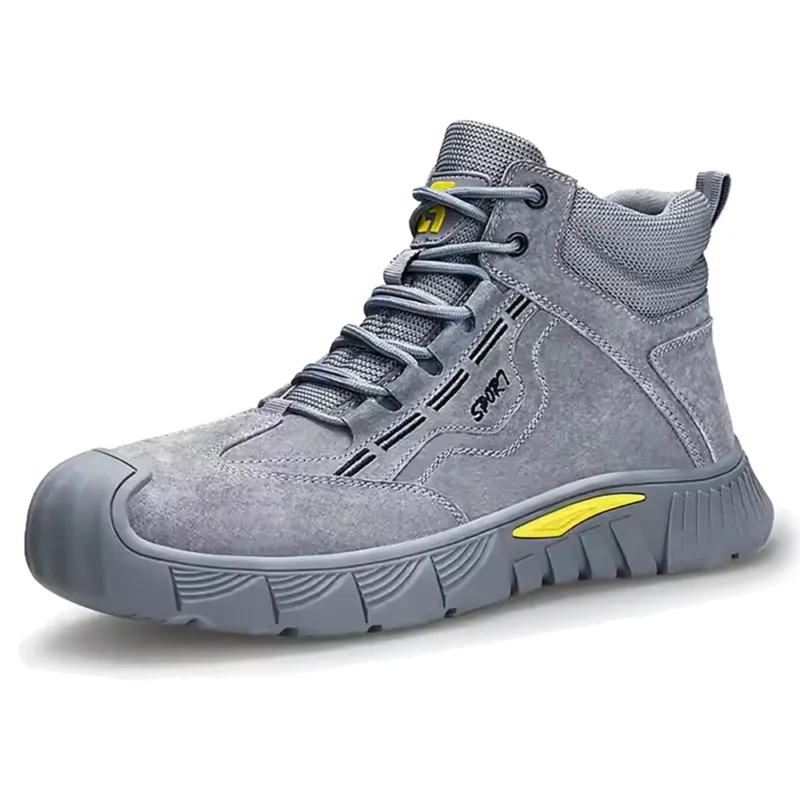
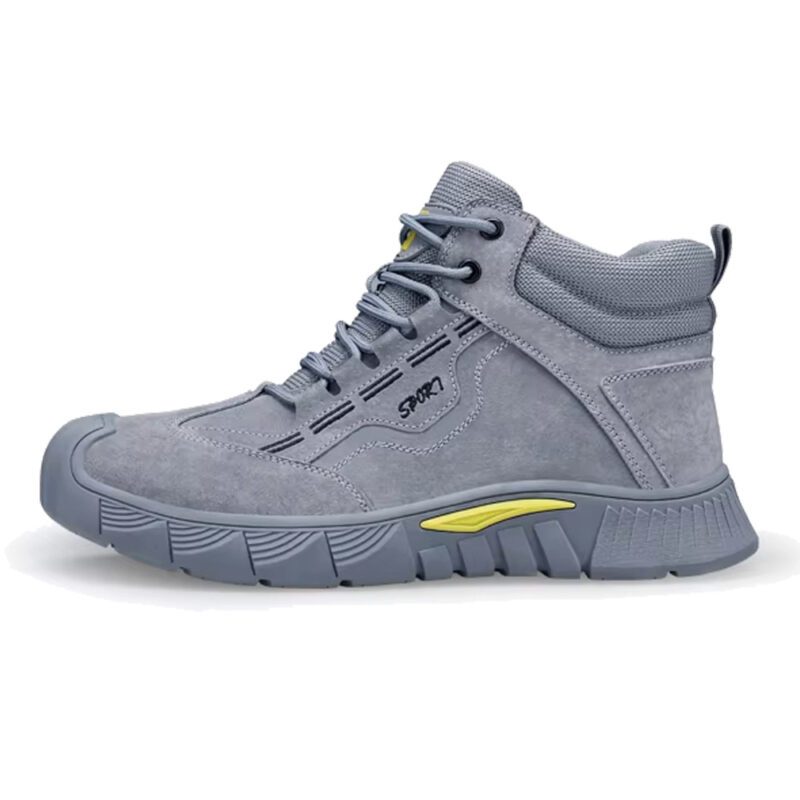
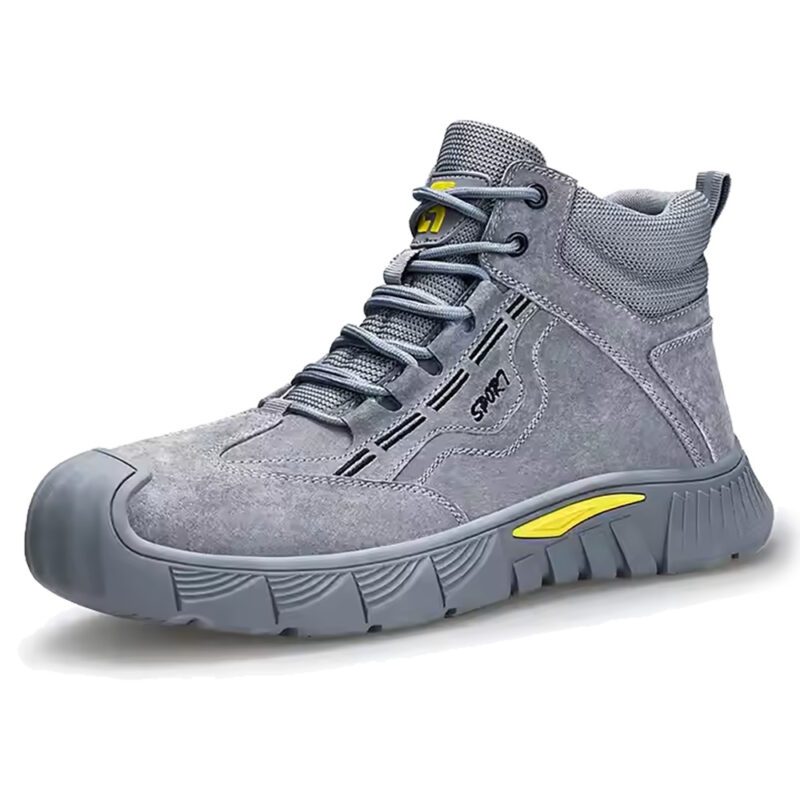
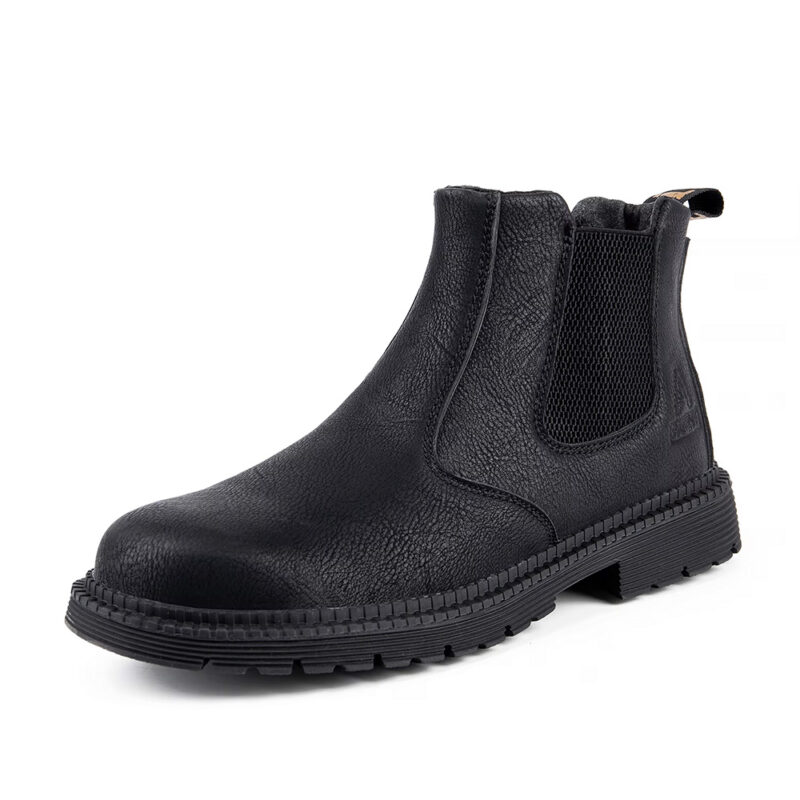
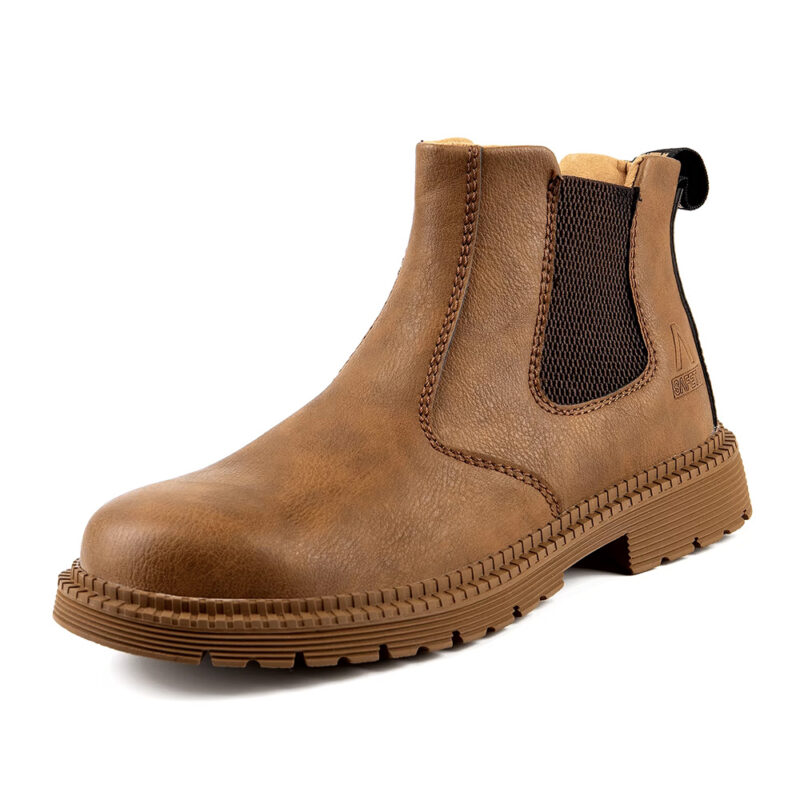
When your workday involves heavy machinery, falling objects, and unforgiving terrain, the Birks Defender Kevlar Steel Toe Safety Work Boots stand ready to protect you through it all. These boots deliver the exceptional durability, reliable protection, and all-day comfort you need to tackle any challenge and get the job done right, every single time.
Steel toe boots protect your feet from falling objects. They meet ASTM F2413 standards for impact resistance. The steel cap covers your toes and prevents crushing injuries.
Composite toe boots use materials like carbon fiber or Kevlar. These boots pass through metal detectors. They weigh less than steel toe options.
Soft toe boots offer no reinforcement. Workers in office settings or light-duty jobs prefer these. They provide comfort without safety features.
Electrical hazard boots prevent electrical shocks. The soles resist electricity up to 18,000 volts. Electricians and utility workers need this protection.
Waterproof boots keep your feet dry in wet conditions. Construction workers and outdoor laborers benefit from this feature.
History of Work Boots Development
Work boots evolved from simple leather coverings to specialized safety equipment. Ancient civilizations used animal hides wrapped around feet for protection.
The Industrial Revolution created demand for better foot protection. Factories introduced heavy machinery in the 1800s. Workers suffered frequent foot injuries from falling materials and equipment.
Red Wing Shoe Company started production in 1905. They focused on durable leather boots for miners and loggers. The company introduced oil-resistant soles in the 1930s.
Steel toe caps became standard in the 1930s. Germany pioneered this safety feature during World War I. American manufacturers adopted steel toes for factory workers by 1940.
The Occupational Safety and Health Administration (OSHA) created boot standards in 1970. These regulations forced manufacturers to improve safety features. Companies developed new materials and testing methods.
Modern boots use advanced materials. Gore-Tex arrived in the 1970s for waterproofing. Composite materials replaced steel in the 1990s. Today’s boots combine multiple technologies for maximum protection.
Critical Technical Specifications
Safety Ratings
ASTM F2413 sets the current safety standards. This rating covers three main areas:
- Impact resistance: Boots must withstand 75 pounds dropped from 18 inches
- Compression resistance: Toes must survive 2,500 pounds of pressure
- Metatarsal protection: Guards must cover the foot’s upper area
Sole Construction
The sole determines traction and durability. Three main types exist:
Rubber soles grip wet and oily surfaces. They resist chemicals and temperature changes. These soles last 6-12 months under heavy use.
Polyurethane soles offer cushioning and flexibility. They weigh less than rubber. The material breaks down after 2-3 years.
Vibram soles provide superior traction. This Italian company creates specialized patterns for different terrains. Oil rigs and construction sites prefer Vibram.
Upper Materials
Full-grain leather offers maximum durability. This material comes from the hide’s top layer. Boots made from full-grain leather last 2-5 years with proper care.
Nubuck leather provides a softer feel. Manufacturers sand the outer surface. This material requires more maintenance than full-grain.
Synthetic materials dry faster than leather. They cost less but wear out quicker. Most synthetic boots last 1-2 years.
Insulation Values
Insulation ratings use grams per square meter:
- 200g: Light insulation for active work
- 400g: Moderate cold protection
- 800g: Cold storage and winter outdoor work
- 1200g+: Extreme cold environments
Work Boot Comparison by Industry
| Industry | Boot Type Required | Key Features | Average Price Range |
|---|---|---|---|
| Construction | Steel/Composite Toe | Puncture-resistant sole, ankle support | $120-$250 |
| Electrical Work | Composite Toe, EH Rated | Non-conductive, slip-resistant | $150-$300 |
| Welding | Steel Toe | Heat-resistant, high-cut design | $130-$280 |
| Warehousing | Composite Toe | Lightweight, cushioned insole | $100-$200 |
| Oil & Gas | Steel Toe, Waterproof | Chemical-resistant, 8-inch height | $200-$400 |
| Food Service | Slip-Resistant | Oil-resistant sole, easy to clean | $80-$150 |
Key Features That Matter
Fit and Sizing
Your boot must fit correctly. Improper fit causes blisters and foot pain. Measure your feet at the end of the day when they’re largest.
Leave a thumb’s width between your longest toe and the boot’s end. The heel should not slip when you walk. Try boots with the socks you’ll wear at work.
Width matters as much as length. Boot widths range from B (narrow) to EEE (extra wide). Most men need D width. Women typically need B width.
Ankle Support
High-cut boots provide better ankle stability. An 8-inch height protects against sprains and twists. Workers on uneven terrain need this feature.
Low-cut boots offer more mobility. They work well on flat surfaces. These boots cause less fatigue during long shifts.
Breathability
Your feet produce moisture throughout the day. Boots need air circulation to prevent fungal growth and odor.
Leather naturally breathes better than synthetic materials. Some manufacturers add mesh panels for ventilation. Waterproof boots often sacrifice breathability.
Weight Considerations
Boot weight affects your energy levels. Lighter boots reduce leg fatigue. A typical work boot weighs 2-4 pounds per pair.
Composite toe boots weigh 30% less than steel toe versions. This difference matters during 10-12 hour shifts. Calculate the total weight you lift daily by multiplying boot weight by your step count.
When your workday involves heavy machinery, falling objects, and unforgiving terrain, the Birks Defender Kevlar Steel Toe Safety Work Boots stand ready to protect you through it all. These boots deliver the exceptional durability, reliable protection, and all-day comfort you need to tackle any challenge and get the job done right, every single time.
Maintenance Requirements
Proper care extends boot life significantly. Follow these steps:
Daily Care
- Remove dirt and debris after each shift
- Allow boots to air dry naturally
- Never place boots near direct heat sources
- Insert cedar shoe trees to maintain shape
Weekly Treatment
Apply leather conditioner to prevent cracking. Use products specifically made for work boots. Mink oil and beeswax work well for full-grain leather.
Check laces for fraying. Replace them immediately if damaged. Broken laces can cause accidents.
Inspect soles for wear patterns. Uneven wear indicates gait problems or improper fit.
Monthly Deep Clean
Remove insoles and wash them separately. Use mild soap and warm water for leather uppers. Clean rubber soles with a stiff brush.
Apply waterproofing treatment to maintain protection. Most treatments last 4-6 weeks under normal conditions.
Storage
Store boots in a cool, dry place. Avoid direct sunlight, which dries out leather. Keep boots away from chemicals and solvents.
Stuff boots with newspaper if you won’t wear them for extended periods. This prevents creasing and maintains structure.
Top Performance Indicators
Break-In Period
Quality boots require 1-2 weeks of break-in time. During this period, leather molds to your foot shape. Wear boots for 2-3 hours daily at first.
Some discomfort is normal initially. Severe pain indicates poor fit. Return boots that cause blisters after one week.
Durability Markers
Goodyear welt construction lasts longest. This method stitches the sole to the upper. You can resole these boots multiple times.
Direct attach construction bonds the sole permanently. These boots cost less but cannot be resoled. They typically last 1-2 years.
Stitching quality indicates overall craftsmanship. Look for tight, even stitches. Double or triple stitching at stress points prevents separation.
Comfort Features
Memory foam insoles conform to your foot. They provide cushioning but compress over time. Replace them every 6 months.
Shock-absorbing midsoles reduce impact on joints. EVA foam and polyurethane serve this purpose. These materials protect your knees and back.
Moisture-wicking liners pull sweat away from skin. This feature prevents blisters and keeps feet comfortable.
Selection Process Steps
Step 1: Identify Your Hazards
List all potential dangers at your workplace. Include falling objects, electrical sources, slippery surfaces, and sharp materials. Your employer’s safety officer can help with this assessment.
Step 2: Check Compliance Requirements
Verify which safety standards your industry requires. OSHA mandates specific features for certain jobs. Your employer must provide this information.
Step 3: Set Your Budget
Quality work boots cost $150-$300 on average. Cheaper boots wear out faster and provide less protection. Calculate the cost per day of use to determine real value.
Step 4: Test Multiple Brands
Different manufacturers use different sizing systems. Try at least three brands. Walk around the store for 10-15 minutes in each pair.
Step 5: Evaluate Comfort Immediately
Your boots should feel comfortable right away. Some break-in is normal, but the basic fit must work from day one. Trust your instincts about comfort.
Step 6: Verify Return Policies
Keep your receipt and original packaging. Most retailers allow returns within 30 days. Some manufacturers offer satisfaction guarantees up to 90 days.
Common Mistakes to Avoid
Many workers buy boots that are too large. They believe extra room adds comfort. Oversized boots cause blisters and reduce stability.
Ignoring width measurements leads to foot problems. Narrow feet slide around in wide boots. Wide feet get pinched in narrow boots.
Skipping the break-in period causes premature wear. Leather needs time to soften. Going straight to a 12-hour shift damages the material.
Using improper cleaning products ruins boots. Harsh chemicals dry out leather. Stick to products designed for work boots.
Wearing wet boots creates mold growth. Always allow full drying between shifts. Keep a second pair for rotation if you work in wet conditions.
Final Recommendations
The best work boots match your specific job requirements. No single boot works for everyone. Construction workers need different features than warehouse employees.
Prioritize safety certifications above all else. ASTM ratings ensure minimum protection levels. Your employer may require specific certifications.
Invest in quality boots from established manufacturers. Brands like Red Wing, Timberland PRO, and Wolverine have proven track records. These companies stand behind their products.
Budget for boot replacement every 1-2 years. Even the best boots wear out under daily use. Plan this expense into your work costs.
Consider buying two pairs for rotation. This practice extends the life of both pairs. Boots need 24 hours to dry completely between wears.
Visit Birks Boots for expert fitting assistance. Professional staff can identify your specific needs. They measure both feet and recommend appropriate options.
Your feet carry you through every workday. Proper boots protect your health and safety. Take time to find the right pair for your job.
When your workday involves heavy machinery, falling objects, and unforgiving terrain, the Birks Defender Kevlar Steel Toe Safety Work Boots stand ready to protect you through it all. These boots deliver the exceptional durability, reliable protection, and all-day comfort you need to tackle any challenge and get the job done right, every single time.