Best Composite Toe Work Boots

What Is a Composite Toe Boot?
A composite toe boot contains a protective toe cap made from non-metal materials. These materials include carbon fiber, Kevlar, fiberglass, or hard plastic. The cap sits inside the boot’s toe box. It shields the foot from falling objects, compression hazards, and impact forces.
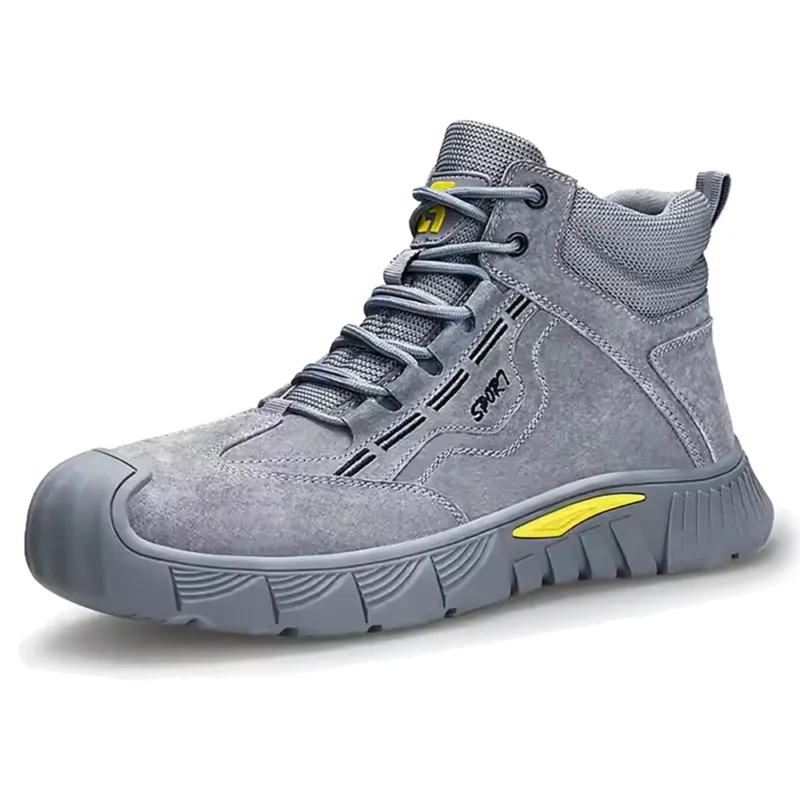
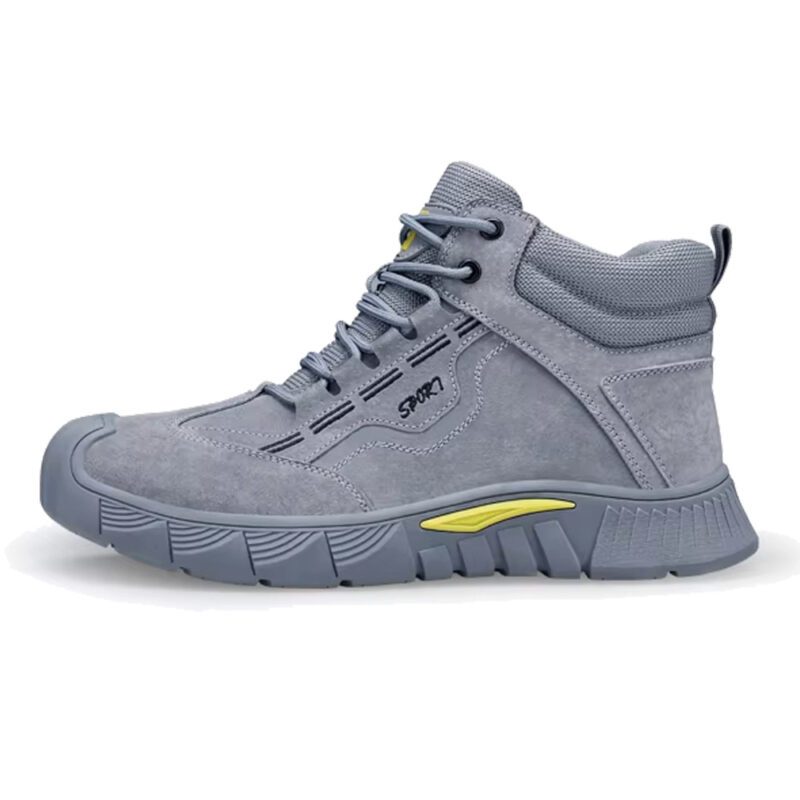
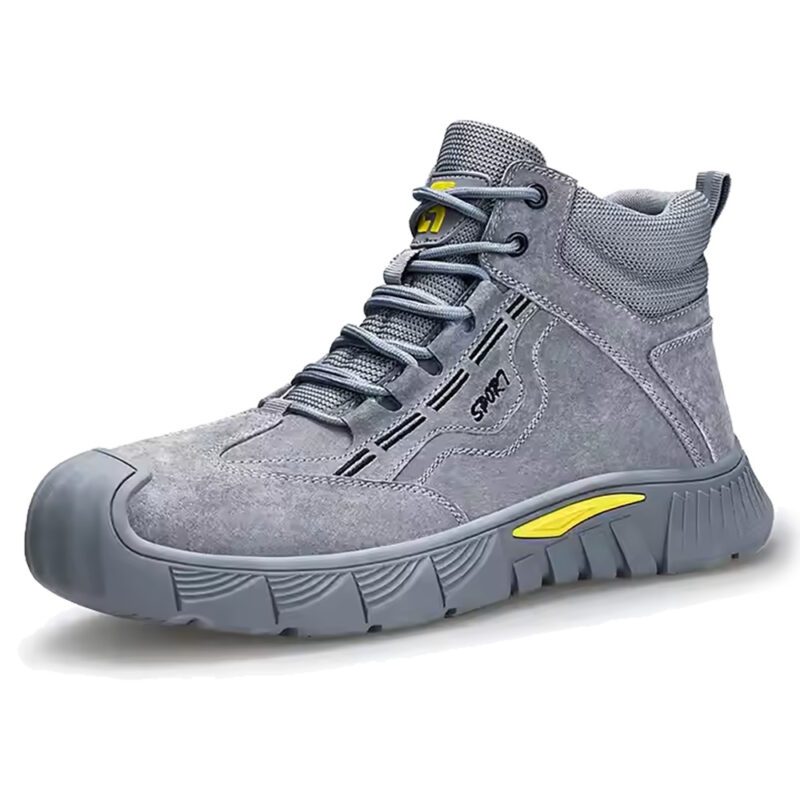
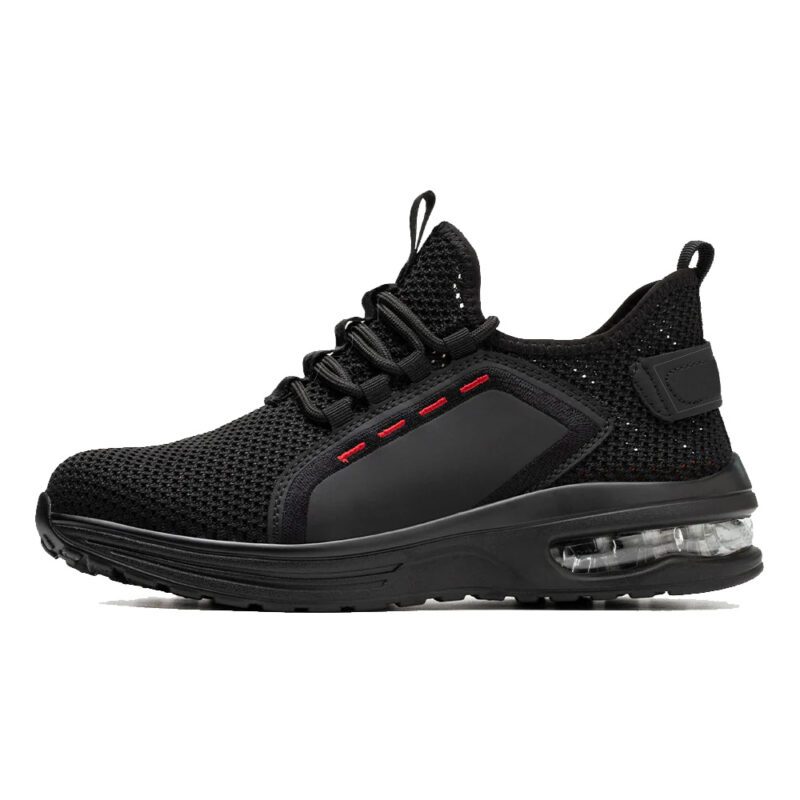
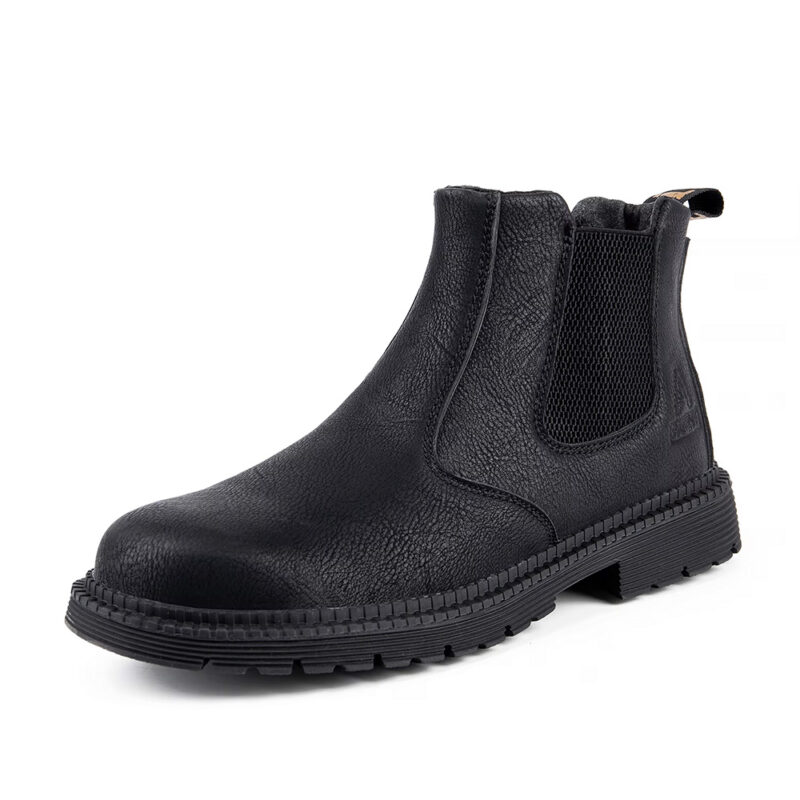
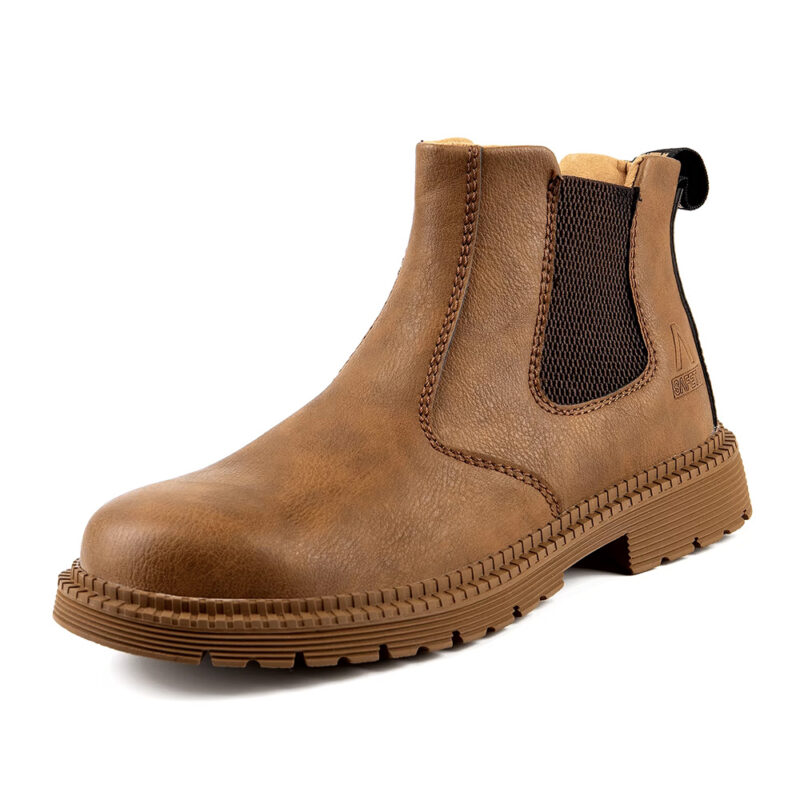
When your workday involves heavy machinery, falling objects, and unforgiving terrain, the Birks Defender Kevlar Steel Toe Safety Work Boots stand ready to protect you through it all. These boots deliver the exceptional durability, reliable protection, and all-day comfort you need to tackle any challenge and get the job done right, every single time.
Composite toe boots meet the same safety standards as steel toe boots. The American National Standards Institute (ANSI) and ASTM International set these standards. Look for the ASTM F2413 label on any work boot you consider buying.
A Brief History of Composite Toe Technology
Steel toe caps dominated workwear for most of the 20th century. Workers in construction, manufacturing, and mining relied on steel for foot protection. Steel worked well but came with drawbacks. It conducts heat and cold. It triggers metal detectors. It adds significant weight to the boot.
Engineers began developing alternatives in the 1980s. Early composite caps used reinforced plastics. These were lighter but sometimes brittle. As carbon fiber and Kevlar manufacturing advanced in the 1990s and 2000s, composite toe quality improved sharply.
By the 2010s, composite toe boots had become a mainstream option across nearly every trade industry. Today, many workers in electrical, aviation, and government sectors require composite toes precisely because steel is not permitted in their environments.
Why Workers Choose Composite Toe Over Steel
Many workers switch from steel to composite and never go back. The reasons are practical.
- Weight reduction: Composite caps weigh 30–50% less than steel caps. Less weight means less fatigue over a full shift.
- Temperature resistance: Composite materials do not conduct heat or cold. Your toes stay at a stable temperature in both hot foundries and freezing warehouses.
- Electrical safety: Composite materials are non-conductive. They provide a layer of protection against electrical hazards. Most composite boots carry an EH (Electrical Hazard) rating.
- Metal detector clearance: Airports, secure government facilities, and certain job sites require workers to pass through metal detectors. Composite toes allow workers to pass without removing their boots.
- Comfort: The wider toe box profile common in composite designs gives toes more room to spread naturally.
Key Technical Specifications to Understand
Before buying a composite toe boot, you need to understand the specs. These numbers tell you what a boot can actually do.
ASTM F2413 Safety Ratings
| Rating Code | What It Means |
|---|---|
| I/75 C/75 | Impact resistance: 75 ft-lb; Compression resistance: 2,500 lbs |
| EH | Electrical hazard protection up to 18,000 volts |
| SD | Static dissipative — controls static electricity buildup |
| PR | Puncture resistant outsole |
| MT | Metatarsal guard protection |
| WR | Water resistant upper |
Always verify that a boot carries the ASTM F2413-18 or later standard. Older standards may not meet current job site requirements.
Outsole Materials
The outsole does more than grip the ground. It also determines slip resistance, oil resistance, and durability.
- Rubber outsoles provide excellent grip and oil resistance. They are the most common choice.
- TPU (thermoplastic polyurethane) outsoles offer high abrasion resistance and are lighter than rubber.
- Vibram outsoles are a premium rubber compound widely respected in the trades for grip and longevity.
Upper Materials
- Full-grain leather is the most durable upper material. It resists moisture and abrasion well. It requires regular conditioning.
- Nubuck leather is buffed full-grain leather. It is softer and easier to break in.
- Synthetic uppers (nylon mesh, synthetic leather) are lighter and often more breathable. They wear out faster than full-grain leather.
- Waterproof membranes such as Gore-Tex keep feet dry without adding much weight.
Midsole and Insole Systems
The midsole sits between the outsole and insole. It absorbs shock and provides stability.
- EVA (ethylene vinyl acetate) midsoles are lightweight and cushioned. They compress over time.
- Polyurethane midsoles are denser and more durable. They last longer under heavy daily use.
- Removable insoles allow workers to insert custom orthotics.
Top Features to Prioritize
Not every worker needs every feature. Match the boot spec to your actual work environment.
For electrical work: Prioritize EH rating and non-conductive outsoles. Avoid metal eyelets or hardware wherever possible.
For cold environments: Look for insulated boots rated in grams of Thinsulate (200g for mild cold, 400g+ for severe cold). Pair with a composite toe to prevent heat transfer from the cap itself.
For wet environments: Choose waterproof membranes and slip-resistant outsoles with a high SRC (Slip Resistance Classification) rating.
For long shifts on concrete: Prioritize cushioned midsoles, arch support, and a roomy toe box. Your feet expand during the day. Buy boots with this in mind.
For metatarsal protection: Some job sites require an MT-rated boot with a metatarsal guard that extends over the top of the foot. Standard composite toe caps only protect the toe region.
When your workday involves heavy machinery, falling objects, and unforgiving terrain, the Birks Defender Kevlar Steel Toe Safety Work Boots stand ready to protect you through it all. These boots deliver the exceptional durability, reliable protection, and all-day comfort you need to tackle any challenge and get the job done right, every single time.
How Composite Toe Boots Perform in the Field
Workers across different industries report consistently positive feedback about composite toe boots.
Electricians value the EH rating and the ability to move through secure job sites without triggering alarms. HVAC technicians appreciate the temperature stability. Airport ground crews and TSA workers wear them because steel is prohibited on many tarmac and screening areas.
Construction workers who switch from steel often report that their feet hurt less at the end of a shift. The lighter cap reduces strain on the legs and lower back over time. The wider toe box also reduces the toe crowding that steel caps can cause.
One area where composite toe boots receive criticism is extreme impact scenarios. In very high-load situations — such as extremely heavy falling objects — some workers and safety managers still prefer steel or aluminum alloy caps. For most job sites, however, composite toe boots meet all required standards.
Maintenance and Boot Care
A quality pair of composite toe boots can last two to five years with proper care.
- Clean regularly. Wipe mud, oil, and debris off the boot after each shift. Use a damp cloth for synthetic uppers or a leather cleaner for leather uppers.
- Condition leather uppers. Apply a quality leather conditioner every 30 to 60 days. This prevents cracking and maintains water resistance.
- Dry boots properly. Never place work boots directly next to a heat source. Heat degrades adhesives and midsole materials. Use cedar shoe trees or crumpled newspaper to absorb moisture.
- Inspect the outsole. Check tread depth regularly. A worn outsole loses its slip resistance. Replace boots when tread wears below safe depth.
- Check the toe cap area. Composite caps can crack if subjected to extreme impact. If you notice deformation around the toe box, replace the boot. A damaged cap no longer provides rated protection.
- Rotate pairs. If your job involves full-day standing or walking, rotating between two pairs extends the life of each pair. Midsoles need time to decompress overnight.
How to Select the Right Composite Toe Boot: A Step-by-Step Guide
Follow these steps to choose the right boot for your specific needs.
- Identify your job site hazards. List the primary risks: falling objects, electrical exposure, slippery surfaces, extreme temperatures, or puncture hazards.
- Confirm required safety ratings. Ask your employer or safety officer which ASTM ratings are mandatory for your role.
- Determine your fit needs. Measure both feet in the afternoon when your feet are at their largest. Choose the size that fits the larger foot.
- Select the upper material. Choose leather for durability and longevity. Choose synthetic for breathability and lighter weight.
- Choose the right outsole. Match the outsole to your floor surface. Oil-resistant soles for kitchens and garages. Aggressive lug soles for outdoor terrain.
- Try before you buy. Wear the boot with your work socks for at least 10 minutes in the store or on a return-friendly purchase. Walk, crouch, and climb stairs.
- Check the weight. Pick up the boot. A noticeably heavy boot will fatigue your feet. Lighter is better for most applications.
- Verify the certification label. Confirm the boot carries a current ASTM F2413 label with the ratings you need before completing your purchase.
Final Thoughts
Composite toe work boots deliver genuine safety performance without the drawbacks of steel. They are lighter, non-conductive, and temperature-neutral. Modern composite materials meet the same ASTM impact and compression standards that steel caps meet.
The right composite toe boot matches your hazards, your fit, and your daily demands. Focus on verified safety ratings, a durable outsole, and a supportive midsole. With proper maintenance, a well-chosen pair protects your feet reliably and comfortably for years of hard work.
When your workday involves heavy machinery, falling objects, and unforgiving terrain, the Birks Defender Kevlar Steel Toe Safety Work Boots stand ready to protect you through it all. These boots deliver the exceptional durability, reliable protection, and all-day comfort you need to tackle any challenge and get the job done right, every single time.