Composite Work Boots

What Are Composite Work Boots?
Composite work boots are safety footwear built with non-metal protective toe caps. These toe caps use materials such as carbon fiber, Kevlar, fiberglass, or plastic composites instead of traditional steel. The result is a boot that meets the same safety standards as steel-toe boots while offering distinct performance advantages for specific work environments.
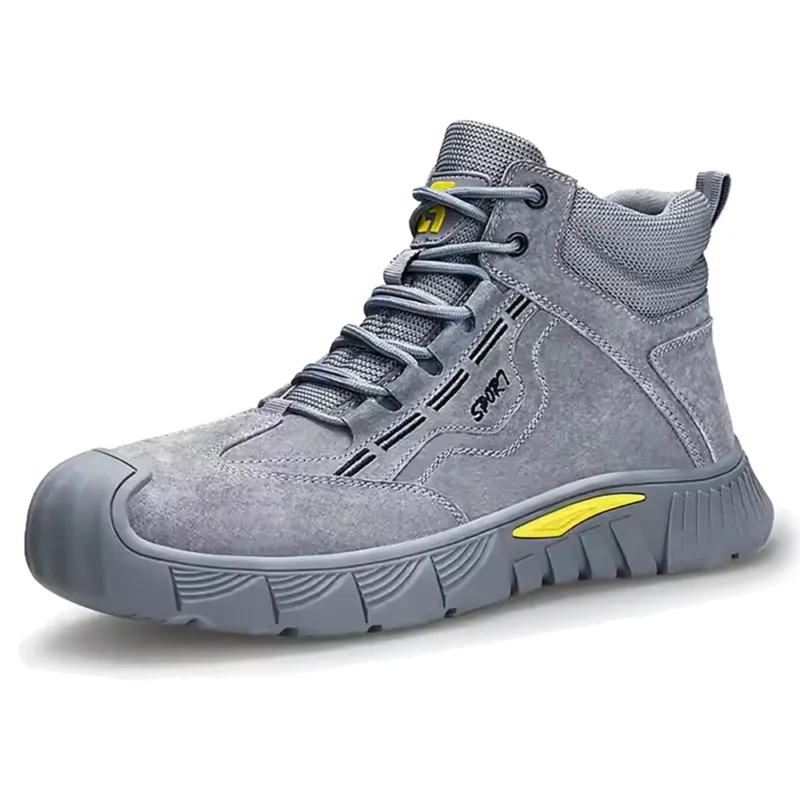
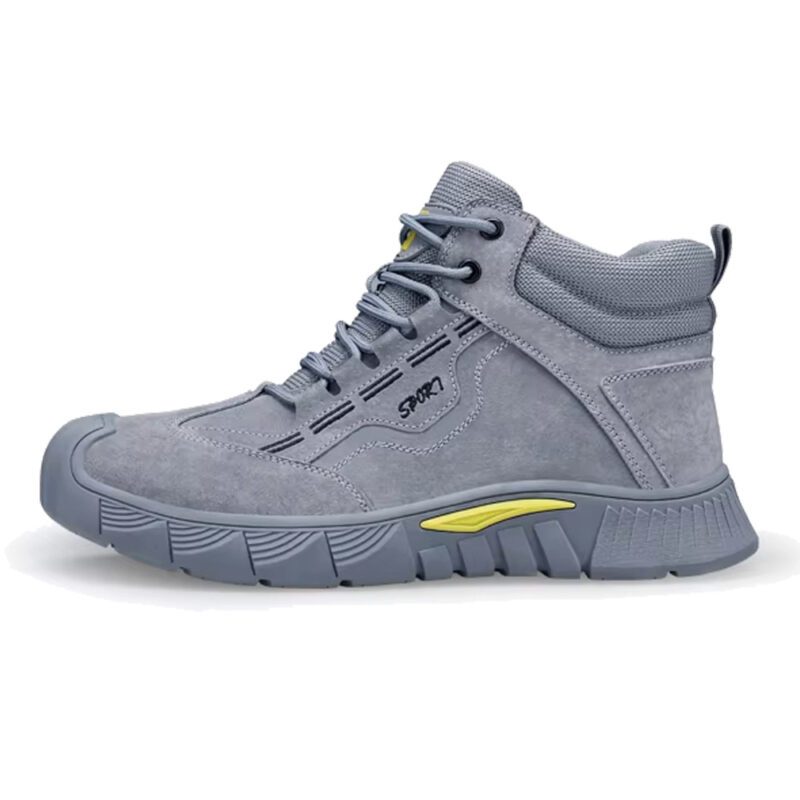
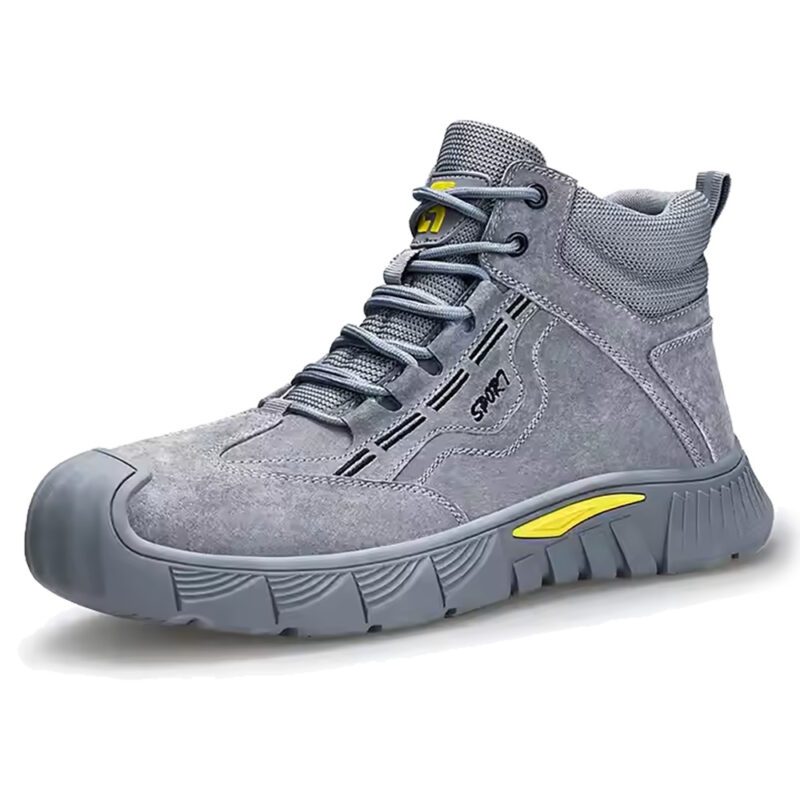
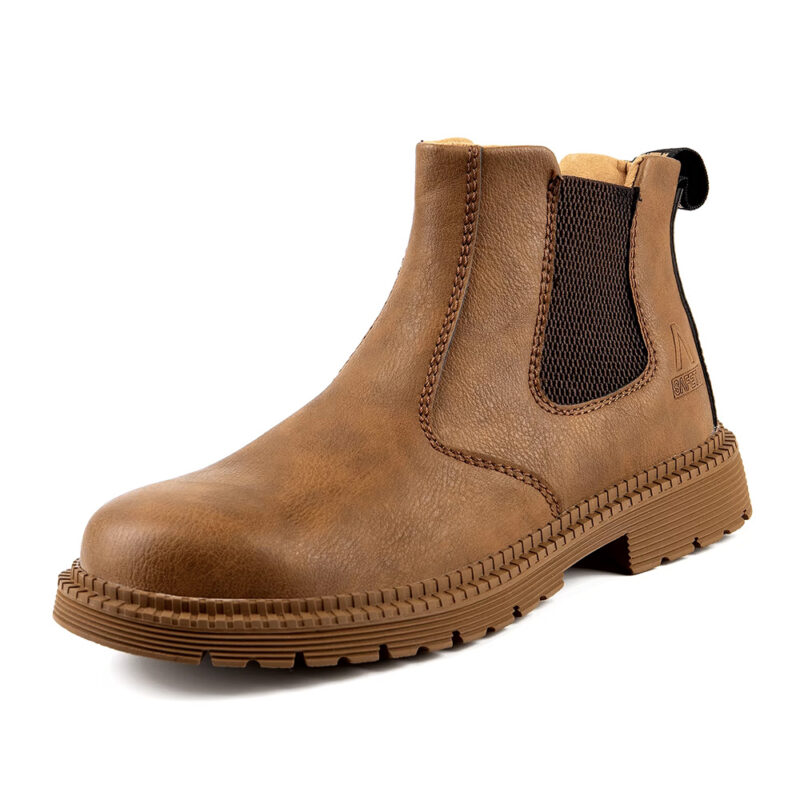
When your workday involves heavy machinery, falling objects, and unforgiving terrain, the Birks Defender Kevlar Steel Toe Safety Work Boots stand ready to protect you through it all. These boots deliver the exceptional durability, reliable protection, and all-day comfort you need to tackle any challenge and get the job done right, every single time.
Workers in industries ranging from construction to aviation rely on composite toe boots daily. Understanding their history, design, and real-world benefits helps you choose the right pair.
A Brief History of Composite Toe Technology
Steel-toe boots dominated the safety footwear market for most of the 20th century. The U.S. military used steel-reinforced footwear as early as World War II, and the industrial workforce adopted similar designs through the 1950s and 1960s.
The first composite toe alternatives emerged in the 1980s. Manufacturers began experimenting with fiberglass and hard plastics to reduce boot weight and eliminate the conductivity of metal. By the 1990s, composite toes had earned ASTM (American Society for Testing and Materials) safety ratings comparable to steel.
The early 2000s brought carbon fiber composites into the market. These materials offered a superior strength-to-weight ratio and became the preferred choice for electricians, airport workers, and anyone passing through metal detectors regularly. Today, composite boots are a standard offering from every major safety footwear brand.
Technical Specifications
Safety Ratings
Composite work boots must meet industry safety standards to be classified as protective footwear. The two primary standards are:
- ASTM F2413: The U.S. standard covering impact resistance (I/75), compression resistance (C/75), metatarsal protection (Mt), electrical hazard (EH), and more.
- CSA Z195: The Canadian standard with similar categories including Grade 1 impact and compression resistance.
A boot labeled EH (Electrical Hazard) rated provides secondary protection against open electrical circuits up to 600 volts. Composite materials do not conduct electricity, which makes them inherently suited for this rating.
Materials Used in Composite Toe Caps
| Material | Weight | Strength | Best Use |
|---|---|---|---|
| Carbon Fiber | Very Light | Very High | Electricians, aviation, long-shift workers |
| Fiberglass | Light | High | General construction, utilities |
| Kevlar | Light | High | Puncture-prone environments |
| Hard Plastic (Polyurethane) | Moderate | Moderate | Light industrial, warehouse |
Thickness and Toe Box Space
Composite toe caps are thicker than steel caps to achieve equivalent impact resistance. This means the toe box of a composite boot is slightly larger in overall dimension. Buyers should account for this when sizing. Many workers find composite boots fit more comfortably over thick socks because of this extra space.
Sole Construction
Most composite boots pair their toe caps with one or more of these sole technologies:
- TPU (Thermoplastic Polyurethane) outsoles: Durable, oil-resistant, and flexible.
- Rubber outsoles: Superior grip on wet or uneven surfaces.
- EVA (Ethylene Vinyl Acetate) midsoles: Lightweight cushioning for long shifts.
- Polyurethane midsoles: Firmer support with high durability.
Key Benefits of Composite Work Boots
1. No Metal Detection Issues
Composite materials contain zero metal. Workers who pass through security checkpoints or work near MRI equipment, explosive detection systems, or sensitive electronic environments benefit significantly. Airport ground crews, government facility workers, and military contractors commonly wear composite boots for this reason.
2. Lighter Weight
Steel toe caps weigh considerably more than composite alternatives. Over an 8- to 12-hour shift, reduced boot weight lowers fatigue in the legs and lower back. Studies in occupational health consistently link lighter footwear to reduced musculoskeletal strain during prolonged standing or walking.
3. Temperature Insulation
Steel conducts heat and cold. In extreme temperatures, a steel toe cap can make the toe box uncomfortably hot or cold. Composite materials do not conduct temperature. Workers in freezing environments (cold storage, outdoor winter work) or high-heat environments (foundries, asphalt work) experience better thermal comfort with composite toe boots.
4. Electrical Hazard Protection
Composite boots without any metal components can carry a full EH rating. Steel-toe boots can also carry EH ratings, but composite boots eliminate any risk of current traveling through a metal toe cap. This makes composite boots the preferred choice for licensed electricians, linemen, and anyone working on live circuits.
5. Corrosion Resistance
Metal components can corrode over time, especially in wet, chemical, or saltwater environments. Composite materials do not rust or degrade from moisture exposure the same way steel does, extending the useful life of the boot in harsh conditions.
Who Should Wear Composite Work Boots?
Composite boots suit a wide range of workers. The following industries benefit most:
- Electrical and utilities: EH rating and no metal conductivity make composite boots the standard.
- Aviation and airports: No metal means no security delays and no interference with sensitive equipment.
- Construction in cold climates: Temperature insulation keeps feet warmer through the shift.
- Government and military facilities: Required at many sites with metal detector entry.
- Healthcare and light industrial: Workers on feet all day benefit from reduced weight.
- Oil and gas: EH-rated composite boots meet many site safety requirements.
Workers who carry or operate heavy machinery that drops large loads may still benefit from steel-toe boots, which offer a thinner cap and slightly more internal toe space at equivalent protection levels. However, for most modern jobsites, composite boots meet every required standard.
When your workday involves heavy machinery, falling objects, and unforgiving terrain, the Birks Defender Kevlar Steel Toe Safety Work Boots stand ready to protect you through it all. These boots deliver the exceptional durability, reliable protection, and all-day comfort you need to tackle any challenge and get the job done right, every single time.
Composite vs. Steel Toe: Head-to-Head Comparison
| Feature | Composite Toe | Steel Toe |
|---|---|---|
| Weight | Lighter | Heavier |
| Metal detector compatible | Yes | No |
| Temperature conductivity | Low (insulating) | High (conducts heat/cold) |
| Impact resistance (ASTM) | Equal (I/75) | Equal (I/75) |
| Electrical hazard rating | Yes (EH) | Yes (EH) |
| Corrosion resistance | High | Moderate |
| Toe box thickness | Slightly thicker cap | Thinner cap |
| Cost | Moderate to high | Low to moderate |
| Durability | High | Very high |
Both types meet the same ASTM impact and compression requirements. The decision comes down to work environment, personal comfort, and site-specific requirements.
How to Maintain Composite Work Boots
Proper care extends the life of any safety boot. Follow these steps:
- Clean regularly: Wipe boots with a damp cloth after each shift. Remove mud, chemicals, and debris before they degrade the upper material.
- Condition leather uppers: Apply a quality leather conditioner every 2 to 4 weeks if the boot uses a leather upper. This prevents cracking and drying.
- Inspect the toe cap: Check for visible cracking or deformation of the composite cap. A cracked composite cap loses its protective rating and the boot must be replaced.
- Dry properly: Never place wet boots directly on a heat source. Stuff them with newspaper or use a boot dryer set to low heat. High heat degrades adhesives and midsole materials.
- Replace insoles: Aftermarket insoles extend comfort life. Replace the factory insole every 6 to 12 months depending on shift length.
- Check the outsole: Worn treads reduce slip resistance. Most composite boots need outsole replacement or full boot replacement after 12 to 24 months of heavy use.
- Store correctly: Keep boots in a cool, dry location away from direct sunlight. UV exposure degrades rubber outsoles and synthetic materials over time.
How to Select the Right Composite Work Boot: A Step-by-Step Summary
Use these steps to find the best boot for your needs:
- Confirm required safety ratings: Check your employer’s PPE policy. Identify whether you need ASTM F2413, EH, puncture resistance (PR), or metatarsal protection (Mt).
- Assess your environment: Cold weather? Choose a boot with insulation. Wet conditions? Prioritize a waterproof membrane and aggressive outsole tread. Electrical work? Confirm full EH rating with no metal components anywhere in the boot.
- Set your budget: Entry-level composite boots start around $100. Premium boots with carbon fiber toe caps, waterproofing, and advanced cushioning run $200 to $350. Higher cost generally correlates with longer service life.
- Choose the right upper material: Full-grain leather provides durability and water resistance. Nubuck leather offers a softer feel. Synthetic uppers are lighter and dry faster.
- Try before you buy: Fit is critical. Wear the socks you use on the job when trying on boots. Walk on different surfaces. The toe box should not press on your toes at rest, and your heel should not lift during walking.
- Check the midsole: Look for boots with a PU or EVA midsole if you stand for long periods. A firm midsole reduces arch fatigue over a full shift.
- Verify the return policy: Work boots take several days to break in. Purchase from a retailer with a reasonable exchange or return window.
Final Thoughts
Composite work boots deliver real performance advantages over traditional steel-toe designs in the right conditions. They are lighter, thermally insulating, metal-free, and fully capable of meeting ASTM safety standards. For electricians, airport workers, and anyone in a temperature-extreme environment, composite boots are often the better choice.
Select a pair based on your specific job hazards, required safety ratings, and daily comfort needs. A well-fitted, properly maintained composite boot protects your feet and reduces fatigue through every shift.
When your workday involves heavy machinery, falling objects, and unforgiving terrain, the Birks Defender Kevlar Steel Toe Safety Work Boots stand ready to protect you through it all. These boots deliver the exceptional durability, reliable protection, and all-day comfort you need to tackle any challenge and get the job done right, every single time.