Work Boot Brands

A Brief History of Work Boot Brands
Work boots have protected laborers for centuries. Early work boots were simple leather constructions stitched by cobblers for farmers, miners, and loggers. They had little structure and even less protection.
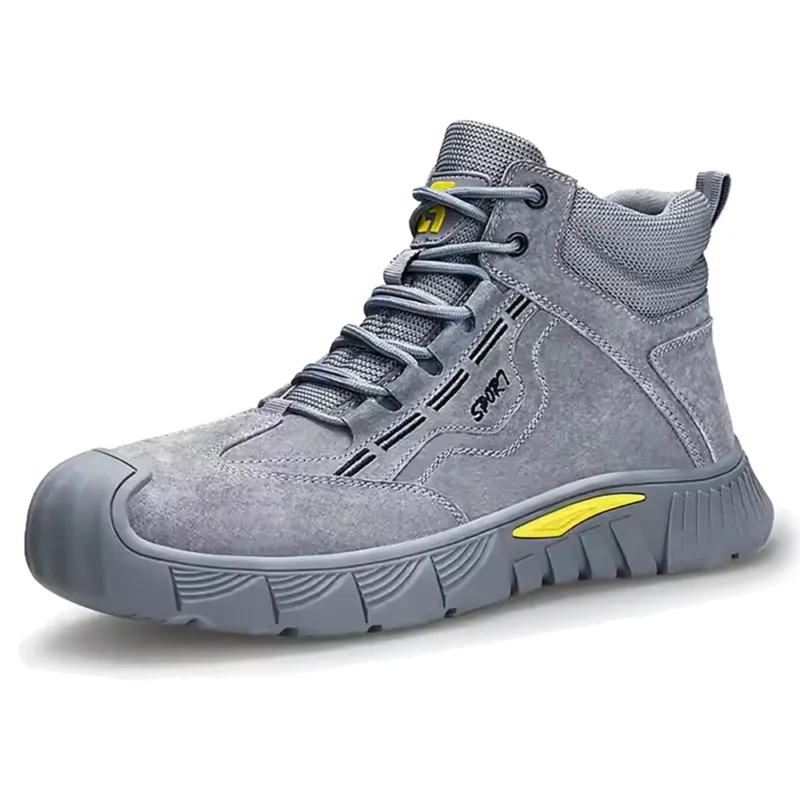
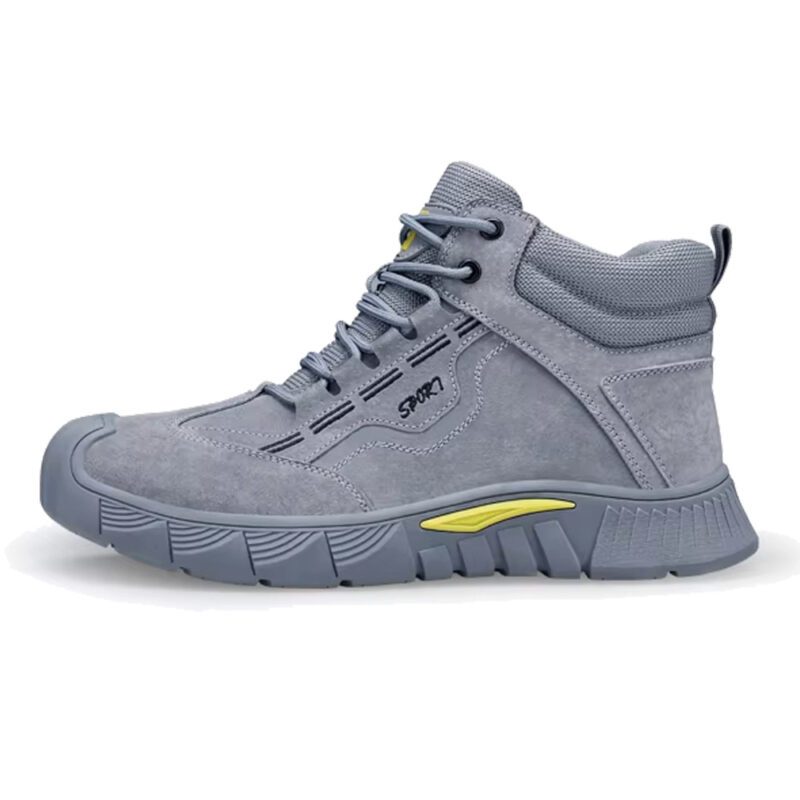
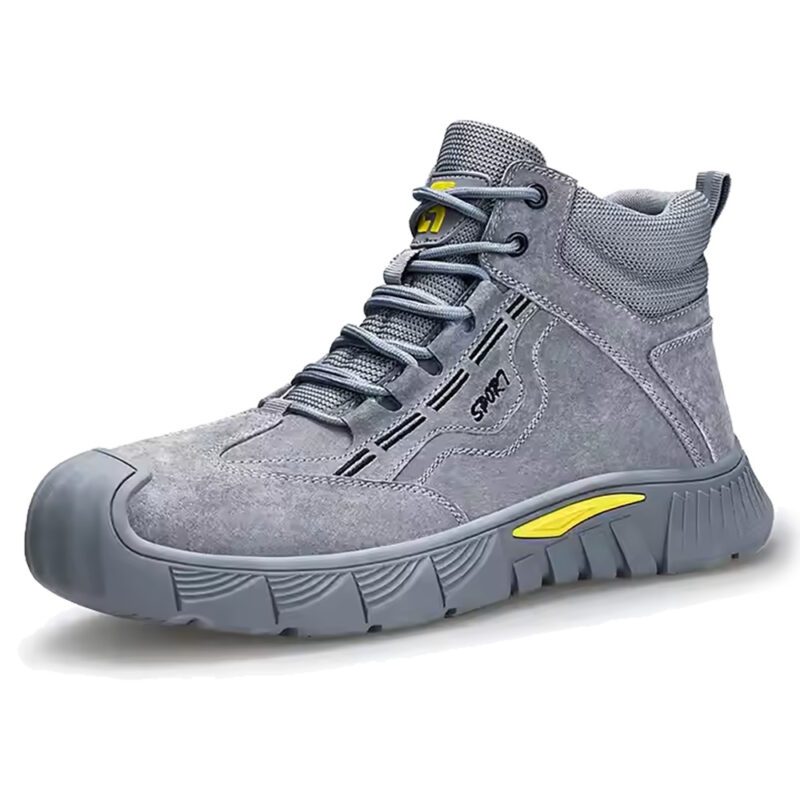
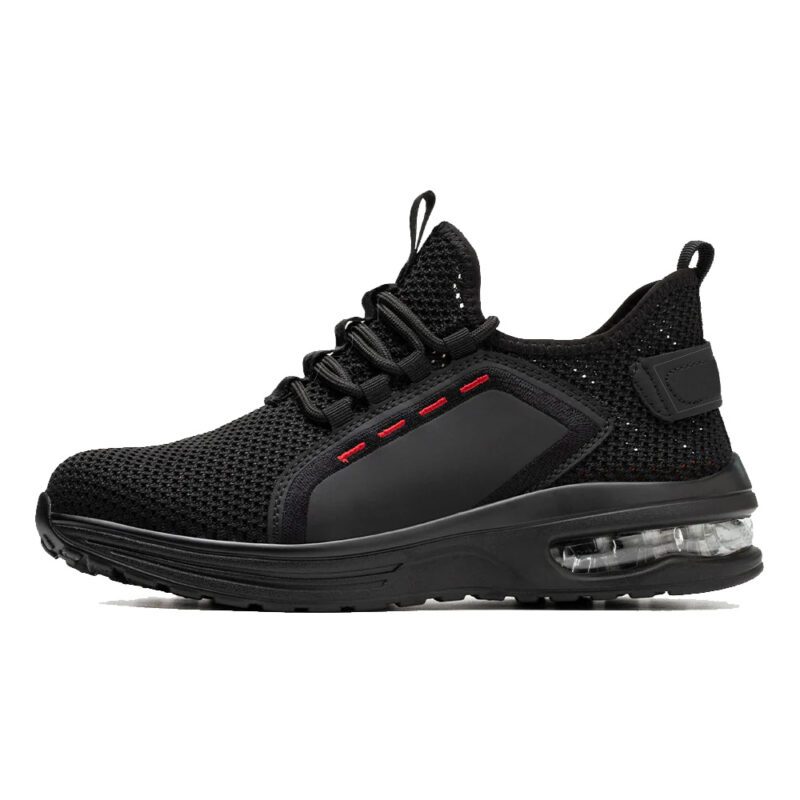
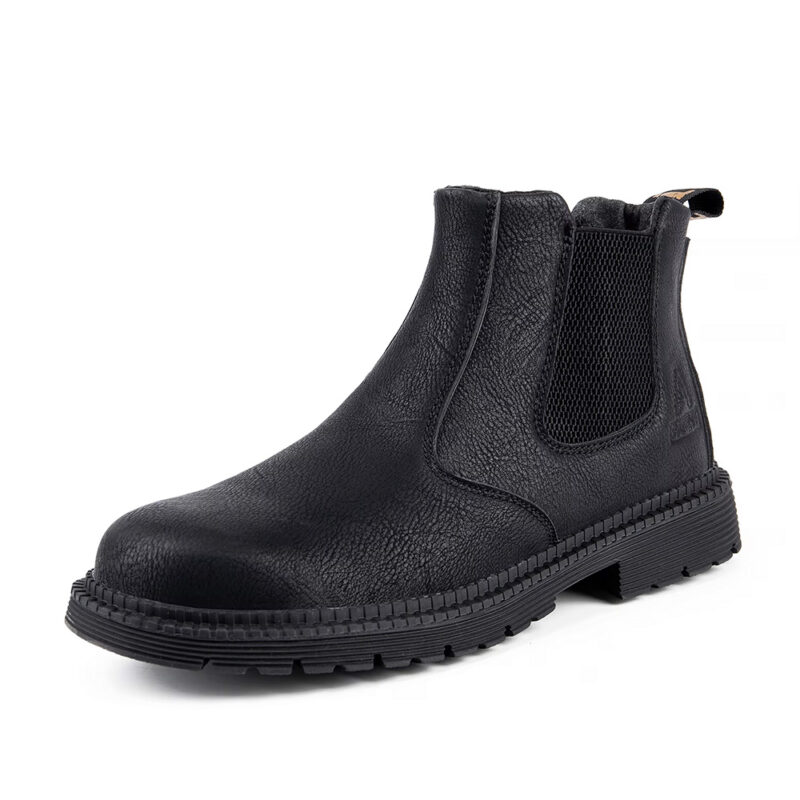
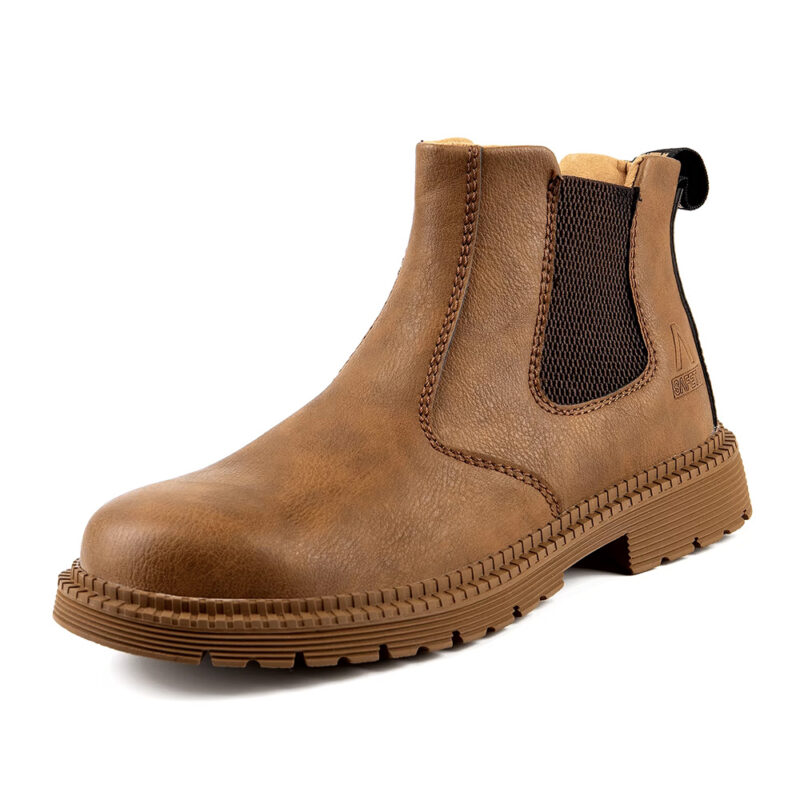
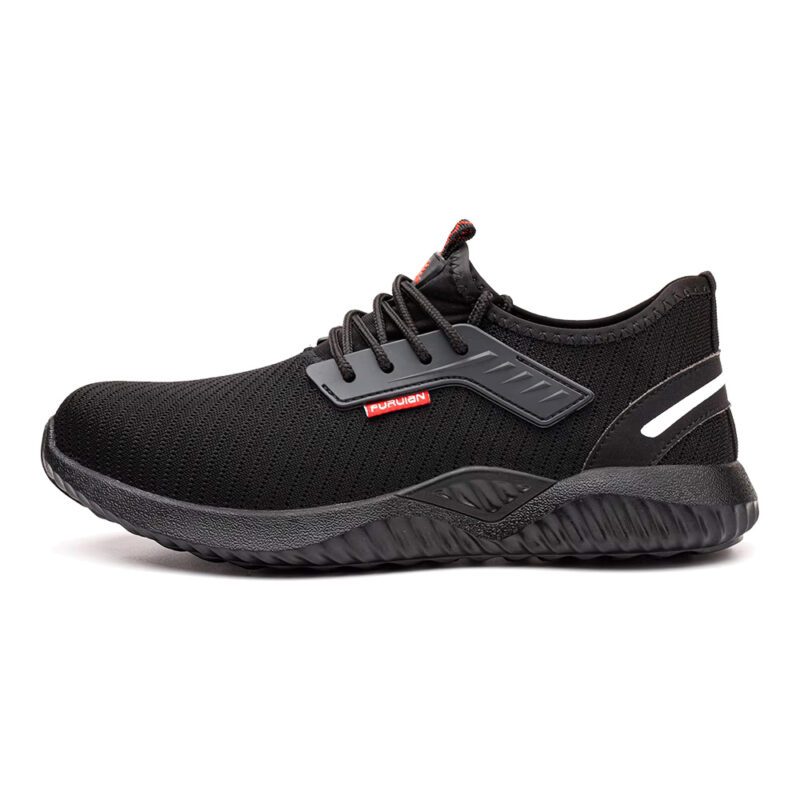
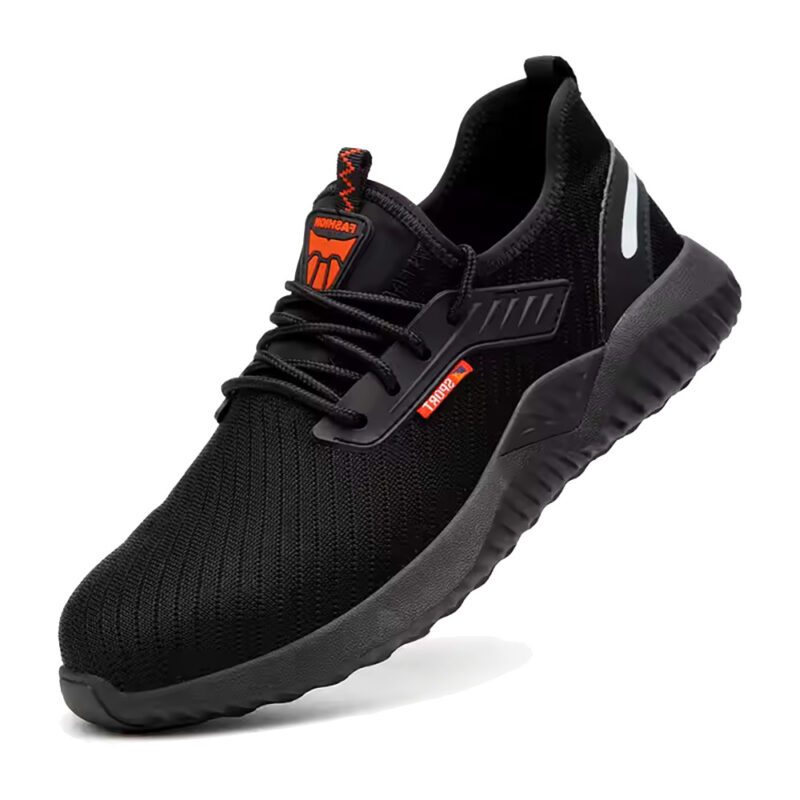
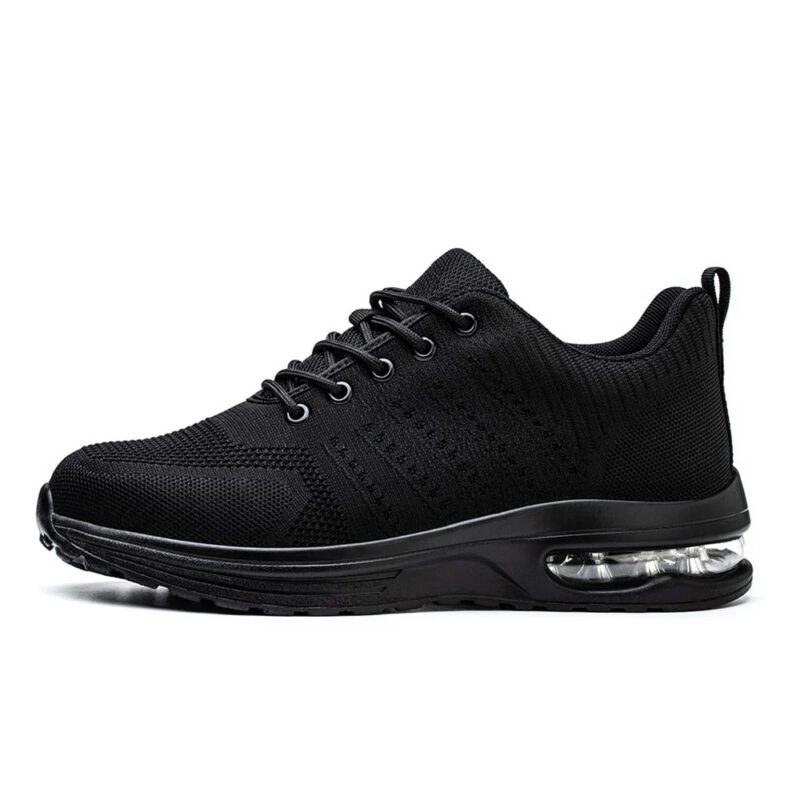
When your workday involves heavy machinery, falling objects, and unforgiving terrain, the Birks Defender Kevlar Steel Toe Safety Work Boots stand ready to protect you through it all. These boots deliver the exceptional durability, reliable protection, and all-day comfort you need to tackle any challenge and get the job done right, every single time.
The industrial revolution changed everything. Factories needed workers who could stand for hours on hard floors. Brands began forming in the mid-1800s to meet this demand. Red Wing Shoe Company launched in 1905 in Minnesota. Wolverine started in 1883 in Michigan. Timberland entered the market in 1952 and released its iconic yellow boot in 1973.
The 20th century brought new hazards and new demands. Steel toes became standard in heavy industries. Electrical hazard protection followed. Oil-resistant outsoles arrived for petroleum workers. Each advancement pushed brands to innovate or lose market share.
Today, work boot brands serve construction workers, electricians, welders, linemen, warehouse staff, and military personnel. The global work boot market exceeds $10 billion annually and continues to grow.
What Makes a Work Boot Brand Reliable
Not every brand that sells work boots builds them for real work. Reliable work boot brands share several defining traits.
Construction quality separates durable boots from disposable ones. Goodyear welt construction remains the gold standard. This method stitches the upper, insole, and outsole together through a welt strip. The result is a boot that can be resoled multiple times, extending its life by years.
Material sourcing matters too. Full-grain leather resists water, abrasion, and cracking better than corrected-grain or split-grain leather. Top-tier brands use full-grain leather from tanneries with consistent quality controls.
Safety certifications tell you a brand meets real standards. Look for these marks:
- ASTM F2413 — American standard for impact, compression, and puncture resistance
- OSHA compliance — Required for many job sites in the United States
- EH rating — Electrical hazard protection for work near live circuits
- CSA Z195 — Canadian standard for protective footwear
- EN ISO 20345 — European standard for safety footwear
Brands that invest in certification testing demonstrate commitment to worker safety.
Top Work Boot Brands Compared
The table below compares major work boot brands across key categories.
| Brand | Founded | Price Range | Construction | Best For |
|---|---|---|---|---|
| Red Wing | 1905 | $200–$450 | Goodyear Welt | General trades, logger work |
| Wolverine | 1883 | $100–$300 | Goodyear Welt / Cement | Mining, construction |
| Timberland PRO | 1973 | $120–$280 | Goodyear Welt / Cement | Construction, landscaping |
| Thorogood | 1892 | $150–$350 | Goodyear Welt | Firefighting, trades |
| Danner | 1932 | $200–$500 | Goodyear Welt | Logging, military, hiking |
| Keen Utility | 2003 | $130–$250 | Cement | Electricians, light industrial |
| Carolina Shoe | 1947 | $100–$250 | Goodyear Welt / Cement | Farming, general industry |
| Ariat | 1993 | $120–$300 | Direct Attach | Agriculture, ranch work |
| Caterpillar | 1994 | $100–$200 | Cement | Warehouse, light construction |
| Georgia Boot | 1937 | $90–$200 | Welt / Cement | Farming, construction |
Technical Specifications to Know Before You Buy
Understanding boot specs helps you match the boot to the job. These are the key terms every buyer should know.
Steel toe vs. composite toe vs. alloy toe. Steel toes meet the highest impact ratings but conduct temperature and trigger metal detectors. Composite toes use carbon fiber, Kevlar, or fiberglass — they are lighter, non-metallic, and temperature-neutral. Alloy toes split the difference: lighter than steel but still metallic.
Shank. A shank runs between the insole and outsole along the arch. Steel shanks provide rigid support for ladder work and uneven terrain. Fiberglass shanks flex more and resist temperature conduction.
Outsole compound. Vibram outsoles dominate premium work boots for grip and durability. Christy soles are oil-resistant rubber common on Red Wing Heritage boots. Polyurethane (PU) outsoles are lightweight but degrade faster in UV-heavy environments.
Waterproofing technology. Gore-Tex liners keep feet dry while allowing moisture vapor to escape. Brands like Danner and Red Wing use this as their primary waterproofing method. Others apply wax or oil finishes to leather, which require maintenance but allow the leather to breathe more naturally.
Last shape. The last is the foot-shaped mold used to build the boot. Wide lasts from brands like Thorogood accommodate workers with broader feet. Narrow lasts from brands like Danner suit hikers transitioning to work boots.
Midsole cushioning. EVA (ethylene-vinyl acetate) midsoles are lightweight and absorb shock well. PU midsoles are denser and longer-lasting. Some brands like Timberland PRO use proprietary systems such as Anti-Fatigue Technology, which uses an inverted cone geometry to return energy to the foot.
Benefits of Investing in a Quality Work Boot Brand
Cheap boots cost more over time. A $90 pair that lasts eight months costs more annually than a $300 pair that lasts four years and can be resoled.
Specific benefits of premium work boot brands include:
- Foot health. Proper arch support and cushioning reduce plantar fasciitis, shin splints, and knee pain caused by prolonged standing.
- Safety compliance. Certified boots protect workers and shield employers from liability.
- Productivity. Workers in comfortable boots focus on the job rather than foot pain.
- Durability. Goodyear welt construction allows resoling, which extends boot life significantly.
- Resale or resoling value. Brands like Red Wing and Danner offer factory resoling programs that cost far less than a new pair.
How to Maintain Work Boots by Brand Type
Maintenance keeps work boots performing at their rated specifications.
Leather Work Boots
- Remove dirt and debris with a stiff brush after each shift.
- Apply a leather conditioner every 30–60 days to prevent cracking.
- Use a waterproofing wax or oil — Obenauf’s Heavy Duty LP works well for most full-grain leathers.
- Dry boots at room temperature. Never use direct heat, which dries out leather and degrades adhesives.
- Rotate between two pairs if possible. This allows moisture to evaporate fully between wears.
Boots with Gore-Tex Liners
Avoid silicone-based conditioners. These block the Gore-Tex membrane’s pores and reduce breathability. Use water-based treatments instead.
Composite and Steel Toe Care
Inspect the toe cap area regularly for cracks in the outer leather. A compromised toe area no longer meets ASTM safety ratings even if the cap itself is intact.
Outsole Maintenance
Check outsoles monthly for wear. A worn heel or degraded lug pattern reduces traction and increases slip-fall risk. Most quality brands offer resoling services when the outsole wears down to the midsole.
When your workday involves heavy machinery, falling objects, and unforgiving terrain, the Birks Defender Kevlar Steel Toe Safety Work Boots stand ready to protect you through it all. These boots deliver the exceptional durability, reliable protection, and all-day comfort you need to tackle any challenge and get the job done right, every single time.
Work Boot Brands for Specific Trades
Different jobs demand different boots. Here is a trade-by-trade breakdown.
Construction workers need puncture-resistant midsoles and aggressive lug outsoles for mud and gravel. Red Wing 2406, Timberland PRO Pit Boss, and Thorogood American Heritage are strong choices.
Electricians need EH-rated boots with non-conductive materials throughout. Keen Utility’s Atlanta Cool 2 and Wolverine’s Floorhand are well-regarded options.
Welders need leather boots without exposed metal hardware that can heat up. Boots must have smooth toes to shed sparks. Red Wing’s welding-specific boots or Thorogood’s Firestarter series address these needs.
Linemen working on poles need tall, stiff boots that support the leg during climbing. The White’s Boots brand and Nicks Boots specialize in handmade lineman boots with extreme durability and climbing support.
Warehouse workers spend hours on concrete and benefit from lightweight composite toes, wide toe boxes, and thick cushioning midsoles. Caterpillar and Keen Utility perform well here.
Agricultural workers need waterproof protection, chemical resistance, and easy-clean outsoles. Ariat and Georgia Boot serve this segment well.
How to Choose the Right Work Boot Brand: 5 Steps
Follow these steps to narrow your choice efficiently.
- Identify your safety requirements. Check your job site’s PPE policy. Know whether you need steel toe, composite toe, EH rating, puncture resistance, or metatarsal guards.
- Assess your terrain. Concrete floors reward cushioned, lightweight boots. Mud and rubble demand aggressive outsoles and ankle support. Climbing work requires stiff shanks and tall shafts.
- Set a realistic budget. Factor in cost-per-month of use rather than sticker price. A $300 boot worn for three years costs $8.33 per month. A $100 boot replaced every eight months costs $12.50 per month.
- Match the brand to your trade. Use the trade-specific list above. Brands build reputations in specific niches for a reason. Red Wing and Thorogood dominate skilled trades. Ariat and Georgia Boot dominate agriculture. Nicks and White’s dominate lineman work.
- Try before you buy when possible. Foot width, arch height, and instep volume vary between brands. A boot that fits one worker perfectly may cause blisters for another. If ordering online, confirm the brand offers a return period for unworn boots.
Summary
Work boot brands range from budget-friendly to premium handmade options. The right choice depends on your trade, your terrain, your safety requirements, and your budget. Brands like Red Wing, Wolverine, Thorogood, and Danner have built their reputations over more than a century. Newer brands like Keen Utility and Ariat have earned strong followings in specific niches.
Prioritize certified safety ratings, quality leather, and proven construction methods. Maintain your boots consistently. Buy from brands that support resoling. A well-chosen, well-maintained pair of work boots protects your feet, reduces fatigue, and pays for itself many times over throughout a working career.
When your workday involves heavy machinery, falling objects, and unforgiving terrain, the Birks Defender Kevlar Steel Toe Safety Work Boots stand ready to protect you through it all. These boots deliver the exceptional durability, reliable protection, and all-day comfort you need to tackle any challenge and get the job done right, every single time.