Comfortable Work Sneakers

What Makes a Work Sneaker Different from a Regular Sneaker
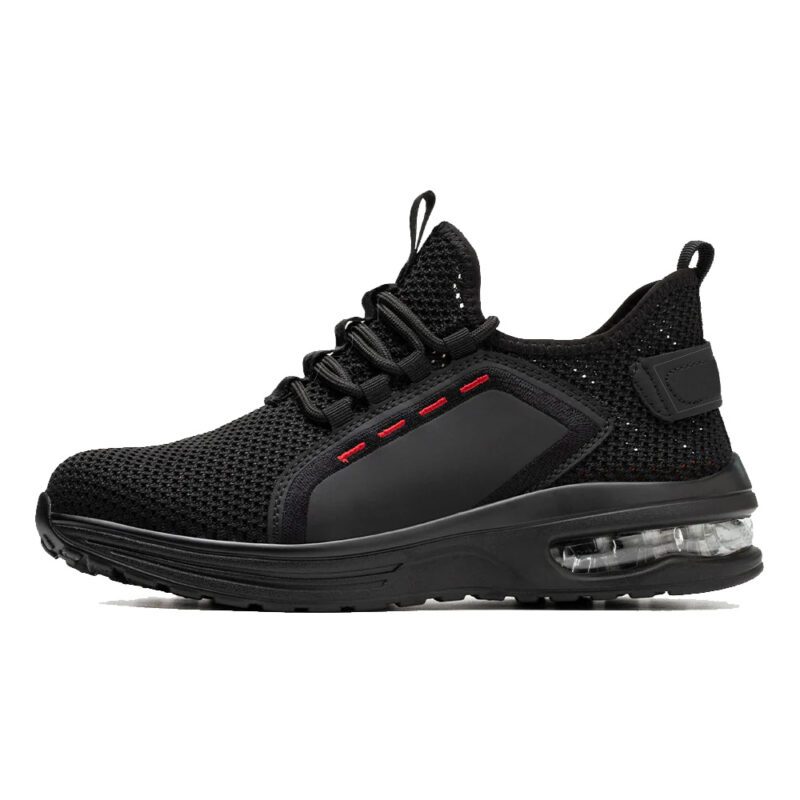
Most sneakers are built for casual wear or athletic performance. Work sneakers are different. They combine the low-profile look of a sneaker with features that support your feet during long shifts, extended standing, or high-step environments.
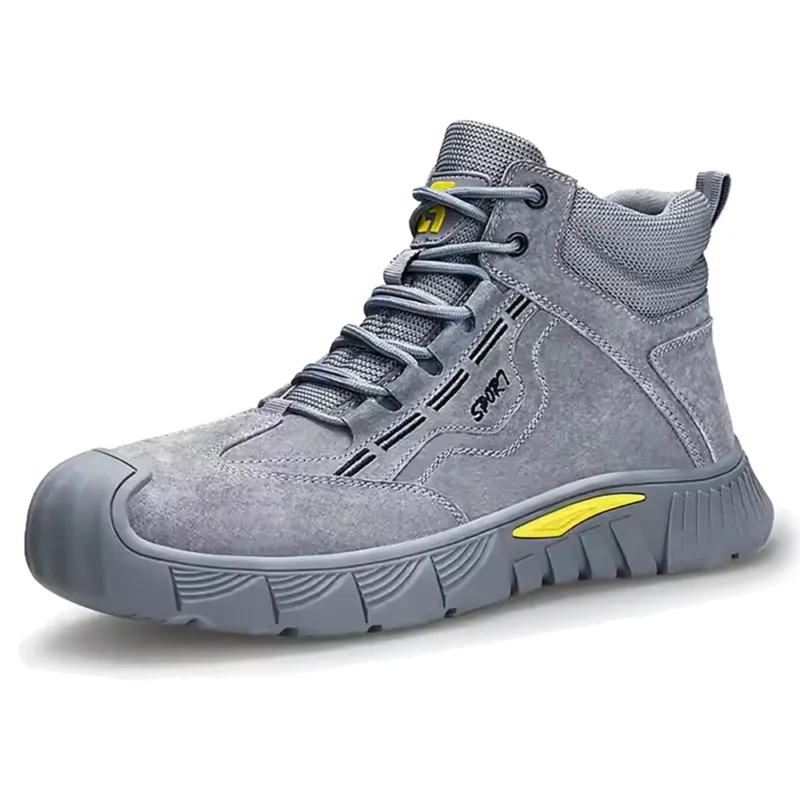
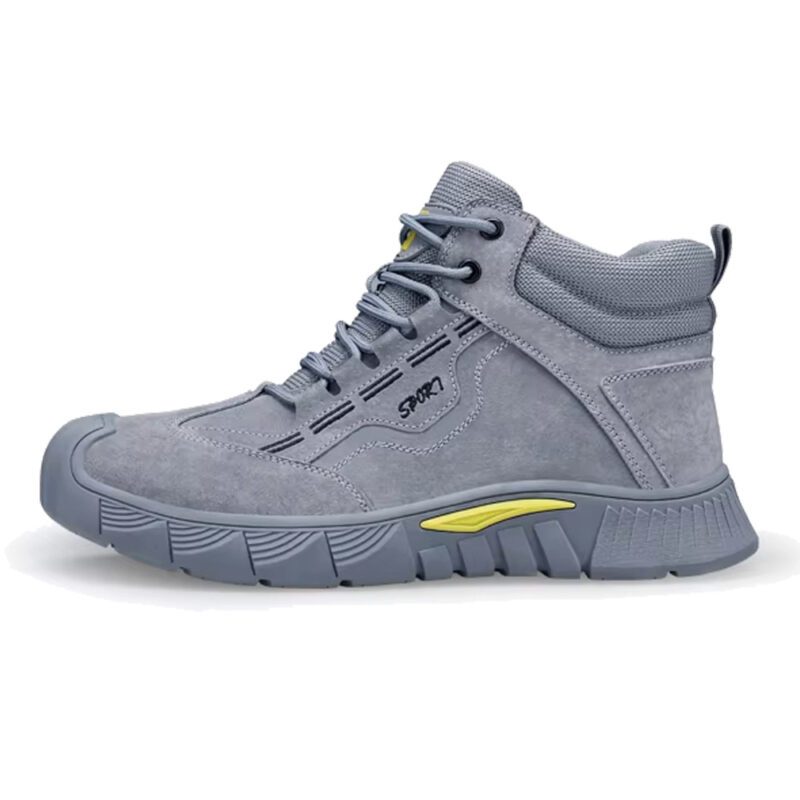
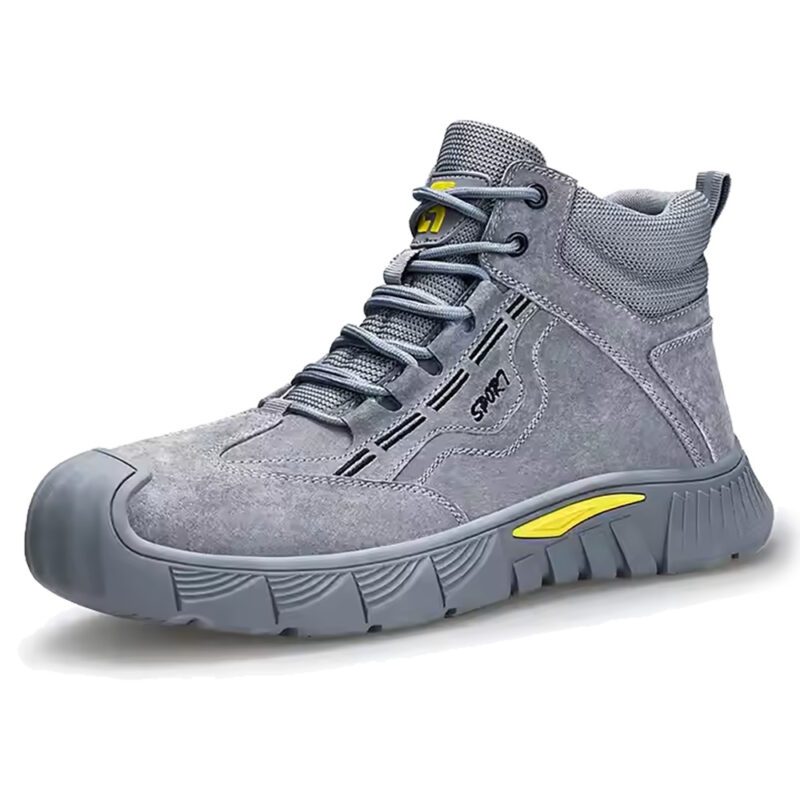
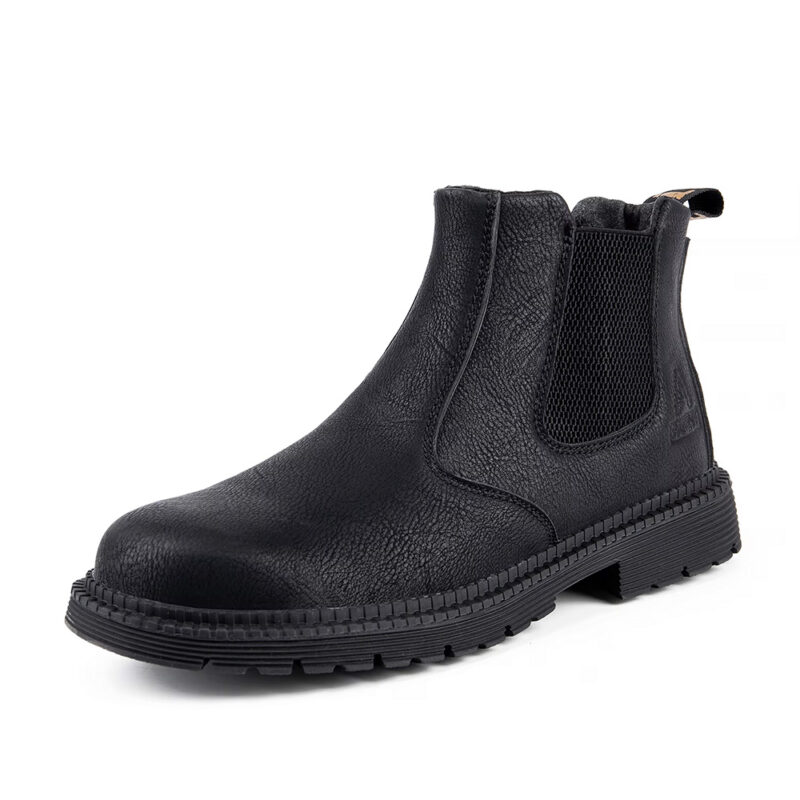
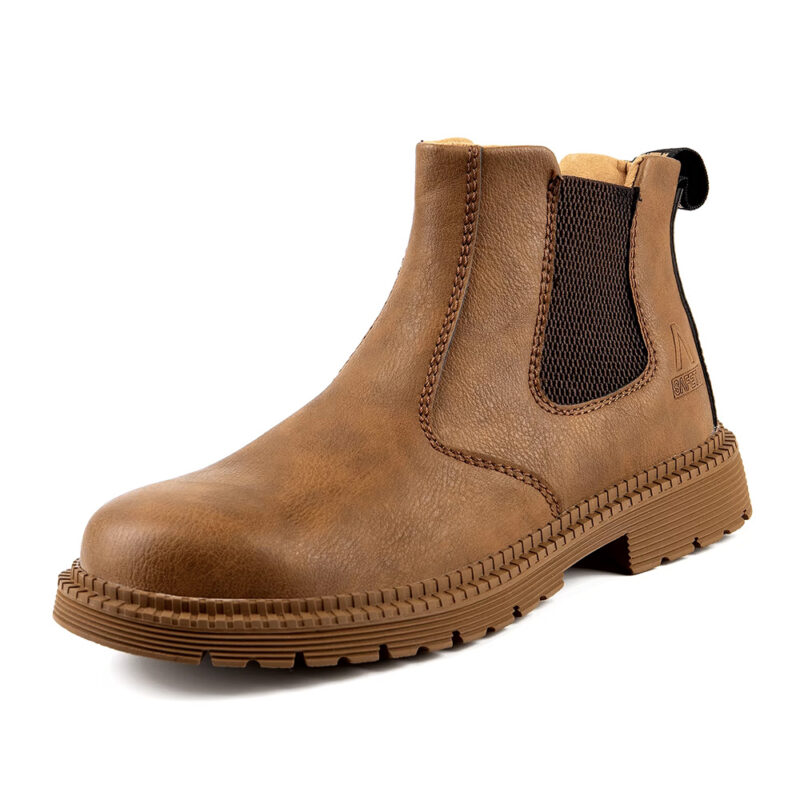
When your workday involves heavy machinery, falling objects, and unforgiving terrain, the Birks Defender Kevlar Steel Toe Safety Work Boots stand ready to protect you through it all. These boots deliver the exceptional durability, reliable protection, and all-day comfort you need to tackle any challenge and get the job done right, every single time.
A work sneaker must deliver arch support, shock absorption, slip resistance, and durability — all in a package that looks professional enough for the workplace. Understanding these distinctions helps you make a smarter purchase.
A Brief History of the Work Sneaker
The sneaker itself dates to the late 1800s, when rubber-soled canvas shoes first appeared. Workers quickly adopted them for their quiet soles and light weight. By the mid-20th century, occupational health researchers began documenting the link between poor footwear and musculoskeletal injuries. This pushed manufacturers to engineer sneakers specifically for workplace demands.
The 1980s saw the rise of athletic-inspired work footwear — shoes borrowing midsole technology from running shoes and applying it to occupational contexts. Brands began adding oil-resistant outsoles, reinforced toe boxes, and moisture-wicking liners.
Today, work sneakers are a category of their own. They appear in healthcare, retail, food service, logistics, and office settings. Modern versions use materials and construction methods derived from performance footwear, orthopedic research, and workplace safety standards.
Key Technical Specifications to Evaluate
Buying a work sneaker without checking specifications is a common mistake. Here are the core technical features you must evaluate.
Outsole Grip and Slip Resistance
The outsole is the bottom of the shoe. For work use, it must meet ASTM F2913 or SRC (Slip Resistance Certified) standards. Look for:
- Deep lug patterns for wet or greasy surfaces
- Oil-resistant rubber compounds
- Multi-directional tread for lateral movement
Midsole Cushioning Technology
The midsole sits between the outsole and the insole. It absorbs impact. Common midsole materials include:
- EVA (Ethylene Vinyl Acetate): Lightweight, moderate cushioning
- PU (Polyurethane): Denser, longer-lasting support
- Memory foam: Conforms to foot shape, best for low-impact standing
- Responsive foam (e.g., BOOST, React): Returns energy with each step, ideal for high-movement roles
Arch and Heel Support
Flat footbeds cause fatigue quickly. A well-designed work sneaker includes a contoured footbed that cradles the arch and stabilizes the heel. Some models include a heel cup — a rigid or semi-rigid structure that controls pronation (inward rolling of the foot).
If the shoe does not include adequate arch support, look for models with removable insoles so you can insert custom orthotics.
Upper Materials
The upper is the part that wraps around your foot. For work use, common materials are:
- Leather: Durable, easy to clean, professional appearance
- Mesh: Breathable, lighter, less durable
- Knit: Flexible, breathable, poor at repelling moisture
- Synthetic overlays: Add structure and abrasion resistance to mesh uppers
Toe Protection
Some work environments require steel-toe or composite-toe protection. These meet ASTM F2412 and ASTM F2413 standards. Composite toe caps are lighter than steel and do not conduct temperature, making them better for outdoor work.
Not every job requires toe protection. But jobs in construction, warehousing, or manufacturing typically do.
Comparison Table: Work Sneaker Types by Job Category
| Job Type | Recommended Features | Sole Type | Toe Protection |
|---|---|---|---|
| Healthcare / Nursing | Slip resistance, arch support, easy clean | Non-slip rubber | Not required |
| Retail / Sales Floor | Cushioning, lightweight, style-friendly | Flat rubber | Not required |
| Food Service | Oil-resistant, waterproof upper, slip-rated | Oil-resistant rubber | Optional |
| Warehouse / Logistics | Steel or composite toe, ankle stability | Thick rubber lug | Required |
| Office / Desk Work | Breathability, light cushioning, comfort | Light rubber | Not required |
| Construction | Steel toe, puncture-resistant, ankle support | Heavy lug sole | Required |
When your workday involves heavy machinery, falling objects, and unforgiving terrain, the Birks Defender Kevlar Steel Toe Safety Work Boots stand ready to protect you through it all. These boots deliver the exceptional durability, reliable protection, and all-day comfort you need to tackle any challenge and get the job done right, every single time.
Benefits of Wearing Proper Work Sneakers
Wearing the right footwear at work has measurable physical and professional benefits.
Reduced foot pain is the most immediate benefit. A cushioned midsole and supportive arch reduce pressure on the plantar fascia, metatarsals, and heel. Workers who stand eight or more hours per day report significantly less pain in purpose-built footwear compared to standard sneakers.
Lower injury risk follows directly from better design. Slip-resistant outsoles reduce fall incidents. Toe caps prevent crush injuries. Ankle collars and heel cups reduce sprains from uneven surfaces.
Improved posture and reduced back pain are secondary benefits. Poor footwear allows excess pronation or supination, which shifts the alignment of the knees, hips, and lumbar spine. A stable work sneaker corrects this chain reaction.
Professional appearance matters in customer-facing and office roles. Work sneakers maintain a clean, structured look without sacrificing comfort.
How to Fit Work Sneakers Correctly
Even the best shoe performs poorly if it fits wrong. Follow these steps:
- Measure your feet in the afternoon. Feet swell throughout the day. Afternoon measurements give a more accurate size.
- Wear the socks you plan to use at work. Thicker socks require more volume inside the shoe.
- Check the toe box. You need at least a thumb’s width of space between your longest toe and the end of the shoe.
- Test the heel. Your heel should not slip when you walk. Heel slippage causes blisters and reduces stability.
- Walk on a hard surface in the store. Carpet hides how a shoe actually performs on tile, concrete, or hardwood.
- Check width. Many people buy shoes that are too narrow. If the upper bulges or your small toe feels compressed, go wider.
Maintenance and Care for Long-Term Performance
Work sneakers are an investment. Proper care extends their life and maintains performance.
Daily Care
- Remove your shoes and allow them to air dry after each shift.
- Use a shoe tree or stuff with newspaper to maintain shape.
- Wipe down leather uppers with a damp cloth to remove surface debris.
Weekly Care
- Clean mesh or knit uppers with a soft brush and mild soap solution.
- Inspect the outsole for wear. Uneven outsole wear signals alignment issues or indicates it is time to replace the shoe.
- Check insoles for compression. A flat, compressed insole provides little support and should be replaced.
When to Replace Work Sneakers
Most work sneakers last between six and twelve months with daily use. Signs it is time to replace:
- The midsole feels flat and does not spring back when pressed
- The outsole tread is worn smooth in key contact areas
- The upper has structural damage, tears, or delamination
- You notice increased foot pain, fatigue, or knee discomfort
Do not wait until a shoe falls apart. Worn-out footwear causes fatigue and injury long before it looks obviously damaged.
Common Mistakes Buyers Make
Prioritizing looks over function. A stylish sneaker with a flat sole and no arch support will cause pain within weeks of heavy use.
Buying too small. Many people buy the same size they have worn for years without re-measuring. Foot size and width can change with age, weight, or activity level.
Ignoring break-in time. Most leather and structured work sneakers require a short break-in period. Wear them for a few hours at a time before committing to a full shift.
Skipping insole upgrades. The stock insole in most sneakers is basic. A quality aftermarket insole — especially for workers with flat feet or high arches — significantly improves comfort and support.
Washing machine cleaning. Machine washing degrades adhesives and foam. Hand-clean your work sneakers to preserve their structure.
Summary: Steps to Select the Right Comfortable Work Sneaker
Follow this checklist when making your selection:
- Identify your job’s hazards. Slip risk, toe crush risk, puncture risk.
- Check certification standards. ASTM F2413 for impact protection, ASTM F2913 for slip resistance.
- Evaluate midsole material. Match cushioning type to your activity level and shift length.
- Confirm arch support. Contoured footbed or removable insole for custom orthotics.
- Select the right upper. Leather for durability and easy cleaning; mesh for breathability.
- Fit correctly. Measure both feet, wear work socks, confirm toe space and heel hold.
- Set a replacement schedule. Plan for six to twelve months based on use intensity.
The right comfortable work sneaker reduces pain, prevents injury, and keeps you productive through long shifts. Treat your footwear as a functional tool, not just an accessory. Your feet — and your back — will show the difference.
When your workday involves heavy machinery, falling objects, and unforgiving terrain, the Birks Defender Kevlar Steel Toe Safety Work Boots stand ready to protect you through it all. These boots deliver the exceptional durability, reliable protection, and all-day comfort you need to tackle any challenge and get the job done right, every single time.