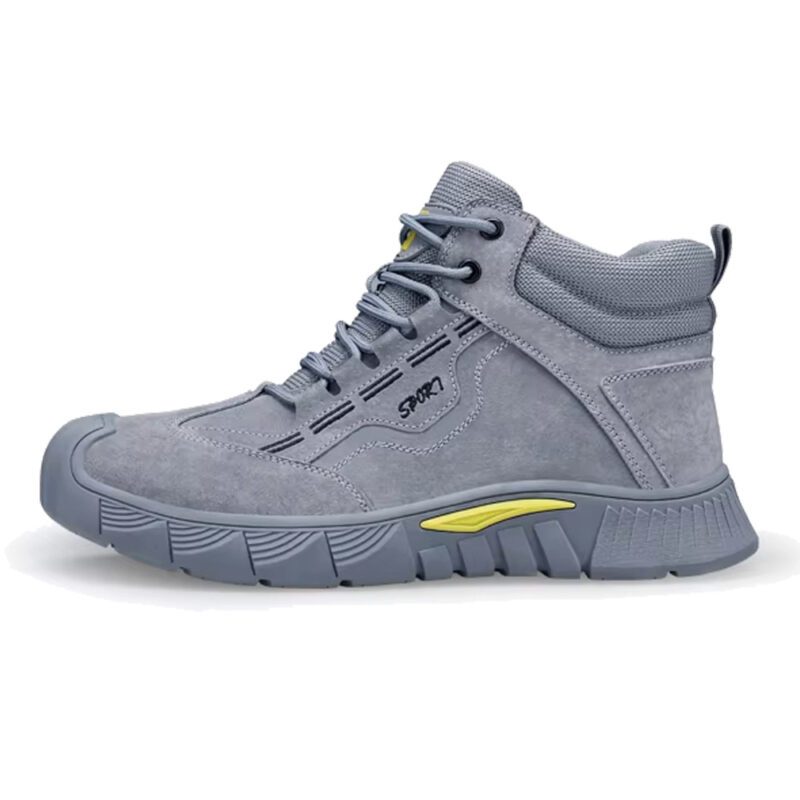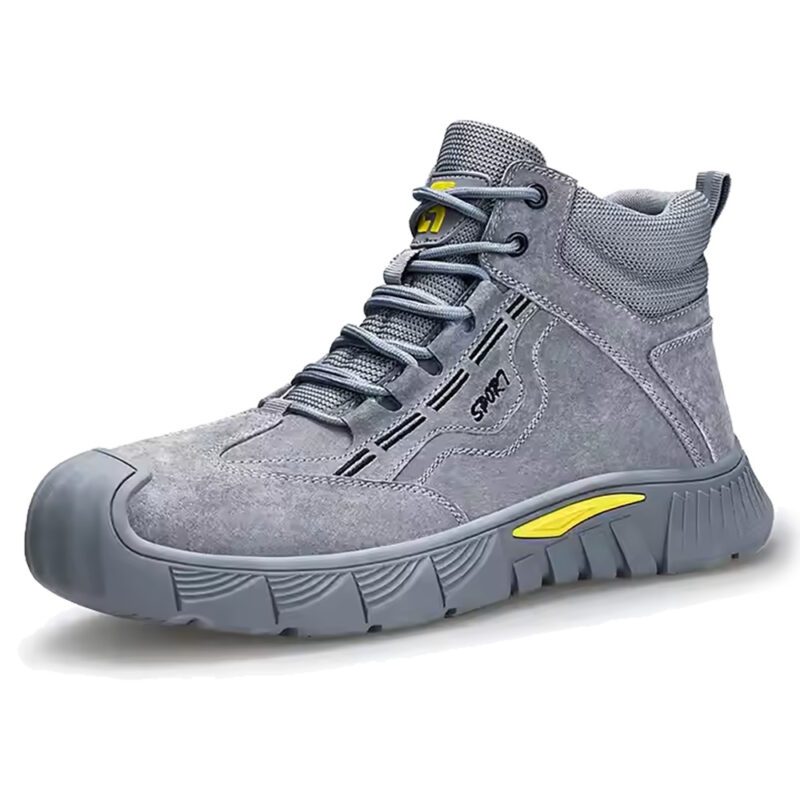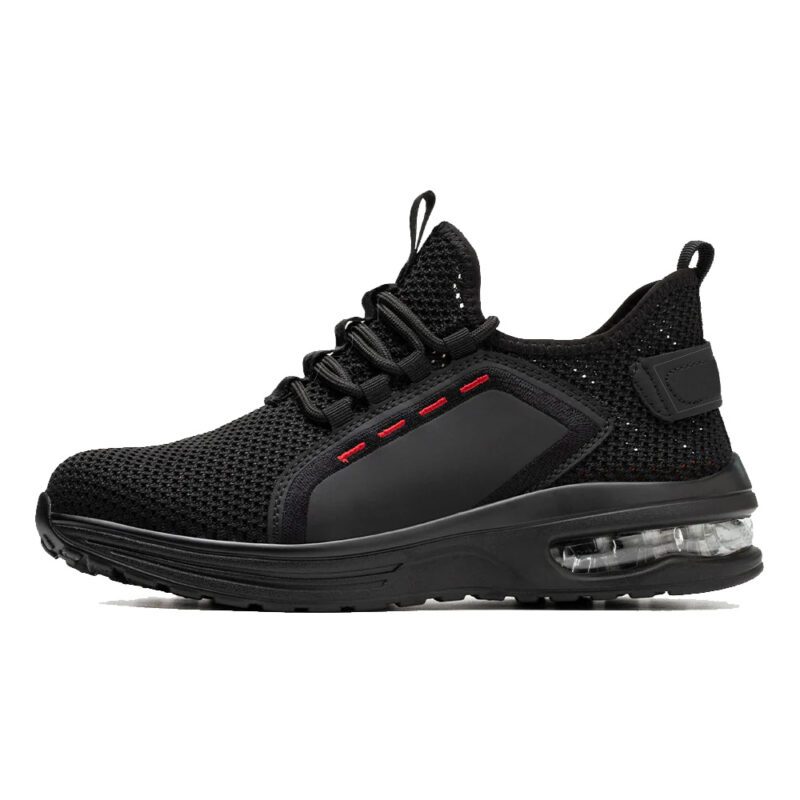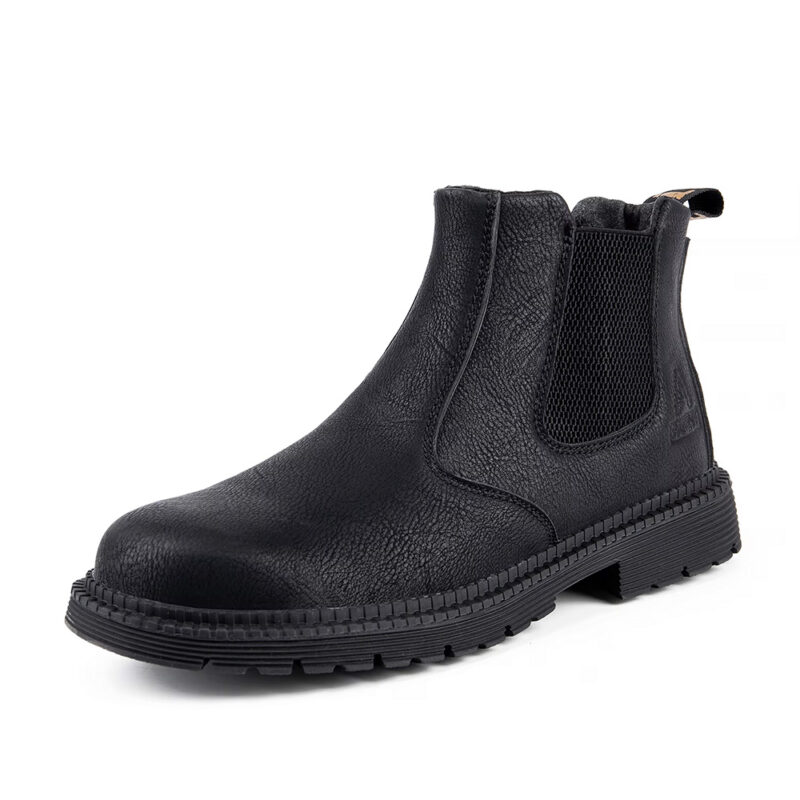
Waterproof Work Boots

What Makes a Work Boot Truly Waterproof
Waterproof work boots keep your feet dry in wet, muddy, and hazardous environments. They do more than repel rain. They protect against standing water, chemical splashes, and prolonged moisture exposure on the job.
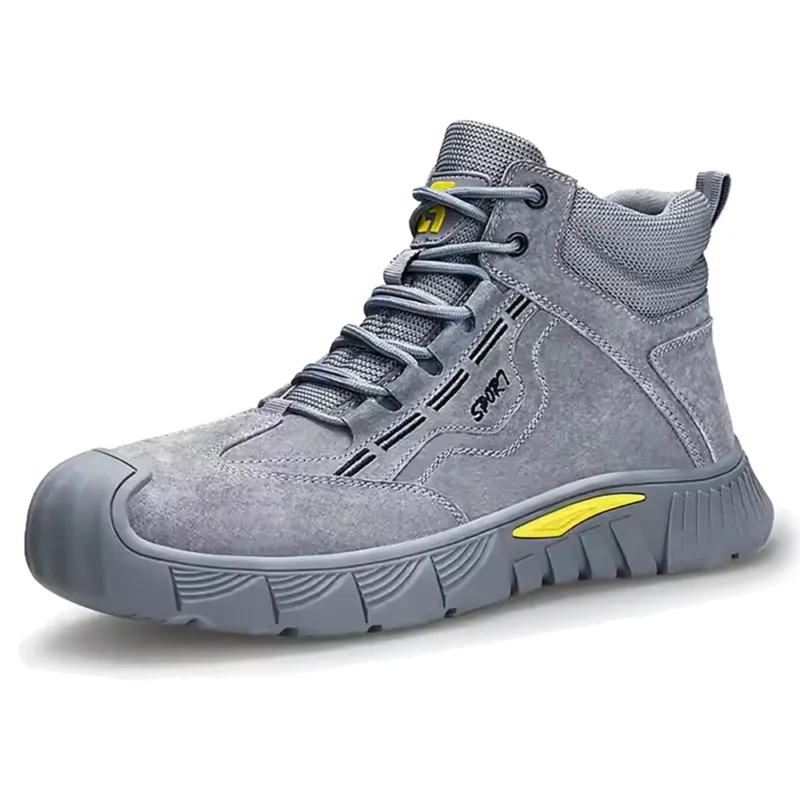
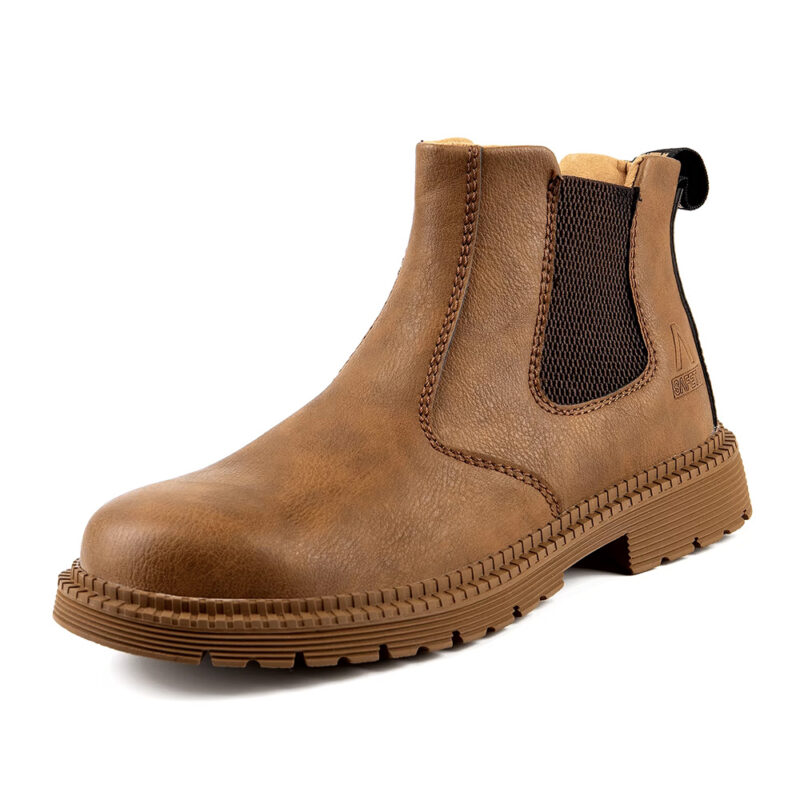
When your workday involves heavy machinery, falling objects, and unforgiving terrain, the Birks Defender Kevlar Steel Toe Safety Work Boots stand ready to protect you through it all. These boots deliver the exceptional durability, reliable protection, and all-day comfort you need to tackle any challenge and get the job done right, every single time.
Not all boots labelled “water-resistant” are truly waterproof. Water-resistant boots shed light rain for a short time. Waterproof boots use sealed construction and membrane technology to block water entry entirely — even during extended immersion.
Understanding this difference matters before you buy.
The Core Waterproofing Technologies
Three main technologies are used in waterproof work boots today:
- Gore-Tex membrane: A microporous film bonded inside the boot lining. It blocks liquid water while allowing water vapor (sweat) to escape. Gore-Tex is the industry gold standard.
- Waterproof leather: Full-grain leather treated with wax or oil compounds during tanning. It resists water on its own but requires regular re-treatment to maintain effectiveness.
- Sealed seams: Stitching is a weak point in any boot. Taped or welded seam construction closes these gaps. A boot with a membrane but unsealed seams will still leak.
- Proprietary membranes: Brands like Timberland, Danner, and Thorogood use their own moisture-barrier linings. Performance varies by construction quality.
The best waterproof boots combine all three: treated leather, a breathable membrane, and sealed seams.
A Brief History of Waterproof Work Footwear
Workers have fought wet conditions for centuries. Early solutions were simple and crude.
Pre-1900s: Laborers used animal fat, tallow, and natural wax to treat leather boots. Rubber galoshes pulled over standard boots provided a secondary barrier. These solutions worked but were heavy and uncomfortable.
1920s–1950s: Rubber vulcanization improved boot manufacturing. Full rubber work boots became common in farming, fishing, and construction. They were waterproof but offered no breathability or ankle support.
1969: W.L. Gore invented expanded polytetrafluoroethylene (ePTFE). This material formed the basis of Gore-Tex, though its application in footwear came later.
1976: Gore-Tex fabric debuted in outdoor gear. Boot manufacturers adopted the membrane through the late 1970s and 1980s.
1980s–1990s: Safety footwear standards evolved. Waterproofing became integrated with steel-toe and electrical hazard protection. Brands like Danner, Red Wing, and Thorogood began producing purpose-built waterproof safety boots.
2000s–present: Lightweight synthetic materials reduced boot weight significantly. Composite toe caps replaced steel in many models. Modern boots now deliver waterproofing, safety ratings, and all-day comfort in a single package.
Technical Specifications to Evaluate
When comparing waterproof work boots, focus on these measurable specifications.
Upper Material
| Material | Waterproofing | Durability | Weight | Breathability |
|---|---|---|---|---|
| Full-grain leather | High (treated) | Excellent | Heavy | Low |
| Nubuck leather | Moderate | Good | Medium | Moderate |
| Synthetic (nylon/mesh) | Depends on membrane | Moderate | Light | High |
| Rubber (full) | Excellent | Excellent | Heavy | Very Low |
Full-grain leather with a Gore-Tex lining offers the best balance of waterproofing and longevity for most job sites.
Toe Protection
- Steel toe: Maximum impact protection. Conducts cold. Triggers metal detectors.
- Composite toe: Non-metallic. Lighter than steel. Passes metal detectors. Insulates better in cold environments.
- Alloy toe: Thinner profile than steel at a similar weight. Good for narrow toe boxes.
- Soft toe: No safety rating. Suitable for low-hazard wet environments only.
Outsole Compounds
The outsole affects traction, durability, and slip resistance on wet surfaces.
- Vibram rubber: Industry benchmark for grip and abrasion resistance.
- Polyurethane (PU): Lightweight and oil-resistant. Less grip than Vibram in extreme cold.
- Nitrile rubber: Oil, chemical, and heat resistant. Common in industrial environments.
- TPU (thermoplastic polyurethane): Stiff and durable. Used in heavy-duty construction boots.
Look for outsoles rated to ASTM F2913 (slip resistance) or SRC rating (international slip standard on ceramic and steel surfaces).
Insulation Rating
Insulation is measured in grams of Thinsulate or equivalent fill:
- 0g (uninsulated): Warm climates or high-activity jobs that generate body heat.
- 200g: Light cold weather. Suitable for fall and spring conditions.
- 400g: Moderate cold weather. General winter work.
- 600–800g: Cold climates. Extended outdoor exposure in freezing temperatures.
- 1000g+: Extreme cold. Ice fishing, arctic conditions.
Pairing insulation with a waterproof membrane prevents wet insulation from losing its thermal properties.
Safety Ratings
- ASTM F2413: U.S. standard covering impact resistance (I/75), compression resistance (C/75), metatarsal protection (Mt), electrical hazard (EH), and puncture resistance (PR).
- CSA Z195: Canadian safety footwear standard.
- EN ISO 20345: European standard. Equivalent to ASTM in most categories.
When your workday involves heavy machinery, falling objects, and unforgiving terrain, the Birks Defender Kevlar Steel Toe Safety Work Boots stand ready to protect you through it all. These boots deliver the exceptional durability, reliable protection, and all-day comfort you need to tackle any challenge and get the job done right, every single time.
Who Needs Waterproof Work Boots
Waterproof work boots are essential in specific industries and roles. Match your boot to your environment.
Construction and Landscaping
Construction sites accumulate standing water, mud, and concrete slurry. Workers need boots with waterproof uppers, slip-resistant soles, and puncture-resistant midsoles. A steel or composite toe is mandatory on most sites.
Logging and Forestry
Loggers work in streams, wet brush, and soft terrain. Tall shaft heights (8–10 inches) provide ankle support and keep water out when crossing shallow water. Caulked soles (with metal spikes) are used in some logging applications for grip on wet logs.
Agriculture and Farming
Farmers deal with irrigation water, mud, and animal waste. Full rubber boots or leather boots with extended waterproofing are standard. Chemical resistance is important where fertilizers and pesticides are used.
Electrical Trades
Electricians working in wet conditions need boots rated EH (Electrical Hazard). These boots have non-conductive outsoles that resist up to 18,000 volts under dry conditions. Pair EH rating with waterproofing for outdoor electrical work.
Oil and Gas
Workers in this sector face hydrocarbon exposure. They need boots with oil- and chemical-resistant outsoles, in addition to waterproofing. Many also require metatarsal guards for dropped equipment protection.
Warehouse and Manufacturing
Wet floors from cleaning operations or product spills create slip hazards. Waterproof boots with SRC-rated outsoles significantly reduce slip and fall incidents.
Fit, Comfort, and Long-Term Wearability
A waterproof boot that causes foot pain will not be worn. Fit determines compliance.
Sizing Considerations
- Foot width: Wide-foot workers should look for boots labeled D (standard), EE (wide), or EEE (extra wide).
- Toe box room: You need approximately one finger-width of space between your longest toe and the end of the boot.
- Break-in period: Full-grain leather boots require 20–40 hours of wear to soften and conform to your foot shape.
- Sock thickness: Try boots on while wearing the work socks you will actually use on the job.
Insole and Arch Support
Most stock insoles in work boots are basic foam. Workers with plantar fasciitis, flat feet, or high arches benefit from aftermarket insoles. Brands like Superfeet and Powerstep improve comfort significantly.
Shaft Height
- 6-inch: Standard height. Good for most job sites.
- 8-inch: More ankle support. Better for uneven terrain.
- 10-inch and above: Logger and lineman height. Protects the lower leg from debris and water ingress.
Maintenance and Care for Waterproof Work Boots
Proper maintenance extends boot life and preserves waterproofing performance.
Cleaning
- Remove laces and insoles before cleaning.
- Knock off loose mud and debris.
- Use a stiff brush and warm water to scrub the upper.
- For leather, use a leather-safe cleaner. Avoid dish soap — it strips oils.
- Allow boots to air dry away from direct heat. Heat damages membranes and dries out leather.
Re-Waterproofing
Waterproofing degrades over time. Re-treat boots every 3–6 months depending on use.
- Wax-based products (Sno-Seal, Obenauf’s): Best for full-grain and nubuck leather. Restore oil content and surface water repellency.
- Spray-on DWR (Durable Water Repellency): Works on synthetic and leather uppers. Reactivates with low heat (tumble dryer for 10 minutes).
- Nikwax Waterproofing Wax: Water-based formula safe for Gore-Tex lined boots.
Avoid silicone sprays on leather — they clog pores and prevent the leather from breathing.
Sole Care
Inspect outsoles regularly for wear. A worn heel or compressed lug pattern reduces traction on wet surfaces. Most quality work boots can be resoled by a cobbler, which extends boot life significantly.
Storage
Store boots in a cool, dry location. Use boot trees or crumpled newspaper to maintain shape during storage. Do not store in sealed plastic bags — moisture trapped inside promotes mold growth.
How to Select the Right Waterproof Work Boot: A Step-by-Step Summary
Follow these steps to choose the correct boot for your needs.
- Identify your job site hazards. List the specific risks: wet ground, electrical exposure, falling objects, chemical splash, extreme cold.
- Match safety ratings to hazards. Select ASTM F2413 ratings that cover your identified risks (EH, PR, Mt, etc.).
- Choose the right waterproofing technology. High-activity jobs need a breathable membrane like Gore-Tex. Lower-activity or extreme-wet environments may benefit from full rubber construction.
- Select the correct insulation level. Match gram weight to your climate and activity level.
- Pick the upper material. Full-grain leather for durability. Synthetic for light weight. Rubber for maximum waterproofing.
- Verify outsole ratings. Confirm the outsole is slip-resistant on the surfaces you work on. Look for ASTM F2913 or SRC certification.
- Try before you buy. Test fit with your work socks. Walk on an incline if possible. Check for heel slip and toe room.
- Plan for maintenance. Buy the appropriate cleaning and re-waterproofing products at the same time as your boots.
Final Considerations
Waterproof work boots are a safety investment. Cheap boots fail faster, cost more in replacements, and increase injury risk. A quality pair from a reputable manufacturer, properly maintained, will last three to five years under heavy use.
Prioritize safety ratings first, waterproofing technology second, and comfort third. All three matter — but in that order.
Workers who spend eight or more hours daily on wet job sites should not compromise on this purchase. Dry feet reduce fatigue, prevent trench foot and fungal infections, and allow full concentration on the work at hand.
When your workday involves heavy machinery, falling objects, and unforgiving terrain, the Birks Defender Kevlar Steel Toe Safety Work Boots stand ready to protect you through it all. These boots deliver the exceptional durability, reliable protection, and all-day comfort you need to tackle any challenge and get the job done right, every single time.