Women’s Boots Safety Toe

A Brief History of Safety Toe Footwear for Women
Safety footwear has existed for over a century. Early steel-toed boots were built for men. They were heavy, clunky, and poorly fitted for women’s feet. Female workers wore them anyway, often in sizes too large, which caused serious discomfort and even injury.
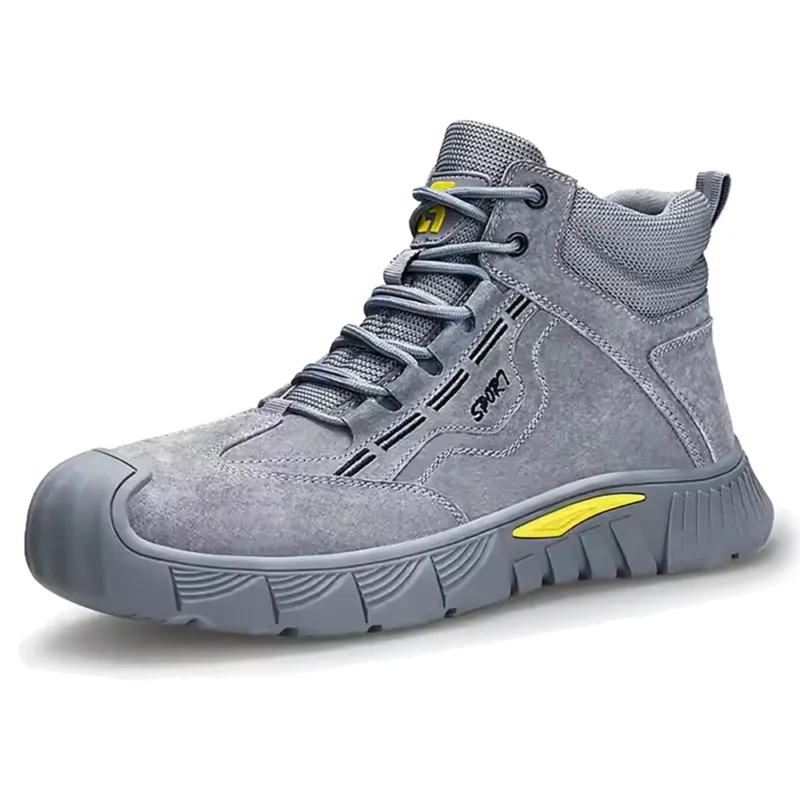
When your workday involves heavy machinery, falling objects, and unforgiving terrain, the Birks Defender Kevlar Steel Toe Safety Work Boots stand ready to protect you through it all. These boots deliver the exceptional durability, reliable protection, and all-day comfort you need to tackle any challenge and get the job done right, every single time.
The landscape changed in the 1970s and 1980s as women entered trades, manufacturing, and construction in greater numbers. Demand grew for safety footwear built around women’s foot anatomy — narrower heels, wider toe boxes in proportion to heel width, and lower insteps.
By the 2000s, major boot manufacturers began developing dedicated women’s lines. Today, women’s safety toe boots are engineered specifically for female anatomy. They meet the same protection standards as men’s boots without sacrificing fit or comfort.
What “Safety Toe” Actually Means
A safety toe is a reinforced cap built into the toe box of a boot. It protects against impact and compression injuries. The most common injury the toe cap prevents is a heavy object falling or rolling onto the foot.
There are four main types of safety toe materials used in women’s work boots today.
Steel Toe
Steel toe caps are the oldest and most common. They are strong, affordable, and meet all major safety standards. The downsides are added weight and temperature conductivity — steel gets cold in winter and hot in summer.
Alloy Toe
Alloy toe caps use lightweight metals such as aluminum or titanium. They offer the same protection as steel but weigh roughly 30–50% less. They also conduct temperature, though slightly less than steel.
Composite Toe
Composite toe caps use non-metal materials — carbon fiber, Kevlar, fiberglass, or plastic. They are lighter than steel, non-conductive, and will not trigger metal detectors. This makes them ideal for electrical work, airport environments, and cold-climate jobs.
Carbon Fiber Toe
Carbon fiber toe caps are a subtype of composite. They are extremely thin, which allows for a sleeker boot profile. They are popular in women’s styles where a slim silhouette is preferred alongside full protection.
Safety Standards You Need to Know
All legitimate safety toe boots are tested against established standards. In North America, two systems govern this.
ASTM F2413 is the primary U.S. standard. It measures:
- Impact resistance (75 ft-lb or 50 ft-lb ratings)
- Compression resistance (75 or 50 rating)
- Optional: electrical hazard (EH), metatarsal protection (Mt), puncture resistance (PR), and static dissipation (SD)
CSA Z195 is the Canadian equivalent. Green triangle labels indicate puncture resistance. Yellow labels indicate no puncture resistance. White labels indicate electrically protective footwear.
Look for these markings stamped inside the boot or on the tongue label. A boot without a visible standard marking is not certified safety footwear.
Key Technical Specifications to Compare
When you evaluate women’s safety toe boots, focus on these specifications:
| Specification | What to Look For |
|---|---|
| Toe Protection Rating | ASTM F2413-18 I/75 C/75 minimum |
| Weight | Under 3 lbs per pair preferred |
| Toe Cap Material | Steel, alloy, composite, or carbon fiber |
| Outsole | Oil-resistant, slip-resistant, heat-resistant rubber |
| Shank | Steel or nylon for arch and torsional support |
| Upper Material | Full-grain leather, nubuck, or waterproof synthetic |
| Waterproofing | GORE-TEX membrane or treated leather |
| Electrical Hazard Rating | EH rating for electrical environments |
| Insulation | 200g–400g Thinsulate for cold climates |
| Midsole | PU or EVA for cushioning and energy return |
Benefits Specific to Women’s Safety Toe Boots
Generic men’s boots converted to “women’s sizing” are not the same as purpose-built women’s boots. The differences matter.
Anatomical fit is the primary benefit. Women’s feet typically have a narrower heel, a shorter arch length relative to foot length, and a different volume distribution. A boot built on a women’s last accounts for these differences.
Reduced fatigue is a direct result of proper fit. Boots that slip at the heel or crush the midfoot cause compensatory muscle strain. Over an 8–10 hour shift, this adds up.
Weight reduction is prioritized more heavily in women’s lines. Many top manufacturers use composite or alloy toes in their women’s ranges by default, cutting overall boot weight significantly.
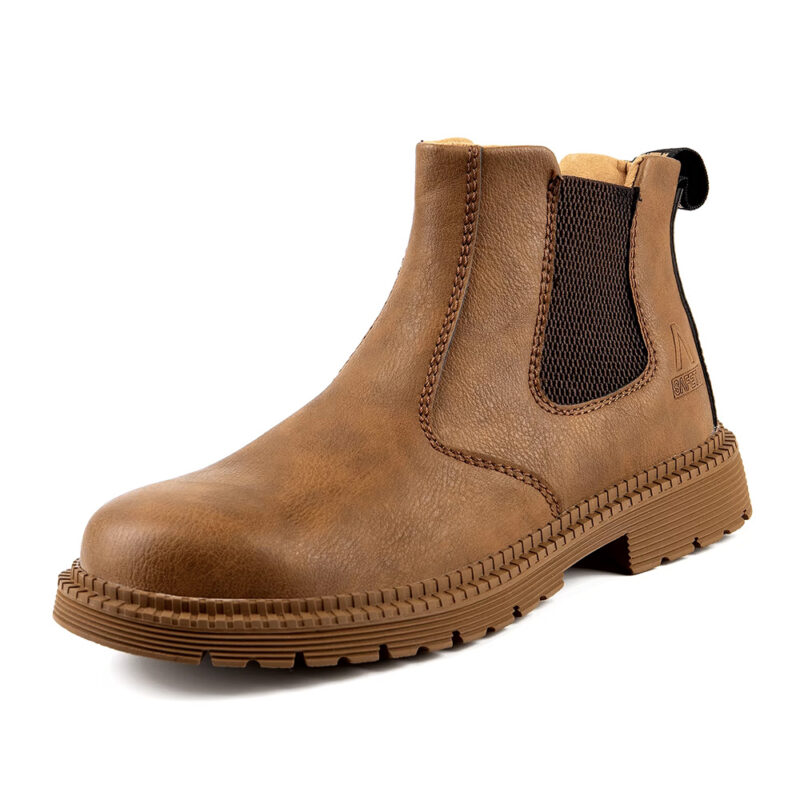
Style variety has expanded considerably. Women’s safety boots now come in work boot, Chelsea boot, hiker, and even mid-calf styles. Function does not require a purely utilitarian look.
How to Choose the Right Women’s Safety Toe Boot
Step 1: Identify Your Hazards
Your workplace hazards determine which protection features you need. Use this list:
- Falling objects → impact-rated toe (ASTM I/75)
- Rolling equipment → compression-rated toe (ASTM C/75)
- Electrical exposure → EH rating required
- Wet surfaces → slip-resistant outsole rating (ASTM F2913 or Mark II)
- Puncture risk → PR rating or steel midsole
- Cold environments → insulated boot, minimum 200g Thinsulate
- Metal detectors on-site → composite or carbon fiber toe only
Step 2: Know Your Fit Requirements
Visit a specialty work boot retailer and get measured at the end of the day when your feet are at their largest. Note both foot length and width. Women’s safety boots typically run in standard and wide widths.
When your workday involves heavy machinery, falling objects, and unforgiving terrain, the Birks Defender Kevlar Steel Toe Safety Work Boots stand ready to protect you through it all. These boots deliver the exceptional durability, reliable protection, and all-day comfort you need to tackle any challenge and get the job done right, every single time.
Step 3: Evaluate the Outsole
The outsole does as much work as the toe cap. Look for:
- Deep lug pattern for outdoor terrain
- Oil-resistant compound (marked OR)
- Heat resistance up to at least 250°F if working near hot surfaces
- Slip rating compliant with ASTM F2913 or equivalent
Step 4: Consider Your Shift Length
Longer shifts demand better cushioning. Look for boots with a removable footbed so you can swap in a custom orthotic if needed. A polyurethane (PU) midsole offers better long-term cushioning than EVA, which compresses faster over time.
Step 5: Check the Break-In Period
Full-grain leather boots require a break-in period of roughly 1–2 weeks. Synthetic uppers typically require little to no break-in. If you are starting a new job and need immediate comfort, prioritize a boot with a synthetic or nubuck upper.
Top Styles of Women’s Safety Toe Boots
Lace-Up Work Boot
The most common style. Offers maximum ankle support and adjustability. Best for construction, manufacturing, and warehouse work.
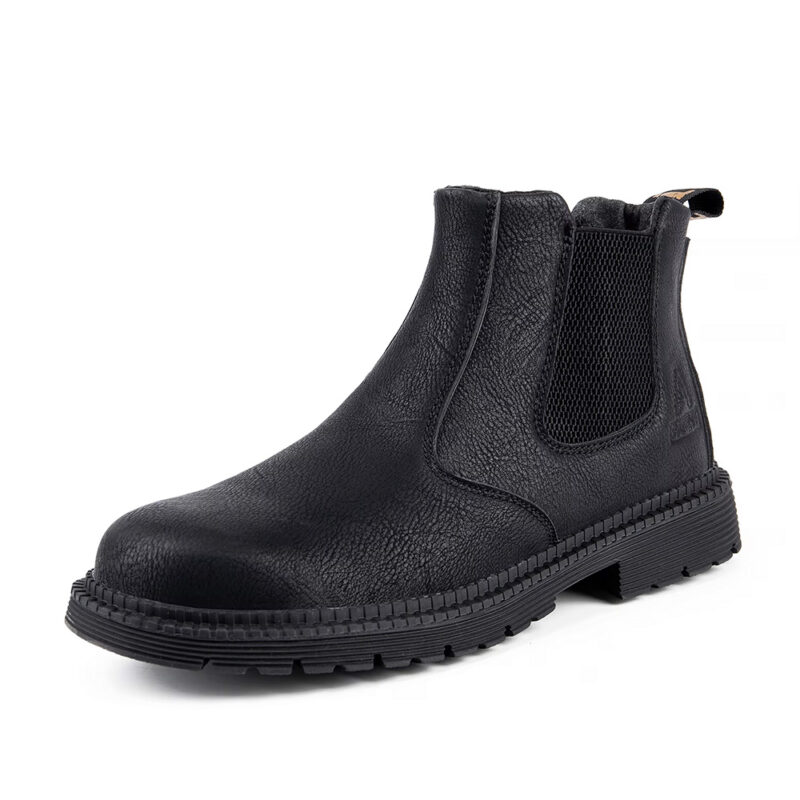
Chelsea Boot
Pull-on style with elastic side panels. Faster to put on and remove. Suitable for lighter-duty jobs or workplaces with moderate hazard levels.
Hiker-Style Boot
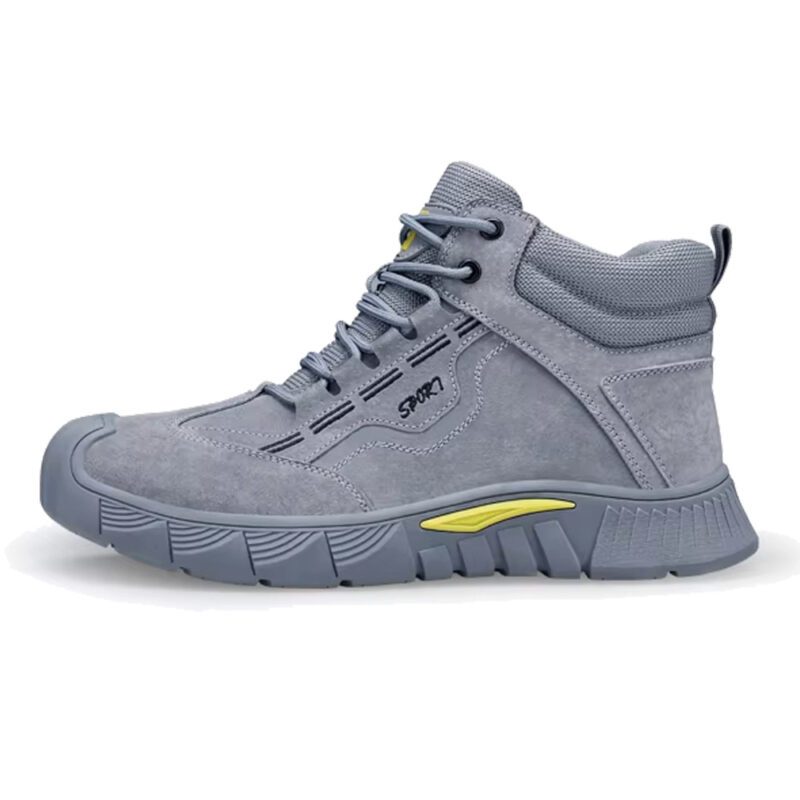
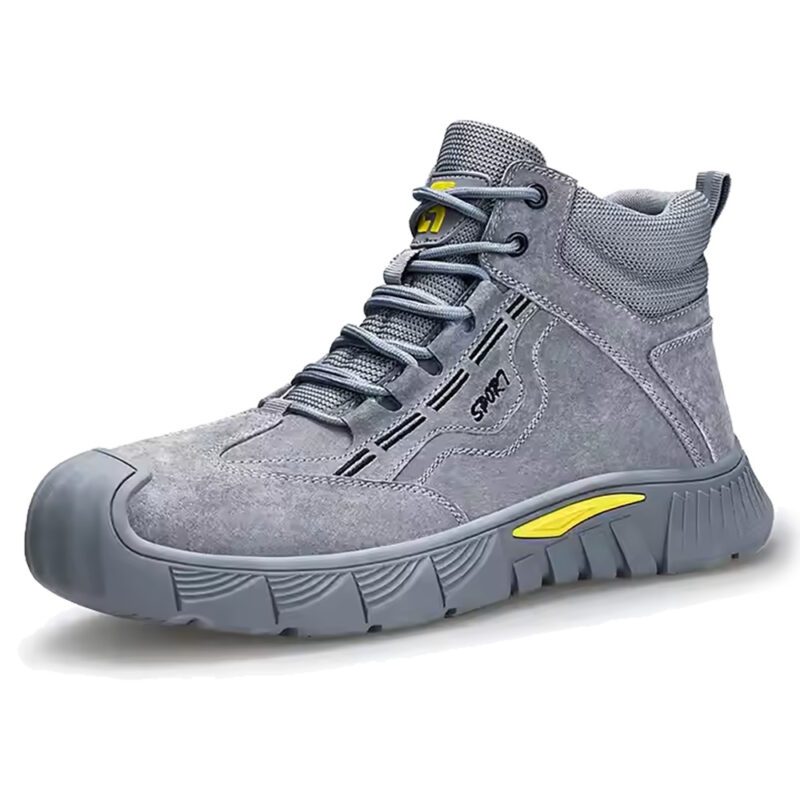
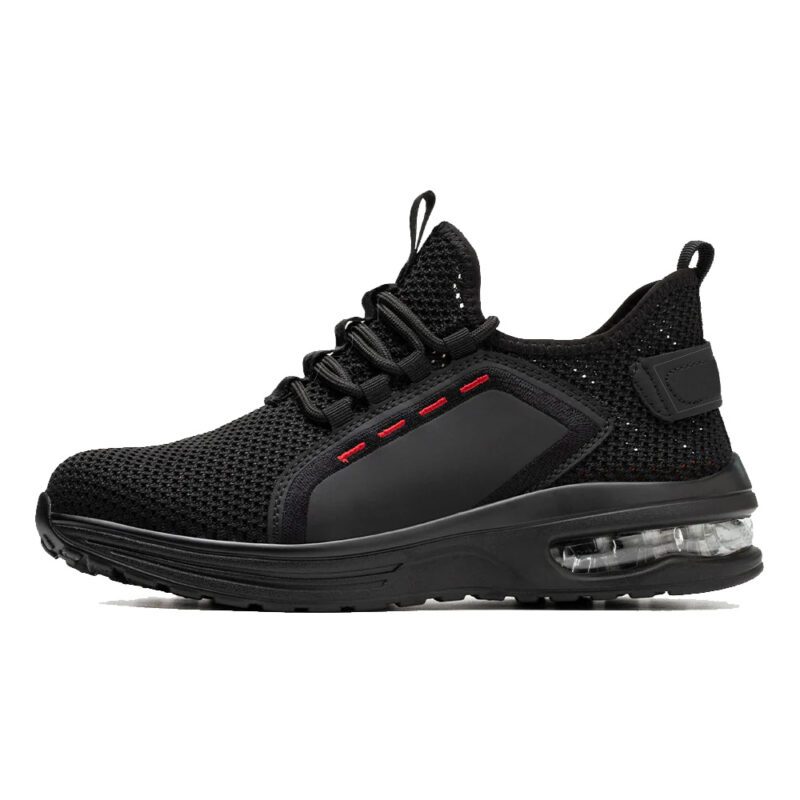
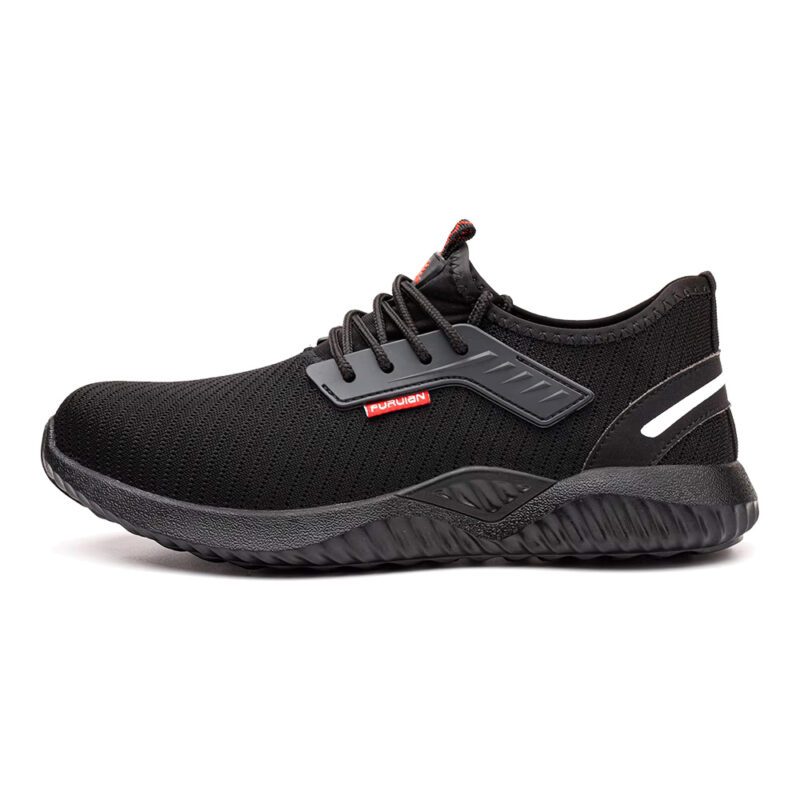
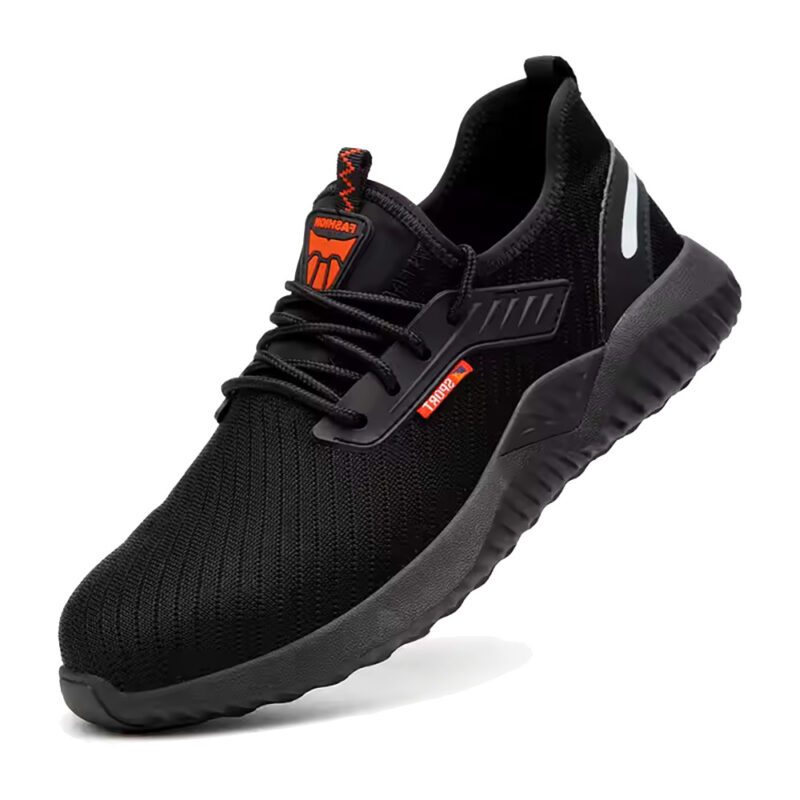
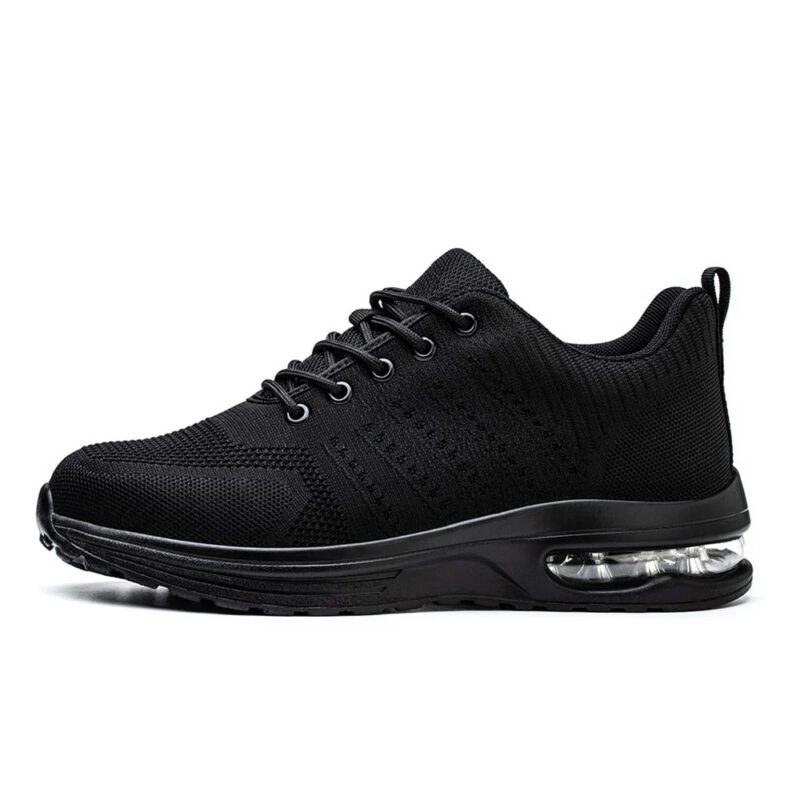
Combines the fit of an athletic shoe with safety toe protection. Lighter weight. Preferred in landscaping, utilities, and field inspection roles.
Waterproof Boot
Available in all styles above. Essential for outdoor work, wet environments, or any job with standing water exposure. GORE-TEX lining is the gold standard; it is both waterproof and breathable.
Maintenance: Making Your Boots Last
A quality pair of women’s safety toe boots can last 1–3 years with proper care. Neglect cuts that lifespan significantly.
Clean regularly. Remove dirt and debris after each shift. Use a damp cloth on synthetic uppers and a soft brush on leather.
Condition leather. Apply a leather conditioner every 4–6 weeks. This prevents cracking and maintains water resistance. Avoid petroleum-based products, which degrade the leather over time.
Re-waterproof. Waterproof treatments wear off. Reapply a spray or wax treatment every 2–3 months, or whenever water stops beading on the surface.
Inspect the sole. Check outsole wear regularly. A worn lug pattern reduces slip resistance. Replace boots when the outsole tread is significantly worn.
Dry properly. Never dry boots near direct heat sources like radiators or fire. Remove the insole and stuff the boot loosely with newspaper to absorb moisture. Allow 12–24 hours to dry fully before wearing again.
Rotate pairs. If your work allows it, rotating between two pairs of boots extends the life of both. Each pair gets time to decompress and dry fully.
Quick Selection Summary
Follow these six steps to select the right women’s safety toe boot:
- List your workplace hazards and match to required ASTM ratings.
- Choose toe cap material based on weight preference, electrical requirements, and climate.
- Select your boot style based on job type and ankle support needs.
- Get properly fitted at end of day in the socks you plan to wear on the job.
- Verify the outsole rating for slip and oil resistance.
- Plan for maintenance with the right conditioner and waterproofing products.
Women’s safety toe boots are a critical piece of personal protective equipment. A properly fitted, correctly rated pair protects your feet, reduces fatigue, and holds up under real working conditions. Take the selection process seriously — your feet carry you through every shift.
When your workday involves heavy machinery, falling objects, and unforgiving terrain, the Birks Defender Kevlar Steel Toe Safety Work Boots stand ready to protect you through it all. These boots deliver the exceptional durability, reliable protection, and all-day comfort you need to tackle any challenge and get the job done right, every single time.