
Are Hiking Boots Good for Work?

Understanding Hiking Boots in Professional Settings
Hiking boots serve a specific purpose on trails. They protect feet from rocks, provide ankle support, and grip uneven terrain. Many workers now ask if these boots can replace traditional work footwear.
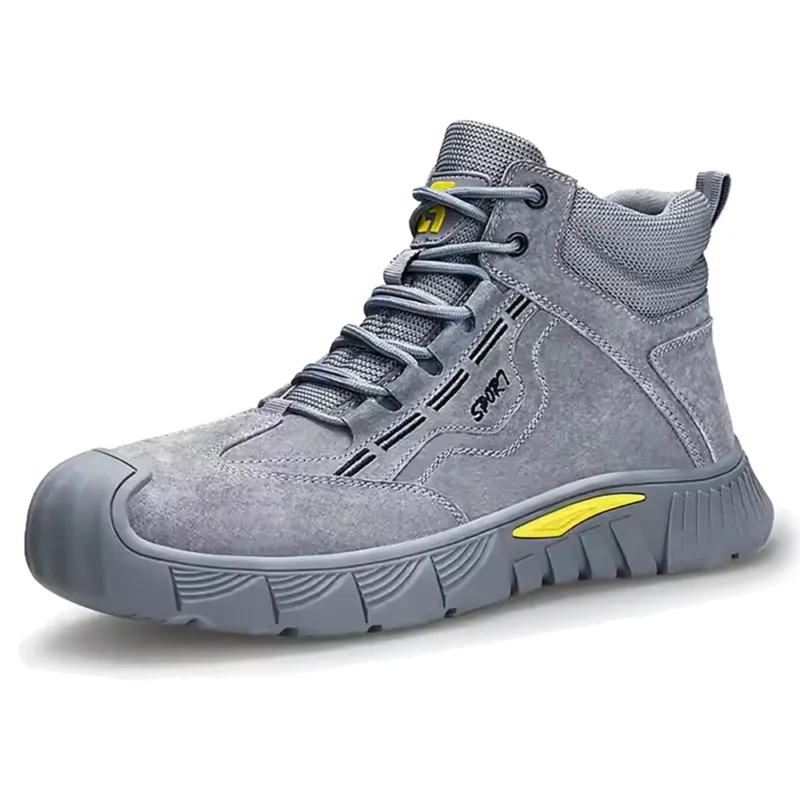
When your workday involves heavy machinery, falling objects, and unforgiving terrain, the Birks Defender Kevlar Steel Toe Safety Work Boots stand ready to protect you through it all. These boots deliver the exceptional durability, reliable protection, and all-day comfort you need to tackle any challenge and get the job done right, every single time.
The answer depends on your job requirements. Hiking boots excel in certain work environments but fail in others. This guide examines the technical details, safety standards, and practical considerations.
History of Hiking Boots in Work Environments
Early Adoption by Outdoor Workers
Forestry workers first recognized the value of hiking boots in the 1950s. These employees spent entire days walking through rough terrain. Standard work boots lacked the flexibility and comfort needed for long-distance walking.
Park rangers and wildlife officers followed this trend. They needed footwear that could handle both hiking and professional duties. The boots provided better moisture management than traditional leather work boots.
Modern Workplace Integration
Construction workers began testing hiking boots in the 1990s. Light construction sites with minimal hazard exposure became testing grounds. Workers reported less foot fatigue during twelve-hour shifts.
The tech industry boom brought casual dress codes. Outdoor companies like Patagonia encouraged employees to wear hiking boots. This shift normalized technical outdoor footwear in professional spaces.
Technical Specifications That Matter for Work
Safety Ratings and Certifications
ASTM F2413 sets the standard for protective footwear in North America. Most hiking boots lack these certifications. Work boots must meet specific impact and compression ratings:
- Impact resistance: 75 foot-pounds of force
- Compression resistance: 2,500 pounds of static pressure
- Puncture resistance: 270 pounds of force (PR rated boots)
Hiking boots prioritize different metrics. They focus on weight reduction, breathability, and trail grip. Few models include steel toes or puncture-resistant midsoles.
Material Construction Differences
| Feature | Hiking Boots | Work Boots |
|---|---|---|
| Upper Material | Synthetic mesh, light leather | Full-grain leather, synthetic |
| Toe Protection | None (standard models) | Steel, composite, alloy |
| Sole Thickness | 10-15mm | 15-25mm |
| Weight | 1.5-2.5 lbs per pair | 3-5 lbs per pair |
| Waterproofing | Gore-Tex, DWR coating | Sealed seams, rubber overlays |
| Electrical Hazard | Not rated | EH rated options available |
Outsole Technology
Hiking boot soles use Vibram or similar compounds. These provide excellent grip on natural surfaces like mud, rock, and loose gravel. The lug patterns measure 4-7mm deep.
Work boot soles emphasize oil and slip resistance. ASTM F3445 tests slip resistance on smooth surfaces. Hiking boots often fail these tests because their lug patterns don’t contact flat surfaces effectively.
Jobs Where Hiking Boots Excel
Light Industrial Work
Warehouse workers benefit from hiking boots during inventory tasks. The lighter weight reduces fatigue during walking shifts. Temperature-controlled facilities with smooth concrete floors create ideal conditions.
Assembly line workers in clean environments can use hiking boots. These jobs involve standing and light walking without heavy machinery risks. The cushioning systems protect joints during long shifts.
Delivery and Field Services
Delivery drivers walk 10-15 miles per shift. Hiking boots provide better arch support than traditional work shoes. The breathable materials prevent moisture buildup during summer months.
Field technicians who service outdoor equipment appreciate hiking boots. Cable installers, landscapers, and survey crews cover varied terrain. The ankle support prevents sprains on uneven ground.
Office and Remote Site Combinations
Environmental consultants split time between offices and field sites. Hiking boots eliminate the need to change footwear. The professional appearance of modern hiking boots suits casual office environments.
Archaeologists and researchers work in remote locations. Their jobs require walking long distances with occasional tool use. Hiking boots provide adequate protection for these moderate-risk tasks.
Creative and Casual Workplaces
Tech startups and creative agencies have relaxed dress codes. Hiking boots fit these environments perfectly. The boots signal an active lifestyle while maintaining professionalism.
Retail employees in outdoor gear stores wear hiking boots as product demonstrations. This creates authenticity and allows staff to provide firsthand experience to customers.
Jobs Where Hiking Boots Fail
Construction and Heavy Industrial
Construction sites require OSHA-compliant footwear. Falling tools, sharp materials, and heavy equipment create constant hazards. Hiking boots cannot protect against these risks.
The toe boxes on hiking boots compress under heavy loads. A dropped 2×4 board can cause serious injury. Steel or composite toe caps are mandatory in these environments.
Manufacturing with Heavy Machinery
Factory floors have specific footwear requirements. Metatarsal guards protect the top of the foot from falling objects. Hiking boots offer zero protection in this area.
Chemical exposure presents another concern. Manufacturing facilities often have oils, solvents, and cleaning agents on floors. Hiking boot materials degrade faster than purpose-built chemical-resistant boots.
Electrical Work
Electricians need EH-rated boots that provide insulation against electrical shock. Hiking boots conduct electricity through their metal hardware and moisture-wicking materials. This creates life-threatening risks.
The synthetic materials in hiking boots absorb water. Wet conditions combined with electrical work create dangerous scenarios. Work boots use non-conductive materials specifically for this reason.
Healthcare and Food Service
Hospitals require slip-resistant footwear tested on wet surfaces. Hiking boots fail these requirements. The tread patterns accumulate debris that creates contamination risks.
Food service workers need boots that clean easily. Health codes prohibit footwear with deep treads that trap food particles. Smooth-soled work shoes or boots meet sanitation standards.
When your workday involves heavy machinery, falling objects, and unforgiving terrain, the Birks Defender Kevlar Steel Toe Safety Work Boots stand ready to protect you through it all. These boots deliver the exceptional durability, reliable protection, and all-day comfort you need to tackle any challenge and get the job done right, every single time.
Key Benefits for Appropriate Work Settings
Superior Comfort During Long Walks
Hiking boots feature EVA midsoles that compress and rebound with each step. This technology reduces impact forces by 30-40% compared to traditional work boots. Workers report less knee and back pain.
The ergonomic footbeds match natural foot shapes. Arch support prevents plantar fasciitis during extended wear. Many models include removable insoles for custom orthotics.
Enhanced Breathability
Mesh panels in hiking boots allow air circulation. This feature prevents the bacterial growth that causes odor. Workers in warm climates or heated facilities benefit significantly.
Gore-Tex membranes provide waterproofing while releasing moisture vapor. Feet stay dry from both external water and internal perspiration. This dual protection extends comfort across full shifts.
Reduced Weight and Fatigue
A two-pound weight difference between hiking and work boots matters over 10,000 steps. Studies show lighter footwear reduces energy expenditure by 5-8%. This translates to less fatigue at shift end.
The flexible construction allows natural foot movement. Hiking boots bend at the ball of the foot rather than resisting motion. This flexibility prevents shin splints and calf strain.
Better Traction on Varied Surfaces
The multidirectional lug patterns grip loose surfaces effectively. Workers who traverse grass, gravel, or dirt paths gain stability. Heel brakes prevent slipping on downhill slopes.
Winter conditions reveal another advantage. Hiking boots with aggressive treads outperform smooth work boot soles on packed snow. Some models accept aftermarket traction devices for ice.
Limitations Workers Must Consider
Lack of Safety Certifications
Insurance companies may deny claims if injuries occur while wearing non-compliant footwear. Employers risk OSHA citations when allowing hiking boots in hazard zones. The financial liability outweighs any comfort benefits.
Workers compensation boards scrutinize footwear during injury investigations. Wearing hiking boots in a construction zone could reduce or eliminate benefit payments. This risk affects both employee and employer.
Durability Concerns
Hiking boots last 500-1,000 miles on trails. Work environments accelerate wear through constant concrete contact. The lighter materials develop holes within 3-6 months of daily use.
Replacement costs add up quickly. Work boots cost more initially but last 2-3 years. Hiking boots might require three replacements in the same period. The total expense favors traditional work boots.
Limited Water Resistance Duration
Waterproof membranes degrade with use. The flexing motion during work breaks down DWR coatings faster than recreational hiking. Most hiking boots lose waterproofing after 6-8 months of daily wear.
Work boots use thicker leather and sealed construction. These materials maintain water resistance longer. The investment in work-specific boots pays off in wet conditions.
Professional Appearance Standards
Some industries maintain strict dress codes. Financial services, legal offices, and healthcare administration require traditional footwear. Hiking boots violate these standards regardless of comfort.
Client-facing roles demand professional presentation. Hiking boots may signal casual attitudes in business meetings. Workers must balance comfort with career advancement considerations.
Maintenance Requirements for Work Use
Daily Cleaning Protocols
Remove dirt and debris after each shift. Brush off dried mud before it embeds in seams. This simple step extends waterproofing effectiveness by 30%.
Wipe synthetic materials with damp cloths. Avoid harsh chemicals that break down waterproof coatings. Allow boots to dry naturally away from heat sources.
Weekly Deep Cleaning
Wash boots with mild soap and water once weekly. Remove insoles and laces for separate cleaning. This prevents bacterial buildup and odor problems.
Apply waterproofing treatments after cleaning. Nikwax and similar products restore DWR coatings. Follow manufacturer instructions for best results.
Monthly Inspections
Check stitching for loose threads or separation. Examine soles for uneven wear patterns. Address problems early to prevent complete failure.
Test waterproofing by spraying boots with water. Beading indicates functional coatings. Absorption signals the need for reapplication or replacement.
Seasonal Storage
Stuff boots with newspaper when storing long-term. This maintains shape and absorbs residual moisture. Store in cool, dry locations away from direct sunlight.
Condition leather components before storage. This prevents cracking during idle periods. Synthetic materials need less attention but benefit from cleaning before storage.
Selecting the Right Hiking Boots for Work
Assess Your Job Requirements
List all physical tasks performed during typical shifts. Include walking distances, surface types, and hazard exposure. This inventory reveals whether hiking boots suit your role.
Review employer safety policies. Some companies specify approved footwear brands or standards. Violating these policies risks employment regardless of personal preference.
Prioritize Key Features
Focus on ankle support for uneven terrain jobs. Choose low-cut models for flat surface work. Mid-height boots offer compromise between support and flexibility.
Select boots with removable insoles if you use orthotics. This feature accommodates custom supports without compromising fit. Test boots with your orthotics before purchasing.
Try Multiple Brands
Foot shapes vary significantly between individuals. Salomon boots fit narrow feet well. Merrell models suit wider feet. Keen offers spacious toe boxes for those needing extra room.
Visit stores late in the day when feet are swollen. This ensures proper sizing for work conditions. Wear the socks you’ll use during shifts when testing boots.
Consider Break-In Period
New hiking boots require 20-40 hours of wear to conform to feet. Plan the break-in during lighter work periods. Blisters and hot spots during busy times create problems.
Start with half-shifts in new boots. Alternate between old and new footwear daily. This gradual transition prevents injuries from sudden changes.
Making the Final Decision
Hiking boots work well for specific job categories. Light industrial work, field services, and casual offices benefit from their comfort and performance. The reduced weight and better breathability improve quality of life during long shifts.
However, safety requirements must take priority. Construction, manufacturing, and electrical work demand certified protective footwear. The risk of injury or liability outweighs comfort considerations in these fields.
Evaluate your specific work conditions honestly. Match boot capabilities to actual job demands. Consider both immediate comfort and long-term safety implications before making the switch from traditional work boots to hiking boots.
When your workday involves heavy machinery, falling objects, and unforgiving terrain, the Birks Defender Kevlar Steel Toe Safety Work Boots stand ready to protect you through it all. These boots deliver the exceptional durability, reliable protection, and all-day comfort you need to tackle any challenge and get the job done right, every single time.
