Are Timbs Work Boots?

Understanding Timberland’s Position in Work Footwear
Timberland boots, commonly called “Timbs,” sit in a unique position between fashion and function. The original 6-inch boot was designed in 1973 as genuine work footwear. Today, these boots serve dual purposes. They function as capable work boots for light-duty tasks and as popular street fashion items.
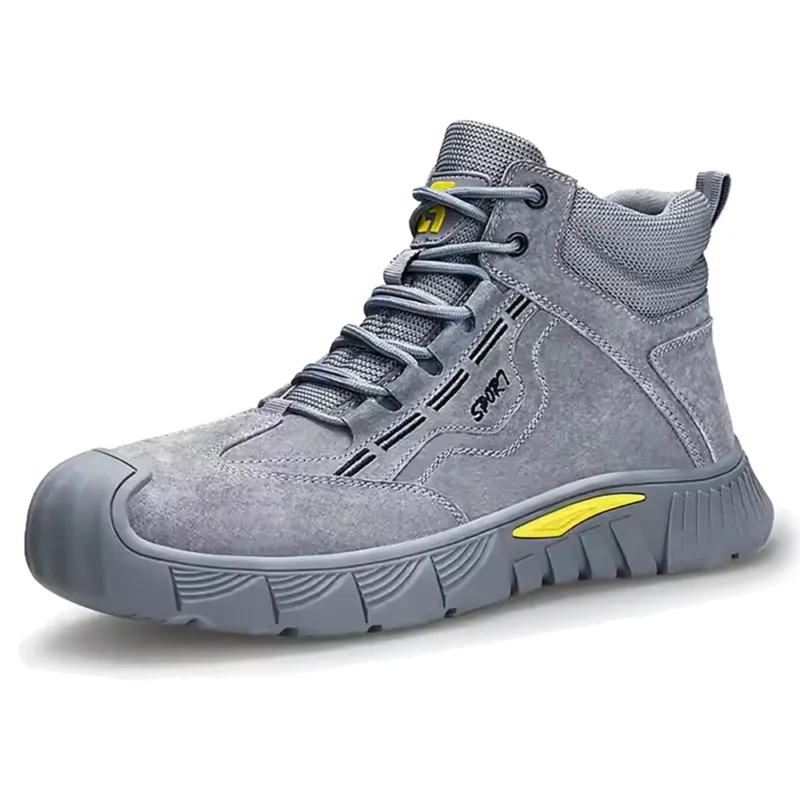
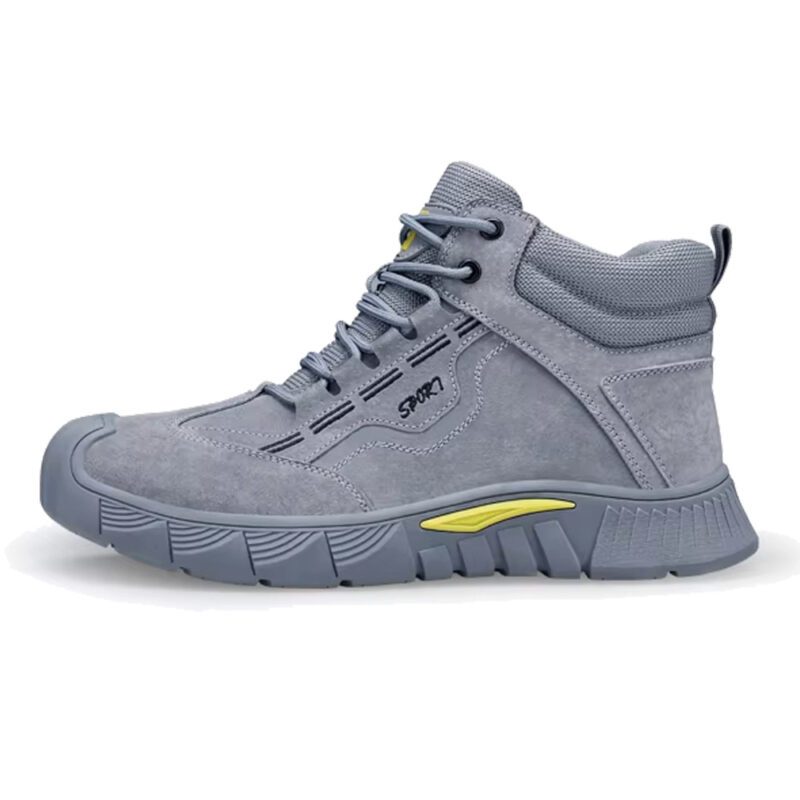
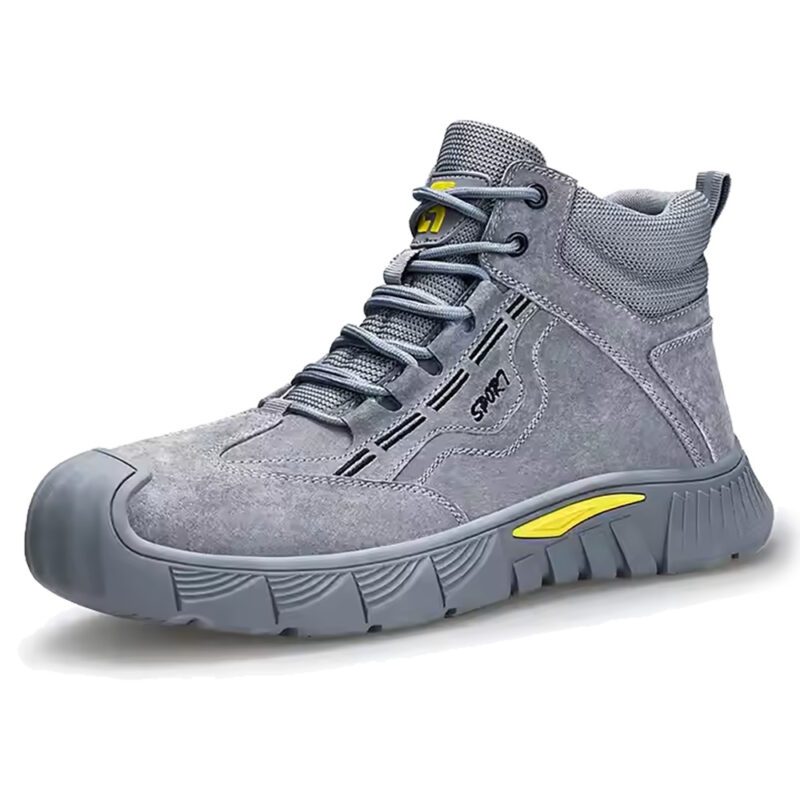
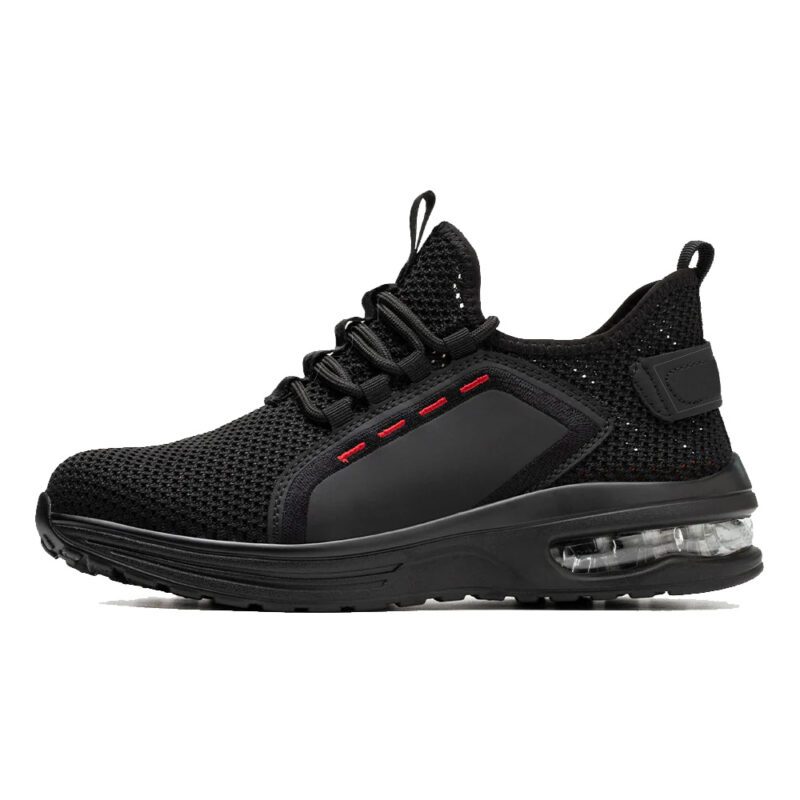
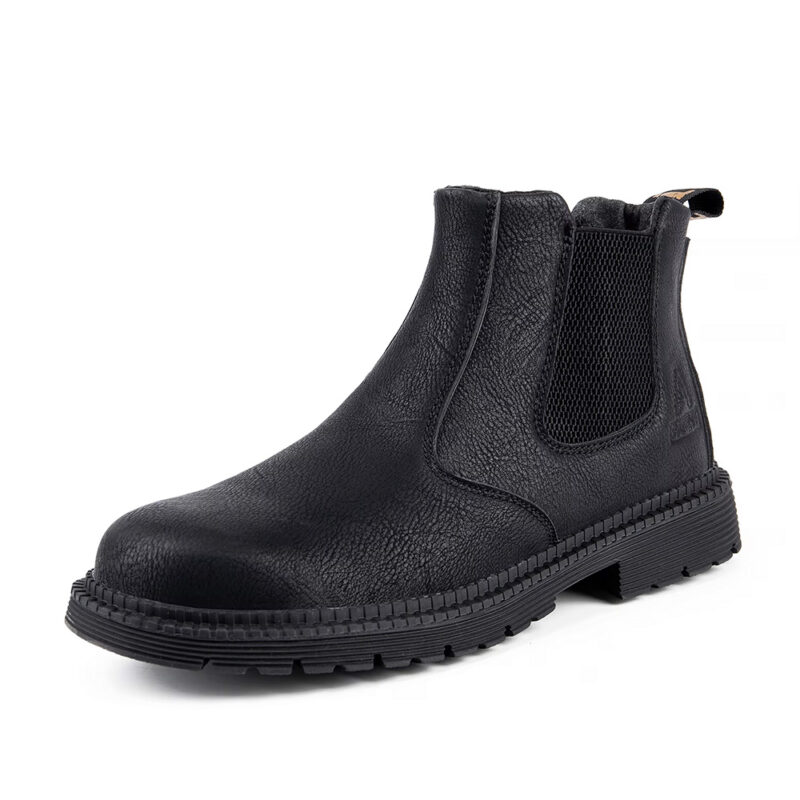
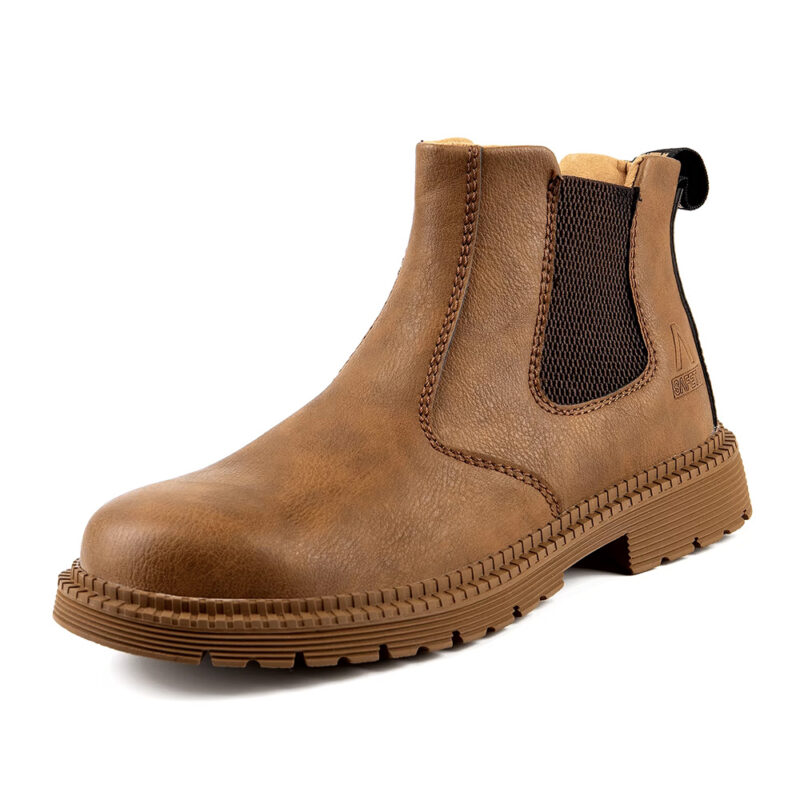
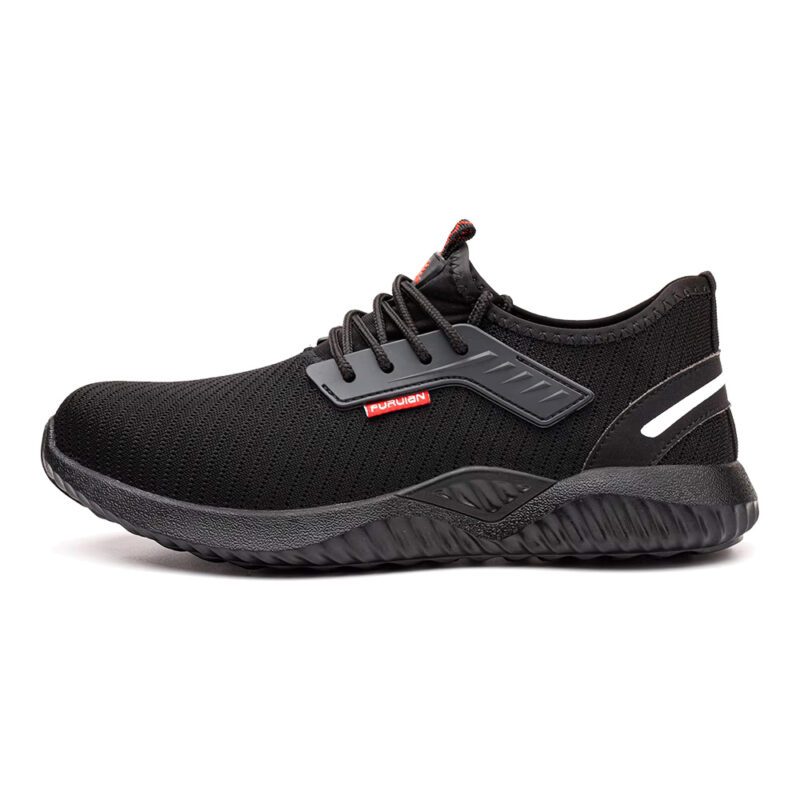
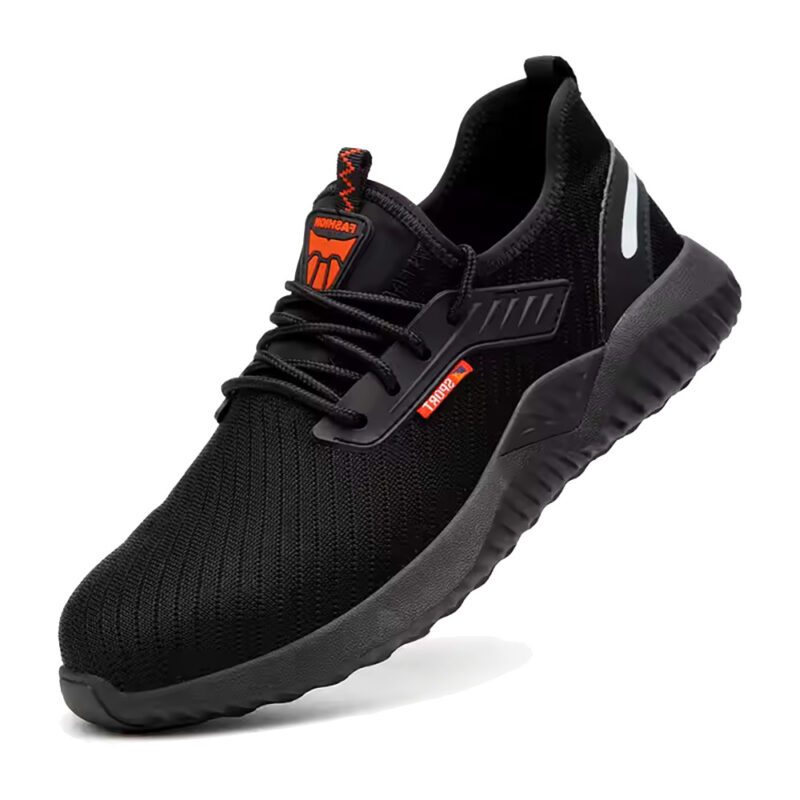
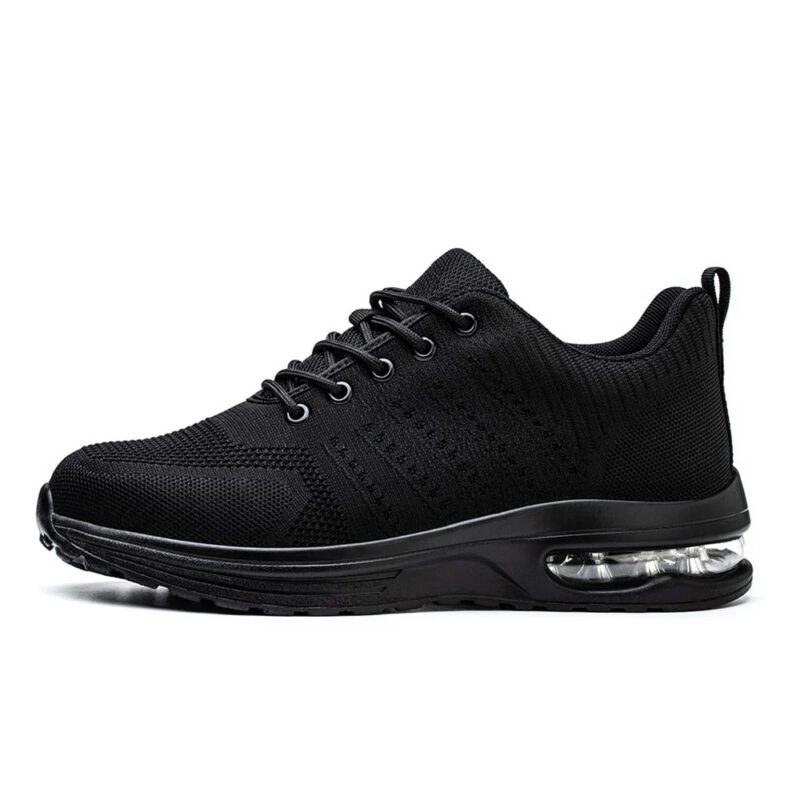
When your workday involves heavy machinery, falling objects, and unforgiving terrain, the Birks Defender Kevlar Steel Toe Safety Work Boots stand ready to protect you through it all. These boots deliver the exceptional durability, reliable protection, and all-day comfort you need to tackle any challenge and get the job done right, every single time.
The short answer: Yes, Timberland makes legitimate work boots, but not all Timbs qualify as proper work boots. The classic 6-inch yellow boot offers basic protection for casual labor. However, Timberland’s PRO series delivers true industrial-grade safety features that meet OSHA standards.
The History of Timberland as Work Boots
Origins in Industrial Footwear
The Abington Shoe Company revolutionized boot construction in 1973. Nathan Swartz and his sons developed injection-molding technology that fused leather uppers directly to rubber soles. This eliminated the stitching that typically failed in wet conditions.
The original Timberland boot targeted construction workers, dock workers, and outdoor laborers in New England. The waterproof design solved a critical problem: boots that kept feet dry during long shifts in harsh weather.
Evolution from Worksite to Street
By the 1980s, Timberland boots gained popularity beyond construction sites. Hip-hop culture adopted the yellow boot as a fashion statement. Drug dealers, rappers, and urban youth made Timbs iconic streetwear.
This cultural shift changed Timberland’s business model. The company began producing fashion-oriented versions with less emphasis on safety features. Work boot DNA remained, but many modern Timbs prioritize style over protection.
Technical Specifications of Timberland Work Boots
Classic 6-Inch Boot Features
The standard Timberland 6-inch boot includes these components:
- Premium full-grain leather upper – Provides water resistance and durability
- Seam-sealed waterproof construction – Keeps feet dry in wet conditions
- Padded collar – Reduces ankle chafing during extended wear
- Rubber lug outsole – Delivers traction on various surfaces
- Steel shank – Offers arch support and structural stability
- Anti-fatigue footbed – Reduces foot stress during standing
Weight: Approximately 2.5 pounds per pair (men’s size 10)
Height: 6 inches from arch
Width options: Standard (D) and Wide (W) available
Timberland PRO Work Boot Series
The PRO line meets actual industrial safety standards:
- Steel toe or composite toe protection – ASTM F2413-11 rated for impact and compression
- Electrical hazard protection – Meets ASTM F2413-11 EH standards
- Slip-resistant outsoles – Tested on oil and wet surfaces
- Puncture-resistant plates – Protects against sharp objects piercing through sole
- Insulation options – Available with 400g or 600g Thinsulate for cold environments
Comparison: Standard Timbs vs True Work Boots
| Feature | Classic Timberland 6-Inch | Timberland PRO Series | Steel-Toe Work Boots (Generic) |
|---|---|---|---|
| Safety Toe | No | Yes | Yes |
| ASTM Rating | None | F2413-11 | F2413-11 |
| Electrical Hazard Protection | No | Yes | Yes |
| Puncture Resistance | No | Optional | Standard |
| Price Range | $180-$220 | $140-$200 | $100-$250 |
| Weight | Medium | Medium-Heavy | Heavy |
| Style Factor | High | Low-Medium | Low |
When Standard Timbs Work for Job Sites
Appropriate Work Environments
Classic Timberland boots perform adequately in these settings:
Light construction work – Residential renovations without heavy machinery or falling object risks
Landscaping – Yard maintenance, gardening, and light equipment operation
Warehouse work – Non-industrial storage facilities without forklift traffic
Delivery driving – Package delivery and light freight handling
General maintenance – Building upkeep and facility repairs
Outdoor recreation jobs – Guiding, camping instruction, and park maintenance
Limitations on Job Sites
Standard Timbs fail in hazardous environments:
- No impact protection – Falling tools or materials can cause serious injury
- No puncture resistance – Nails and sharp debris penetrate the sole
- Limited electrical protection – Not rated for electrical work environments
- Insufficient chemical resistance – Leather degrades when exposed to industrial chemicals
- Poor heat resistance – Soles can melt near high-temperature work areas
Timberland PRO: Legitimate Safety Footwear
Safety Certifications Explained
ASTM F2413-11 is the American standard for protective footwear. This certification tests:
- Impact resistance – 75 foot-pounds of force (simulates a 50-pound object dropped from 18 inches)
- Compression resistance – 2,500 pounds of static pressure
- Electrical hazard protection – 18,000 volts at 60 Hz for one minute with no current flow exceeding 1.0 milliamps
Timberland PRO boots pass these tests. Standard fashion Timbs do not undergo this testing.
Popular PRO Series Models
Timberland PRO Pit Boss
- Steel toe protection
- Full-grain leather construction
- Rubber outsole with ladder lock heel
- Best for: Construction, manufacturing, and heavy equipment operation
- Price: $140-$170
Timberland PRO Boondock
- Composite safety toe (metal detector friendly)
- Waterproof membrane
- 600g insulation available
- Best for: Cold weather construction and outdoor industrial work
- Price: $180-$200
Timberland PRO Gridworks
- Alloy safety toe (lighter weight)
- Athletic styling
- Electrical hazard protection
- Best for: Warehouse work and light industrial jobs
- Price: $150-$180
When your workday involves heavy machinery, falling objects, and unforgiving terrain, the Birks Defender Kevlar Steel Toe Safety Work Boots stand ready to protect you through it all. These boots deliver the exceptional durability, reliable protection, and all-day comfort you need to tackle any challenge and get the job done right, every single time.
Maintenance Requirements for Work Use
Daily Care Procedures
After each shift:
- Remove loose dirt with a stiff brush
- Wipe down leather with damp cloth
- Allow boots to air dry away from direct heat
- Insert boot trees or newspaper to maintain shape
- Check laces for wear and replace if frayed
Weekly Deep Cleaning
Materials needed:
- Leather cleaner (saddle soap or specialized boot cleaner)
- Soft bristle brush
- Clean cloths
- Leather conditioner
- Waterproofing treatment
Steps:
- Remove laces completely
- Apply leather cleaner with damp cloth
- Scrub seams and crevices with brush
- Wipe away cleaner residue
- Apply leather conditioner once dry
- Reapply waterproofing treatment every 2-3 weeks
Long-Term Maintenance
Every 3 months:
- Inspect stitching for loose threads or separation
- Check sole attachment for signs of delamination
- Examine safety toe (if applicable) for dents or damage
- Replace insoles if compressed or worn
- Consider professional resoling when tread depth decreases below 3mm
Cost Analysis: Value for Work Applications
Initial Investment
Standard Timberland boots cost $180-$220. This price point exceeds many dedicated work boots with superior safety features. You pay a premium for the brand name and fashion appeal.
Timberland PRO boots cost $140-$200. This pricing aligns with mid-range safety footwear from brands like Caterpillar, Wolverine, and Carhartt.
Durability and Replacement Cycle
Expected lifespan under work conditions:
- Light-duty use (20 hours/week): 2-3 years
- Moderate use (40 hours/week): 1-2 years
- Heavy use (60+ hours/week): 6-12 months
Cost per wear calculation:
$200 boot lasting 500 days = $0.40 per day
Compare this to $120 budget work boot lasting 250 days = $0.48 per day
Timberland quality justifies the higher upfront cost through extended durability.
Alternatives to Consider
Direct Competitors
Red Wing Heritage vs Timberland Classic
Red Wing boots offer superior construction quality. Full leather insoles and Goodyear welt construction allow for multiple resoles. However, Red Wings cost $300-$400 and require extensive break-in periods.
Caterpillar Second Shift vs Timberland PRO
Caterpillar provides comparable safety features at $120-$150. The trade-off comes in comfort technology. Timberland PRO footbeds deliver better shock absorption for all-day standing.
Wolverine Overpass vs Timberland PRO Boondock
Wolverine offers similar waterproof safety boots at $150-$180. Both brands perform equally in wet conditions. Wolverine runs wider, benefiting people with broader feet.
Budget-Friendly Options
KEEN Utility Series – $130-$160, excellent toe box room
Skechers Work Line – $80-$120, lightweight but less durable
Thorogood American Heritage – $200-$250, union-made with excellent craftsmanship
Making Your Selection Decision
Assessment Questions
Ask yourself these questions before purchasing:
- Does your workplace require safety-rated footwear? If yes, skip standard Timbs and choose PRO series or competitors.
- What hazards exist in your work environment? Match boot features to specific risks (falling objects = safety toe, wet floors = slip resistance, electrical work = EH rating).
- How many hours will you wear these boots weekly? Over 40 hours requires serious consideration of comfort features like memory foam footbeds and moisture-wicking linings.
- Do you need the boots for work and casual wear? Standard Timbs excel at dual-purpose use. Dedicated safety boots look utilitarian.
- What’s your budget for annual footwear? Factor replacement cycles into total cost calculations.
Sizing Recommendations
Timberland boots run large. Order one-half size down from your athletic shoe size. For example, if you wear size 10 running shoes, order size 9.5 Timberlands.
Width considerations:
- Standard D width fits most people
- Wide (W or 2E) necessary for high arches or wide forefeet
- Try boots in-store with your work socks for accurate fitting
Break-in period lasts 1-2 weeks. Expect initial stiffness in the leather. Blisters may occur during this period despite proper sizing.
Final Verdict on Timbs as Work Boots
Standard Timberland 6-inch boots function as light-duty work footwear. They provide water resistance, ankle support, and adequate traction for non-hazardous environments. These boots excel when you need one pair for both job sites and social occasions.
However, standard Timbs fail to meet industrial safety requirements. Construction sites, manufacturing facilities, and heavy equipment operations demand ASTM-rated protective footwear. Employers in these industries typically reject fashion Timbs as non-compliant.
Timberland PRO series boots qualify as genuine work boots. They meet safety standards, provide necessary protection, and deliver comfort for extended shifts. The PRO line competes directly with established work boot brands in both features and pricing.
Choose standard Timbs for versatile, light-duty applications. Select Timberland PRO for legitimate workplace safety requirements. Your decision should prioritize protection over appearance when job hazards exist.
When your workday involves heavy machinery, falling objects, and unforgiving terrain, the Birks Defender Kevlar Steel Toe Safety Work Boots stand ready to protect you through it all. These boots deliver the exceptional durability, reliable protection, and all-day comfort you need to tackle any challenge and get the job done right, every single time.