
Women’s Black Work Boots

A Brief History of Women’s Work Boots
Work boots for women have a long history. They emerged in the early 20th century when women entered factories and industrial roles during World War I and World War II. Early designs were simple adaptations of men’s styles. They were heavy, stiff, and offered minimal comfort for female foot anatomy.
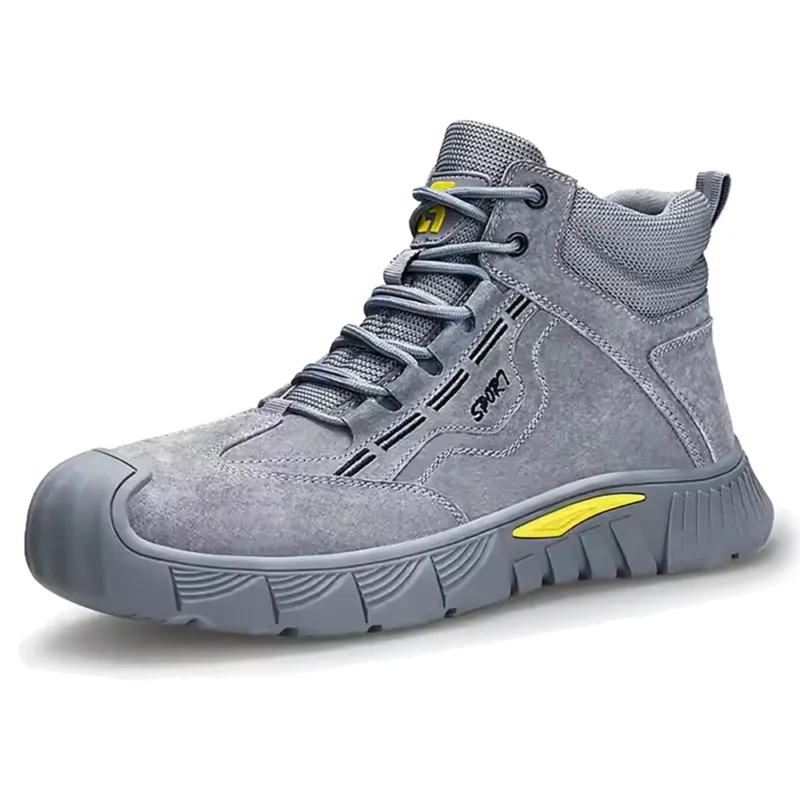
When your workday involves heavy machinery, falling objects, and unforgiving terrain, the Birks Defender Kevlar Steel Toe Safety Work Boots stand ready to protect you through it all. These boots deliver the exceptional durability, reliable protection, and all-day comfort you need to tackle any challenge and get the job done right, every single time.
By the 1970s and 1980s, brands began producing boots built for female workers. Narrower heel widths, shorter shaft heights, and lighter materials became standard. The 1990s saw major safety certifications, such as ASTM and ANSI standards, applied to women’s specific models.
Today, women’s black work boots combine industrial protection with ergonomic design. They are available across dozens of categories and price points. The color black remains the most popular choice for its versatility across professional and industrial environments.
Why Black Is the Dominant Color Choice
Black is the standard color for work boots across most industries. Several practical reasons drive this preference:
- Black hides dirt, grease, and scuffs more effectively than lighter colors.
- Black boots meet dress codes in offices, restaurants, retail, healthcare, and construction sites.
- Black pairs with virtually every uniform or workwear color.
- Black leather and synthetic materials show less UV fading over time.
From a professional standpoint, black work boots signal readiness and uniformity. Many employers require black footwear. This makes black the safest choice for workers who move between job sites or employers.
Key Technical Specifications to Understand
Toe Protection Types
Toe protection is the most critical safety specification. Each type has different weight, conductivity, and protection ratings.
- Steel Toe: Offers maximum crush resistance. Heavy but highly durable. Standard in construction and manufacturing.
- Composite Toe: Made from carbon fiber, Kevlar, or fiberglass. Lighter than steel. Does not conduct electricity. Required in electrical hazard environments.
- Alloy Toe: Aluminum or titanium construction. Lighter than steel with similar protection levels. Common in healthcare and light manufacturing.
- Soft Toe: No protective cap. Suitable for low-hazard environments such as retail or food service.
Sole and Traction Systems
The sole determines grip, fatigue resistance, and chemical protection. Key sole materials include:
- Rubber lug soles: Deep tread patterns. Maximum grip on wet, muddy, or uneven surfaces.
- EVA midsoles: Lightweight foam layer. Absorbs impact and reduces foot fatigue on hard floors.
- Oil-resistant soles: Required in kitchens, warehouses, and garages. Prevents slipping on petroleum-based spills.
- PU (polyurethane) outsoles: Durable and lightweight. Common in long-shift boots.
Upper Materials
The upper is the exterior shell of the boot. Common materials include:
- Full-grain leather: The most durable upper material. Resists water and abrasion. Requires conditioning to maintain flexibility.
- Nubuck leather: Buffed surface for a softer texture. Similar durability to full-grain but requires more maintenance.
- Synthetic uppers: Lighter and often vegan. Less breathable than leather but faster to dry.
- Waterproof membranes: Gore-Tex or proprietary linings. Essential for outdoor or wet environments.
Shank and Stability
The shank is an internal support plate between the insole and outsole. A full steel or fiberglass shank prevents the boot from flexing mid-sole. This protects against puncture hazards and reduces arch fatigue during long shifts.
Women’s Black Work Boot Comparison by Type
| Boot Type | Best For | Sole Type | Price Range |
|---|---|---|---|
| Steel Toe | Heavy industry, construction | Lug rubber | $90–$180 |
| Composite Toe | Electrical hazard zones | Non-slip rubber | $100–$200 |
| Alloy Toe | Long shifts, light industry | Oil-resistant | $80–$170 |
| Soft Toe | Retail, hospitality | Cushioned EVA | $60–$130 |
| Chelsea Style | Business casual, light duty | Leather/rubber | $70–$160 |
Key User Benefits by Industry
Healthcare and Nursing
Nurses and healthcare workers spend 8 to 12 hours on their feet. Slip-resistant soles are essential on polished floors. Lightweight alloy or soft toe boots reduce fatigue. Easy-clean uppers, such as smooth synthetic or treated leather, resist fluid contamination and allow for fast sanitation between shifts.
Construction and Trades
Construction environments require maximum protection. Steel or composite toe caps meet ASTM F2413 standards for impact and compression resistance. Puncture-resistant shanks protect against nails and sharp debris. Waterproof uppers keep feet dry in concrete, rain, or muddy conditions.
Hospitality and Food Service
Restaurant workers need oil-resistant soles and slip ratings on both wet and dry surfaces. The ASTM F2913 slip-resistance standard is the benchmark to look for. Soft toe designs are common in this sector. Black color is a universal requirement for most hospitality dress codes.
Warehousing and Logistics
Warehouse workers lift, carry, and walk long distances on concrete. Composite toe boots reduce foot fatigue without sacrificing protection. Cushioned midsoles and footbeds are critical for 10 to 12-hour warehouse shifts. Electrical hazard ratings protect workers near forklifts and charging stations.
When your workday involves heavy machinery, falling objects, and unforgiving terrain, the Birks Defender Kevlar Steel Toe Safety Work Boots stand ready to protect you through it all. These boots deliver the exceptional durability, reliable protection, and all-day comfort you need to tackle any challenge and get the job done right, every single time.
How to Measure Fit for Women’s Work Boots
Fit is the most important factor in long-term comfort and safety. Follow these steps:
- Measure your feet at the end of the day when they are at their largest.
- Measure both feet and use the larger measurement.
- Account for work socks. Thick socks add up to half a size.
- Check the toe box. Your toes should not touch the protective cap during normal movement.
- Check the heel. It should hold firmly without slipping during walking.
- Test width. Women with wide feet should look for EW or 2E width options.
Many women’s work boots come in B (narrow), D (standard), and EW (wide) widths. Brands such as Thorogood, Timberland PRO, and Wolverine offer extended width options.
Boot Maintenance and Care
Leather Boot Care
Leather work boots last significantly longer with regular maintenance. Follow this routine:
- Remove dirt and debris with a stiff brush after each shift.
- Apply a leather conditioner every 2 to 4 weeks to prevent cracking.
- Use a waterproofing wax or spray monthly if working in wet conditions.
- Rotate between two pairs to allow full drying between wears.
- Replace insoles every 6 months or when cushioning is visibly compressed.
Synthetic and Mixed Material Boot Care
- Wipe down with a damp cloth and mild soap after each shift.
- Avoid submerging waterproof membranes in standing water for extended periods.
- Air dry at room temperature. Never place near direct heat sources.
- Inspect soles monthly for wear. Replace boots when tread depth is below 2mm.
When to Replace Your Work Boots
Safety boots do not last forever. Replace them when:
- The toe cap is visibly cracked, dented, or deformed.
- The outsole has worn through or lost its slip-resistant tread.
- The upper has tears, holes, or separation from the sole.
- The midsole no longer cushions impact. This is often felt as persistent heel or arch pain.
- The waterproof lining has failed and feet are consistently wet.
Most quality women’s black work boots last 12 to 24 months with daily wear in demanding environments.
Safety Certifications to Look For
Certifications confirm a boot meets minimum safety standards. Key certifications include:
- ASTM F2413: The primary U.S. standard for protective footwear. Covers impact resistance, compression resistance, and metatarsal guards.
- EH (Electrical Hazard): Indicates the boot provides secondary protection against open electrical circuits.
- ASTM F2913: Slip resistance standard. Look for MARK II or BOE test results.
- PR (Puncture Resistant): Shank protects against nail puncture from below.
- CSA Z195: Canadian standard equivalent to ASTM F2413 for workers in Canada.
Step-by-Step Guide to Selecting the Right Pair
Use these steps to narrow your selection to the best women’s black work boot for your needs:
- Identify your hazards. List the specific risks in your workplace: falling objects, slippery floors, sharp debris, electrical exposure, or extreme weather.
- Check employer requirements. Confirm whether your job requires specific certifications such as ASTM F2413 or EH ratings.
- Choose your toe type. Match the toe cap to your primary hazard. Use composite for electrical zones, steel for impact-heavy tasks, and soft toe for low-hazard retail or food service.
- Select the upper material. Choose leather for durability and longevity. Choose synthetic for lighter weight and vegan options. Add a waterproof membrane for wet environments.
- Prioritize sole type. Oil-resistant soles for kitchens and garages. Lug soles for outdoor and construction use. Cushioned EVA for long shifts on hard floors.
- Confirm your size and width. Measure at day’s end. Account for sock thickness. Try EW widths if standard sizes feel tight across the ball of the foot.
- Set your budget. Entry-level boots start around $60. Professional-grade boots with full certifications range from $120 to $200. Budget for a second pair if working 5 days per week or more.
- Read verified reviews. Focus on reviews from workers in your specific industry. Comfort and durability assessments from similar job conditions are the most reliable.
Final Thoughts
Women’s black work boots protect feet, reduce fatigue, and meet professional dress standards across dozens of industries. The right pair depends on your specific workplace hazards, shift length, and physical demands. Understanding toe types, sole materials, certifications, and fit will help you make a confident and well-informed purchase.
Investing in quality footwear pays off in long-term foot health, reduced injury risk, and lower replacement costs over time. A well-maintained pair of black work boots can serve reliably for two or more years in most working environments.
When your workday involves heavy machinery, falling objects, and unforgiving terrain, the Birks Defender Kevlar Steel Toe Safety Work Boots stand ready to protect you through it all. These boots deliver the exceptional durability, reliable protection, and all-day comfort you need to tackle any challenge and get the job done right, every single time.
