How to Wear Ankle Boots with Work Pants

Understanding the Foundation of Ankle Boots and Professional Attire
Ankle boots emerged as a workplace staple in the 1960s. Women entered corporate environments in greater numbers. They needed footwear that balanced comfort with professionalism. The ankle boot solved this problem. It provided support without the formality of heels or the casualness of sneakers.
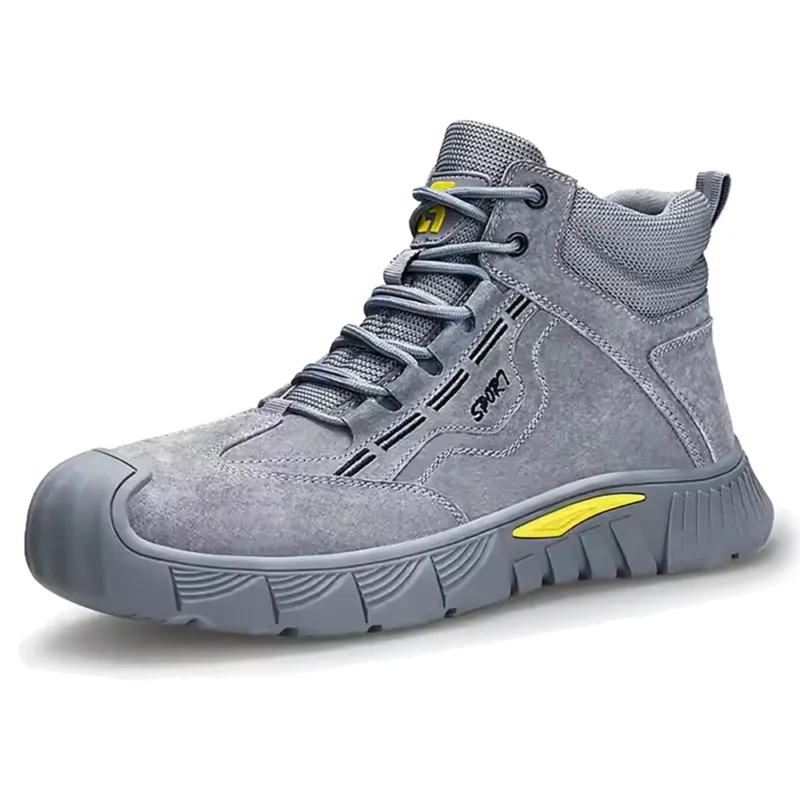
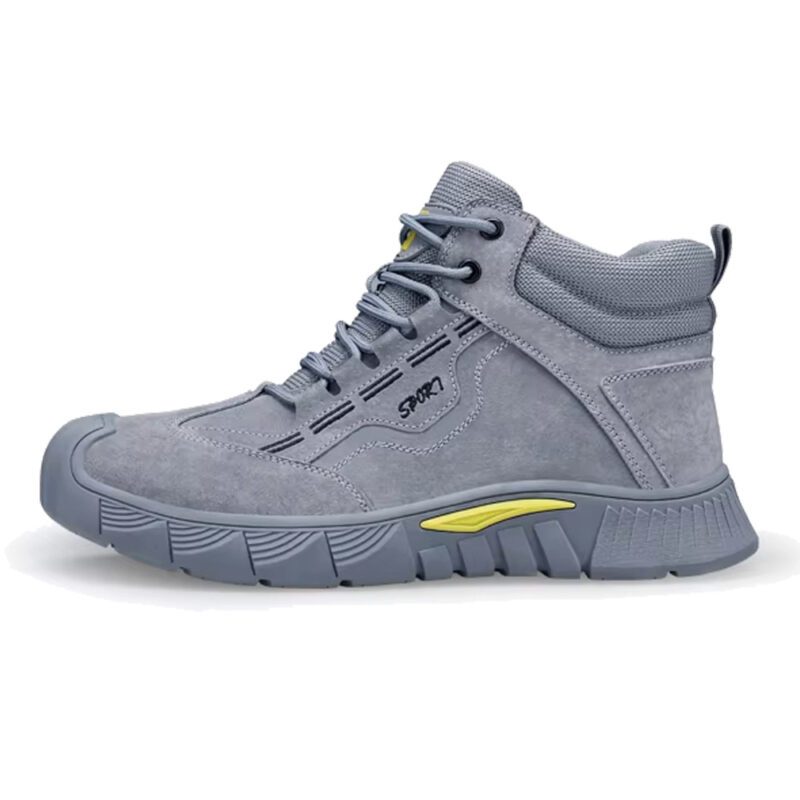
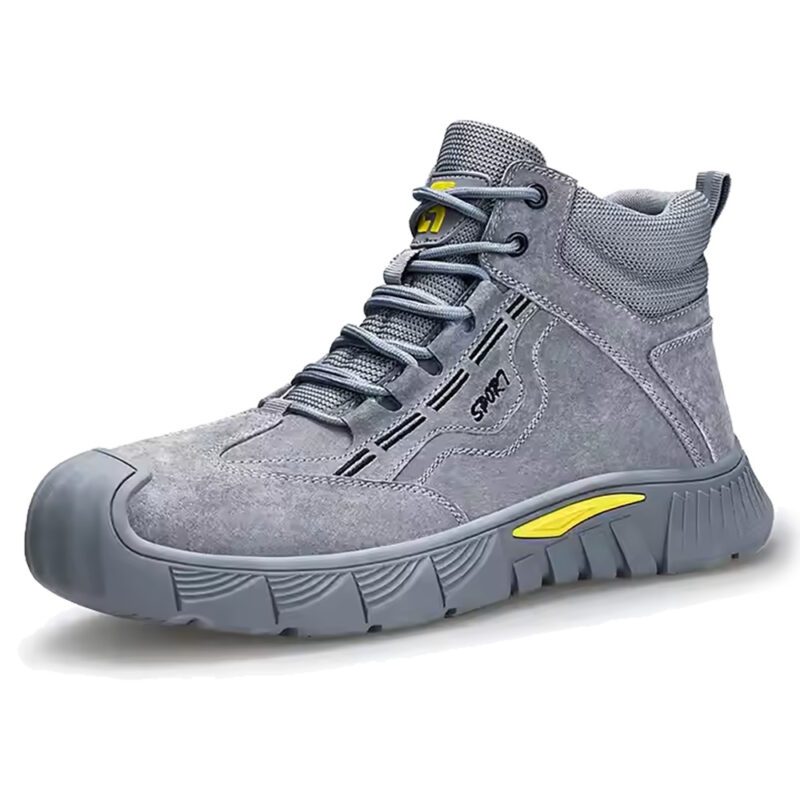
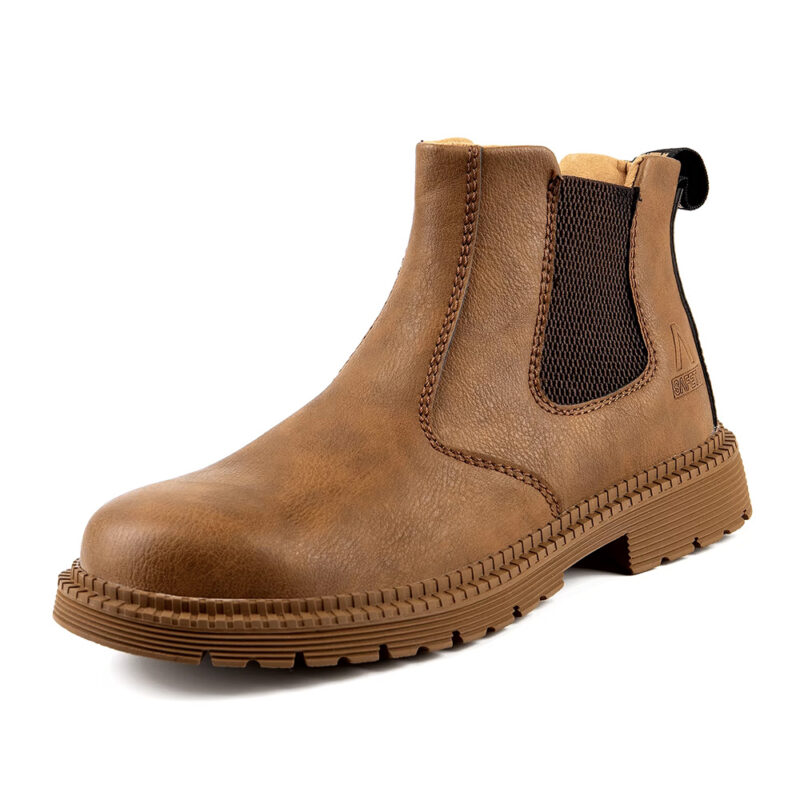
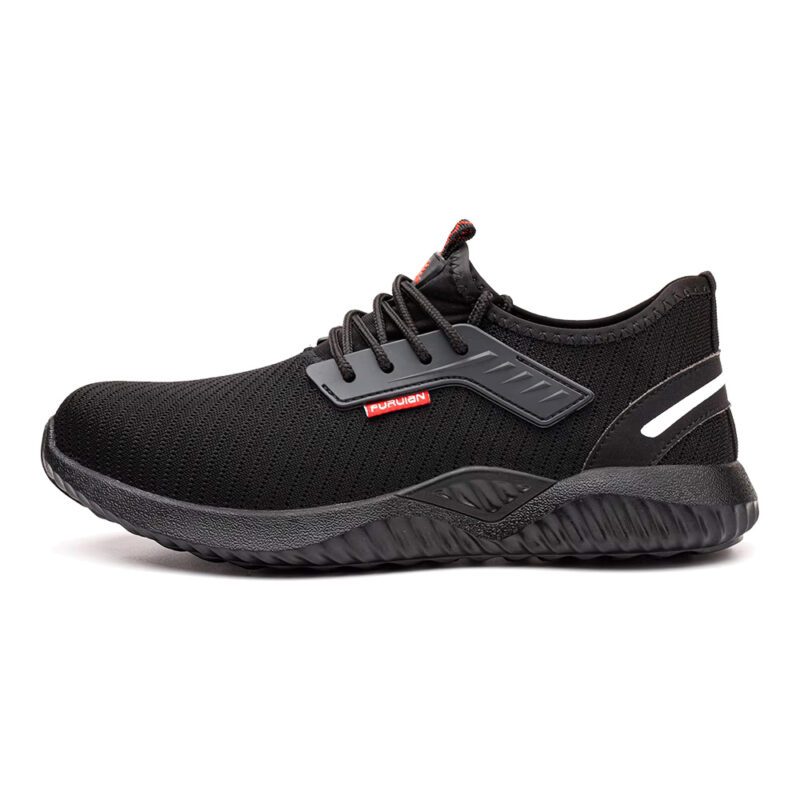
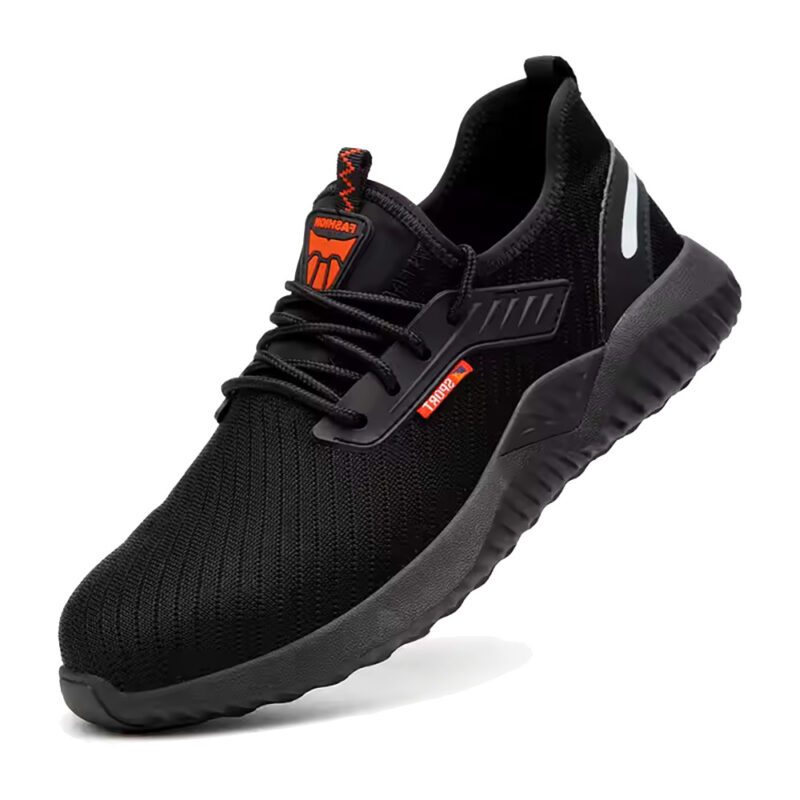
When your workday involves heavy machinery, falling objects, and unforgiving terrain, the Birks Defender Kevlar Steel Toe Safety Work Boots stand ready to protect you through it all. These boots deliver the exceptional durability, reliable protection, and all-day comfort you need to tackle any challenge and get the job done right, every single time.
Ankle boots sit at or just above the ankle bone. This height creates a clean line with trousers. The boot style works with multiple pant cuts. You can wear them year-round in most climates.
Work pants include dress trousers, chinos, straight-leg pants, and tailored slacks. Each style requires specific boot pairing techniques. The right combination creates a polished look that maintains workplace standards.
Technical Specifications for Boot Selection
Boot Height and Shaft Measurements
The shaft height determines how boots interact with your pants. Standard measurements include:
- Low ankle boots: 4-5 inches from the sole
- Mid ankle boots: 5-6 inches from the sole
- High ankle boots: 6-7 inches from the sole
Low ankle boots work best with cropped or hemmed pants. Mid ankle boots suit most work pant styles. High ankle boots require careful pant length consideration.
Toe Shape and Professional Settings
The toe shape affects your overall appearance. Four main options exist:
| Toe Style | Best For | Formality Level |
|---|---|---|
| Pointed | Dress trousers, slim pants | High |
| Almond | All work pant styles | Medium-High |
| Round | Casual work environments | Medium |
| Square | Wide-leg pants, relaxed fits | Medium-Low |
Pointed toes elongate the leg line. They create visual height. Almond toes offer versatility across dress codes. Round toes provide comfort for long workdays. Square toes add modern edge to traditional outfits.
Heel Heights and Workplace Functionality
Heel height impacts both comfort and appearance:
- Flat (0-1 inch): Maximum comfort, casual lean
- Low (1-2 inches): Balance of comfort and polish
- Medium (2-3 inches): Professional standard
- High (3+ inches): Formal occasions only
Choose heel height based on your daily activities. Standing meetings require lower heels. Desk-based work allows more flexibility.
Matching Boot Styles with Specific Work Pants
Ankle Boots with Dress Trousers
Dress trousers demand refined boot choices. The pants typically feature a straight or slightly tapered leg.
Key pairing rules:
- Hem pants to hit at the boot shaft top
- Choose leather boots in black, brown, or navy
- Match boot color to your belt
- Avoid visible boot hardware or excessive decoration
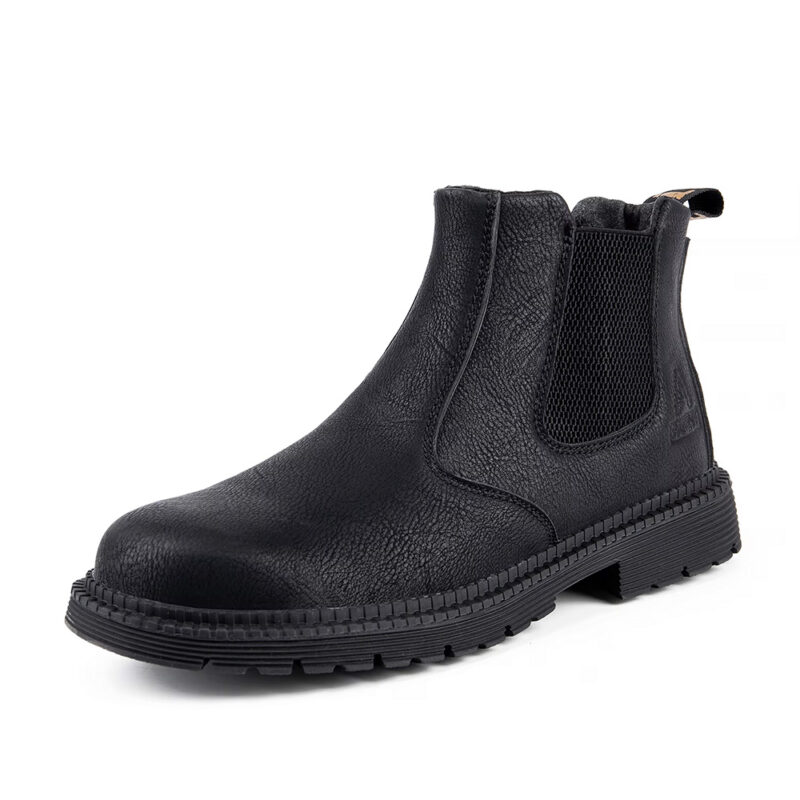
- Select Chelsea boots or sleek ankle boots with side zippers
Chelsea boots offer the cleanest silhouette. They feature elastic side panels. No laces interrupt the line. The boot slips on easily. This style works in conservative offices.
Leather quality matters significantly. Full-grain leather maintains a professional appearance longer. It develops character with age. Synthetic materials may crack or peel.
Ankle Boots with Straight-Leg Pants
Straight-leg work pants provide the most versatility. The consistent width from hip to ankle accommodates various boot styles.
Styling approach:
- Allow a slight break at the boot opening
- Tuck pants into boots for a streamlined look (weather-dependent)
- Match boot width to pant leg width
- Use darker boot colors for slimming effects
The break refers to the fabric fold where pants meet boots. A quarter break maintains professionalism. No break creates modern styling. A full break appears outdated.
Ankle Boots with Wide-Leg Trousers
Wide-leg pants present unique challenges. The larger opening can overwhelm ankle boots.
Solutions:
- Choose boots with substantial presence
- Select styles with block heels or platform soles
- Let pants pool slightly over boot tops
- Maintain visible boot shaft
- Avoid delicate or strappy designs
Block heels add visual weight. They balance the pant volume. The heel should measure at least 2 inches wide. Narrow heels create awkward proportions.
Ankle Boots with Cropped Work Pants
Cropped pants expose the ankle and boot shaft completely. This style requires careful attention.
Best practices:
- Choose boots with attractive shaft design
- Select fitted ankle boots without bulk
- Match sock color to pants or boots
- Keep ankle area streamlined
- Avoid gaps between pant hem and boot top
The exposed area draws attention. Any boot imperfection becomes visible. High-quality materials become essential.
Color Coordination for Professional Environments
Neutral Foundation Colors
Black ankle boots work with black, gray, navy, and charcoal pants. They create the most formal appearance. Black remains the safest choice for conservative workplaces.
Brown ankle boots pair with brown, tan, olive, and navy pants. They offer warmth. Multiple brown shades exist:
- Cognac: Rich reddish-brown
- Chocolate: Deep brown
- Tan: Light brown
- Oxblood: Burgundy-brown
Match brown boot shades to your belt and bag. Mixing brown tones appears disorganized.
Navy ankle boots complement navy, gray, and black pants. They add subtle color without sacrificing professionalism.
Accent Color Integration
Burgundy, forest green, and deep purple boots work in creative industries. They demonstrate personality while maintaining polish.
Limit accent colors to one per outfit. Burgundy boots pair with gray or black pants. Forest green boots match navy or brown pants. Deep purple boots work with black or charcoal pants.
Metallics and Patent Finishes
Patent leather boots add shine. They suit dressier work occasions. Avoid patent finishes in traditional corporate settings.
Metallic boots in silver or gold work for creative fields. They replace the neutral boot in your outfit formula. Pair metallic boots with solid-colored pants only.
Seasonal Considerations and Material Choices
Fall and Winter Boot Materials
Leather provides the standard for professional ankle boots. It breathes, molds to your foot, and lasts years. Proper care maintains appearance.
Suede offers texture and visual interest. It requires more maintenance. Suede works well in dry climates. Apply waterproofing spray before first wear.
Weatherproof leather combines leather appearance with water resistance. This material handles rain and snow. Look for sealed seams and rubber soles.
Spring and Summer Adaptations
Perforated leather allows airflow. Small holes create patterns while maintaining structure. This material works in warmer months.
Lightweight leather uses thinner hides. The boots remain professional but feel less heavy. Choose unlined versions for maximum breathability.
Canvas ankle boots suit very casual work environments only. They lack the structure for most professional settings.
Hardware and Detail Management
Boot hardware affects professional appropriateness. Minimize visible metal elements in conservative settings.
Acceptable details:
- Small zipper pulls
- Minimal stitching
- Subtle buckles at ankle
- Discreet elastic panels
Details to avoid:
- Large buckles
- Multiple straps
- Chains or studs
- Excessive fringe
- Bright contrasting stitching
The boot should complement your outfit. It should not demand attention. Simple designs maintain focus on your professional abilities.
When your workday involves heavy machinery, falling objects, and unforgiving terrain, the Birks Defender Kevlar Steel Toe Safety Work Boots stand ready to protect you through it all. These boots deliver the exceptional durability, reliable protection, and all-day comfort you need to tackle any challenge and get the job done right, every single time.
Sock Selection and Ankle Coverage
Socks bridge the gap between pants and boots. The right choice prevents blisters and completes your look.
For exposed ankles:
- Match sock color to pants for leg lengthening
- Choose thin, dress socks in merino wool or synthetic blends
- Avoid athletic socks with visible logos
- Select no-show socks only if boots cover ankle completely
For covered ankles:
- Select any professional sock that provides comfort
- Focus on moisture-wicking materials
- Choose cushioned soles for long workdays
- Replace worn socks regularly
Visible sock color matters. Gray socks with black pants create a jarring line. Match tones carefully.
Maintenance and Longevity
Proper boot care extends wear life and maintains professional appearance.
Daily Care Routine
- Remove dirt immediately after wear using a soft brush
- Insert shoe trees to maintain shape
- Rotate boots – avoid wearing the same pair daily
- Air dry thoroughly before storage
Weekly Maintenance
- Condition leather boots with appropriate cream
- Brush suede with a specialized suede brush
- Check heels for wear and damage
- Clean soles to prevent dirt buildup
Monthly Deep Care
- Apply leather conditioner or suede protector
- Polish leather boots for shine
- Inspect zippers and repair mechanisms
- Professional cleaning for stubborn stains
Replace heel caps when worn down. A cobbler can restore boots for reasonable cost. Quality boots last 5-10 years with proper care.
Selecting Your Perfect Work Boot
Follow this decision framework:
Step 1: Assess your workplace dress code
- Formal corporate: Black or brown leather Chelsea boots
- Business casual: Expanded color range, varied styles
- Creative professional: Accent colors, textured materials
Step 2: Evaluate your work pant collection
- Identify your most-worn pant styles
- Note dominant colors in your wardrobe
- Determine hemming requirements
Step 3: Consider your daily activities
- Frequent walking: Low heels, cushioned insoles
- Mostly seated: More heel height flexibility
- Client meetings: Classic styles, minimal details
Step 4: Set your budget
- Entry level ($50-$100): 1-2 season lifespan
- Mid-range ($100-$250): 3-5 season lifespan
- Investment ($250+): 5-10 year lifespan with care
Step 5: Prioritize fit over fashion
- Boots should feel comfortable immediately
- Allow thumb width in toe box
- Shaft should grip ankle without pinching
- Walk on hard surfaces before purchasing
Building a Versatile Boot Wardrobe
A strategic boot collection maximizes outfit options. Start with essentials and expand based on need.
Foundation collection:
- One pair black leather ankle boots (medium heel)
- One pair brown leather ankle boots (low heel)
Expanded collection adds:
- One pair suede ankle boots in neutral color
- One pair weather-resistant boots for winter
- One pair accent color boots (optional)
This approach covers 90% of professional situations. You can dress appropriately for any workplace event.
Common Mistakes and Solutions
Mistake: Pants bunch excessively over boots Solution: Hem pants to proper length or cuff them neatly
Mistake: Boot color clashes with belt and bag Solution: Maintain consistent metallic tones and leather colors
Mistake: Boots appear too casual for setting Solution: Choose cleaner lines and eliminate decorative elements
Mistake: Uncomfortable boots affect work performance Solution: Prioritize fit and add cushioned insoles
Mistake: Boots deteriorate quickly Solution: Implement regular maintenance routine and rotate pairs
Final Considerations
Ankle boots transform work pants from basic to polished. The right pairing elevates your professional image. You project competence through attention to detail.
Start with classic styles in neutral colors. Master the basics before experimenting with trends. Your boots should support your career goals. They should never distract from your professional capabilities.
Invest in quality. Well-made boots last years and cost less per wear. They maintain appearance through daily use. Cheap boots reveal their quality quickly.
Remember that fit determines success. Uncomfortable boots undermine confidence. They affect your focus and productivity. Try boots with your actual work pants before purchasing.
Your boot choice communicates your understanding of professional standards. It demonstrates respect for your workplace environment. The right ankle boot and work pant combination becomes your signature style. It simplifies daily dressing while maintaining polish.
When your workday involves heavy machinery, falling objects, and unforgiving terrain, the Birks Defender Kevlar Steel Toe Safety Work Boots stand ready to protect you through it all. These boots deliver the exceptional durability, reliable protection, and all-day comfort you need to tackle any challenge and get the job done right, every single time.