Are Doc Martens Work Boots?

The Short Answer: It Depends on Your Job
Doc Martens can function as work boots for certain jobs. The brand offers specific work-rated models with safety features. Standard fashion Doc Martens do not meet industrial safety standards. You need to match the boot model to your workplace requirements.
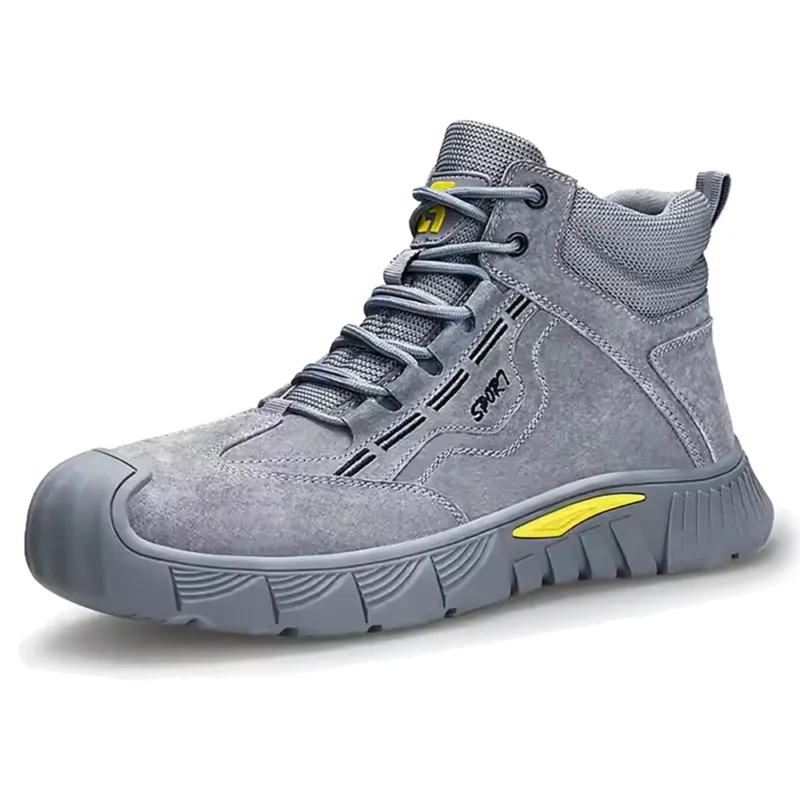
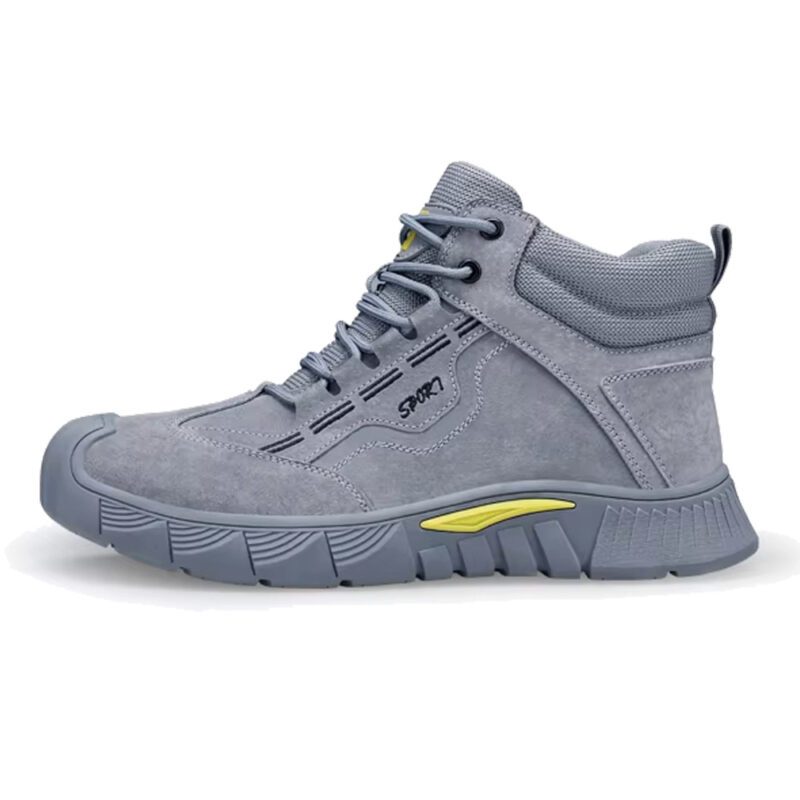
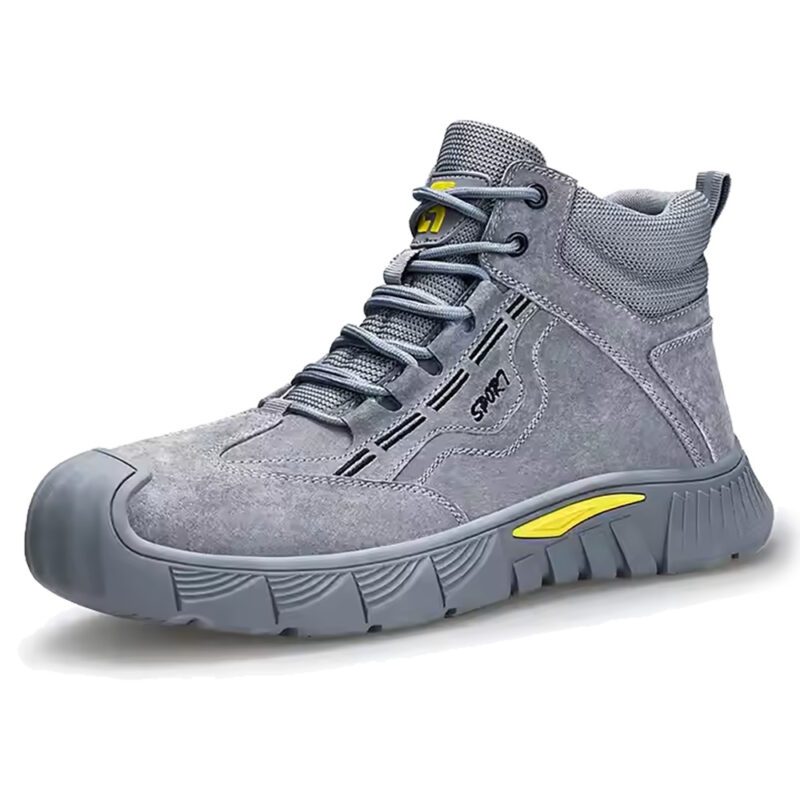
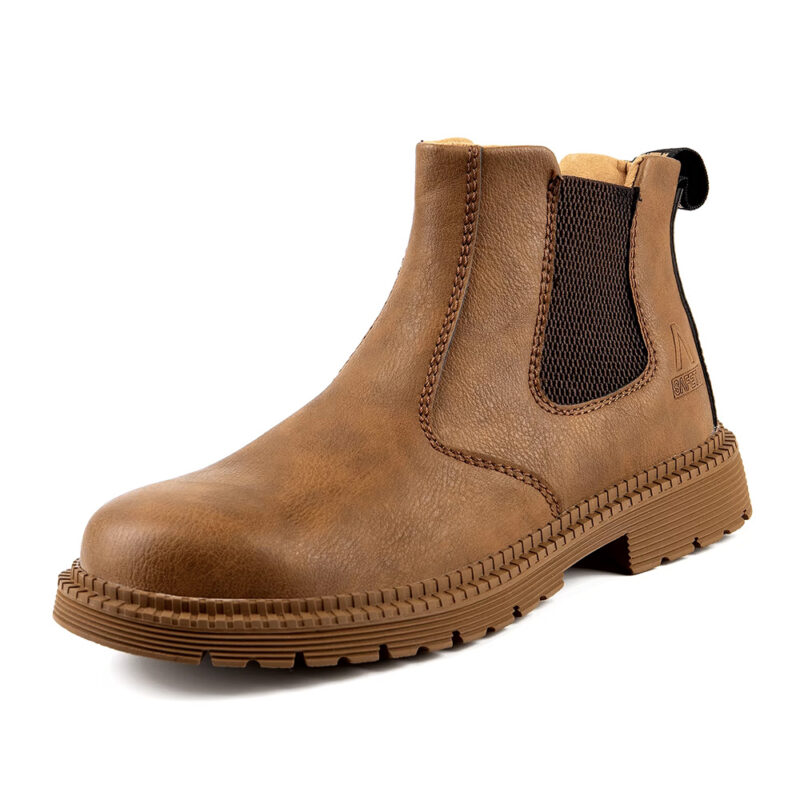
When your workday involves heavy machinery, falling objects, and unforgiving terrain, the Birks Defender Kevlar Steel Toe Safety Work Boots stand ready to protect you through it all. These boots deliver the exceptional durability, reliable protection, and all-day comfort you need to tackle any challenge and get the job done right, every single time.
Doc Martens History: From Factory to Fashion
Dr. Klaus Märtens created the original boot in 1945. He was a German doctor who injured his foot while skiing. Traditional work boots caused him pain during recovery. He designed a boot with an air-cushioned sole for comfort.
The AirWair sole became the signature feature. This sole used trapped air to absorb impact. Bill Griggs bought the patent rights in 1959. He anglicized the name to “Doc Martens.” The first British-made boot, the 1460 model, launched on April 1, 1960.
Factory workers and postal workers adopted the boots first. The comfort and durability appealed to people who stood all day. Police officers wore them on patrol. The boots then crossed into youth culture during the 1960s and 1970s.
Standard Doc Martens vs. Safety-Rated Work Boots
| Feature | Fashion Doc Martens | Doc Martens Work/Safety Line |
|---|---|---|
| Steel Toe | No | Yes (most models) |
| Slip Resistance | Basic traction | Oil and slip-resistant soles |
| Electrical Hazard Protection | No | Yes (select models) |
| ASTM/ANSI Certification | No | Yes |
| Puncture-Resistant Plate | No | Yes (select models) |
| Heat Resistance | Standard | Up to 300°F sole contact |
| Price Range | $150-$200 | $130-$180 |
Doc Martens manufactures two distinct product lines. The fashion line prioritizes style and casual comfort. The work line includes safety features required by OSHA and other regulatory bodies.
Safety Standards and Certifications
ASTM F2413-18 Standard
This standard defines protective footwear requirements in the United States. Doc Martens work boots that meet this standard display the certification on the product label.
The standard covers:
- Impact resistance: Protection from falling objects up to 75 pounds
- Compression resistance: Withstands up to 2,500 pounds of force
- Puncture resistance: Steel or composite plate prevents sharp objects from penetrating the sole
- Electrical hazard protection: Insulation from open circuits up to 600 volts
Safety Toe Types
Doc Martens work boots come with different toe protection:
Steel toe caps offer maximum protection. They resist high impact and compression forces. Steel toes add weight to the boot. They also conduct temperature, which can be uncomfortable in extreme conditions.
Composite toe caps use materials like Kevlar, carbon fiber, or fiberglass. These materials provide similar protection with less weight. Composite toes do not conduct electricity or temperature. They work better in jobs with metal detectors or temperature extremes.
Doc Martens Work Boot Models
Icon 7B10 Steel Toe Boot
This model represents the classic Doc Martens work boot. The boot features:
- Full-grain leather upper
- Steel toe cap meeting ASTM F2413-18
- Slip-resistant PVC sole
- Electrical hazard protection
- Goodyear welt construction
- Oil and fat-resistant outsole
The 7B10 works well for construction sites, warehouses, and manufacturing facilities. The boot height provides ankle support. The air-cushioned sole reduces foot fatigue.
Ironbridge Safety Toe Boot
The Ironbridge offers additional features:
- Steel toe and steel shank
- Internal metatarsal guard
- Heat-resistant sole (up to 300°F)
- Enhanced slip resistance
- Extra-thick leather
This model suits heavy industrial work. The metatarsal guard protects the top of the foot. The steel shank provides arch support and puncture protection through the midsole.
Winch Steel Toe Boot
This is a lighter work boot option:
- Steel toe protection
- Suede leather upper
- Standard slip-resistant sole
- More flexible construction
The Winch works for light industrial jobs, delivery work, and service industries. The boot breathes better than full-grain leather options.
Jobs Where Doc Martens Work Boots Excel
Construction and Trades
Electricians, carpenters, and general contractors benefit from Doc Martens work boots. The electrical hazard protection matters for electricians. The puncture-resistant sole protects against nails and sharp debris. The boots handle concrete, wood, and metal surfaces well.
The break-in period requires patience. New Doc Martens feel stiff for the first two weeks. The leather molds to your foot shape over time. Many tradespeople report the boots last 2-3 years with daily use.
Warehouse and Logistics
Forklift operators, pickers, and loaders wear Doc Martens work boots frequently. The slip-resistant sole prevents falls on smooth warehouse floors. The steel toe protects against falling packages and pallets. The air-cushioned sole reduces impact from walking on concrete all day.
The boots provide adequate ankle support for stable ground. They lack the advanced ergonomic features of specialized warehouse boots. Consider your specific movement patterns and load handling requirements.
Manufacturing and Factory Work
Assembly line workers and machine operators find Doc Martens suitable for many factory environments. The oil-resistant sole handles lubricants and fluids. The toe protection guards against dropped tools and parts. The electrical hazard protection adds safety around machinery.
High-heat environments require careful model selection. Only specific Doc Martens models resist extreme heat. Check the temperature rating for your specific workplace conditions.
Food Service and Hospitality
Kitchen staff and servers use Doc Martens slip-resistant models. These are typically not safety-toe boots. The slip resistance prevents falls on wet or greasy floors. The leather cleans easily. The comfort supports long shifts on your feet.
Food service Doc Martens often come in black, which hides stains. The boots lack ventilation compared to athletic work shoes. Your feet may sweat more during hot shifts.
Jobs Where Doc Martens Fall Short
Logging and Forestry
Doc Martens do not meet chainsaw protection standards. Forestry work requires specialized boots with chainsaw-resistant layers. The boots also lack the aggressive tread needed for steep, muddy terrain.
Firefighting and Emergency Response
Doc Martens do not provide the heat resistance or chemical protection firefighters need. Emergency responders require boots certified to NFPA standards. Doc Martens work boots fail to meet these higher safety thresholds.
Mining and Petroleum
These industries require boots with higher safety ratings. Doc Martens do not offer sufficient protection against the hazards in underground mining or oil field work. Chemical resistance and extreme heat protection exceed Doc Martens capabilities.
When your workday involves heavy machinery, falling objects, and unforgiving terrain, the Birks Defender Kevlar Steel Toe Safety Work Boots stand ready to protect you through it all. These boots deliver the exceptional durability, reliable protection, and all-day comfort you need to tackle any challenge and get the job done right, every single time.
Key Features That Make Doc Martens Work
AirWair Sole Technology
The air-cushioned sole contains sealed air pockets. These pockets compress and expand with each step. The system absorbs shock and reduces joint stress. The sole also provides insulation from cold ground.
The sole uses PVC or rubber compounds. PVC resists oils and chemicals better. Rubber provides superior grip on varied surfaces. The sole attaches through Goodyear welt construction in premium models.
Goodyear Welt Construction
This traditional method stitches the upper leather to the sole. A welt strip runs along the perimeter. The construction allows for resoling. You can replace worn soles and extend boot life significantly.
Heat-sealed construction appears on budget Doc Martens models. These boots cannot be resoled. The sole and upper bond permanently. Budget models cost less but have a fixed lifespan.
Leather Quality
Doc Martens work boots use full-grain leather on top models. This leather comes from the top layer of the hide. Full-grain leather resists tears and punctures. The material develops a patina over time.
Lower-priced models use corrected-grain leather. This leather undergoes sanding and coating. Corrected-grain leather looks more uniform but lacks durability. It also breathes less than full-grain leather.
Sizing and Fit Considerations
Doc Martens run large compared to athletic shoes. Most people size down one full size from their sneaker size. A size 10 sneaker wearer typically needs a size 9 Doc Martens boot.
The boots come in UK sizing. Conversion charts help but try boots on when possible. Width options are limited. Doc Martens fit medium to wide feet best. Narrow feet may experience heel slippage.
Break-In Period
New Doc Martens require break-in time. The leather starts stiff and rigid. Expect 1-2 weeks of discomfort. The boots may cause blisters during this period.
Speed up break-in with these steps:
- Wear thick socks for the first week
- Apply leather conditioner to soften the material
- Use a boot stretcher on tight spots
- Wear boots for short periods initially
- Increase wearing time gradually
Some workers keep two pairs. They alternate daily to allow leather to rest and dry. This practice extends overall boot life.
Maintenance for Maximum Lifespan
Daily Care
Remove dirt and debris after each shift. Brush off dry dirt with a stiff brush. Wipe wet or oily spots with a damp cloth. Allow boots to air dry away from direct heat. Insert cedar shoe trees to maintain shape and absorb moisture.
Weekly Conditioning
Apply leather conditioner once per week with heavy use. The conditioner prevents cracking and keeps leather supple. Use mink oil for maximum waterproofing. Use leather cream for maintaining appearance. Avoid conditioning too frequently as it can soften leather excessively.
Sole Inspection
Check the sole for wear patterns monthly. Uneven wear indicates gait issues or improper fit. Deep cracks or separation at the welt require professional repair or replacement. Slip resistance degrades as tread wears smooth.
Resoling
Goodyear-welted Doc Martens can be resoled 2-3 times. Resoling costs $80-$120 through boot repair shops. The process takes 2-3 weeks. Resoling makes sense when the upper leather remains in good condition.
Price Comparison: Value Analysis
Doc Martens work boots cost $130-$180 for most models. This positions them in the mid-range for safety footwear.
Budget work boots ($60-$100) from brands like Brahma or Iron Age last 6-12 months with daily use. They lack comfort features and quality materials.
Premium work boots ($200-$400) from brands like Red Wing or Danner offer superior materials and construction. They provide better arch support and comfort technology. Lifespan extends to 3-5 years with proper care.
Doc Martens occupy the middle ground. They offer better quality than budget options. They cost less than premium alternatives. The combination of style and function appeals to workers who wear boots off-duty too.
Making Your Decision
Evaluate Your Workplace Hazards
List the specific dangers in your job:
- Falling objects
- Sharp materials underfoot
- Wet or oily surfaces
- Electrical equipment
- Heavy machinery
- Chemical exposure
Match these hazards to boot certifications. Your employer may specify required safety ratings. OSHA regulations often mandate minimum protection levels.
Consider Your Physical Demands
Calculate how much you walk daily. Measure time spent standing in one place. Note whether you climb ladders or stairs frequently. Assess if you lift heavy objects regularly.
Higher physical demands require more cushioning and support. Doc Martens air-cushioned soles help with impact absorption. They offer moderate arch support. Workers with flat feet or high arches may need additional insoles.
Test for Fit and Comfort
Visit a store that carries Doc Martens work boots. Wear the socks you use at work. Try boots in the afternoon when feet are slightly swollen. Walk around the store for at least 10 minutes.
Check these fit points:
- Toes should not touch the front
- Heel should not slip when walking
- Width should feel snug but not tight
- Ankle height should not dig into your leg
- Tongue should not create pressure points
Order online only if you know your exact Doc Martens size. Return policies vary by retailer. Keep original packaging until you confirm fit.
Final Verdict
Doc Martens work boots serve many industries adequately. They meet safety standards for light to moderate industrial work. The combination of protection, comfort, and style makes them popular. The boots work well for construction trades, warehouse jobs, and manufacturing positions.
They do not suit extreme work environments. High-heat jobs, chemical handling, and heavy industrial work require specialized footwear. The break-in period may discourage some buyers. The boots also offer limited width options.
Buy Doc Martens work boots if you need ASTM-certified protection with classic style. Choose models specifically labeled for industrial use. Avoid fashion models for workplace safety. Invest time in proper break-in and maintenance. The boots will provide 2-3 years of reliable service with daily use.
When your workday involves heavy machinery, falling objects, and unforgiving terrain, the Birks Defender Kevlar Steel Toe Safety Work Boots stand ready to protect you through it all. These boots deliver the exceptional durability, reliable protection, and all-day comfort you need to tackle any challenge and get the job done right, every single time.