Are Ariat Boots Good for Work?

What Makes Ariat a Leading Work Boot Brand
Ariat International began in 1993 with a focus on equestrian footwear. The company applied athletic shoe technology to riding boots. This innovation changed how people thought about performance footwear.
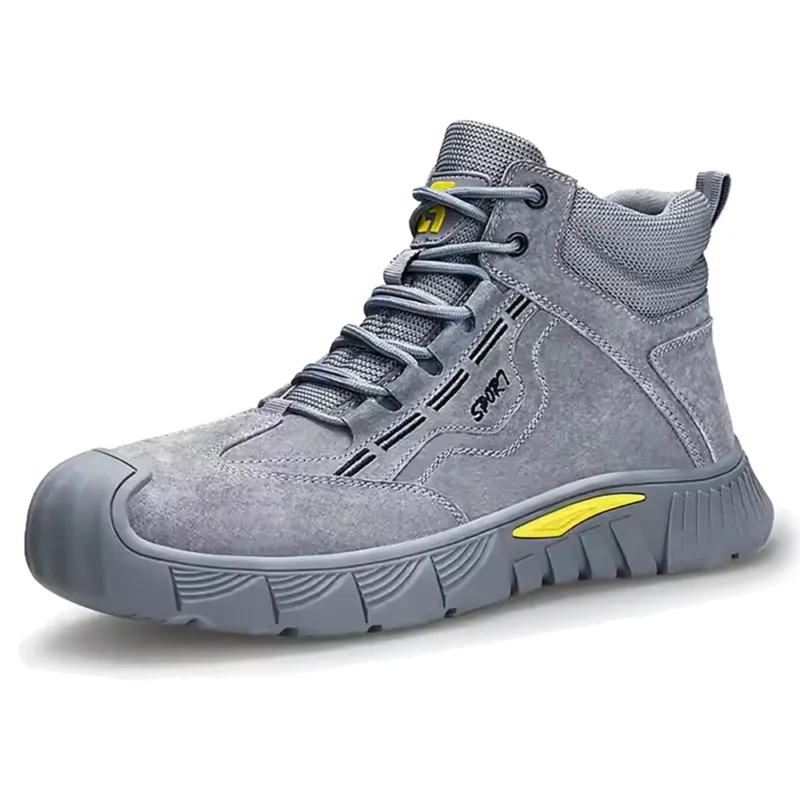
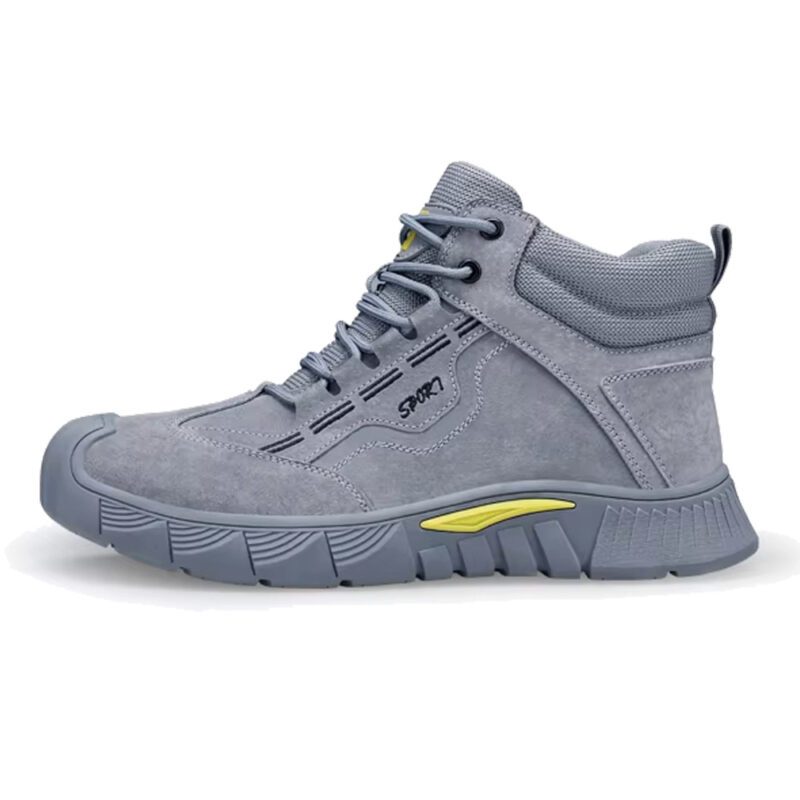
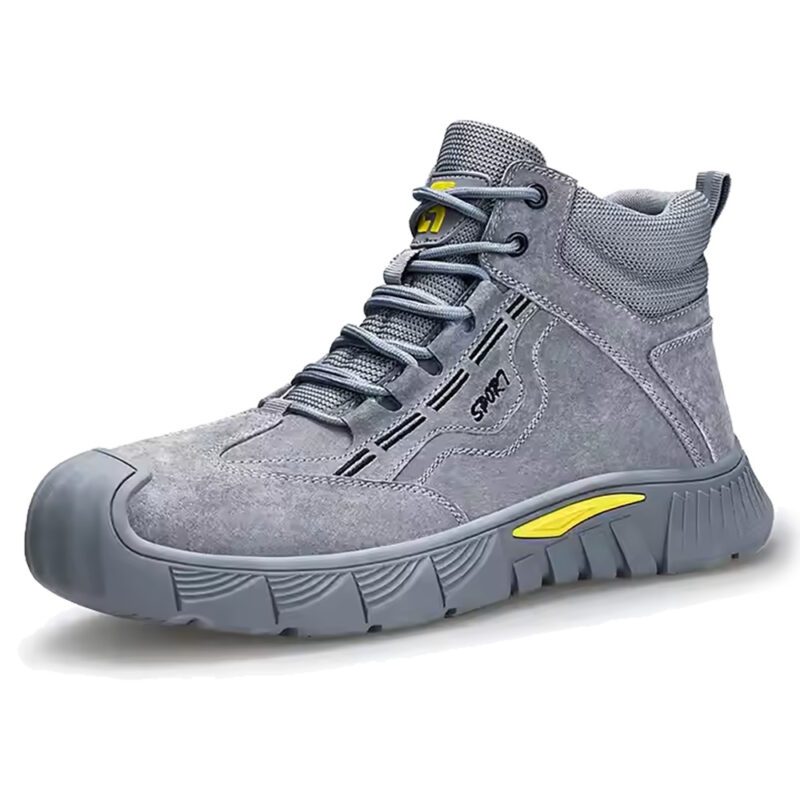
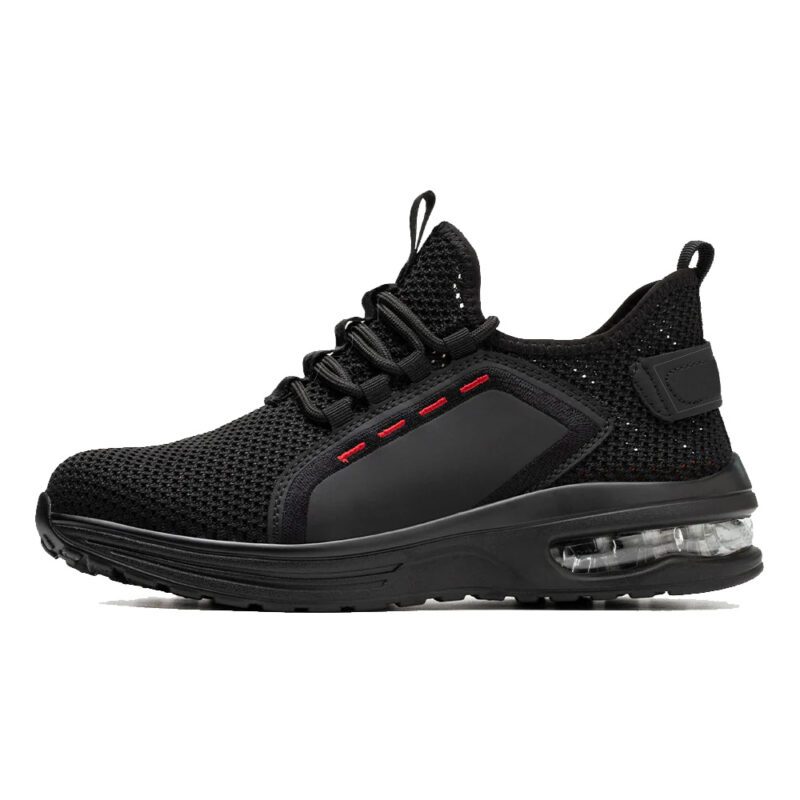
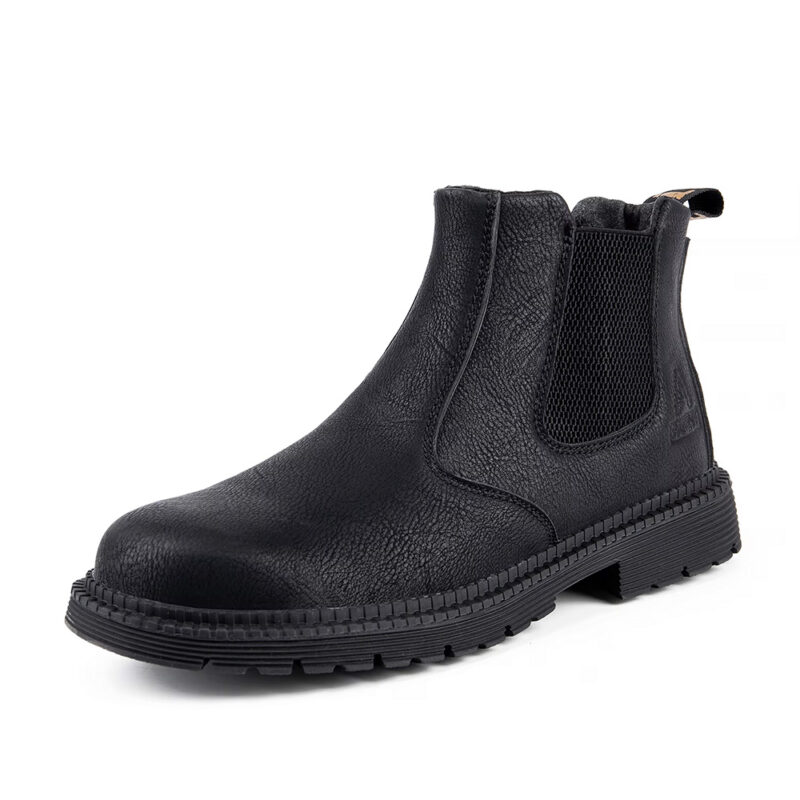
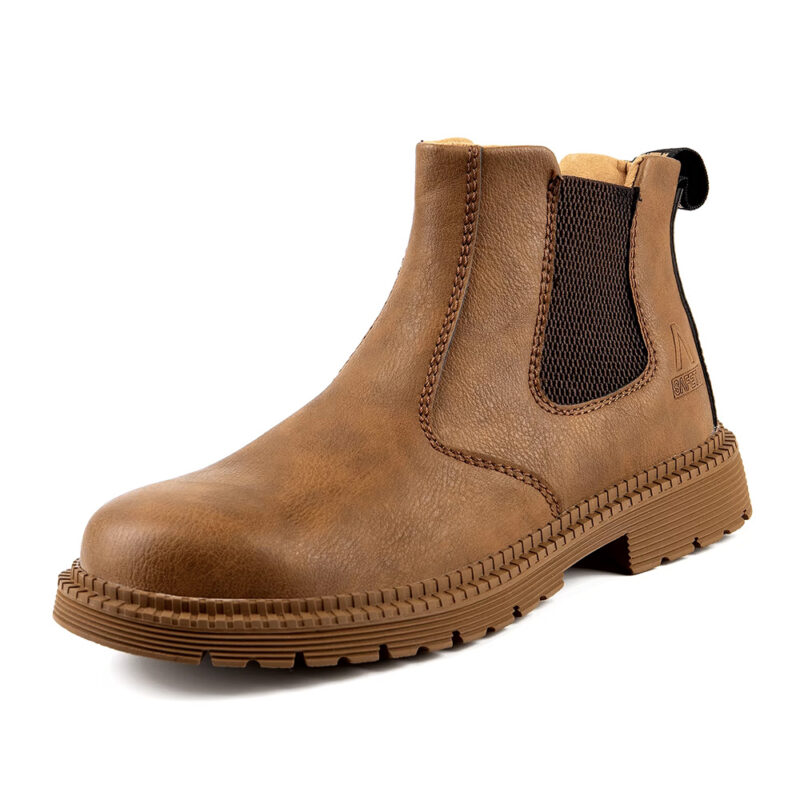
When your workday involves heavy machinery, falling objects, and unforgiving terrain, the Birks Defender Kevlar Steel Toe Safety Work Boots stand ready to protect you through it all. These boots deliver the exceptional durability, reliable protection, and all-day comfort you need to tackle any challenge and get the job done right, every single time.
The brand expanded into work boots in the early 2000s. Ariat brought the same athletic shoe principles to industrial footwear. The company uses ATS (Advanced Torque Stability) technology in most work boot models. This system provides arch support and reduces foot fatigue.
Ariat holds partnerships with professional rodeo organizations and industrial safety groups. The brand manufactures boots in countries including China, Vietnam, and Mexico. Quality control standards remain consistent across all production facilities.
Core Technologies in Ariat Work Boots
ATS Pro Platform
The ATS Pro system delivers stability through a forked shank design. This component sits between the insole and outsole. The fork shape allows natural foot flex while preventing excessive twisting.
The system includes three main parts:
- Gel-cushioned footbed – Absorbs impact during walking
- Moisture-wicking liner – Keeps feet dry during long shifts
- Composite forked shank – Provides torsional rigidity
Safety Toe Options
Ariat offers multiple protective toe caps:
- Steel toe – Traditional protection, heavier weight, excellent impact resistance
- Composite toe – Lighter than steel, non-conductive, passes through metal detectors
- Aluminum alloy toe – Middle ground between steel and composite
- Carbon fiber toe – Lightest option, thin profile, premium price point
All safety toes meet ASTM F2413 standards. This certification means the boots protect against 75 pounds of impact and 2,500 pounds of compression.
Sole Construction
Ariat uses Duratread outsoles on work boot models. This rubber compound resists oil, chemicals, and abrasion. The tread patterns vary by boot model:
- Workhog series – Deep lugs for muddy terrain
- Rebar series – Flat pattern for concrete surfaces
- Turbo series – Multi-directional tread for mixed environments
Performance Comparison: Ariat vs. Competitors
| Feature | Ariat WorkHog | Red Wing 2406 | Timberland PRO Boondock | Caterpillar Second Shift |
|---|---|---|---|---|
| Weight (per boot) | 3.2 lbs | 3.8 lbs | 3.5 lbs | 3.4 lbs |
| Break-in Period | 1-2 days | 2-3 weeks | 1 week | 3-5 days |
| Waterproof Rating | Yes (most models) | Yes | Yes | Yes |
| Price Range | $180-$280 | $280-$320 | $160-$210 | $120-$180 |
| Warranty | 30-day comfort | 1-year manufacturer | Limited lifetime | 90-day satisfaction |
The table shows Ariat boots require minimal break-in time. This matters for workers who need immediate comfort. The price point sits in the middle range compared to premium and budget options.
Best Ariat Models for Specific Work Environments
Construction and Heavy Labor
The Ariat WorkHog XT works best for construction sites. Key features include:
- Waterproof full-grain leather – Protects against moisture and debris
- Carbon toe protection – Lighter than steel, same safety rating
- Side zip entry – Easy on and off without lace adjustment
- Oil-resistant outsole – Prevents slips on construction materials
Height options include 8-inch and 10-inch shafts. The taller shaft provides ankle support on uneven ground.
Warehouse and Indoor Work
The Ariat Rebar Flex suits warehouse environments. This model emphasizes:
- Composite safety toe – Passes through security scanners
- Low-profile design – Reduces fatigue on flat surfaces
- Flexible construction – Allows natural foot movement
- Breathable mesh panels – Controls temperature in climate-controlled spaces
The flat outsole pattern prevents floor marking. This matters in retail warehouse settings.
Outdoor and Agricultural Work
The Ariat Groundbreaker serves farm and ranch operations. Features include:
- Aggressive tread pattern – Grips in mud and loose soil
- Pull-on style – Quick entry without laces that catch on equipment
- Moisture-wicking lining – Manages sweat in hot conditions
- Duratread outsole – Resists manure acids and agricultural chemicals
This model comes in pull-on and lace-up versions. Pull-on styles work better for frequent removal.
Electrical Work
The Ariat Sierra provides electrical hazard protection. Specifications include:
- EH rating – Protects against open circuits up to 18,000 volts
- Non-metallic construction – Eliminates conductivity risks
- Rubber outsole – Provides secondary electrical protection
- Composite toe option – Maintains non-conductive properties
The EH (Electrical Hazard) rating means the boot provides a secondary source of protection. Workers still need primary safety measures.
Durability and Lifespan Expectations
Material Quality
Ariat uses full-grain leather in premium models. This leather comes from the top layer of the hide. It resists water better than split leather or synthetic materials.
The company sources leather from tanneries in the United States, Europe, and South America. Leather quality varies by boot price point:
- $120-$160 range – Mixed leather and synthetic panels
- $160-$220 range – Full-grain leather uppers, synthetic accents
- $220+ range – Premium full-grain leather throughout
Expected Lifespan by Usage
Daily wear duration affects boot longevity:
- Light use (4-6 hours daily) – 18-24 months
- Moderate use (8-10 hours daily) – 12-18 months
- Heavy use (10-12+ hours daily) – 8-12 months
These estimates assume proper maintenance. Neglected boots fail earlier regardless of construction quality.
Common Failure Points
Ariat boots typically fail in predictable areas:
- Sole separation – Adhesive fails at toe or heel
- Upper leather cracks – Happens near flex points without conditioning
- Stitching failure – High-stress seams separate over time
- Insole compression – Footbed loses cushioning after 6-8 months
The ATS footbed can be replaced. Ariat sells replacement insoles for $40-$60. This extends boot life by addressing the most common comfort issue.
Sizing and Fit Considerations
How Ariat Sizing Compares
Ariat boots run true to size for most foot shapes. The company uses standard US sizing. Width options include:
- D width – Standard men’s fit
- EE width – Wide fit for broader feet
- B width – Women’s standard fit
- C width – Women’s wide fit
Men with narrow feet may need to size down a half size. Women’s models use the same ATS technology as men’s boots but with a different last shape.
Break-In Process
Ariat work boots require 1-3 days of break-in. The process involves:
Day 1 – Wear for 2-4 hours in a non-demanding environment. Leather begins to soften at natural flex points.
Day 2 – Increase wear time to 6-8 hours. Walk on varied surfaces to shape the footbed.
Day 3 – Full work shift with normal duties. Boots should feel comfortable by end of day.
Compare this to traditional leather boots that need 2-4 weeks. The difference comes from pre-softened leather and flexible sole construction.
Common Fit Issues and Solutions
Heel slippage – Normal in new boots for first 8-12 hours. The heel counter needs time to mold to your foot shape. Excessive slipping after break-in means the boot is too large.
Tight toe box – Composite and carbon fiber toes create less interior space than steel toes. Size up a half size if toes touch the cap.
Arch pressure – The ATS arch support feels firm initially. This support prevents plantar fasciitis but takes adjustment time. Remove the insole if pain persists beyond one week.
When your workday involves heavy machinery, falling objects, and unforgiving terrain, the Birks Defender Kevlar Steel Toe Safety Work Boots stand ready to protect you through it all. These boots deliver the exceptional durability, reliable protection, and all-day comfort you need to tackle any challenge and get the job done right, every single time.
Maintenance Requirements for Maximum Lifespan
Daily Care
End-of-shift maintenance takes 2-3 minutes:
- Remove surface dirt with a brush or damp cloth
- Wipe off oils or chemicals immediately
- Allow boots to air dry at room temperature
- Insert boot trees or crumpled newspaper to maintain shape
Never place boots near direct heat sources. This dries out leather and causes cracking.
Weekly Deep Cleaning
Once per week, perform thorough cleaning:
- Remove laces and insoles
- Brush away all dried dirt and debris
- Clean with saddle soap or leather cleaner
- Rinse with minimal water
- Dry completely before conditioning
Monthly Conditioning
Leather needs moisture replacement every 30 days:
Apply leather conditioner or mink oil to clean, dry boots. Work the product into seams and flex points. These areas dry out fastest. Buff away excess after 20 minutes.
Conditioning frequency increases in dry climates. Desert environments may require bi-weekly treatment.
Waterproofing Treatment
Reapply waterproofing spray every 2-3 months. The initial factory treatment wears off with use. Choose silicone-based products for best results. Avoid wax-based waterproofing on boots with mesh panels.
Cost Analysis: Value for Money
Initial Investment
Ariat work boots cost more than budget brands. The price difference reflects:
- Higher-grade materials
- Advanced comfort technology
- Better quality control
- Longer functional lifespan
A $200 Ariat boot that lasts 15 months costs $13.33 per month. A $100 budget boot lasting 6 months costs $16.67 per month. The premium boot delivers better value.
Hidden Costs
Consider these factors beyond purchase price:
Insole replacement – Budget $50 annually for new ATS footbeds
Conditioning supplies – $20-30 per year for leather care products
Time investment – 30 minutes weekly for proper maintenance
When Ariat Boots Don’t Make Financial Sense
Skip Ariat boots if:
- Your job provides safety footwear
- You work fewer than 20 hours per week in boots
- Your employer requires specific certified brands
- Budget constraints limit spending above $120
Generic safety boots work fine for occasional use. The comfort benefits of Ariat technology matter most during extended wear.
Real-World Performance Feedback
Positive Performance Aspects
Workers praise these features consistently:
Immediate comfort – The short break-in period lets workers start new boots without pain. This contrasts with traditional leather boots that cause blisters during the first week.
All-day wearability – The ATS system reduces foot fatigue. Workers report less lower back pain compared to boots without arch support.
Temperature management – Moisture-wicking liners control sweat better than non-technical boots. This prevents fungal issues and odor.
Common Complaints
Negative feedback centers on:
Sole durability – The Duratread outsole wears quickly on concrete. Workers on warehouse floors replace boots sooner than expected.
Water resistance degradation – Waterproof membranes fail after 8-12 months in wet conditions. The boots remain functional but lose water protection.
Limited resoling options – Most Ariat boots use cemented construction. This method prevents traditional resoling. When the sole fails, you must replace the entire boot.
How to Select the Right Ariat Work Boot
Step 1: Identify Your Primary Hazards
List the safety risks in your workplace:
- Impact hazards (falling objects)
- Compression risks (rolling equipment)
- Electrical hazards (live circuits)
- Slip hazards (wet or oily surfaces)
- Puncture risks (sharp ground debris)
Match these hazards to boot certifications. The boot tag shows which ASTM standards it meets.
Step 2: Determine Required Features
Separate needs from preferences:
Required features – Safety certifications, waterproofing, specific sole types
Preferred features – Pull-on style, side zips, specific colors
Focus budget on required features first. Compromise on preferences if needed.
Step 3: Choose Between Boot Styles
Ariat offers these main categories:
- Lace-up boots – Better fit customization, more time to put on
- Pull-on boots – Faster entry, less adjustable fit
- Side-zip boots – Quick entry with lace-up security
- Met guard boots – External metatarsal protection for impact zones
Step 4: Select Appropriate Height
Boot shaft height affects ankle support and protection:
6-inch height – Minimal ankle coverage, works for flat surfaces
8-inch height – Standard work boot coverage, balances mobility and support
10-inch height – Maximum ankle protection, restricts movement slightly
Taller boots provide more support on uneven ground. Shorter boots allow easier movement in confined spaces.
Step 5: Verify Size and Width
Order your normal shoe size in Ariat boots. Add a half size if choosing composite or carbon fiber toes. These safety caps reduce interior space.
Test width by checking these points:
- Ball of foot should align with widest part of boot
- No pressure on pinky toe or big toe sides
- Heel stays in place when walking
Return boots immediately if fit seems wrong. Breaking in cannot fix improper sizing.
Final Assessment
Ariat boots deliver good value for workers who spend 6+ hours daily in safety footwear. The ATS technology provides genuine comfort benefits. The short break-in period prevents lost productivity.
These boots work best for:
- Construction workers on varied terrain
- Agricultural and ranch workers
- Warehouse workers needing composite toes
- Electricians requiring EH-rated footwear
Consider alternatives if you need maximum sole durability on concrete or traditional resoling options. The cemented construction limits repair possibilities.
The $180-$280 price range positions Ariat as a mid-premium option. You get better comfort than budget boots and comparable quality to premium brands at a lower cost.
When your workday involves heavy machinery, falling objects, and unforgiving terrain, the Birks Defender Kevlar Steel Toe Safety Work Boots stand ready to protect you through it all. These boots deliver the exceptional durability, reliable protection, and all-day comfort you need to tackle any challenge and get the job done right, every single time.