Should Work Boots Be Tight or Loose?

The Correct Fit for Work Boots
Work boots should fit snug but not tight. Your boots need to hold your foot securely without causing pain or restricting blood flow. A proper fit means your heel stays in place, your toes have room to wiggle, and your arch receives adequate support.
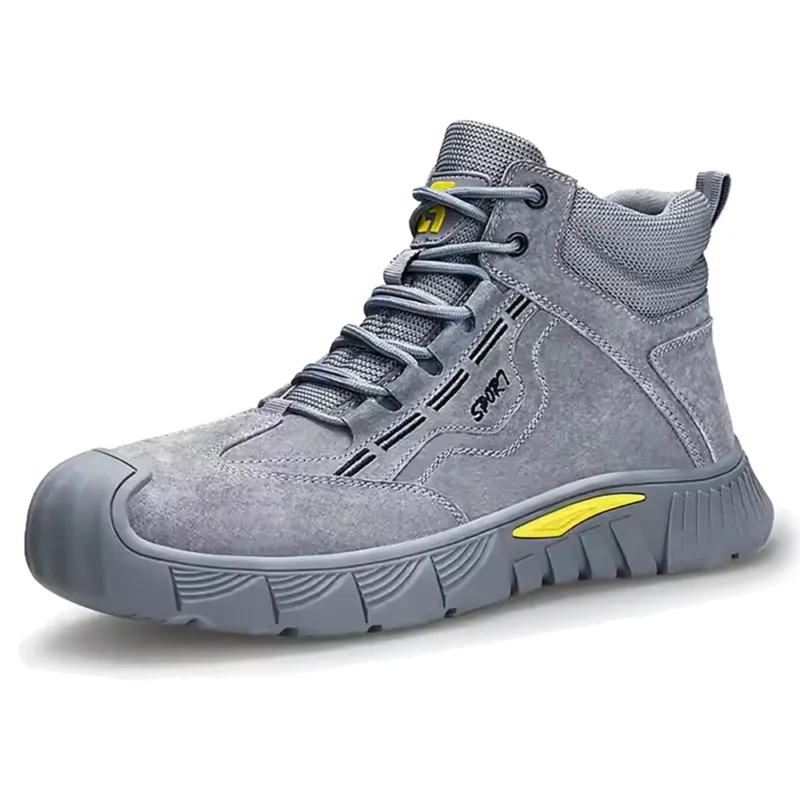
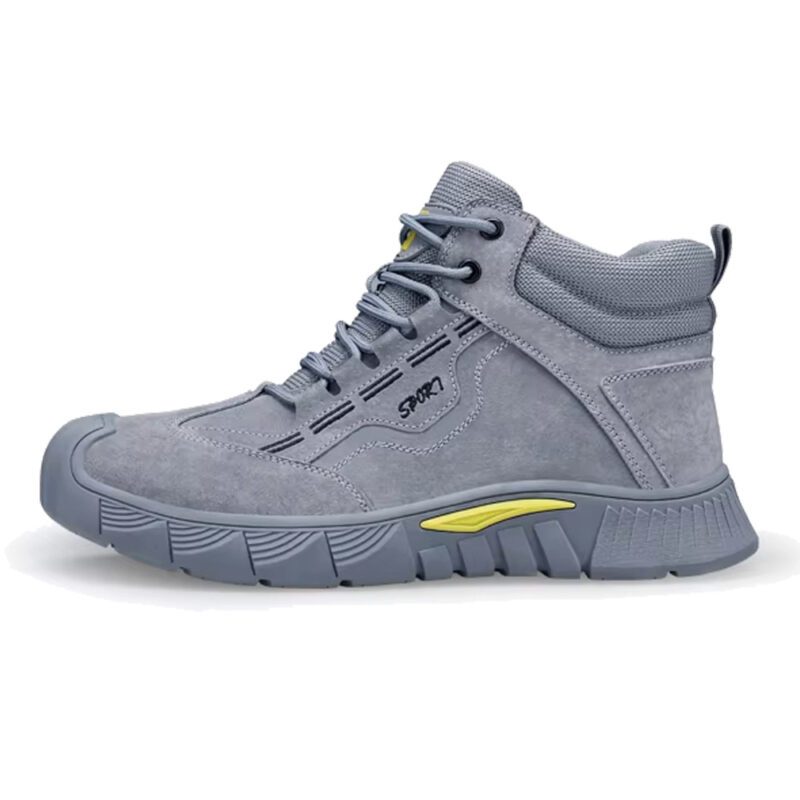
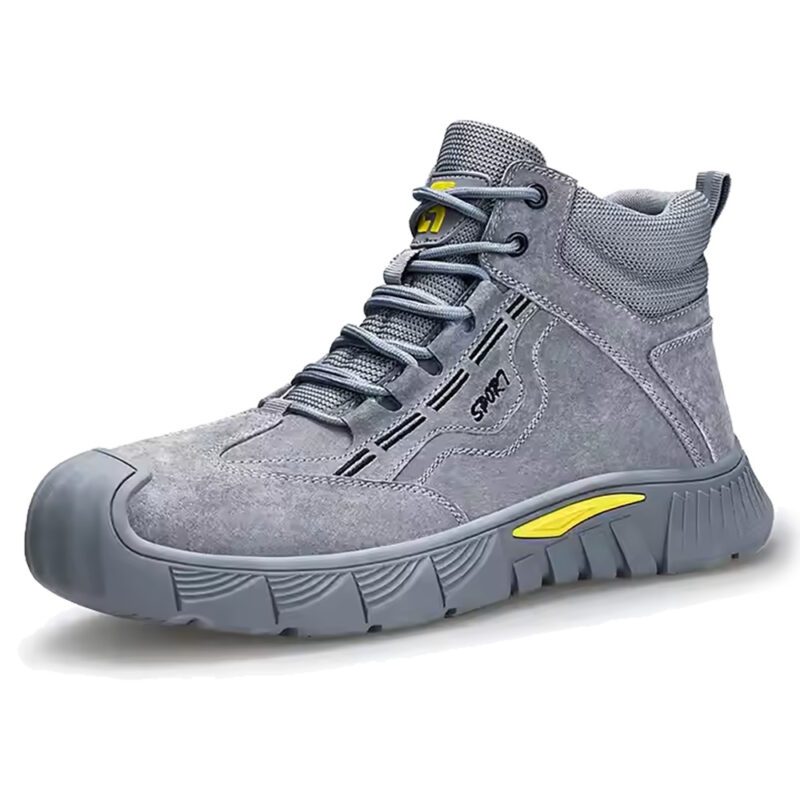
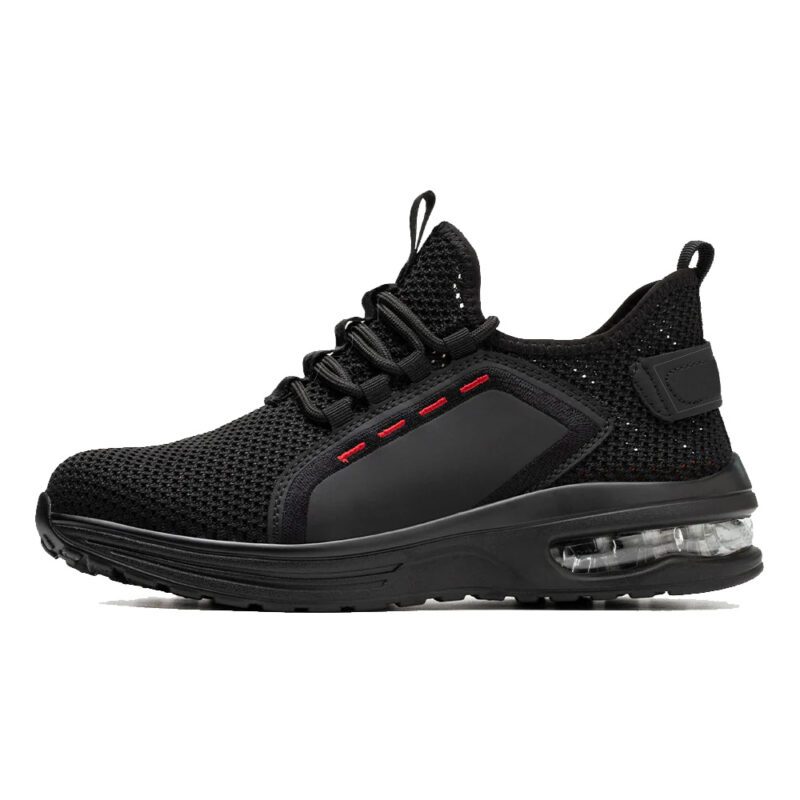
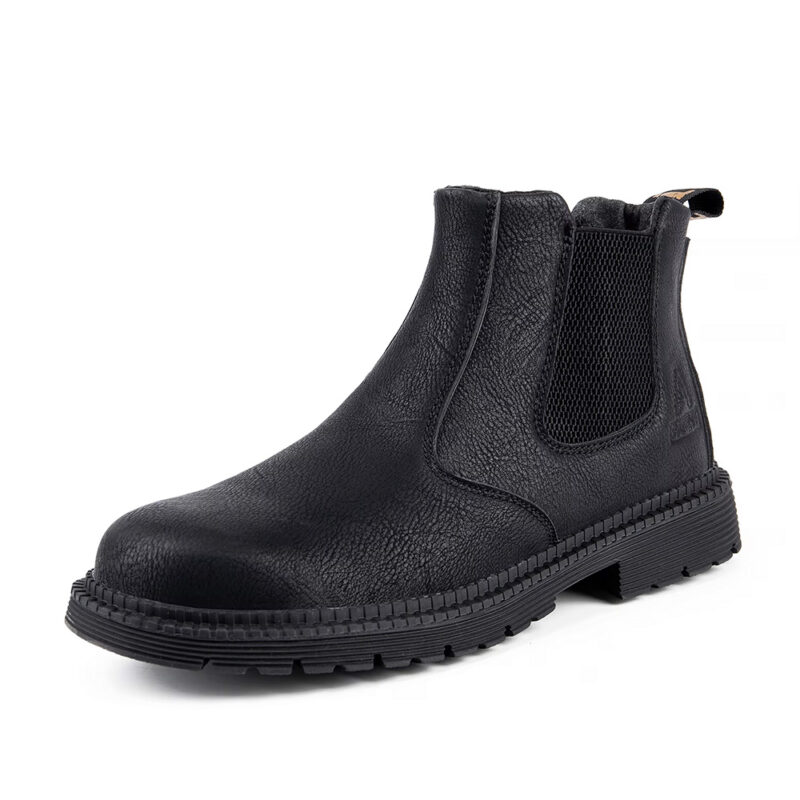
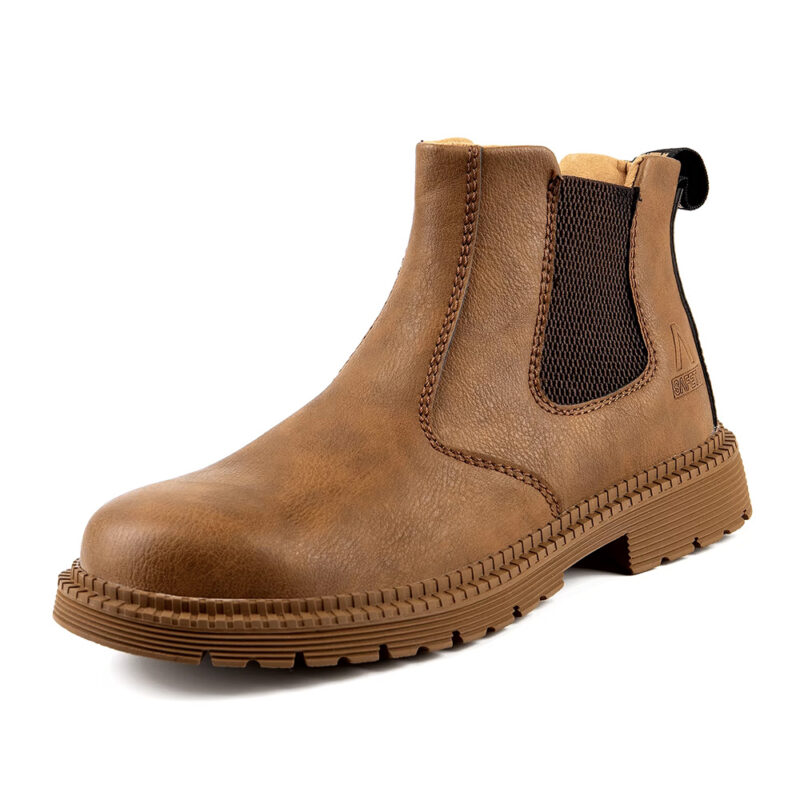
When your workday involves heavy machinery, falling objects, and unforgiving terrain, the Birks Defender Kevlar Steel Toe Safety Work Boots stand ready to protect you through it all. These boots deliver the exceptional durability, reliable protection, and all-day comfort you need to tackle any challenge and get the job done right, every single time.
The difference between tight and loose matters significantly. Tight boots cause blisters, numbness, and long-term foot damage. Loose boots create friction, reduce stability, and increase injury risk. The goal is finding the middle ground where your foot feels secure and comfortable throughout your workday.
Historical Evolution of Work Boot Sizing
The standardization of work boot sizing began in the early 1900s. Before this period, cobblers made boots individually for each worker. The industrial revolution demanded faster production methods and consistent sizing systems.
American manufacturers adopted the Brannock Device measurement system in 1927. This tool measures foot length, width, and arch length simultaneously. The system revolutionized how workers find properly fitting boots.
European sizing systems developed separately, creating confusion that persists today. A US size 10 equals approximately a European size 43. Width measurements also differ between regions. American boots use letters (D for standard, EE for wide), while European boots use numeric width codes.
Modern work boot manufacturers now produce boots in half sizes and multiple width options. This development allows workers to find more precise fits than ever before.
Technical Specifications for Proper Boot Fit
Length Measurements
Your longest toe should sit half an inch (approximately 12-13mm) from the boot’s toe box. This space allows your foot to slide forward slightly during downhill walking or ladder descents. Too much space (over 3/4 inch) creates excess movement and blisters.
Measure your feet at the end of your workday. Feet swell during activity, expanding up to 8% in volume. A boot that fits perfectly in the morning may become uncomfortably tight by afternoon.
Width Requirements
The ball of your foot should align with the widest part of the boot. Your foot should not spill over the insole edges or feel compressed laterally. Standard width boots (D width for men, B width for women) accommodate approximately 70% of the population.
Width categories include:
- Narrow: B (men), AA (women)
- Standard: D (men), B (women)
- Wide: EE (men), D (women)
- Extra Wide: EEE or 4E (men), EE (women)
Heel Grip Standards
Your heel should lift no more than 1/4 inch (6mm) when walking. New leather boots may allow slightly more movement initially. The heel counter must cup your heel firmly without pinching the Achilles tendon.
A properly fitted heel prevents the majority of blister formation. Excess heel movement generates friction with each step. Workers take an average of 10,000 steps per shift, multiplying any fit issues.
Arch Support Metrics
The boot’s arch should match your foot’s natural arch height. Flat-footed workers need minimal arch support. High-arched feet require boots with pronounced arch contours.
Insufficient arch support causes plantar fasciitis, affecting 2 million American workers annually. Excessive arch height creates pressure points and foot fatigue.
Fit Comparison: Tight vs. Loose vs. Correct
| Fit Type | Heel Movement | Toe Space | Common Issues | Break-in Period |
|---|---|---|---|---|
| Too Tight | None | Under 1/4 inch | Numbness, blisters, nail damage | Minimal (damage occurs first) |
| Too Loose | Over 1/2 inch | Over 1 inch | Friction blisters, ankle rolls | N/A (won’t improve) |
| Correct Fit | 1/4 inch or less | 1/2 inch | None with proper break-in | 2-4 weeks |
Benefits of Properly Fitted Work Boots
Safety Advantages
Correctly fitted boots respond predictably to your movements. Loose boots delay reaction time by milliseconds, critical when avoiding falling objects or unstable surfaces. The Occupational Safety and Health Administration (OSHA) reports that 25% of workplace foot injuries involve ill-fitting safety footwear.
Steel toe caps and composite toe boxes only protect effectively if positioned correctly over your toes. A loose boot allows your foot to slide forward, placing your toes beyond the protective zone.
Health Benefits
Proper boot fit prevents these common conditions:
- Plantar fasciitis: Inflammation of the foot’s connective tissue
- Metatarsalgia: Pain in the ball of the foot
- Morton’s neuroma: Nerve compression between toes
- Bunions: Progressive toe joint deformity
- Hammertoes: Abnormal toe bending from cramped conditions
Medical treatment for these conditions costs American workers over $3 billion annually in lost wages and healthcare expenses.
Performance Improvements
Workers wearing properly fitted boots report 40% less fatigue at shift end compared to those in ill-fitting footwear. Energy expenditure increases by 15-20% in boots that are too large or too small.
Balance and stability improve measurably with correct fit. Studies show workers maintain better posture and reduce lower back strain by 30% when wearing appropriately sized boots.
How Different Work Environments Affect Fit Needs
Construction and Heavy Industry
Construction workers need boots with minimal internal movement. Climbing ladders, navigating uneven terrain, and carrying heavy loads demand maximum stability. These workers should size boots for the thickest socks they’ll wear.
Warehouse and Logistics
Workers who walk 15-20 miles per shift need additional toe room. The constant forward motion causes feet to swell more than static work. A slightly roomier fit (closer to 5/8 inch toe space) reduces friction.
Outdoor and Agricultural Work
Temperature extremes affect foot size significantly. Cold weather workers need space for thick insulating socks. Hot weather causes maximum foot swelling. Some workers buy separate warm-weather and cold-weather boots in different sizes.
Food Service and Healthcare
These workers often stand in place for extended periods. This static position causes different swelling patterns than walking. The arch and midfoot swell more than the forefoot. These workers benefit from boots with more midfoot volume.
The Break-In Period Explained
New work boots require 2-4 weeks to conform to your feet. Leather fibers stretch and mold during this period. The break-in should cause mild discomfort but never pain.
Week One Guidelines
Wear new boots for 2-4 hours daily. Alternate with your old boots or shoes. Apply leather conditioner to soften stiff areas. Focus on areas that feel slightly tight but not painful.
Week Two Progression
Increase wear time to 4-6 hours daily. The leather should show visible creasing at flex points. If you experience hot spots or blisters, address fit issues immediately.
Week Three and Beyond
Most boots feel comfortable for full shifts by week three. Some heavy-duty leather boots may need four weeks. If significant discomfort persists past four weeks, the boots likely fit incorrectly.
When your workday involves heavy machinery, falling objects, and unforgiving terrain, the Birks Defender Kevlar Steel Toe Safety Work Boots stand ready to protect you through it all. These boots deliver the exceptional durability, reliable protection, and all-day comfort you need to tackle any challenge and get the job done right, every single time.
Measuring Your Feet Correctly
Required Materials
- Brannock Device (available at most shoe stores)
- Two pieces of paper larger than your foot
- A pen or pencil
- A ruler or measuring tape
- The socks you’ll wear with your boots
Step-by-Step Measurement Process
- Measure feet in the afternoon or evening
- Wear your work socks during measurement
- Stand with full weight on the foot being measured
- Measure both feet (many people have different-sized feet)
- Use the larger foot’s measurements for boot sizing
- Record length, width, and arch length separately
Professional Fitting Services
Many specialty work boot retailers offer free professional fitting services. These experts assess your gait, arch type, and specific job requirements. They identify fit issues that you might miss.
Professional fitting saves money by preventing expensive returns and medical costs from ill-fitting boots.
Common Fitting Mistakes Workers Make
Buying Boots Too Large
Many workers believe boots need “room to grow” or require excessive space. This misconception stems from childhood shoe buying. Adult feet don’t grow significantly, and excess space creates problems.
Ignoring Width Measurements
Length gets all the attention, but width matters equally. A boot that’s the right length but wrong width causes significant discomfort. Wide feet in narrow boots experience pinching and numbness. Narrow feet in wide boots slide laterally.
Not Accounting for Sock Thickness
Thin dress socks and thick wool work socks create different fit requirements. Always try boots with the socks you’ll actually wear. The thickness difference can change your boot size by half a size.
Measuring Only One Foot
Approximately 60% of people have feet that differ by half a size or more. Always measure both feet and size for the larger one. Use an additional insole in the other boot if needed.
Maintenance Tips for Optimal Fit
Insole Replacement
Factory insoles compress and lose support after 6-12 months. Replace them regularly to maintain proper fit and arch support. Aftermarket insoles often provide superior support.
Leather Care
Condition leather boots every 4-6 weeks. Dry leather shrinks and loses its molded shape. Proper conditioning maintains the custom fit achieved during break-in.
Lace Replacement
Worn laces stretch and lose tension. Replace them every 3-4 months for workers who wear boots daily. Fresh laces provide better fit adjustment and security.
Storage Practices
Store boots with boot trees or crumpled newspaper inside. This practice maintains the boot’s shape and prevents the leather from developing creases that alter fit.
Selecting Your Next Pair of Work Boots
Priority Checklist
Follow these steps for successful boot selection:
- Measure both feet professionally
- Identify your width category
- Try boots in the afternoon
- Wear appropriate work socks
- Walk for 10-15 minutes in the store
- Check heel grip, toe space, and arch support
- Verify no pressure points exist
- Confirm the ball of your foot aligns with the boot’s widest point
- Test boots on stairs or an incline if possible
- Consider job-specific requirements
Final Fit Verification
Your work boots fit correctly if:
- You can wiggle all toes freely
- Your heel lifts no more than 1/4 inch
- No pressure points or pinching occurs
- The arch feels supported but not pushed up
- Your foot feels secure during movement
- You can stand comfortably for 10 minutes
Work boots represent a significant investment in your safety, health, and comfort. The difference between tight, loose, and correctly fitted boots directly impacts your daily work experience. Take the time to find boots that meet all fit criteria rather than settling for close enough.
When your workday involves heavy machinery, falling objects, and unforgiving terrain, the Birks Defender Kevlar Steel Toe Safety Work Boots stand ready to protect you through it all. These boots deliver the exceptional durability, reliable protection, and all-day comfort you need to tackle any challenge and get the job done right, every single time.