Are Justin Work Boots Good?

Justin Boots Delivers Quality Work Footwear Since 1879
Justin Boots started in 1879 in Texas. The company built its reputation on handcrafted western boots. Today, Justin produces work boots that combine traditional craftsmanship with modern safety features.
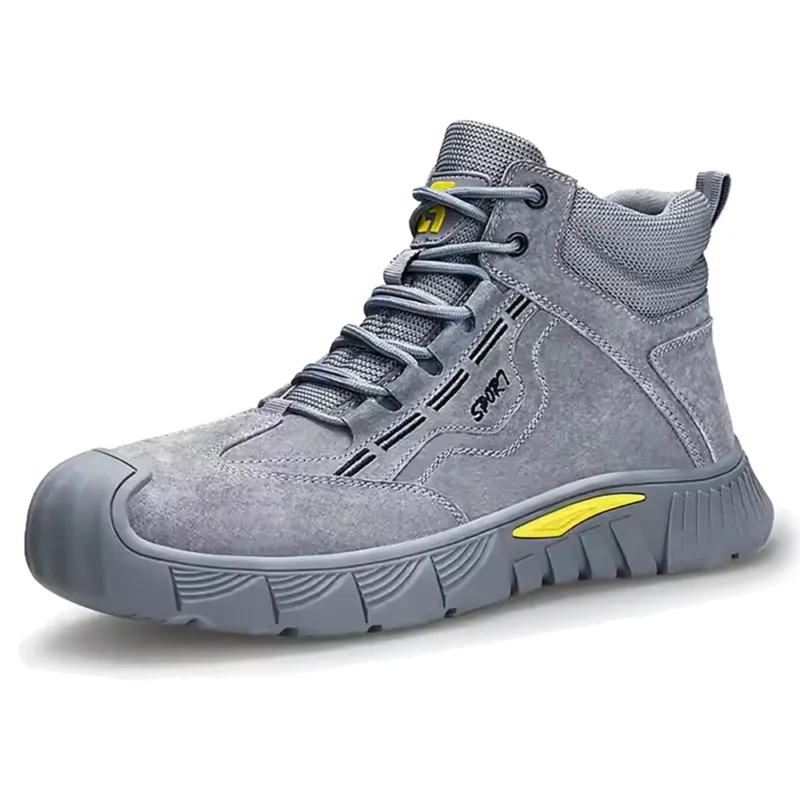
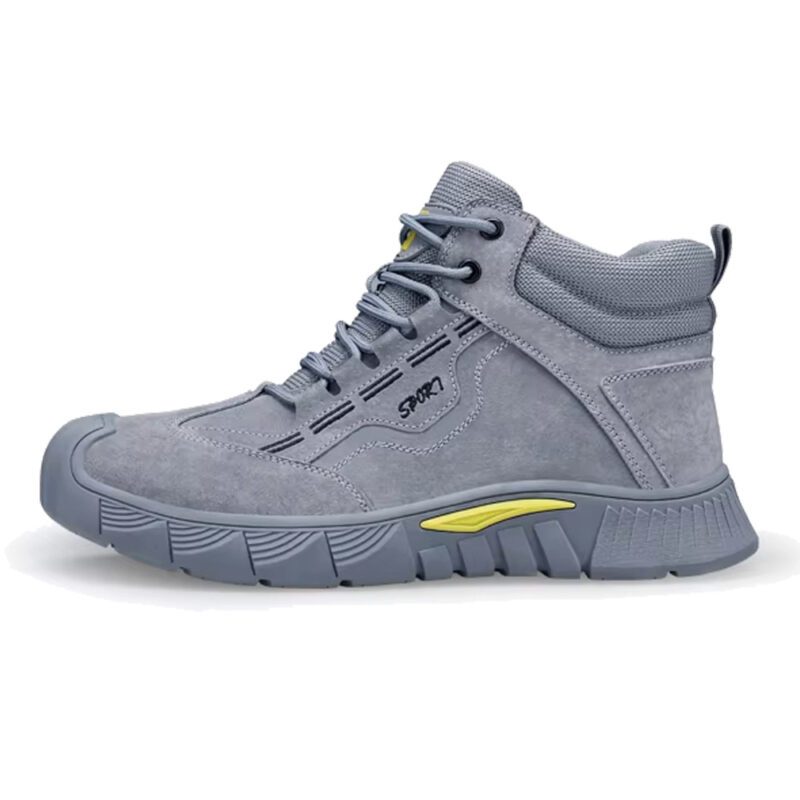
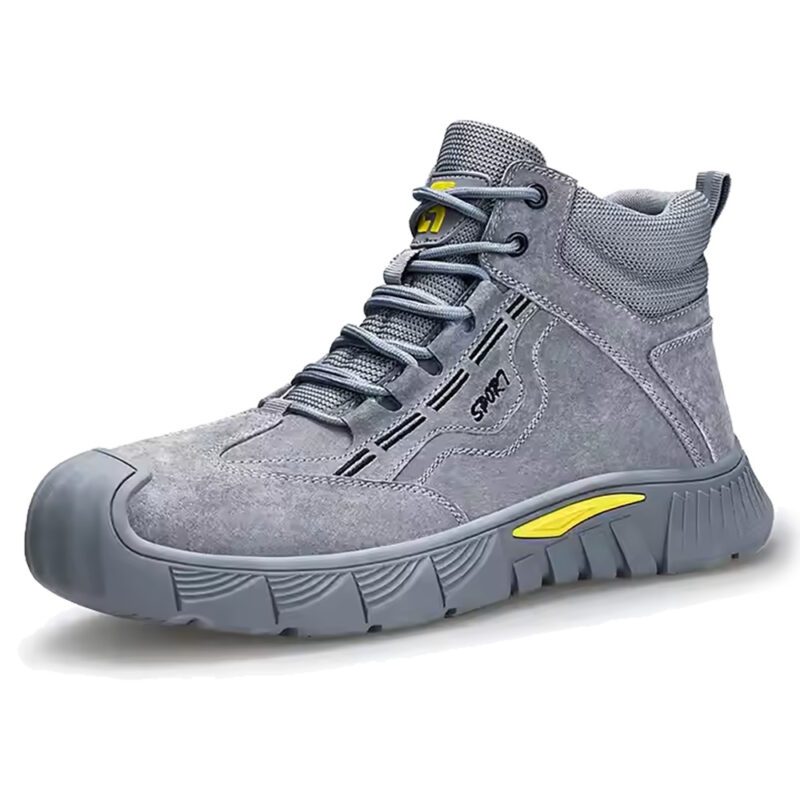
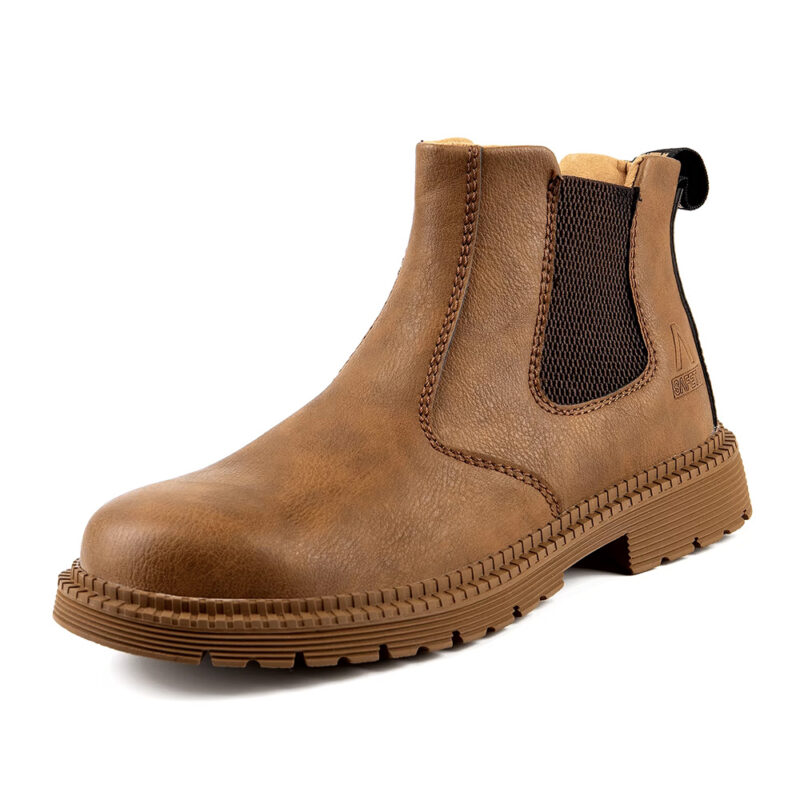
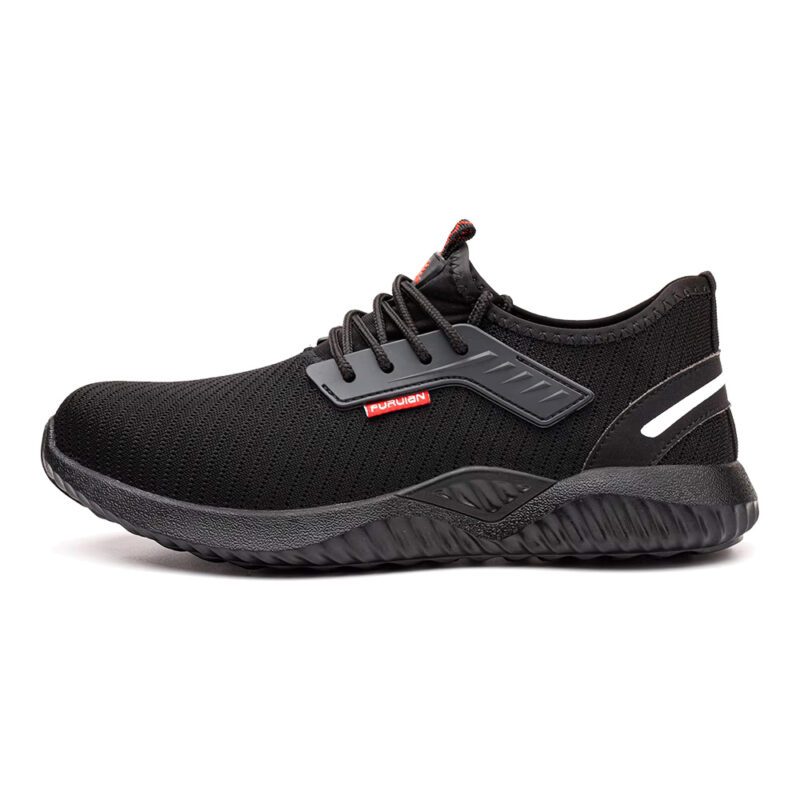
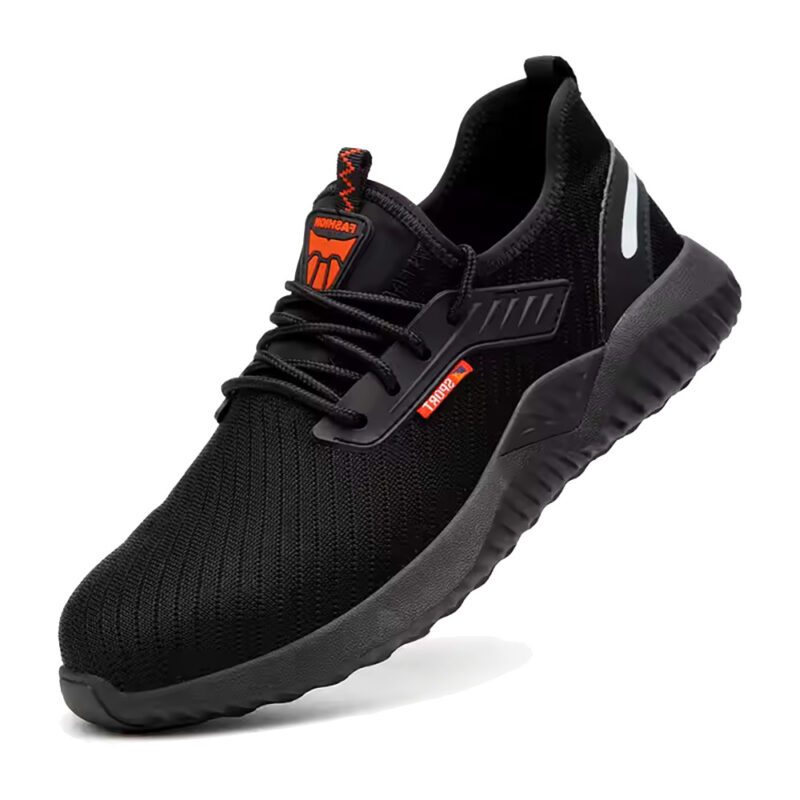
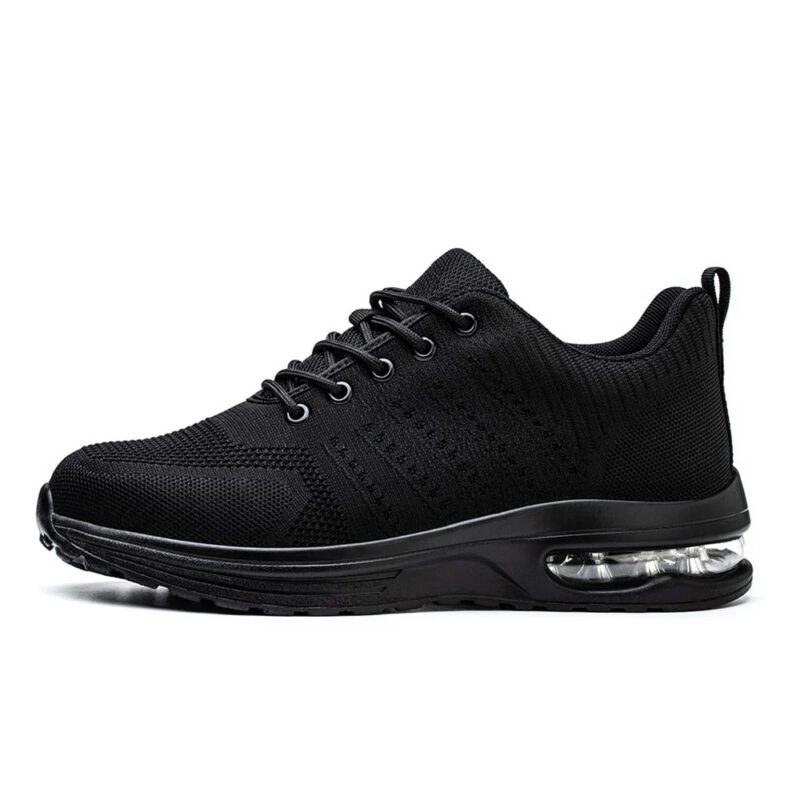
When your workday involves heavy machinery, falling objects, and unforgiving terrain, the Birks Defender Kevlar Steel Toe Safety Work Boots stand ready to protect you through it all. These boots deliver the exceptional durability, reliable protection, and all-day comfort you need to tackle any challenge and get the job done right, every single time.
The brand operates under the Justin Brands umbrella. This company also owns Tony Lama and Chippewa. Justin work boots target construction workers, ranchers, oil field workers, and industrial laborers.
Core Features of Justin Work Boots
Construction Quality
Justin uses full-grain leather for most work boot uppers. This material resists abrasion and water better than synthetic alternatives. The company sources leather from tanneries that meet strict quality standards.
The boots feature Goodyear welt construction in many models. This method attaches the upper to the sole through a leather strip. Workers can resole these boots multiple times. This construction extends boot life by years.
Justin also offers cement construction in budget models. This method glues the sole directly to the upper. These boots cost less but cannot be resoled.
Safety Certifications
Most Justin work boots meet ASTM F2413 standards. This certification covers:
- Impact resistance (75 pounds falling from 18 inches)
- Compression resistance (2,500 pounds of static pressure)
- Electrical hazard protection (up to 18,000 volts in dry conditions)
The composite toe models use non-metal materials. These pass through metal detectors. They weigh less than steel toe alternatives. Workers in airports or security facilities prefer these models.
Steel toe options provide maximum protection. The steel cap shields the entire toe box. These work best in heavy industrial settings.
Comfort Technologies
Justin incorporates several comfort systems:
J-Flex Flexible Comfort System: This feature adds flex grooves to the outsole. The grooves allow natural foot movement. Workers report less fatigue after long shifts.
Cushion insoles: Memory foam or gel inserts provide shock absorption. These reduce impact stress on joints.
Moisture-wicking linings: Synthetic materials pull sweat away from skin. This keeps feet dry and reduces odor.
Performance Analysis by Work Environment
Construction Sites
Justin work boots perform well on construction sites. The oil-resistant outsoles grip concrete and steel surfaces. The boots resist punctures from nails and sharp debris.
The waterproof membrane in select models keeps feet dry. This matters when working in wet concrete or muddy conditions. The membrane breathes enough to prevent sweat buildup.
Workers report the boots break in within one week. The leather softens but maintains structure. The toe box provides adequate room for toe movement.
Oil and Gas Industry
Oil field workers face harsh conditions. Justin work boots handle:
- Chemical exposure
- Extreme temperatures
- Slippery surfaces
- Heavy equipment
The chemical-resistant outsoles protect against oil, gasoline, and drilling fluids. The boots maintain grip on metal platforms and wet surfaces.
The electrical hazard rating protects workers from accidental contact with live circuits. This feature meets OSHA requirements for many oil field positions.
Ranch and Farm Work
Ranchers need boots that handle diverse tasks. Justin work boots transition from riding to manual labor. The heel design allows proper stirrup fit. The shaft height prevents debris from entering the boot.
The waterproof models handle muddy pastures and creek crossings. The leather withstands contact with barbed wire and rough vegetation. Ranchers typically get 2-3 years of daily use from these boots.
Comparison: Justin Work Boots vs. Competitors
| Feature | Justin Work Boots | Wolverine | Red Wing | Timberland PRO |
|---|---|---|---|---|
| Price Range | $120-$250 | $150-$300 | $200-$350 | $130-$280 |
| Primary Construction | Goodyear Welt | Goodyear Welt | Goodyear Welt | Cement/Direct Attach |
| Average Lifespan | 2-4 years | 3-5 years | 5-8 years | 2-3 years |
| Resole Options | Yes (most models) | Yes | Yes | Limited |
| Break-in Period | 1-2 weeks | 2-3 weeks | 3-4 weeks | 1 week |
| Comfort Rating | 7/10 | 8/10 | 7/10 | 8/10 |
Popular Justin Work Boot Models
Justin Original Work Boot (Model WK4630)
This model represents Justin’s classic work boot design. Key specifications:
- 11-inch shaft height
- Steel toe with ASTM F2413 rating
- Oil and slip-resistant outsole
- Full-grain leather upper
- J-Flex comfort system
- Weight: 4.5 pounds per pair
Workers in general construction prefer this model. The 11-inch height provides ankle support without restricting movement. The price sits around $160.
Justin Stampede Collection (Model WK4961)
The Stampede series targets workers who need waterproof protection:
- Waterproof construction
- Composite toe
- 8-inch shaft
- Moisture-wicking lining
- Cushion comfort insole
- Weight: 3.8 pounds per pair
This boot works well in wet environments. The composite toe reduces weight. The waterproof membrane keeps feet dry without excessive sweating. Price averages $180.
Justin Commander-X5 Series
This premium line offers maximum durability:
- 12-inch shaft height
- Steel or composite toe options
- Triple-density insole
- Extended shank for support
- Premium leather upper
- Weight: 5.2 pounds per pair
Heavy industrial workers choose this model. The extended shank prevents foot fatigue. The triple-density insole provides superior cushioning. These boots cost $220-$250.
Durability and Lifespan Expectations
Justin work boots typically last 2-4 years with daily use. Several factors affect longevity:
Usage intensity: Construction workers wearing boots 10-12 hours daily see shorter lifespans. Office-based workers who wear boots occasionally get 5+ years.
Maintenance frequency: Regular cleaning and conditioning extends leather life. Neglected boots deteriorate faster.
Work environment: Concrete and asphalt wear soles quickly. Softer surfaces like dirt or grass cause less wear.
Model quality: Premium models with Goodyear welt construction outlast budget cement-construction models.
When your workday involves heavy machinery, falling objects, and unforgiving terrain, the Birks Defender Kevlar Steel Toe Safety Work Boots stand ready to protect you through it all. These boots deliver the exceptional durability, reliable protection, and all-day comfort you need to tackle any challenge and get the job done right, every single time.
Maintenance Requirements
Daily Care
Clean boots after each shift. Remove dirt and debris with a brush. Wipe chemical spills immediately. Allow boots to air dry naturally. Never use direct heat sources.
Insert shoe trees or stuff boots with newspaper. This maintains boot shape and absorbs moisture.
Weekly Care
Apply leather conditioner every 1-2 weeks. This prevents cracking and maintains flexibility. Use products designed for work boots. Avoid household oils or lotions.
Check stitching for loose threads. Inspect the sole for wear patterns. Address minor issues before they become major problems.
Monthly Care
Apply waterproofing treatment to leather. This maintains water resistance. Use spray or wax products designed for work boots.
Check the insole for compression. Replace worn insoles every 3-6 months. This maintains comfort and support.
Annual Care
Take boots to a cobbler for professional inspection. Resole boots when tread depth drops below 1/4 inch. Replace worn laces and hardware.
Deep clean and condition leather. This removes embedded dirt and restores appearance.
Common Issues and Solutions
Break-in Discomfort
New Justin work boots feel stiff. The leather needs time to conform to your foot shape.
Solution: Wear boots for 2-3 hours daily initially. Gradually increase wear time. Apply leather conditioner to speed softening. Use thick socks to prevent blisters.
Heel Slippage
Some workers experience heel movement in new boots. This occurs before the leather molds to the foot.
Solution: Wear the boots consistently. The heel cup will conform. Use heel grips if slippage persists. Consider professional stretching if the problem continues.
Sole Separation
Cement-construction boots may experience sole separation after heavy use.
Solution: Apply shoe adhesive immediately. Clamp the sole overnight. Consider upgrading to Goodyear welt construction for future purchases.
Odor Buildup
Daily wear causes sweat accumulation and bacterial growth.
Solution: Rotate between two pairs of boots. This allows complete drying. Use odor-eliminating sprays or inserts. Replace insoles regularly. Wear moisture-wicking socks.
Sizing and Fit Guidelines
Justin uses standard US sizing. The boots fit true to size for most users. Follow these guidelines:
Width options: Justin offers D (medium) and EE (wide) widths. Workers with wide feet should order EE width.
Toe room: Allow 1/2 inch between your longest toe and the boot toe. This prevents nail damage and provides comfort.
Heel fit: The heel should sit snugly without slipping. Excessive movement causes blisters.
Sock consideration: Wear the sock thickness you plan to use during work. Thick work socks require more room than thin dress socks.
Try before buying: Walk around the store for 10-15 minutes. Check for pressure points or discomfort. Properly fitting boots feel comfortable immediately.
Price Analysis and Value Assessment
Justin work boots cost $120-$250. This positions them in the mid-range work boot market. The value proposition depends on your needs:
Budget workers ($120-$160 range): These boots provide basic protection and comfort. They last 1-2 years with daily use. Good for workers new to the trade or those with employer reimbursement programs.
Mid-range buyers ($160-$200 range): These models offer better materials and construction. They include comfort features and waterproofing. Most workers find optimal value here.
Premium purchasers ($200-$250 range): Top-tier models provide maximum durability and comfort. Heavy industrial workers and professionals who demand the best should consider these.
Final Verdict on Justin Work Boots
Justin work boots deliver solid performance at reasonable prices. The company’s 145-year history shows sustained quality commitment. The boots meet industry safety standards and provide adequate comfort for most workers.
Strengths:
- Competitive pricing
- Wide model selection
- Good construction quality
- Proven safety certifications
- Available in specialty retailers
Limitations:
- Shorter lifespan than premium brands
- Limited advanced comfort features
- Break-in period required
- Some quality variation between models
Justin work boots work well for construction workers, ranchers, and industrial laborers. They balance cost and performance effectively. Workers should choose models based on specific job requirements and budget constraints.
The brand suits workers who need reliable boots without premium pricing. Those seeking maximum longevity might consider higher-end alternatives. For most applications, Justin work boots provide good value and dependable protection.
When your workday involves heavy machinery, falling objects, and unforgiving terrain, the Birks Defender Kevlar Steel Toe Safety Work Boots stand ready to protect you through it all. These boots deliver the exceptional durability, reliable protection, and all-day comfort you need to tackle any challenge and get the job done right, every single time.